Does it work?
Rose Geranium for Acne & Breakouts
What the research says about rose geranium for acne & breakouts, how to use it at home and how to stay safe.
The short answer: Antimicrobial and anti-inflammatory effects are shown in lab and animal studies; there are no controlled trials of rose geranium for skin-care outcomes.
Our Acne & Breakouts guide does not rank Rose Geranium for this use yet, so this is the overall grade for Rose Geranium.
What it does
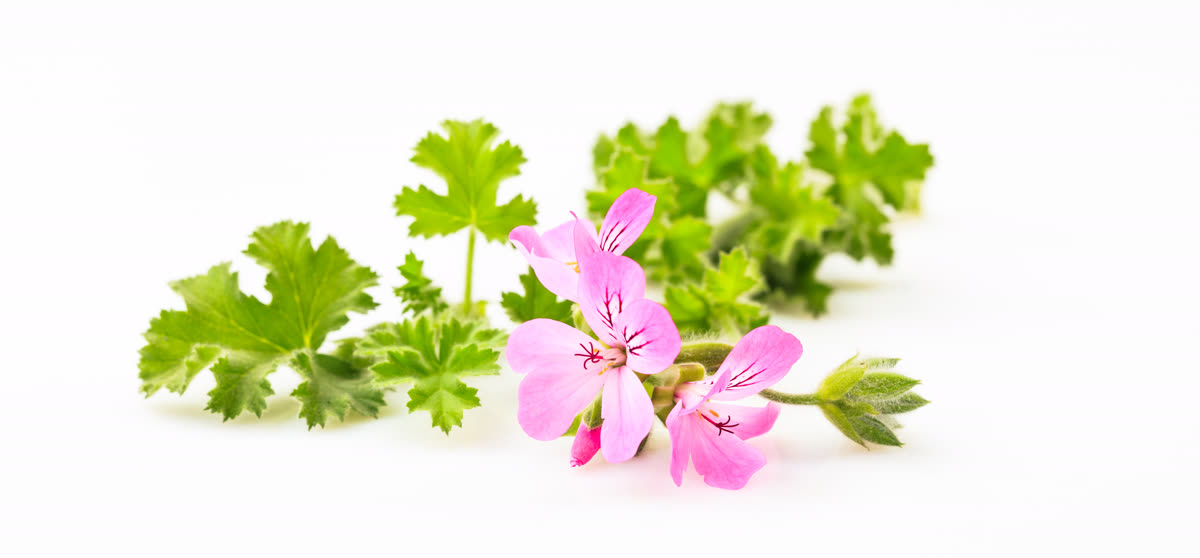
Rose geranium is neither a true geranium nor a rose, but a South African Pelargonium whose leaves smell intensely of roses. Distilled in Egypt, Morocco, China, South Africa and on Réunion, its oil is the affordable rose note of natural perfumery and a staple “balancing” oil in aromatherapy. It is pleasant and fairly gentle at low dilution, but its key molecules — citronellol and geraniol — are recognized allergens, and claims that it balances sebum or tightens skin have little human evidence.
Why people reach for it
- An affordable rose note. Citronellol, geraniol and rose oxide give a convincing rosy-green scent at a fraction of the price of Damask rose otto, making it a backbone of natural perfumes and body care.
- A gentle hydrosol toner. Geranium water is a soft, fragrant toner for oily and combination skin; it refreshes, though “sebum-balancing” is a sensory claim, not a measured one.
- Antimicrobial in the lab. The oil inhibits a range of bacteria and fungi, including Candida, in vitro — a rationale for its use in deodorants and foot care.
- Anti-inflammatory signals. Animal studies show reduced inflammatory cell recruitment with geranium oil, but no human skin trials confirm a calming effect.
How to use it
| Form | Typical use | Notes |
|---|---|---|
| Face oils and creams | 0.25–1% essential oil | About 1–2 drops per 10 ml gives roughly 0.5–1%; use the Essential Oil Dilution Calculator. Lovely with jojoba and Damask rose. |
| Body oils, balms and deodorants | Up to 2% | Add tocopherol and store cold: oxidized geraniol is more allergenic. See Essential Oil Safety: The Complete Guide. |
| Hydrosol toner | Neat as a toner, or up to 100% of the water phase of a preserved formula | Buy preserved hydrosol, refrigerate after opening and use within a few months; homemade hydrosols spoil quickly. See DIY Safety: Water, Microbes & Preservatives. |
| Natural perfume | Commonly 5–20% of the fragrance concentrate | Keep the finished product within the supplier’s IFRA certificate limits and list allergens on the label. |
Recipes with Rose Geranium
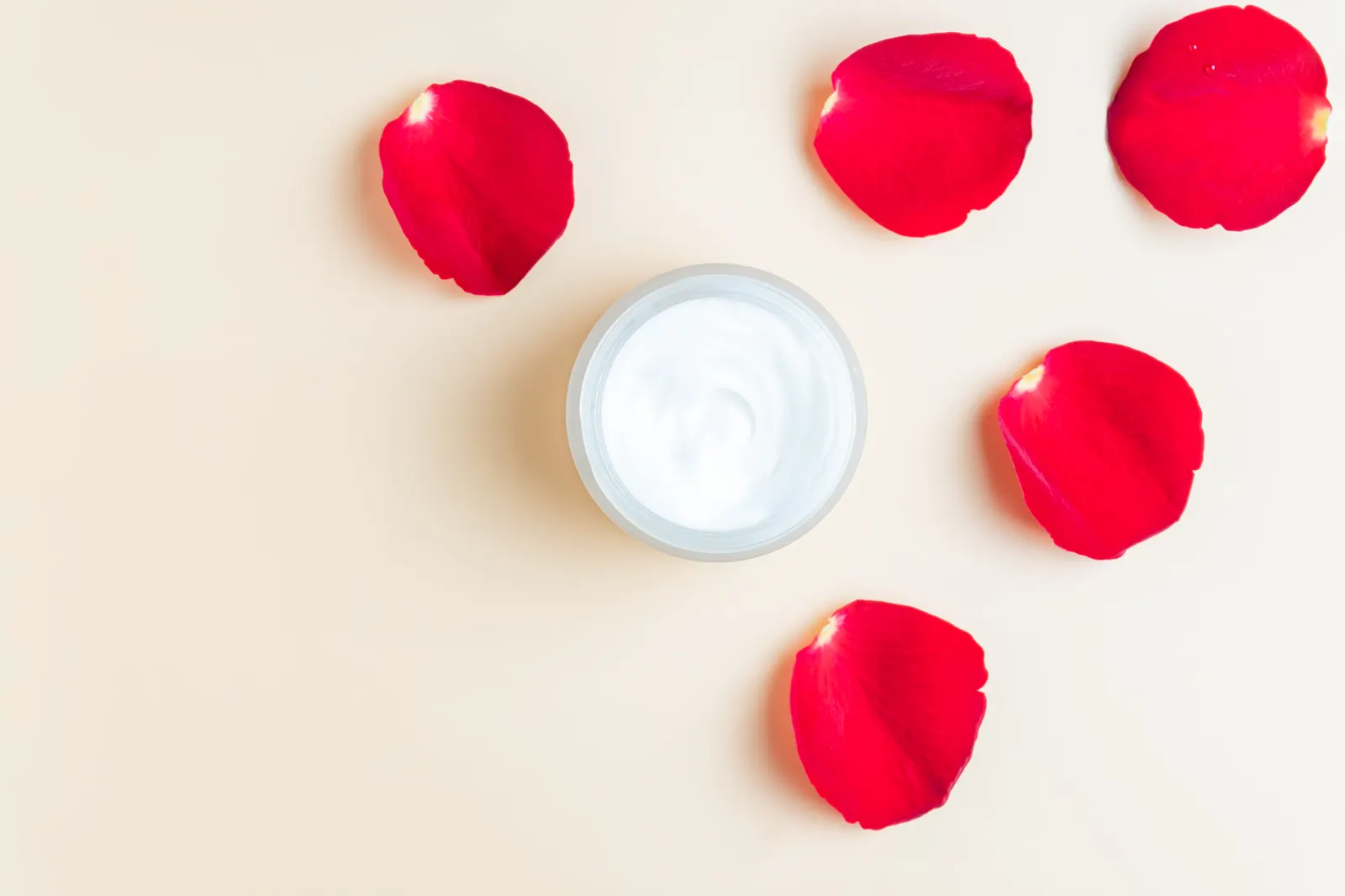 Balm · BeginnerRose & Orange Blossom Hand BalmA silky hand balm of shea, almond and rose-infused oil, lightly scented with neroli and rose geranium — a Moroccan garden in a tin.
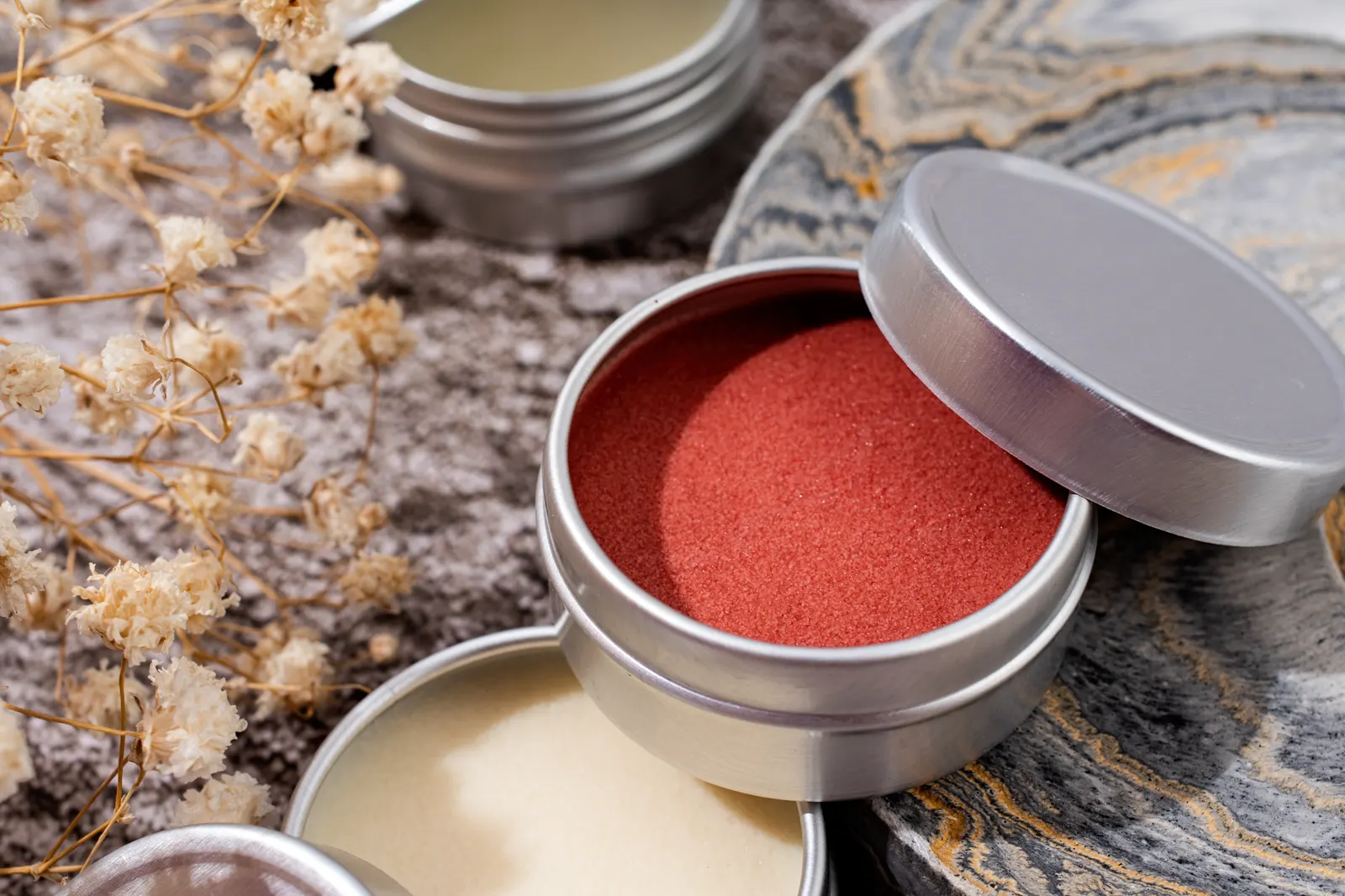 Balm · IntermediateThree-Balm Gift SetOne shea and beeswax base, three little tins: an unscented lip balm, a rose geranium hand balm and a lavender bedtime balm. A handmade gift people use.
Use it safely
- Contains EU-listed allergens (citronellol, geraniol, linalool, citral); avoid if you are allergic to fragrance or to Fragrance Mix I, and patch test otherwise.
- Old, oxidized oil is markedly more sensitizing: keep bottles full, closed and cool, and discard oil that smells harsh.
- Never apply neat; keep away from eyes and do not use essential oils on infants.
- The hydrosol is far gentler than the oil and a better choice for reactive skin.
Pregnancy and breastfeeding: No specific hazard is documented for topical use at normal dilutions. Keep the oil at ≤ 1%, prefer the hydrosol in the first trimester, and see Skincare in Pregnancy & Breastfeeding.
New to an ingredient? Patch test first.
When to see a doctor
- Deep, painful nodules or cysts, or any acne that is leaving scars (pitted, rolling or raised) — early treatment prevents permanent scarring.
- No meaningful improvement after 2–3 months of consistent over-the-counter treatment.
- Acne with irregular periods, excess facial or body hair, scalp hair thinning or rapid weight gain, which can point to polycystic ovary syndrome or another hormonal cause.
- Sudden, severe, ulcerating acne with fever, joint pain or feeling unwell (acne fulminans) — seek prompt care.
- Acne that started after a new medicine or supplement (e.g. corticosteroids, anabolic steroids, some anticonvulsants).
- Acne affecting your mood, sleep or confidence — this is a valid reason to seek treatment.
Other plants for Acne & Breakouts
| Ingredient | Grade | What the evidence shows |
|---|---|---|
| Tea Tree | B | Several small randomized trials of 5% tea tree oil gel show fewer inflammatory and total lesions than placebo, with slower onset but better tolerability than 5% benzoyl peroxide. |
| Green Tea | B | Small randomized trials of 2–3% green tea extract lotions reduced lesion counts and sebum in mild to moderate acne; effects are modest. |
| Aloe Vera | C | In one randomized trial, aloe gel combined with tretinoin improved results and tolerability versus tretinoin alone — useful as a soothing partner to retinoids. |
| Bakuchiol | C | Small, mostly open-label studies suggest benefit in mild acne, often in combination products; plausible anti-inflammatory and anti-sebum effects. |
| Willow Bark | C | Contains salicin and other salicylates that may gently exfoliate and calm, but it is far weaker than salicylic acid and human data are limited. |
| Honey | C | Antimicrobial in the lab, but a randomized trial of medical-grade kanuka honey added to routine cleansing found no significant extra benefit. |
| Witch Hazel | D | Tannins are astringent and anti-inflammatory in vitro; there are no meaningful acne trials, and alcohol-based distillates can irritate. |
| Rhassoul Clay | D | Absorbs surface oil temporarily for a matte finish; no evidence it treats acne lesions. |