Does it work?
Rose Geranium for Oily Skin & Pores
A whole rose garden hidden in a green leaf: rose geranium brings a lush, rosy scent at a gentle price.
The short answer: Antimicrobial and anti-inflammatory effects are shown in lab and animal studies; there are no controlled trials of rose geranium for skin-care outcomes.
Our Oily Skin & Pores guide does not rank Rose Geranium for this use yet, so this is the overall grade for Rose Geranium.
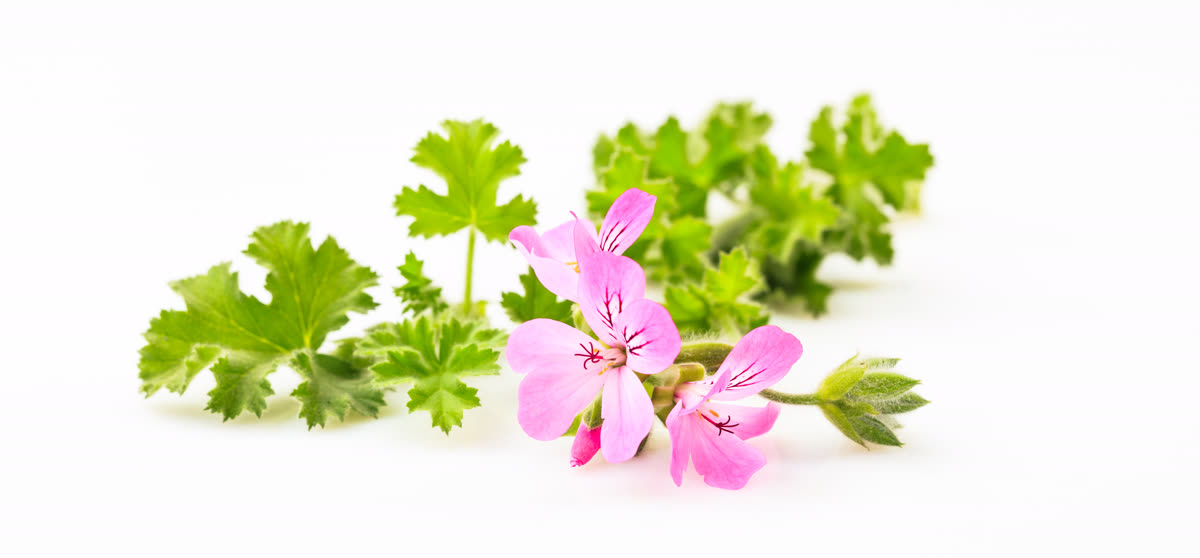
What Rose Geranium can do for Oily Skin & Pores
Rose geranium is neither a true geranium nor a rose, but a South African Pelargonium whose leaves smell intensely of roses. Distilled in Egypt, Morocco, China, South Africa and on Réunion, its oil is the affordable rose note of natural perfumery and a staple “balancing” oil in aromatherapy. It is pleasant and fairly gentle at low dilution, but its key molecules — citronellol and geraniol — are recognized allergens, and claims that it balances sebum or tightens skin have little human evidence.
Why people reach for it
- An affordable rose note. Citronellol, geraniol and rose oxide give a convincing rosy-green scent at a fraction of the price of Damask rose otto, making it a backbone of natural perfumes and body care.
- A gentle hydrosol toner. Geranium water is a soft, fragrant toner for oily and combination skin; it refreshes, though “sebum-balancing” is a sensory claim, not a measured one.
- Antimicrobial in the lab. The oil inhibits a range of bacteria and fungi, including Candida, in vitro — a rationale for its use in deodorants and foot care.
- Anti-inflammatory signals. Animal studies show reduced inflammatory cell recruitment with geranium oil, but no human skin trials confirm a calming effect.
How to use it
Try it today
A rosy hydrosol toner moment
- Choose a preserved geranium hydrosol and keep it in the fridge once opened.
- Patch test on your inner arm, then mist or sweep it over clean skin with a cotton pad.
- Follow with your usual moisturizer while your skin is still slightly damp.
| Form | Typical use | Notes |
|---|---|---|
| Face oils and creams | 0.25–1% essential oil | About 1–2 drops per 10 ml gives roughly 0.5–1%; use the Essential Oil Dilution Calculator. Lovely with jojoba and Damask rose. |
| Body oils, balms and deodorants | Up to 2% | Add tocopherol and store cold: oxidized geraniol is more allergenic. See Essential Oil Safety: The Complete Guide. |
| Hydrosol toner | Neat as a toner, or up to 100% of the water phase of a preserved formula | Buy preserved hydrosol, refrigerate after opening and use within a few months; homemade hydrosols spoil quickly. See DIY Safety: Water, Microbes & Preservatives. |
| Natural perfume | Commonly 5–20% of the fragrance concentrate | Keep the finished product within the supplier’s IFRA certificate limits and list allergens on the label. |
Recipes with Rose Geranium
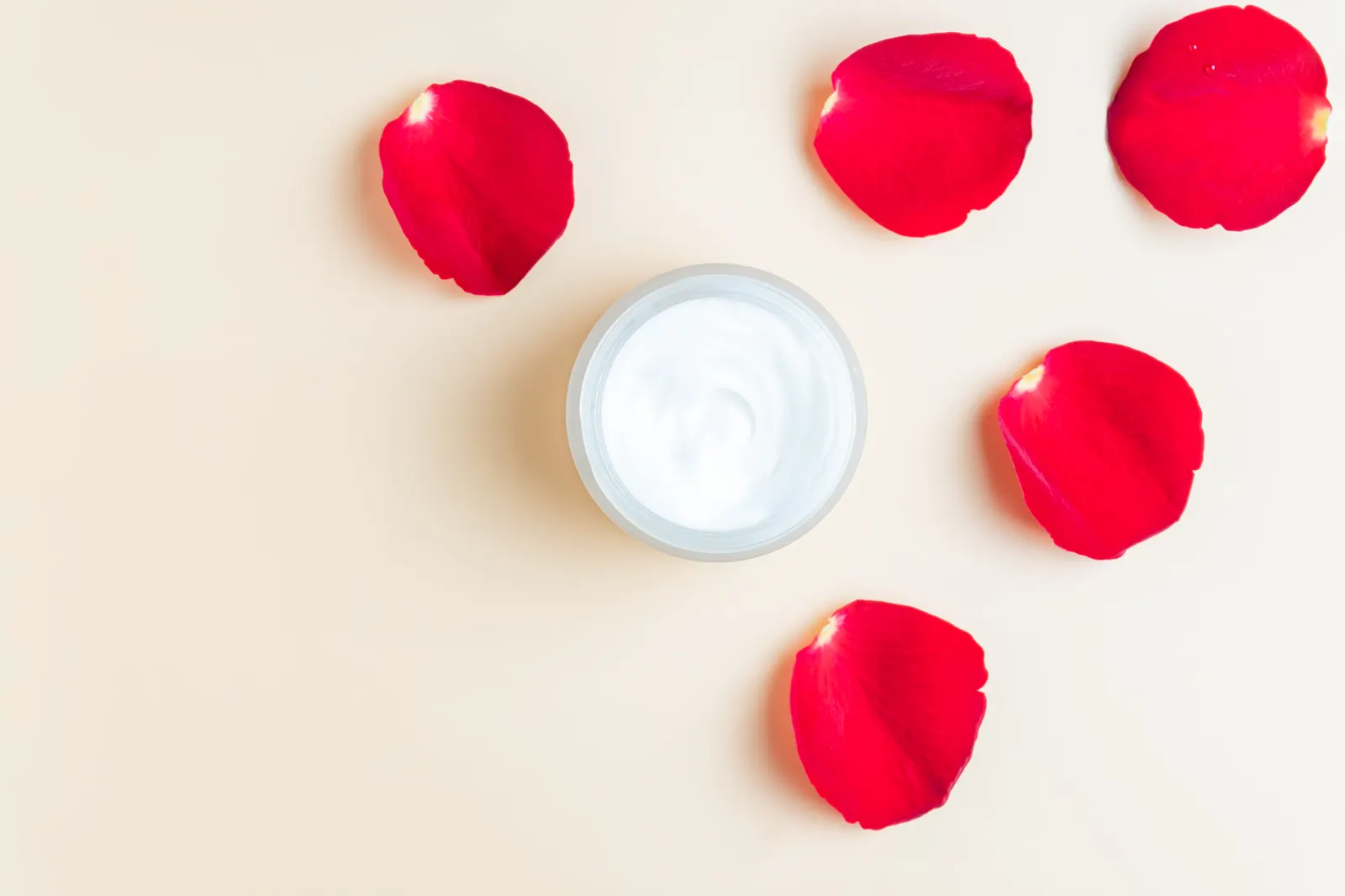 Balm · BeginnerRose & Orange Blossom Hand BalmA silky hand balm of shea, almond and rose-infused oil, lightly scented with neroli and rose geranium — a Moroccan garden in a tin.
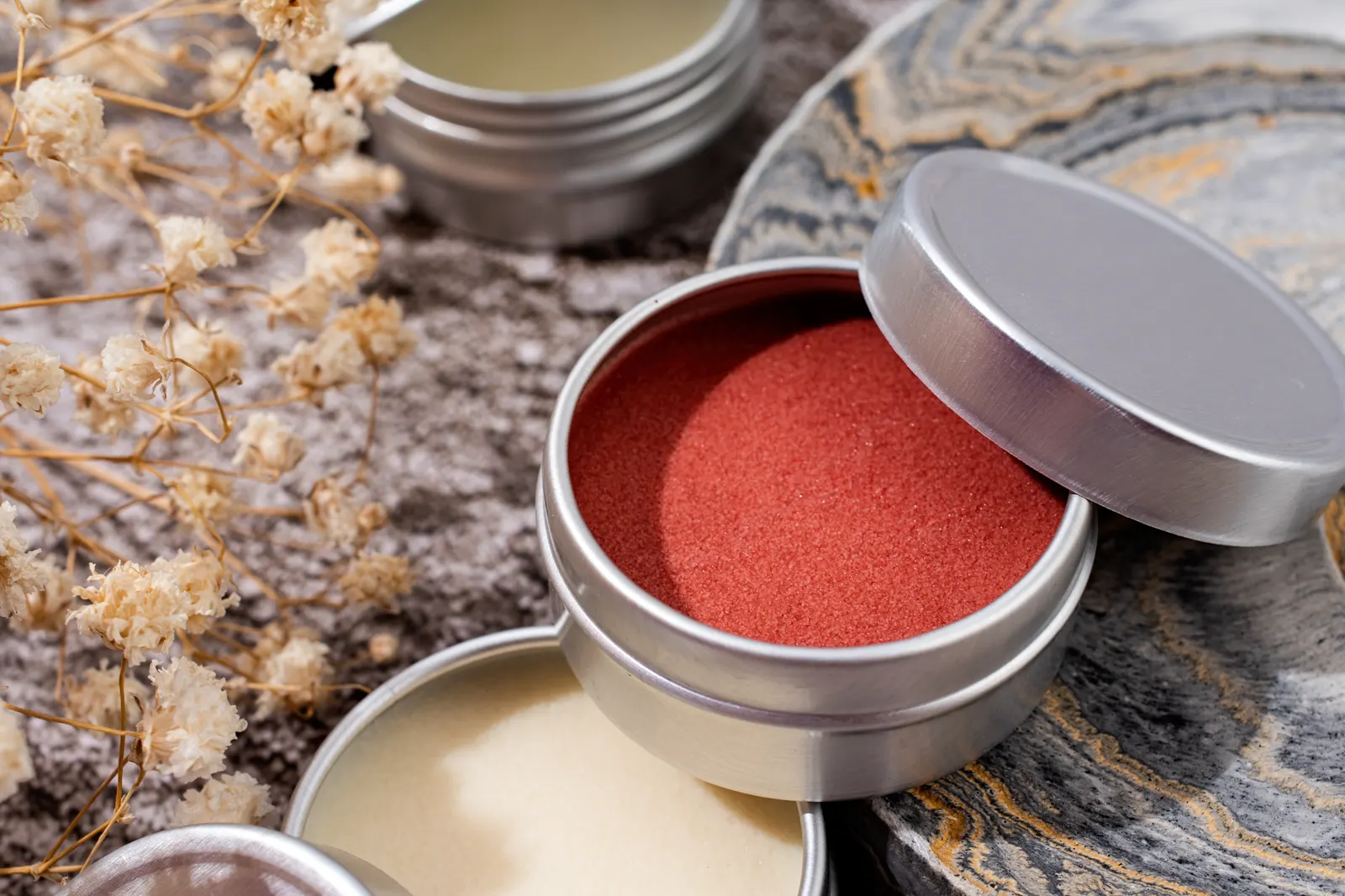 Balm · IntermediateThree-Balm Gift SetOne shea and beeswax base, three little tins: an unscented lip balm, a rose geranium hand balm and a lavender bedtime balm. A handmade gift people use.
Use it safely
- Contains EU-listed allergens (citronellol, geraniol, linalool, citral); avoid if you are allergic to fragrance or to Fragrance Mix I, and patch test otherwise.
- Old, oxidized oil is markedly more sensitizing: keep bottles full, closed and cool, and discard oil that smells harsh.
- Never apply neat; keep away from eyes and do not use essential oils on infants.
- The hydrosol is far gentler than the oil and a better choice for reactive skin.
Pregnancy and breastfeeding: No specific hazard is documented for topical use at normal dilutions. Keep the oil at ≤ 1%, prefer the hydrosol in the first trimester, and see Skincare in Pregnancy & Breastfeeding.
New to an ingredient? Patch test first.
When to see a doctor
- Sudden increase in oiliness with acne, excess facial or body hair, irregular periods or scalp hair thinning (possible androgen excess or polycystic ovary syndrome).
- Greasy, flaky, red patches around the nose, brows or scalp that persist (possible seborrheic dermatitis).
- A shiny, pearly or translucent bump that grows or bleeds, which can mimic sebaceous hyperplasia but may be a basal cell carcinoma.
- Oily skin with significant acne or scarring, or if you want to discuss prescription options.
Other plants for Oily Skin & Pores
| Ingredient | Grade | What the evidence shows |
|---|---|---|
| Green Tea | B | Small controlled trials of topical green tea extract emulsions reduced sebum production over several weeks. |
| Willow Bark | C | Natural salicylates may provide light exfoliation and smoothing, but it is much weaker than salicylic acid and poorly studied. |
| Tea Tree | C | Helpful for acne lesions on oily skin, but there is little evidence it reduces sebum itself. |
| Witch Hazel | D | Tannins give a temporary tightening, matte feel; no good evidence it reduces sebum, and alcohol-containing distillates can irritate. |
| Rhassoul Clay | D | Absorbs surface oil for a temporary matte finish and pleasant texture; does not change sebum production. |
| Jojoba | D | Often claimed to “rebalance” oil production; there is no solid human evidence, though its light, non-greasy feel suits many oily skins. |