Does it work?
Rhassoul Clay for Oily Skin & Pores
Silky Moroccan clay that cleanses without a single bubble, leaving skin fresh and matte and curls soft and defined.
The short answer: Absorbs surface oil for a temporary matte finish and pleasant texture; does not change sebum production.
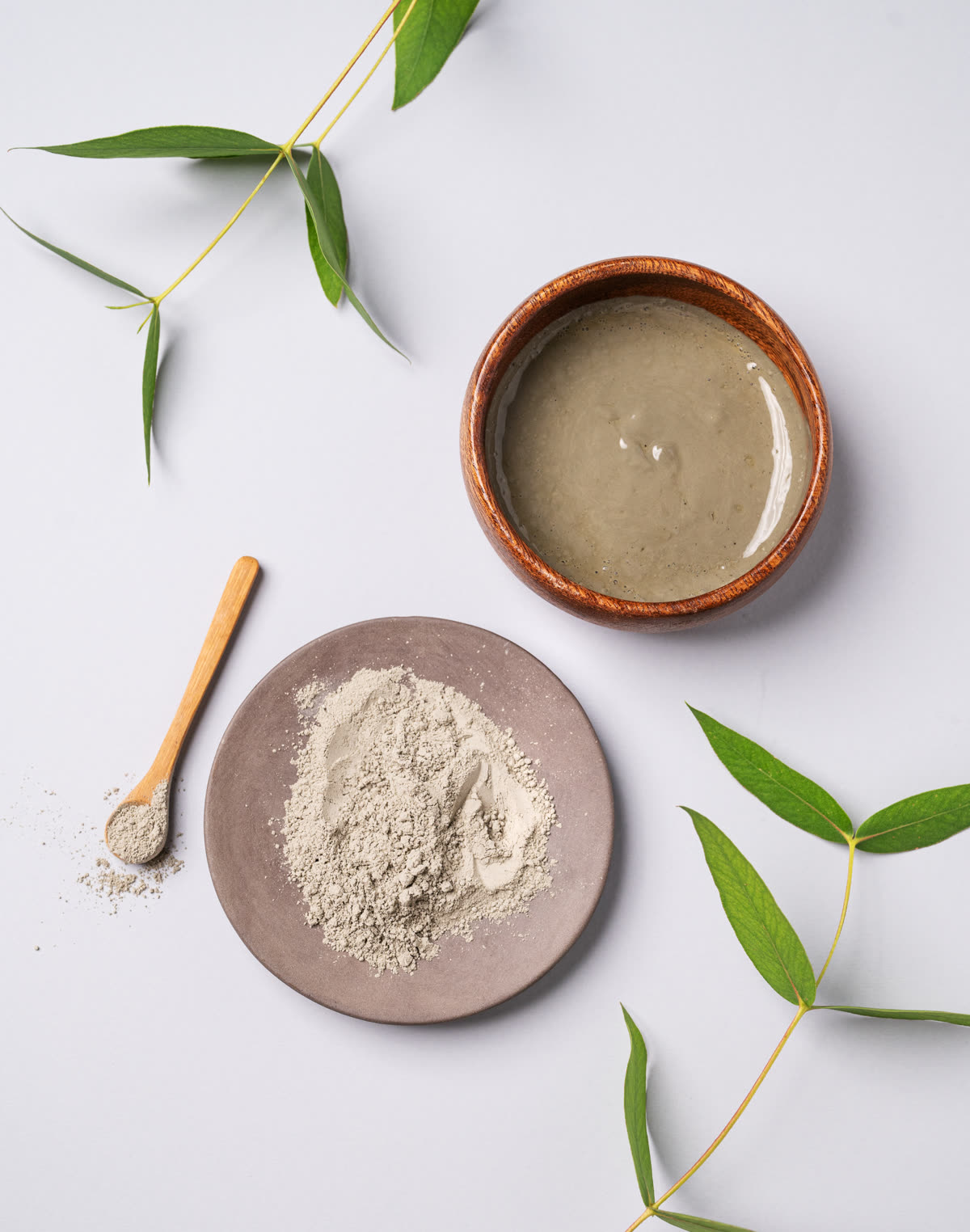
What Rhassoul Clay can do for Oily Skin & Pores
Rhassoul, or ghassoul, is a soft, brown magnesium-rich clay mined only in the Moulouya valley of Morocco, on the edge of the Middle Atlas. Its name comes from the Arabic verb “to wash,” and for centuries it has been the cleanser of the Moroccan hammam, used on both skin and hair. It absorbs excess oil and lifts away dirt without lather, but scientific evidence is limited to mineral chemistry and tradition.
Why people reach for it
- Gentle, lather-free cleansing. Clay particles adsorb sebum and grime and rinse away with them, cleansing without surfactants.
- Oil control for oily skin. A short mask leaves oily and combination skin matte and refreshed.
- Hair and scalp wash. Used as a traditional “no-poo” wash that cleans the scalp while leaving curls soft and defined.
- Silky texture. Swells into a smooth, slippery paste that is easy to spread and rinse — less gritty than many clays.
How to use it
Try it today
A hammam-style face mask
- Gently mix 1 teaspoon of rhassoul with about 2 teaspoons of rose or orange flower water.
- Smooth the paste over clean skin, avoiding the eyes, and leave it for 5–10 minutes.
- Rinse before it dries and cracks, moisturize, and discard any leftover paste.
| Form | Typical use | Notes |
|---|---|---|
| Face mask | 1 part clay to about 1.5–2 parts liquid (water, rose or orange-blossom water) | Apply for 5–10 minutes and rinse before it fully dries and cracks. Mix fresh each time — see Moroccan Rhassoul & Orange Blossom Mask. |
| Hair and scalp wash | 2–4 tablespoons in warm water to a thin, creamy paste | Massage into a wet scalp and lengths, leave 5 minutes, rinse thoroughly. |
| Hammam body cleanse | A paste after black soap and kessa scrub | See Moroccan Hammam Ritual at Home and Moroccan Beauty Rituals: Hammam, Rhassoul & Argan. |
| Formulations | 5–20% in masks; 1–5% in cleansers | Any water-containing product needs a broad-spectrum preservative; see DIY Safety: Water, Microbes & Preservatives. |
Recipes for Oily Skin & Pores with Rhassoul Clay
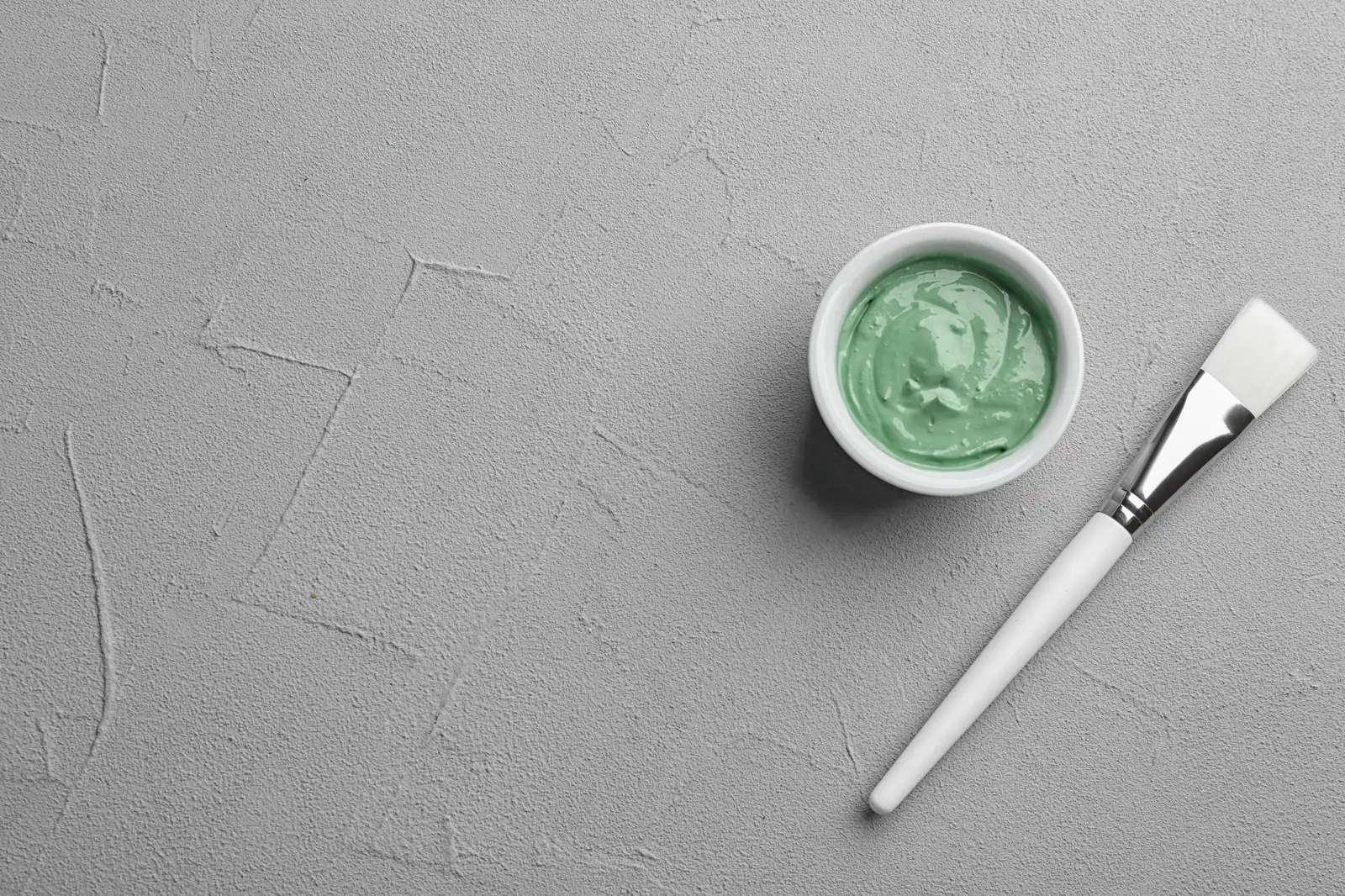 Mask · BeginnerMoroccan Rhassoul & Orange Blossom MaskRhassoul clay whipped with orange blossom water, argan oil and honey: the Moroccan way to cleanse and soften without squeaky tightness.
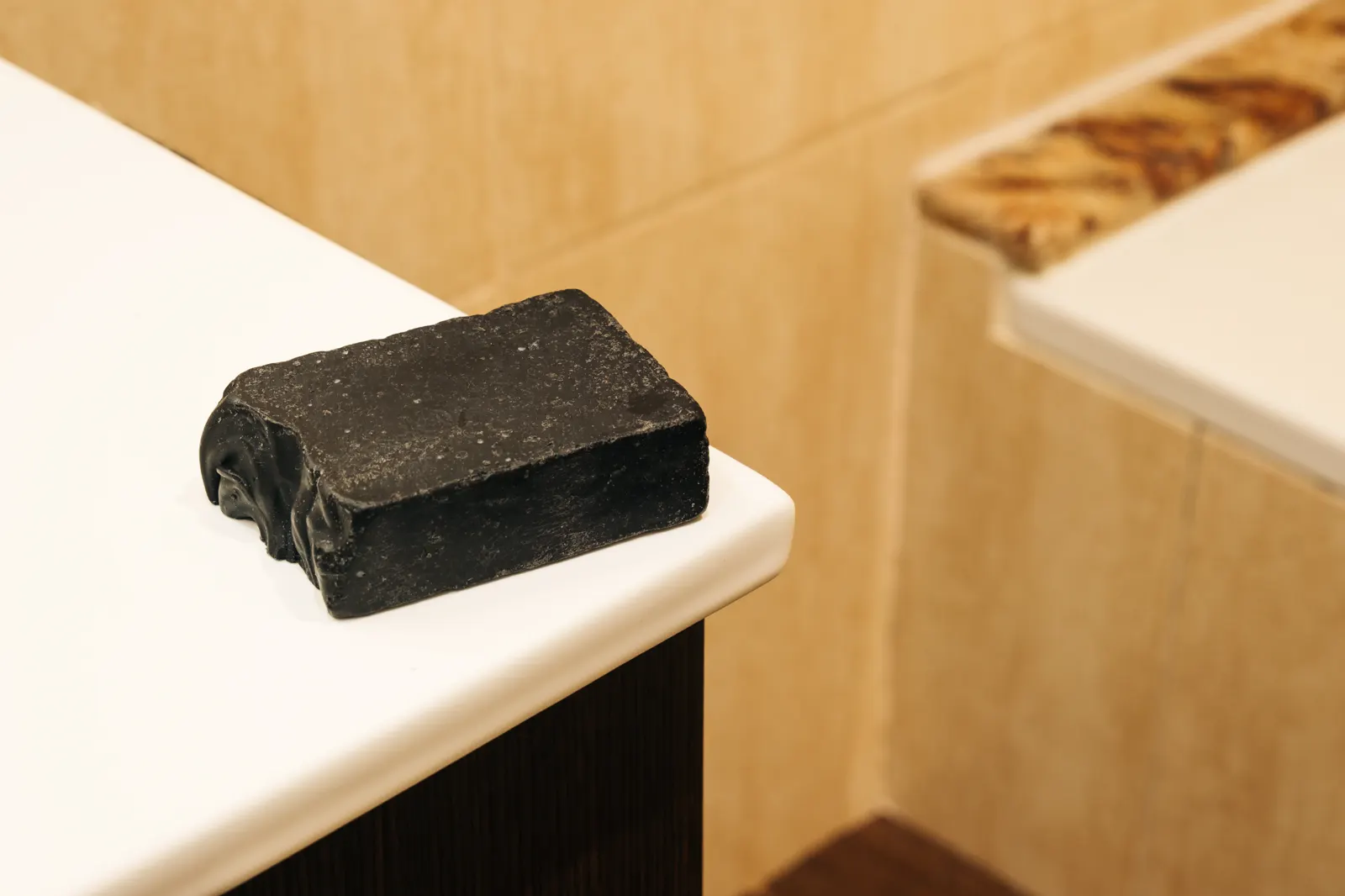 Ritual · BeginnerMoroccan Hammam Ritual at HomeBeldi black soap, the kessa glove, rhassoul clay, orange blossom water and argan oil: the traditional Moroccan hammam sequence, adapted safely for home.
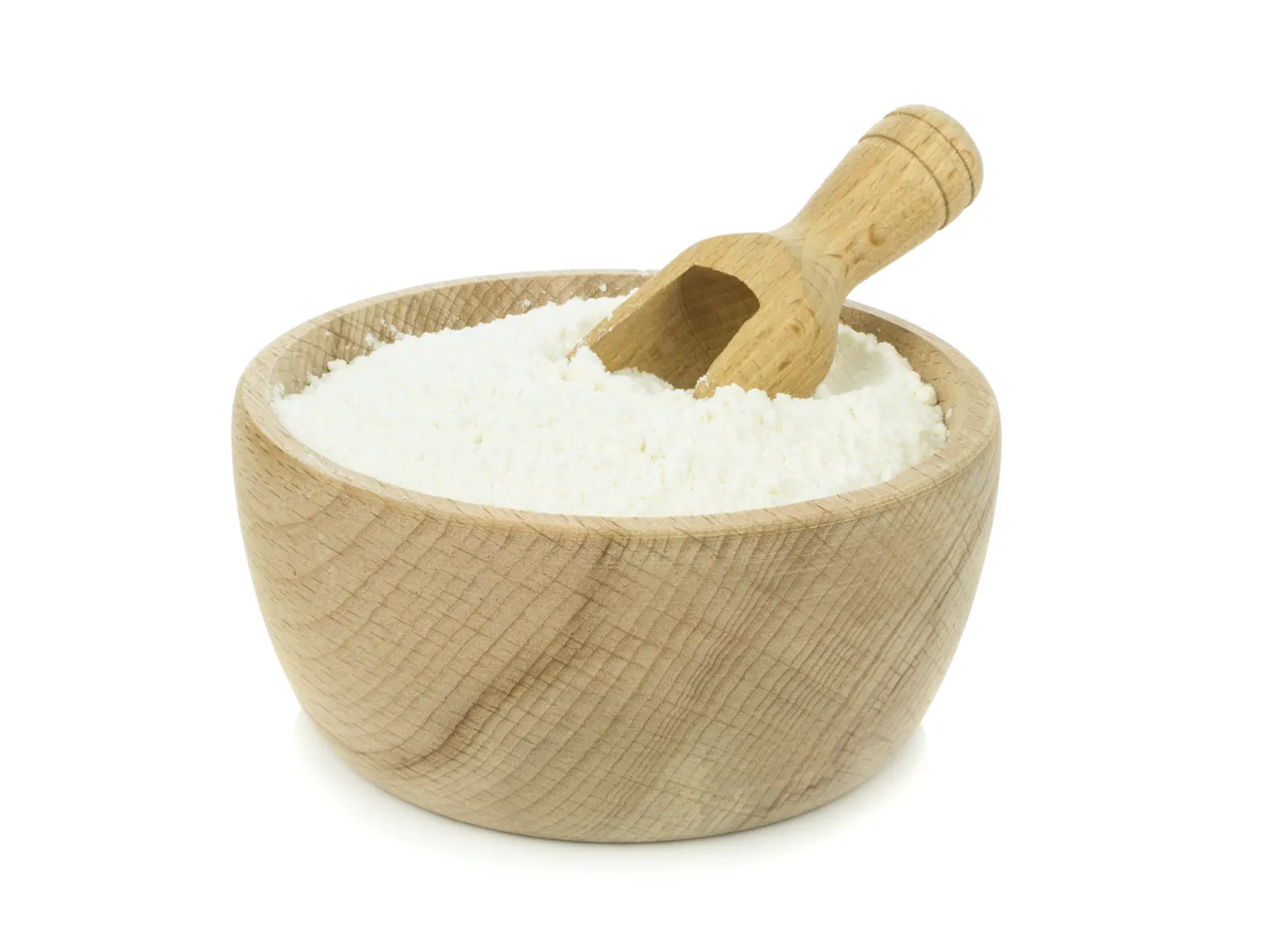 Hair care · BeginnerRice Starch & Rhassoul Dry ShampooA talc-free dry shampoo powder of rice starch, arrowroot and Moroccan rhassoul clay that soaks up oily roots between washes. Brush on, wait, brush out.
Daily rituals with Rhassoul Clay
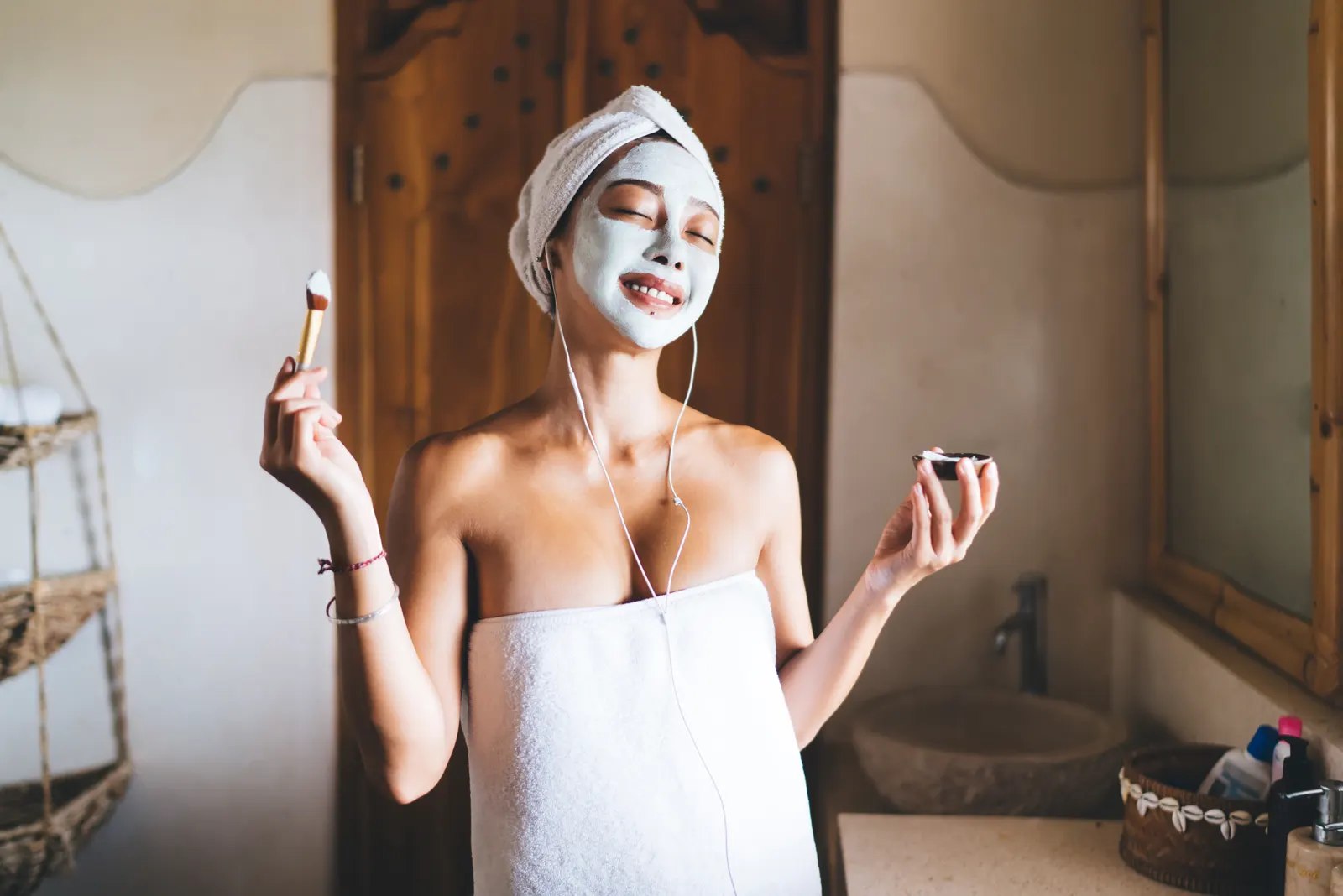 A Weekly Rhassoul Reset for Oily SkinA once-a-week Moroccan rhassoul clay mask for oily and combination skin, with the winter rule that keeps it from over-drying.
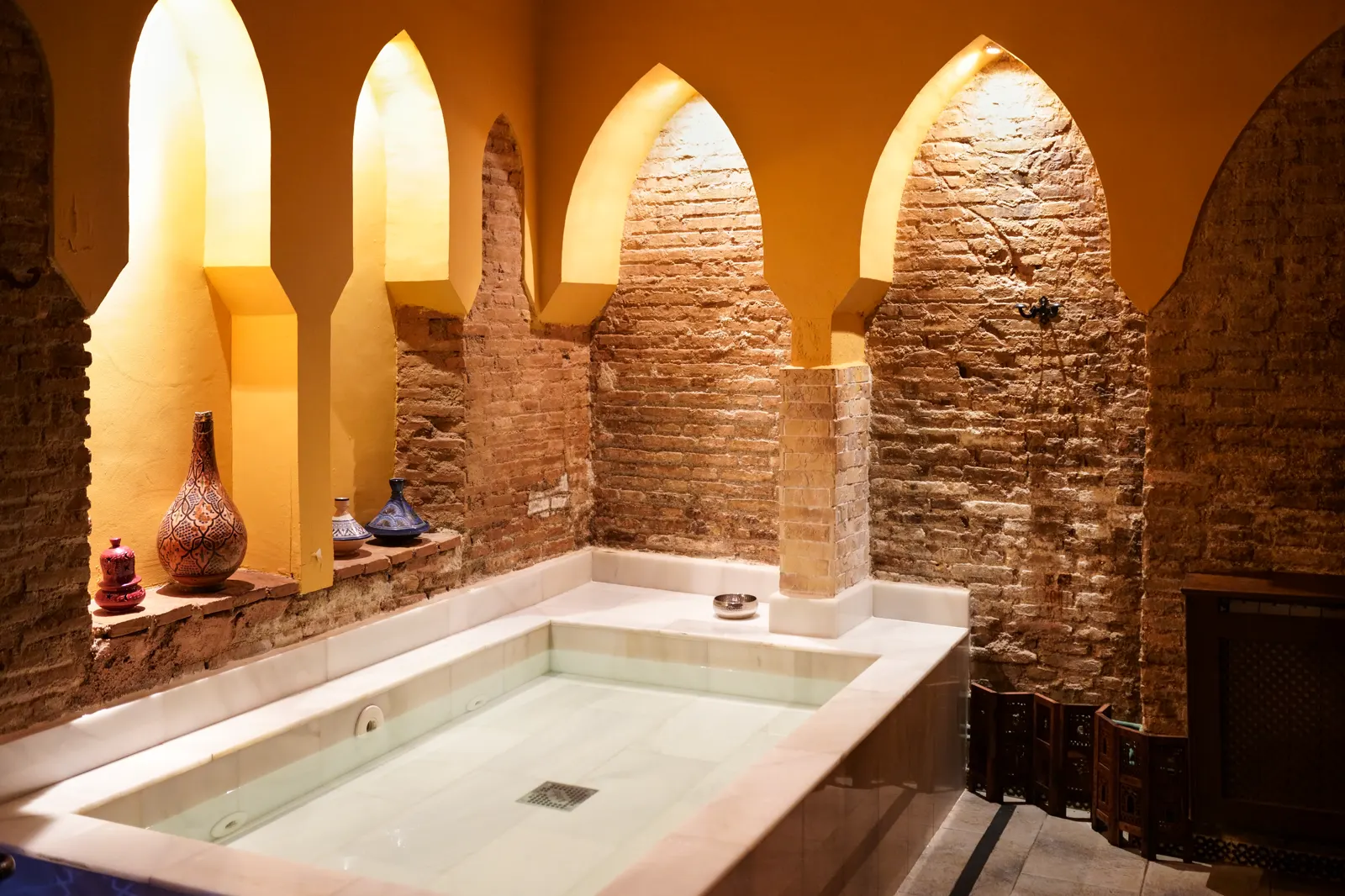 The Home Hammam, Once a WeekBeldi black soap, a kessa glove, rhassoul and argan: a Moroccan weekly bath ritual adapted for home, with honest limits on scrubbing.
Use it safely
- Never eat clay. Natural clays can contain lead and arsenic, and eating them (geophagy) has caused lead poisoning.
- Buy clay with heavy-metal and microbiological test certificates.
- A wet clay paste is a fresh product: mix a single use and discard leftovers.
- Avoid inhaling dry powder — mix gently and do not create dust clouds.
- It can be drying on dry, sensitive or eczema-prone skin; limit to once or twice a week and moisturize afterwards.
Pregnancy and breastfeeding: External use is generally considered fine in pregnancy and breastfeeding. Do not eat clay; if you crave clay or earth in pregnancy (pica), tell your midwife or doctor.
New to an ingredient? Patch test first.
When to see a doctor
- Sudden increase in oiliness with acne, excess facial or body hair, irregular periods or scalp hair thinning (possible androgen excess or polycystic ovary syndrome).
- Greasy, flaky, red patches around the nose, brows or scalp that persist (possible seborrheic dermatitis).
- A shiny, pearly or translucent bump that grows or bleeds, which can mimic sebaceous hyperplasia but may be a basal cell carcinoma.
- Oily skin with significant acne or scarring, or if you want to discuss prescription options.
Other plants for Oily Skin & Pores
| Ingredient | Grade | What the evidence shows |
|---|---|---|
| Green Tea | B | Small controlled trials of topical green tea extract emulsions reduced sebum production over several weeks. |
| Willow Bark | C | Natural salicylates may provide light exfoliation and smoothing, but it is much weaker than salicylic acid and poorly studied. |
| Tea Tree | C | Helpful for acne lesions on oily skin, but there is little evidence it reduces sebum itself. |
| Witch Hazel | D | Tannins give a temporary tightening, matte feel; no good evidence it reduces sebum, and alcohol-containing distillates can irritate. |
| Jojoba | D | Often claimed to “rebalance” oil production; there is no solid human evidence, though its light, non-greasy feel suits many oily skins. |