Culture & Sustainability · 7 min read · Everyone
Moroccan Beauty Rituals: Hammam, Rhassoul & Argan
The hammam, beldi soap, kessa, rhassoul, argan, flower waters, henna and kohl: their history, cultural meaning and what science says about each.
What you’ll take away
- The hammam is a social and spiritual institution as much as a bath, rooted in Roman and Islamic bathing traditions.
- Beldi soap and the kessa glove form a powerful exfoliating duo; skip or soften them if you have eczema, rosacea or sunburn.
- Rhassoul, argan oil and flower waters have long traditional use and some supportive evidence, though human trials are small.
- Pure henna is safe for most people; “black henna” containing PPD can cause severe, lifelong allergy.
- Traditional kohl can contain lead: avoid it, especially for children.
- Plants in this guide
- Rhassoul Clay DArgan Oil CHenna BOrange Blossom (Neroli) D
Guides explain how things work; the grade for each plant is on its own page. How we grade
The hammam: more than a bath
The Moroccan hammam descends from Roman thermae, reshaped by Islamic traditions of ritual purity and cleanliness. In the old medinas it stands among the core institutions of a neighborhood, alongside the mosque, the fountain, the Quranic school and the communal bread oven; historically, the hammam’s wood-fired furnace was also where neighbors slow-cooked dishes such as Marrakech’s tanjia. Bathers move from a cool room to a warm room to a hot, steamy room, washing slowly over an hour or more.
The hammam is also a social world. Women’s hours have long been a space for conversation, advice and matchmaking, for mothers to teach daughters, and for marking life events, above all the pre-wedding hammam. The attendant who scrubs bathers (often called tayaba in the women’s hammam and kessal in the men’s) is a skilled professional. Treating the ritual as a spa “treatment” misses that sense of community and care.
Beldi soap and the kessa
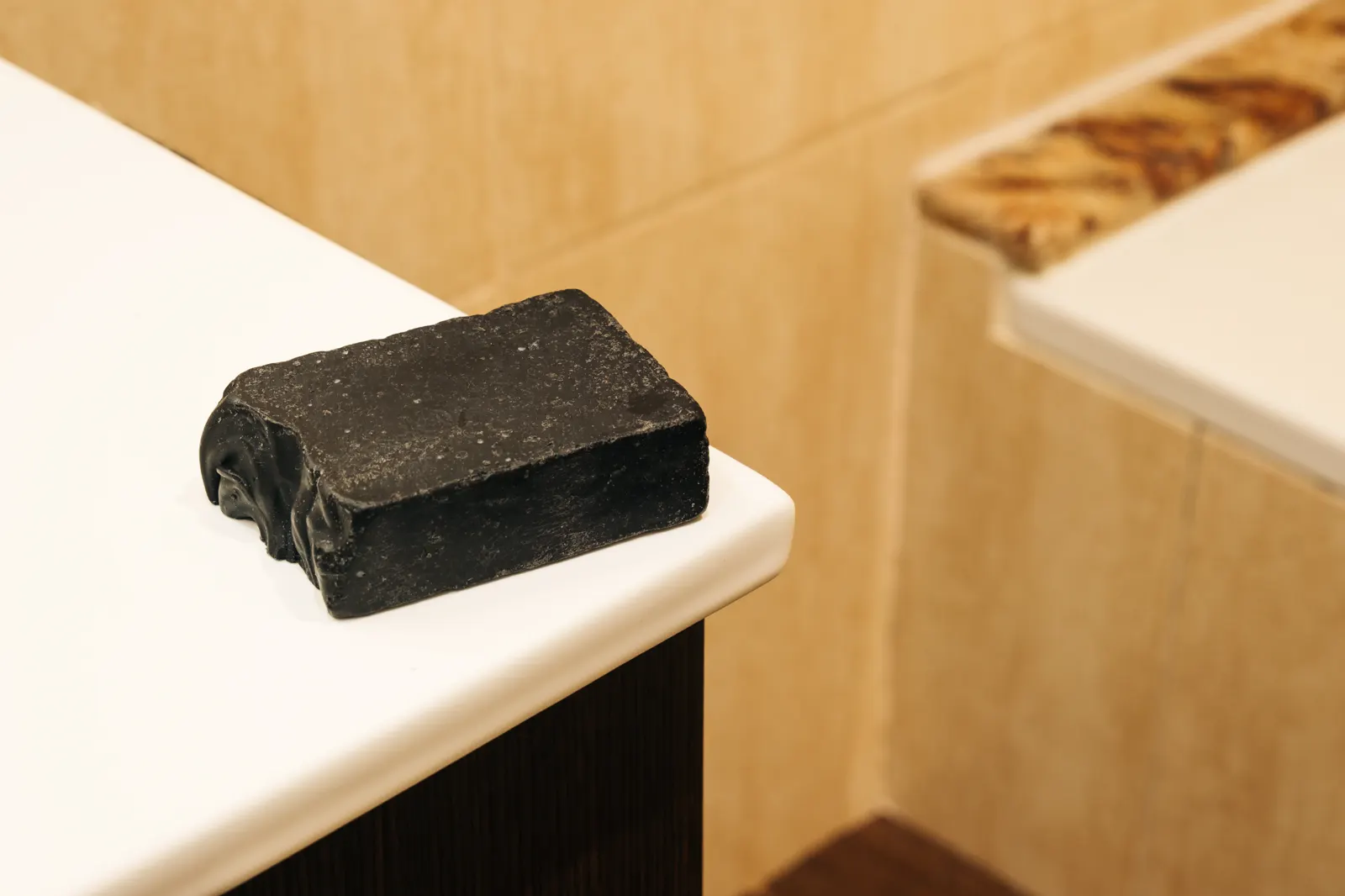
Beldi soap (sabon beldi, “traditional soap”) is a soft, dark paste made by saponifying olive oil, often with crushed olives, using potash. Some versions add eucalyptus. It is applied to steam-warmed skin, left for several minutes, then rinsed.
Next comes the kessa, a coarse glove, traditionally of goat hair and now usually of viscose or nylon, used with firm strokes. The gray rolls that appear are not “dirt” but softened dead skin cells (corneocytes) mixed with soap residue. The heat and alkaline soap loosen the outer stratum corneum so that mechanical exfoliation removes it in sheets.
Like all true soaps, beldi soap is alkaline (around pH 9–10), while healthy skin is mildly acidic. A weekly or monthly ritual is fine for most people, but frequent use plus vigorous scrubbing can leave the barrier tight and reactive. Go gently on the face, and skip the kessa entirely on eczema-prone skin, active acne, rosacea, sunburn, broken skin or skin using retinoids or acids. Follow with an oil or rich moisturizer.
Rhassoul: the washing clay of the Atlas
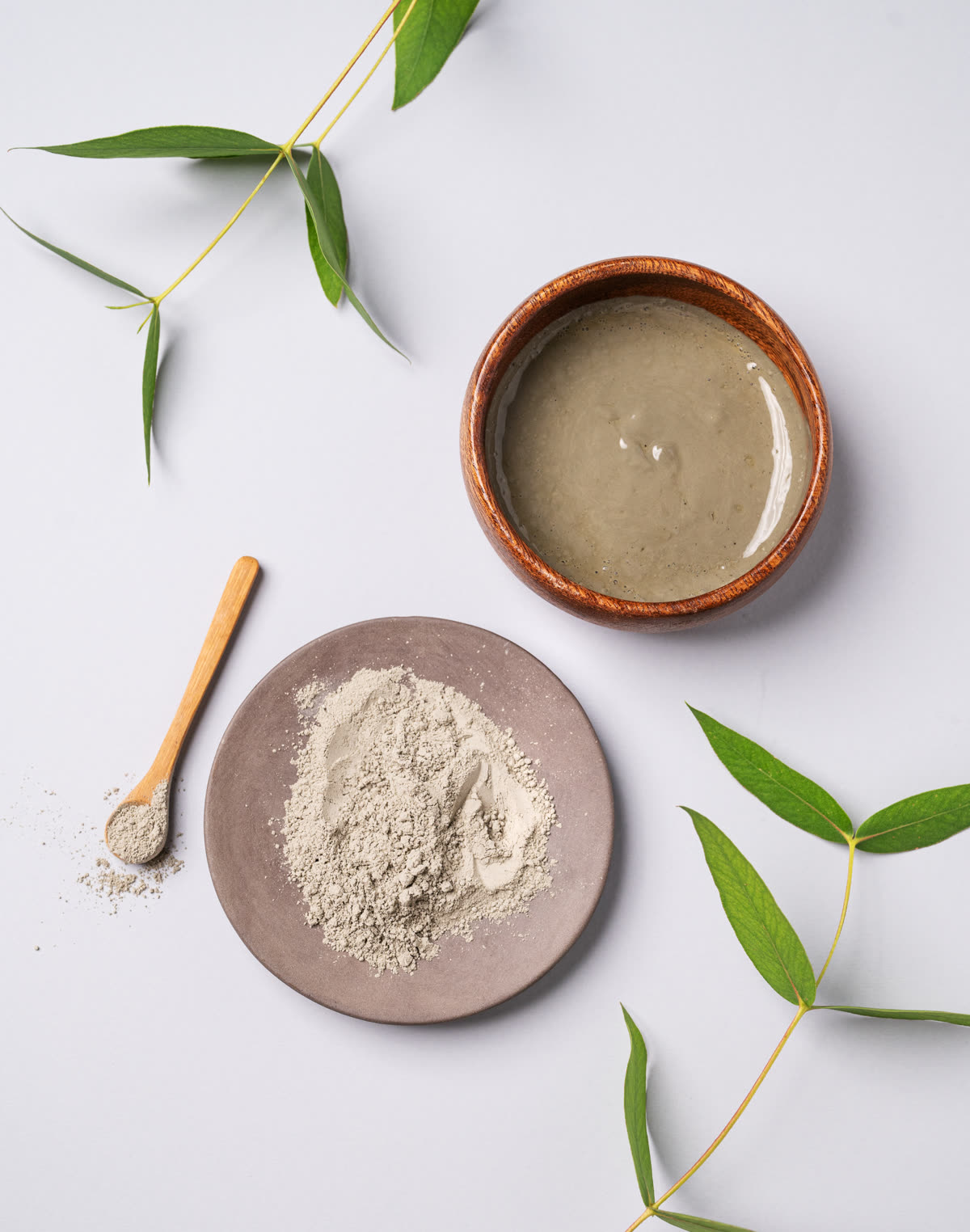
Rhassoul (ghassoul, from an Arabic root meaning “to wash”) is mined in the Middle Atlas, notably around Ksabi in the Moulouya valley. It is a magnesium-rich smectite clay whose main mineral is stevensite. Traditionally the raw clay is soaked and processed with herbs and flower water, then mixed with water to make a paste for hair, face and body, and it is a staple of bridal preparations.
Clays adsorb oil and can lift sebum and residue without the harshness of strong detergents, which is why rhassoul suits oily scalps and congested skin. Evidence is mostly laboratory-based. Buy clay that has been tested for microbes and heavy metals, avoid letting masks over-dry on sensitive skin, and try Moroccan Rhassoul & Orange Blossom Mask.
Argan: the tree, the women and the oil
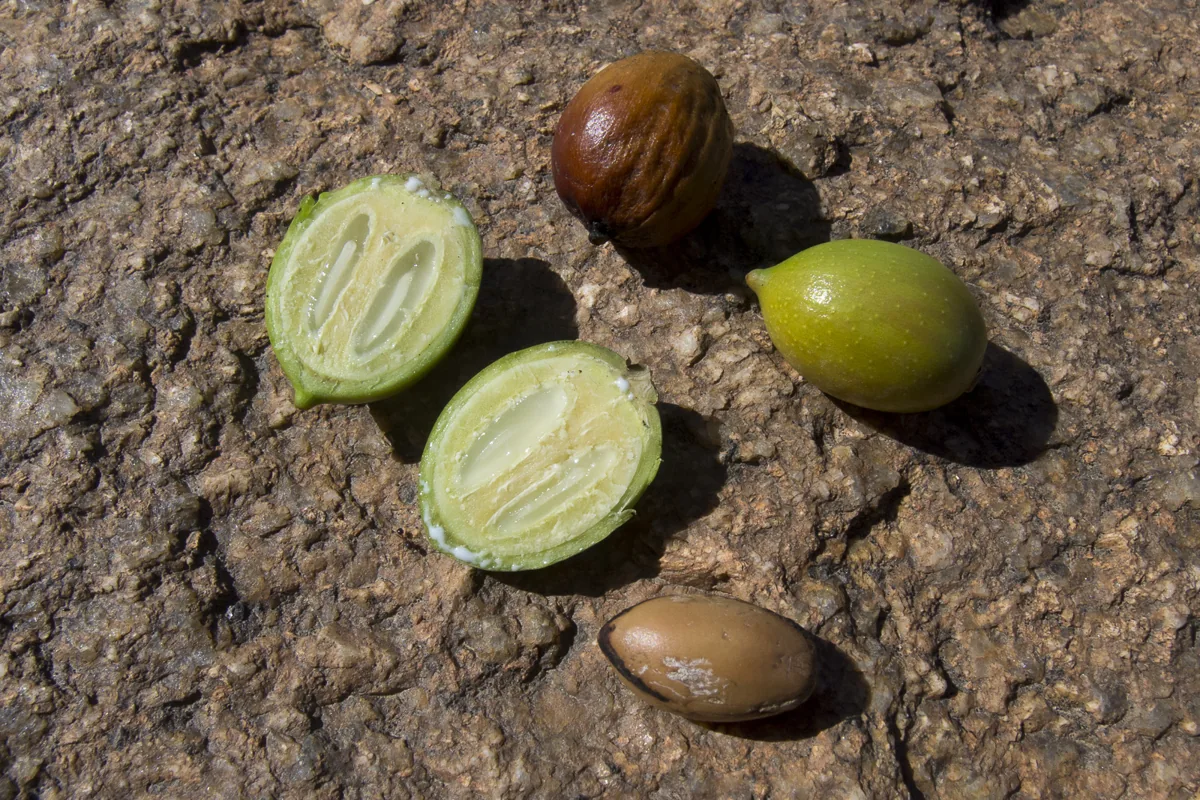
The argan tree (Argania spinosa) grows almost only in southwestern Morocco. Amazigh women have extracted its oil for generations, cracking each nut between stones. Kernels are roasted for culinary oil (used in amlou, a spread of argan oil, almonds and honey) and left unroasted for cosmetic oil.
Cosmetic argan oil is rich in oleic and linoleic acids, tocopherols (especially gamma-tocopherol) and sterols. A small trial in postmenopausal women found improved skin elasticity with argan oil, and the oil is a well-tolerated emollient for skin, hair and nails. It is not a cure-all, but it earns its reputation as an everyday oil. Sourcing matters: see Sustainable & Ethical Botanical Sourcing.
Flower waters: orange blossom and the roses of Kelaat M’Gouna
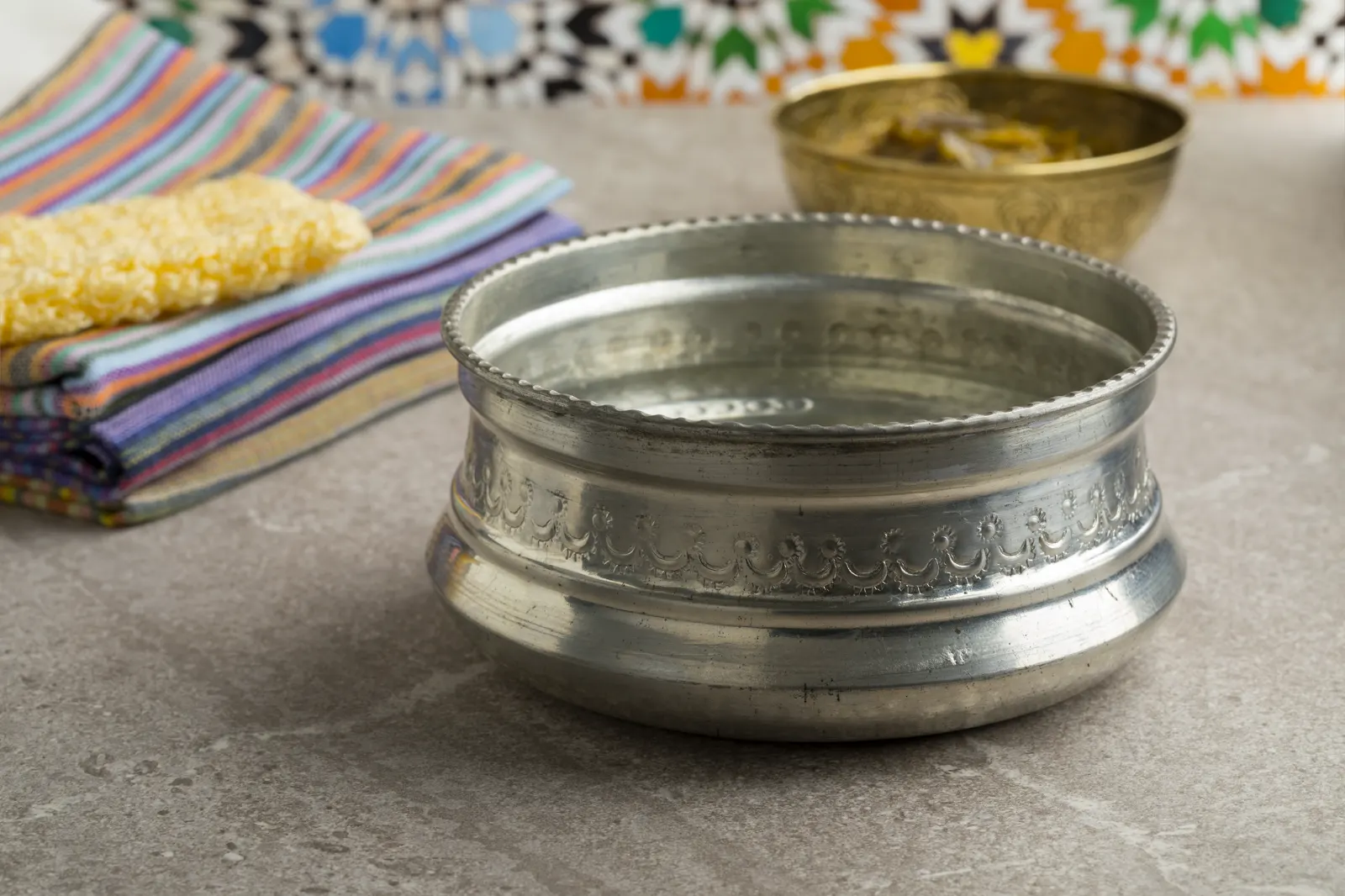
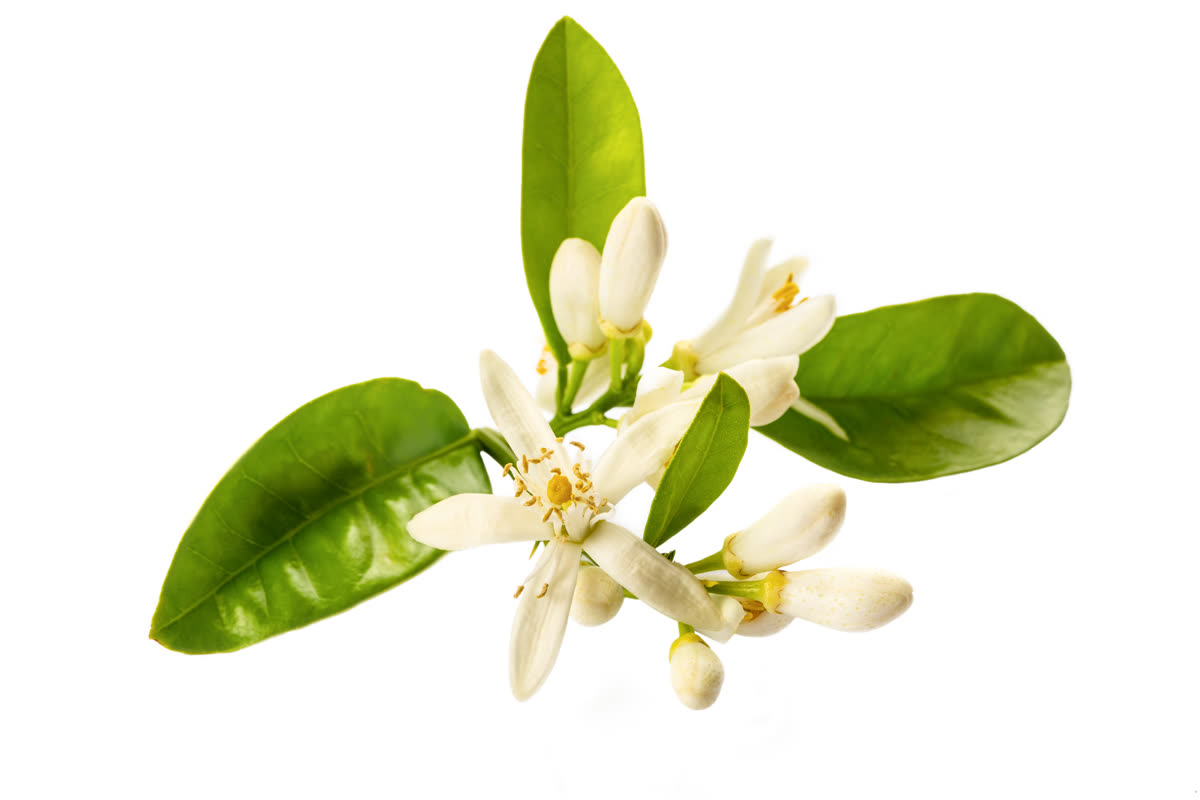
Distilled orange blossom water (ma zhar) from bitter orange (Citrus aurantium) is central to Moroccan hospitality: sprinkled on guests from a silver flask, added to pastries and tea, and patted on skin. Orange blossom (neroli) water is gentle and fragrant, with little hard evidence for specific skin effects beyond pleasant toning.
Rose water comes from Rosa damascena, grown as hedges between fields in the valleys around Kelaat M’Gouna in the Dadès region, which celebrates the harvest with a rose festival each May. Rose water is mildly soothing and astringent and has strong cultural value. Remember that both are hydrosols, mostly water: refrigerate once opened and buy preserved, tested products.
Henna: celebration on the skin
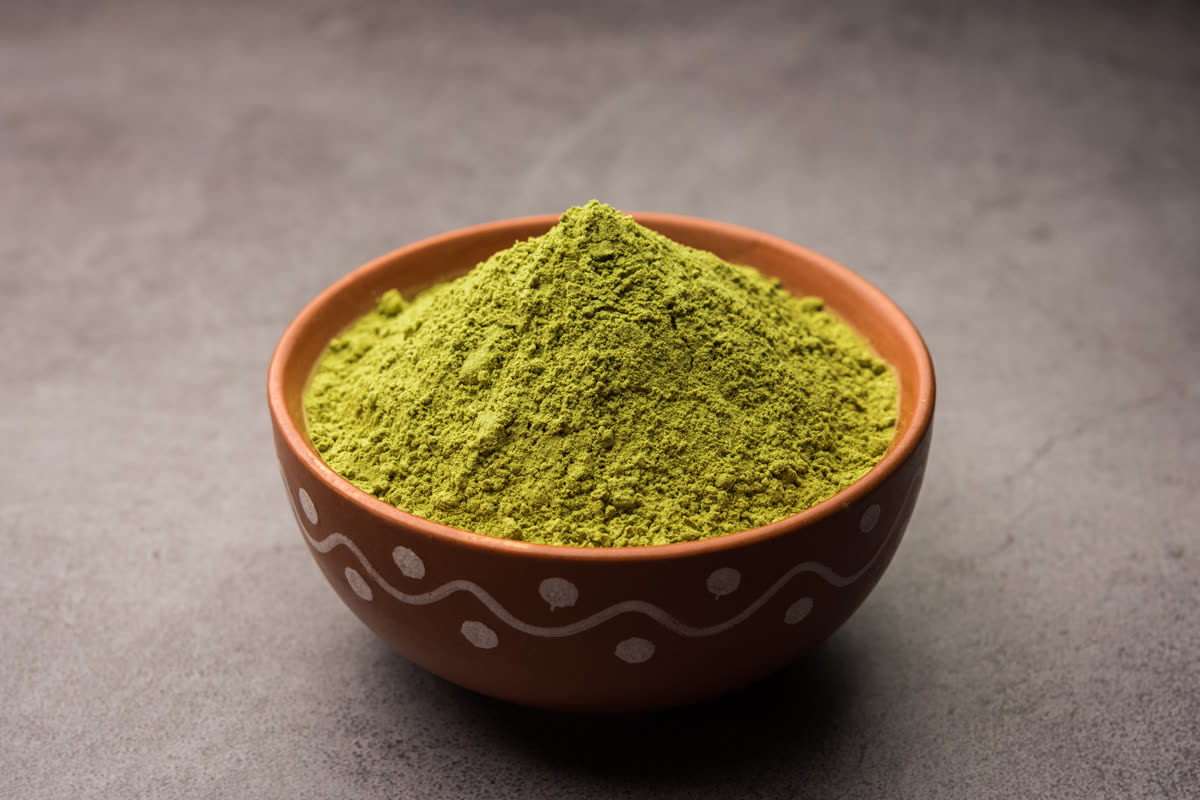
Henna (Lawsonia inermis, l’henna) marks joy: the laylat al-henna, the henna night before a wedding, Eid and births. The naqqasha, a henna artist, paints intricate geometric and floral designs on hands and feet. On hair, henna gives red-copper tones and gloss. The dye molecule, lawsone, binds to keratin, developing from orange to deep reddish-brown over 24–48 hours.
Pure henna rarely causes allergy. The danger is so-called “black henna”, which is usually adulterated with para-phenylenediamine (PPD). It can cause blistering reactions and lifelong sensitization to PPD and related hair dyes. Never use henna that stains black within minutes. Henna is also not advised for babies and young children, as it can cause hemolysis in those with G6PD deficiency. See Pure Henna Hair Color.
Kohl: a beautiful tradition, a real lead risk
Kohl has lined eyes across North Africa, the Middle East and South Asia for millennia, for beauty, protection from sun glare and, in some families, as a blessing applied to infants. Traditional kohl was often made from galena (lead sulfide), and laboratory analyses of traditional kohl products have repeatedly found high lead levels.
Lead is toxic at any level, and children are most vulnerable: exposure is linked to reduced IQ, behavior problems and anemia. Kohl is not an approved color additive in the US, and lead compounds are prohibited in EU cosmetics. Avoid traditional or unlabeled kohl, and never apply kohl to babies or children. Choose eyeliners sold under EU, UK or US cosmetic rules. If a child has used traditional kohl, ask a doctor about a blood lead test.
What science says, step by step
| Step | What it does | Evidence and cautions |
|---|---|---|
| Steam and heat | Hydrates and softens the outer skin; relaxing | Pores do not “open”; avoid intense heat in pregnancy, with heart disease or low blood pressure, and drink water |
| Beldi soap | Alkaline soap cleans and loosens dead cells | Can disturb skin pH and barrier; short contact, rinse well |
| Kessa | Mechanical exfoliation | Smoother skin; risk of over-exfoliation and irritation |
| Rhassoul | Adsorbs oil and residue | Mostly lab data; buy tested clay |
| Argan oil | Emollient, barrier support | Small human trials; well tolerated |
| Flower waters | Fragrance, light toning | Must be preserved or refrigerated |
| Henna | Stains keratin of skin and hair | Pure henna is low-risk; never “black henna” |
Recreate the ritual at home with Moroccan Hammam Ritual at Home.
Frequently asked questions
How often should I do a hammam scrub?
What is the difference between rhassoul and other clays?
Is kohl safe?
Is black henna safe for tattoos?
Keep reading
 Ritual · BeginnerMoroccan Hammam Ritual at HomeBeldi black soap, the kessa glove, rhassoul clay, orange blossom water and argan oil: the traditional Moroccan hammam sequence, adapted safely for home.
 No. 040
Rhassoul ClayStevensite-rich magnesian claySilky Moroccan clay that cleanses without a single bubble, leaving skin fresh and matte and curls soft and defined.
 No. 027
Argan OilArgania spinosa (L.) SkeelsGolden, silky and quick to sink in, Moroccan argan oil is the easy everyday oil for soft skin and smoother, shinier ends.
 No. 022
HennaLawsonia inermisPure henna paints hair in glowing copper and red, a slow, ancient ritual of color and shine.
 No. 026
Orange Blossom (Neroli)Citrus × aurantiumA mist of orange flower water brings the scent of a Seville courtyard in spring to your skin, softly, in one breath.