Ritual · Make it at home
Moroccan Hammam Ritual at Home
Beldi black soap, the kessa glove, rhassoul clay, orange blossom water and argan oil: the traditional Moroccan hammam sequence, adapted safely for home.
- Time
- 60–90 min
- Level
- Beginner
- Makes
- 100 g
- Type
- Fresh · single use
- Keeps
- One session — discard mixed clay paste; unopened soap, clay and oil keep separately
What you need
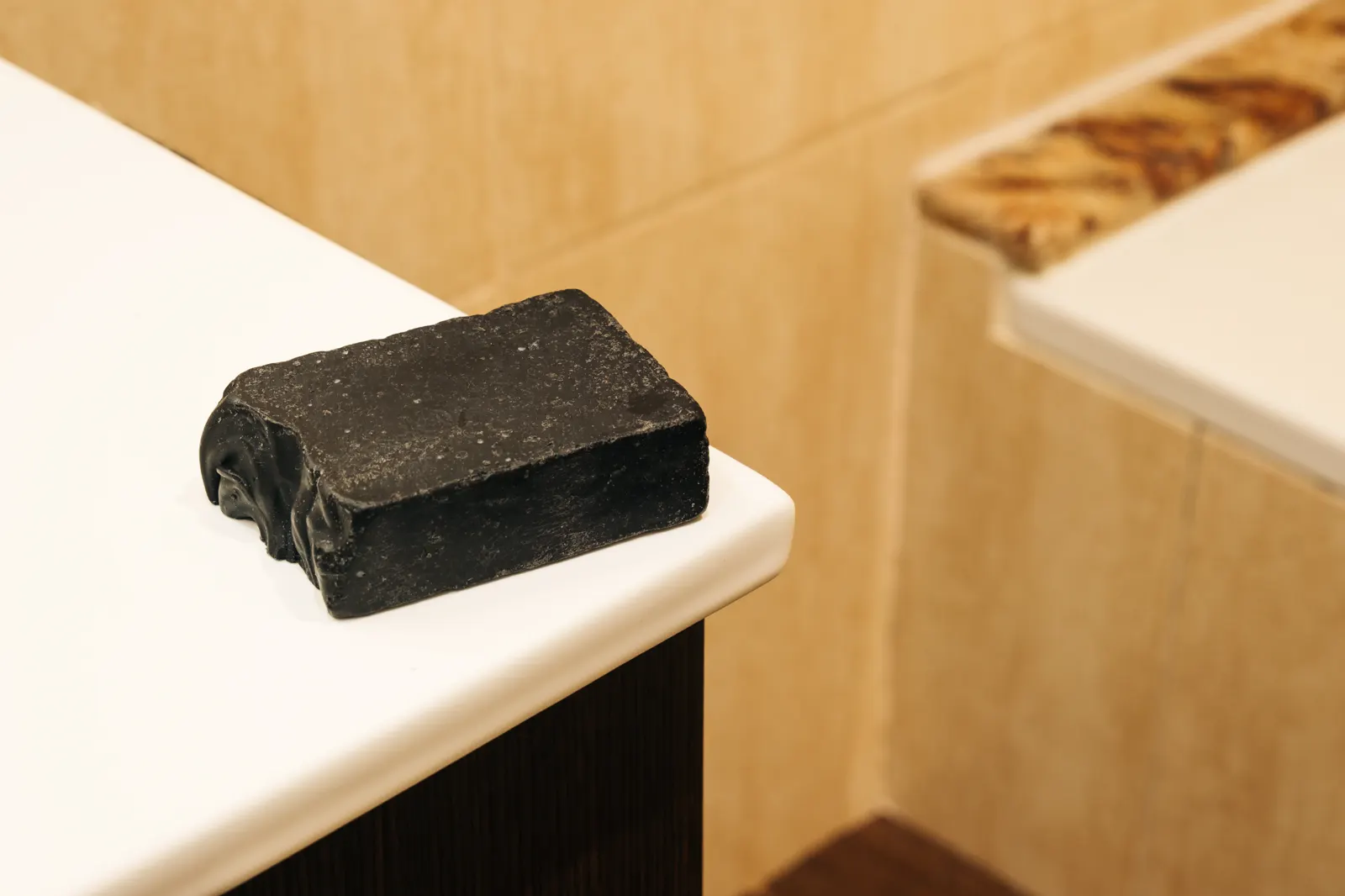
- Beldi black soap
- Rhassoul clay
- Orange blossom water
- Argan oil
- Rose water
Formula
| Phase | Ingredient | % | Grams |
|---|---|---|---|
| A | Beldi black soap (savon noir: olive oil and olives saponified with potassium hydroxide)About 25 g for the body; some versions contain eucalyptus | 25 | 25.00 |
| A | Rhassoul clay | 20 | 20.00 |
| A | Orange blossom water (hydrosol)To mix the clay | 35 | 35.00 |
| A | Argan oil (cosmetic, unroasted)For the finishing massage | 10 | 10.00 |
| A | Rose water (Rosa damascena hydrosol)Final face and body mist | 10 | 10.00 |
| Total | 100.0 | 100.00 |
Weigh everything on a 0.01 g scale; volume measures are not accurate enough for actives or preservatives. Open in the formula & cost calculator.
Equipment
- Kessa glove (traditional coarse exfoliating mitt)
- Ceramic or wooden bowl and wooden spatula
- Small jug or bowl for rinsing
- Two large towels
- Non-slip bath mat
- Glass of water or mint tea
Method
- Prepare the clay: in a non-metal bowl, mix 20 g rhassoul with 35 g orange blossom water into a smooth paste and let it swell while you steam.
- Steam: run a hot shower with the door closed (or take a bath) and stay in the warm, steamy room for 10–15 minutes until your skin softens. Warm, not scalding; sip water.
- Black soap: on wet skin, smooth a thin layer of beldi soap over the body, avoiding the eyes, intimate areas and — if sensitive — the face. Leave 5–10 minutes in the steam, then rinse thoroughly.
- Kessa: on wet, soap-free skin, scrub with the kessa glove using firm, long strokes, two or three passes per area. Gray rolls of dead skin are normal. Stop on any area that turns pink or sore, and skip the face, neck and any broken, sunburned, freshly shaved or waxed skin.
- Rinse, then apply the rhassoul paste to the body (and hair if you wish). Leave 5–10 minutes in the warm room and rinse before it dries.
- Finish: pat the skin almost dry, massage in argan oil (5–10 g is plenty for the body) and mist with rose water.
- Rest: wrap up warmly, lie down and drink water or mint tea. Skip sun, saunas, retinoids, acids and fragranced products for the rest of the day.
- Rinse the kessa, let it dry fully and discard leftover clay. Repeat no more than once a week (every 2 weeks for dry or sensitive skin).
Why it works
Beldi soap is an alkaline potassium soap that softens the outermost layer of dead cells so the olive oil-rich lather and the kessa can lift them away. Rhassoul clay then cleanses by adsorption rather than detergents, argan oil replenishes lipids, and orange blossom (neroli) and Damask rose waters refresh and scent the skin. The evidence is tradition and mechanism rather than clinical trials (Moroccan Beauty Rituals: Hammam, Rhassoul & Argan).
Safety notes
- Patch test the black soap and clay first (How to Patch Test). Black soap is alkaline (often around pH 9–10) and can sting eyes and irritate sensitive skin.
- Do not over-exfoliate: once a week at most. Skip the kessa on broken, sunburned, freshly shaved or waxed skin and during eczema, psoriasis, rosacea or acne flares.
- Do not exfoliate while using topical retinoids or acids or soon after peels or laser, and avoid the kessa for 6 months after isotretinoin — skin is fragile and easily injured.
- Heat and steam: keep it to 15–20 minutes and skip or shorten it if you are pregnant, have heart disease or blood pressure problems, or feel faint.
- Diabetes, poor circulation, thin skin or blood thinners: exfoliate very gently, if at all, as bruising and skin tears are more likely.
- Use your own kessa and wash it after every use; shared gloves can spread infection. Clay and oil make the floor slippery.
Read DIY safety & preservation before making water-based products.
Variations
- Face: skip the black soap and kessa on the face and use the Moroccan Rhassoul & Orange Blossom Mask instead.
- Hair: apply rhassoul paste to the scalp, rinse, then smooth a few drops of argan oil through the ends.
- Eucalyptus black soap: a popular hammam variant for the steam; choose unscented if your skin is reactive.
Featured ingredients
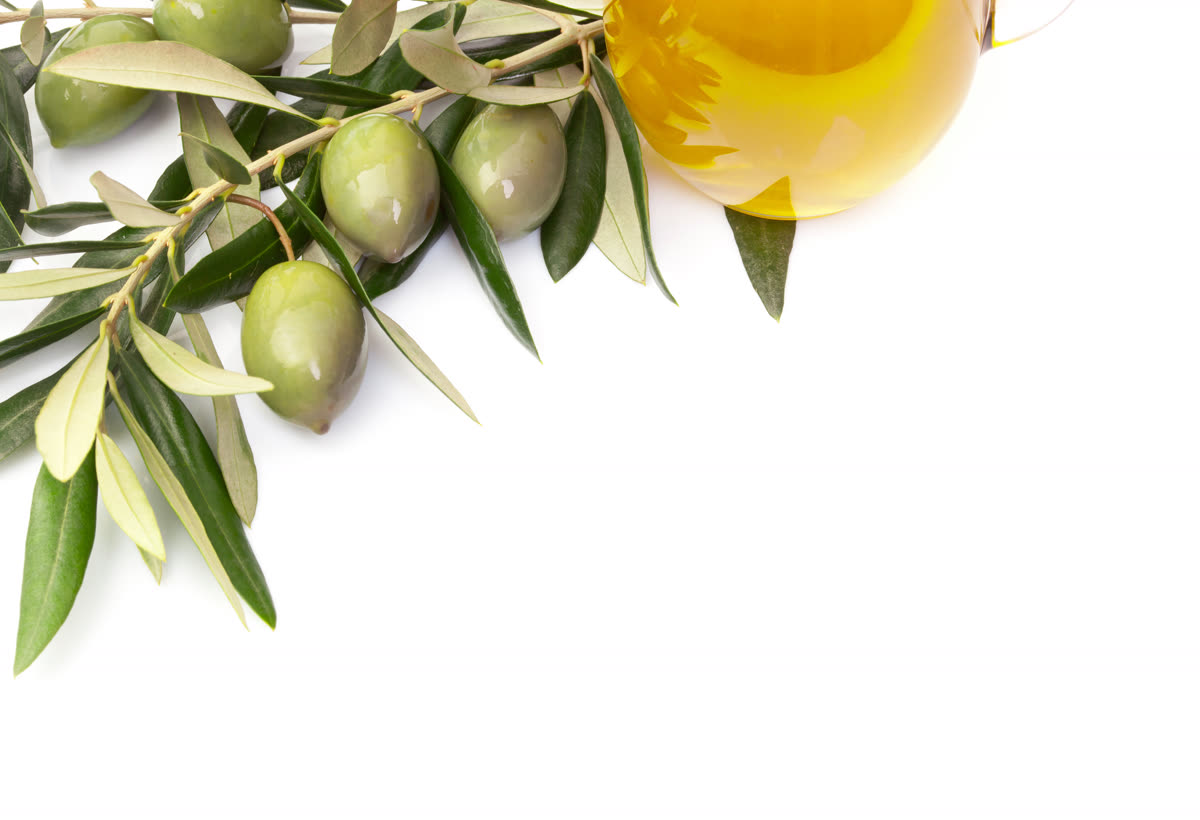 No. 032
Olive OilOlea europaea L.Liquid gold of the Mediterranean: the heart of hammam black soap and a rich, comforting oil for dry elbows, knees and feet.
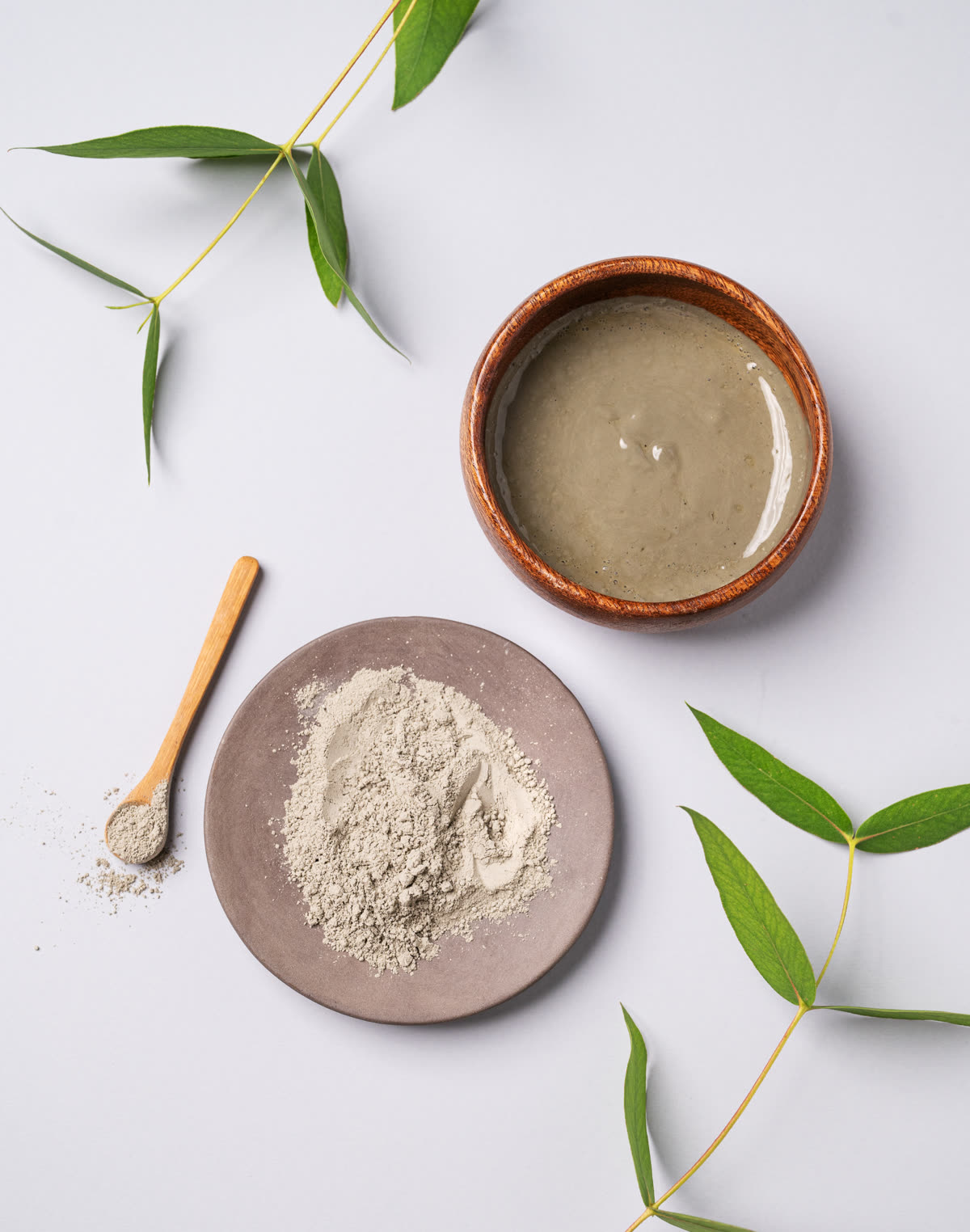 No. 040
Rhassoul ClayStevensite-rich magnesian claySilky Moroccan clay that cleanses without a single bubble, leaving skin fresh and matte and curls soft and defined.
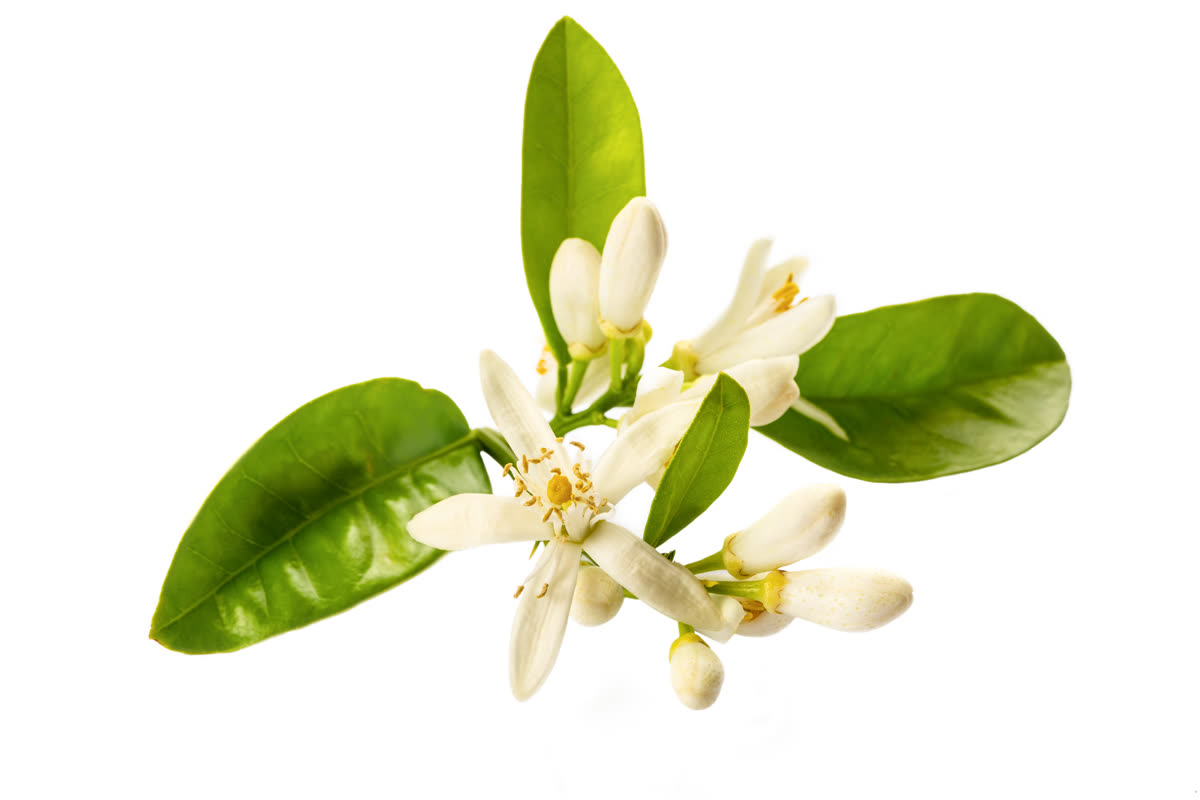 No. 026
Orange Blossom (Neroli)Citrus × aurantiumA mist of orange flower water brings the scent of a Seville courtyard in spring to your skin, softly, in one breath.
 No. 027
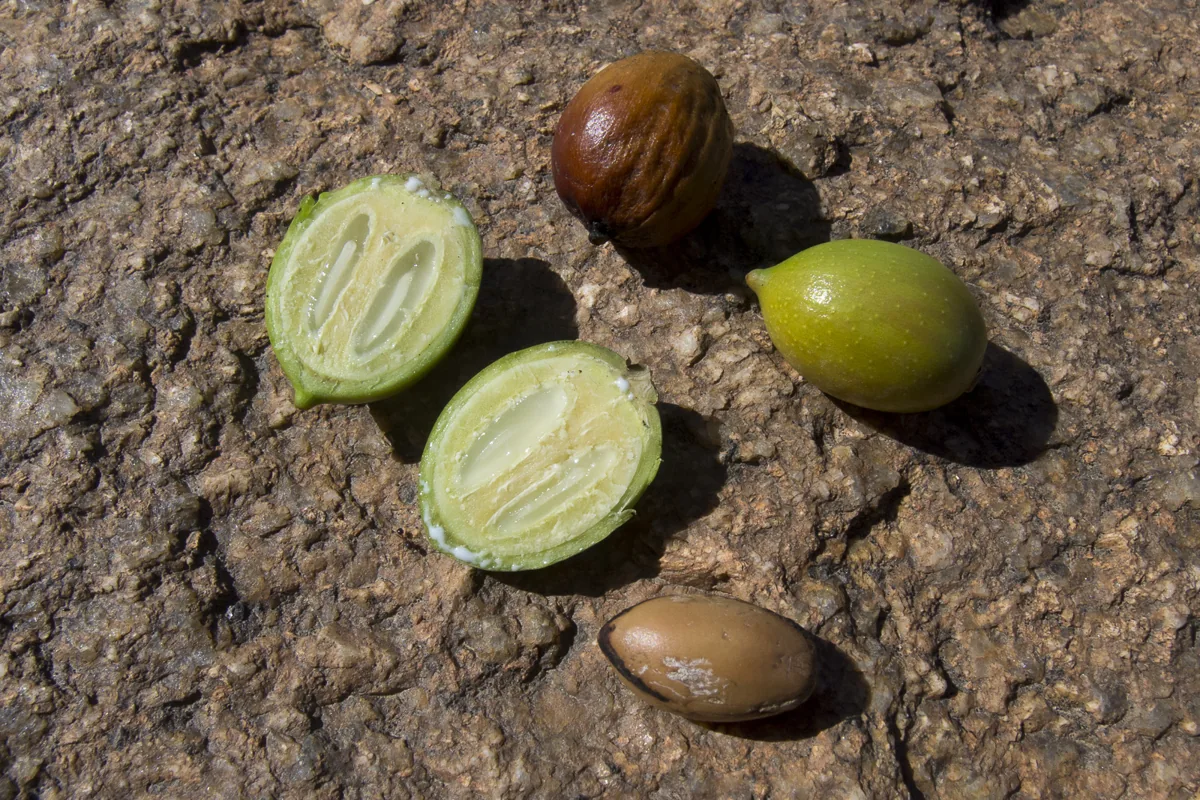
Argan OilArgania spinosa (L.) SkeelsGolden, silky and quick to sink in, Moroccan argan oil is the easy everyday oil for soft skin and smoother, shinier ends.
 No. 012
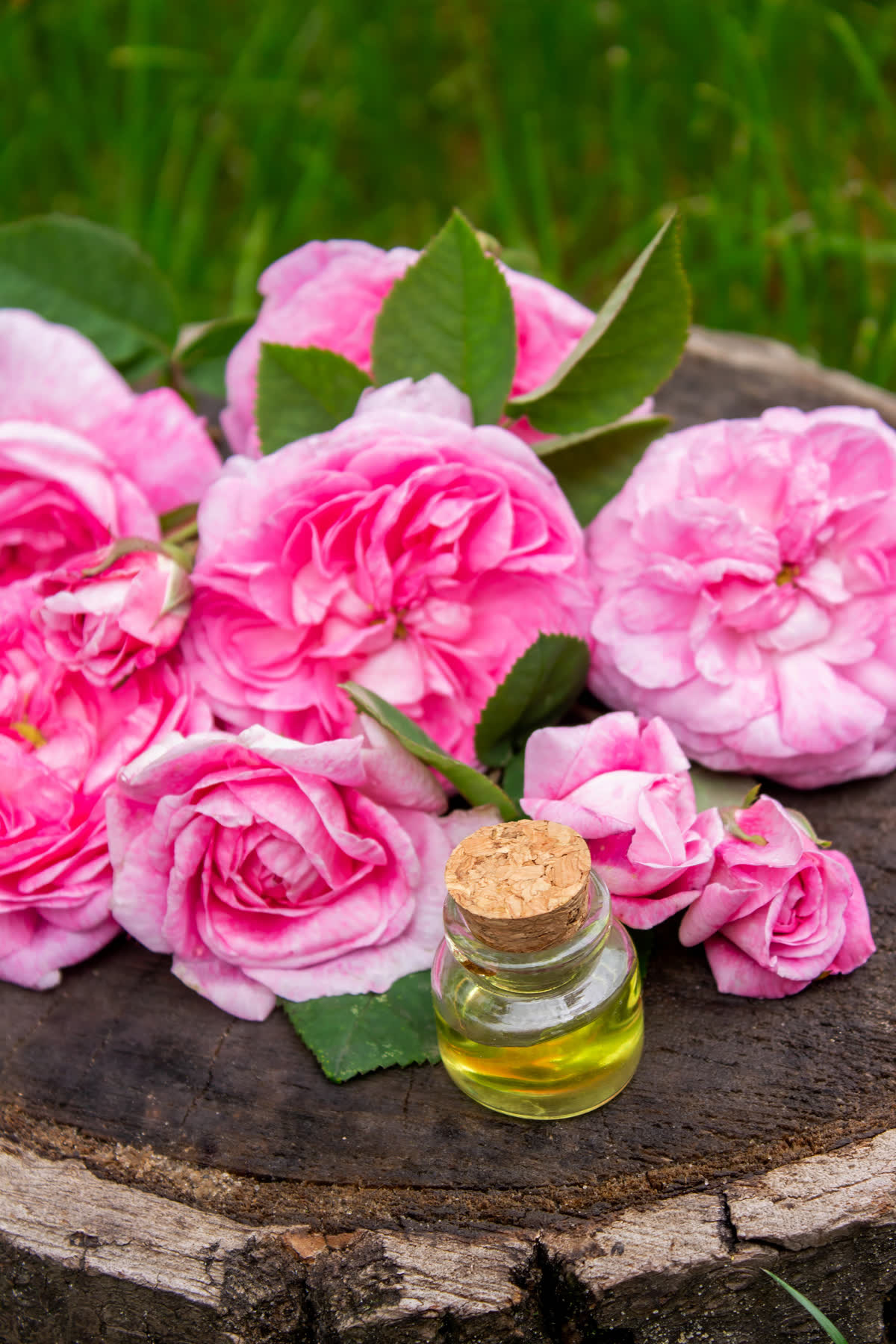
Damask RoseRosa × damascenaA splash of rose water is pure romance: soft, fragrant, and cherished in hammams and gardens for centuries.
Formulator
Selling what you make? Get the batch record, label template and cost sheet for this formula, plus a regulatory checklist for the EU, UK and US.
See Formulator membership