Does it work?
Jojoba for Acne & Breakouts
What the research says about jojoba for acne & breakouts, how to use it at home and how to stay safe.
The short answer: Strong chemical rationale and lab data, plus small uncontrolled human studies; no well-designed randomized trials of jojoba alone.
Our Acne & Breakouts guide does not rank Jojoba for this use yet, so this is the overall grade for Jojoba.
What it does
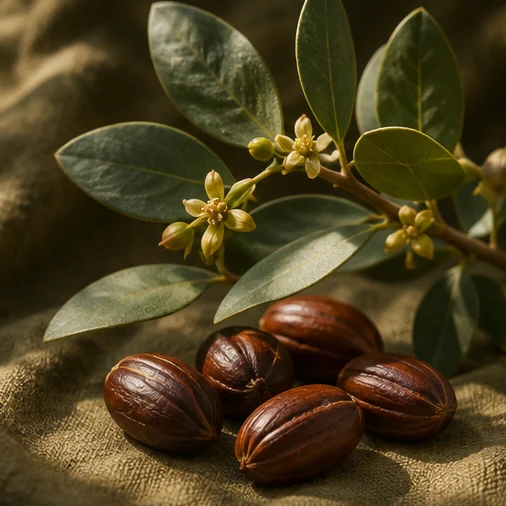
Jojoba “oil” is chemically a liquid wax: about 97% wax esters rather than the triglycerides that make up almost every other plant oil. That makes it exceptionally stable, non-greasy and slow to go rancid, which is why formulators love it. It is a gentle, versatile emollient for most skin types and scalps, although many popular claims — that it “tricks” skin into making less oil, for example — are not proven.
Why people reach for it
- Light, silky emollient. Spreads easily and absorbs with a dry, satin finish, softening skin without the heaviness of butters or richer oils.
- Exceptionally stable. Wax esters resist oxidation far better than triglyceride oils, so jojoba lasts years rather than months and is a good diluent for fragile oils like rosehip oil.
- Friendly to oily and acne-prone skin. Low comedogenic potential and a sebum-like texture make it a sensible oil for oily skin — though it is not an acne treatment in itself.
- Scalp and hair conditioning. Coats the cuticle to add slip and shine without weighing fine hair down; a common carrier for scalp blends.
How to use it
| Form | Typical use | Notes |
|---|---|---|
| Face oil or diluent | 2–4 drops neat; 20–80% of face-oil blends | Pairs well with fragile, linoleic-rich oils to improve stability and feel. |
| Scalp and hair | 20–50% of a scalp oil; a few drops on ends | Use as the carrier in scalp blends such as Rosemary & Pumpkin Seed Scalp Oil; shampoo out after 1–8 hours. |
| Body and massage oil | 20–100% of the oil base | See Lavender Calm Body Oil. Check essential-oil limits with the Essential Oil Dilution Calculator. |
| Emulsions and balms | 2–10% of a formula | Adds a dry, silky skin feel; jojoba esters (hydrogenated) add structure to balms and sticks. |
Recipes with Jojoba
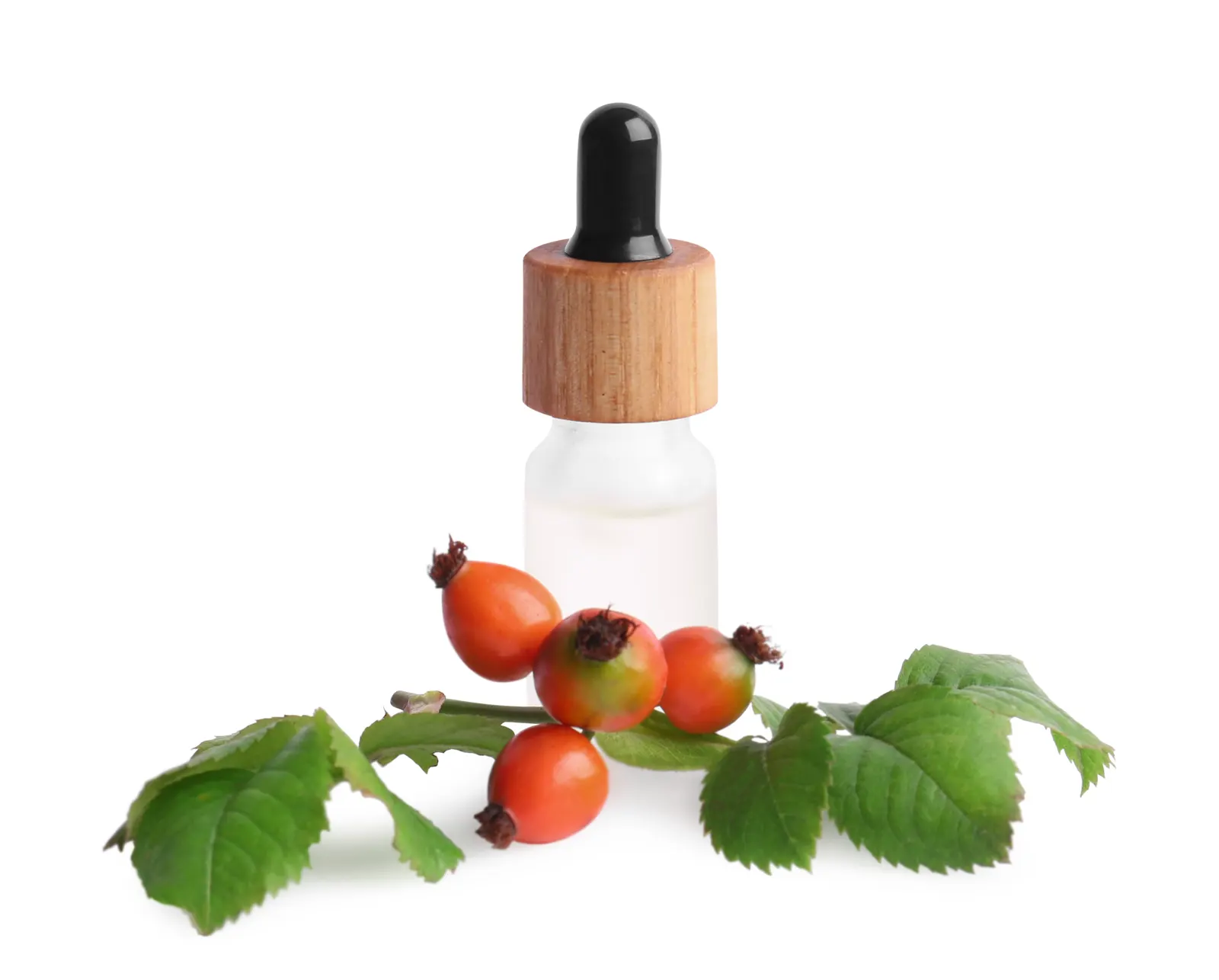 Face oil · BeginnerRosehip & Sea Buckthorn Glow OilA light face oil of rosehip, jojoba and squalane with a touch of sea buckthorn, protected with vitamin E. Three or four drops at night.
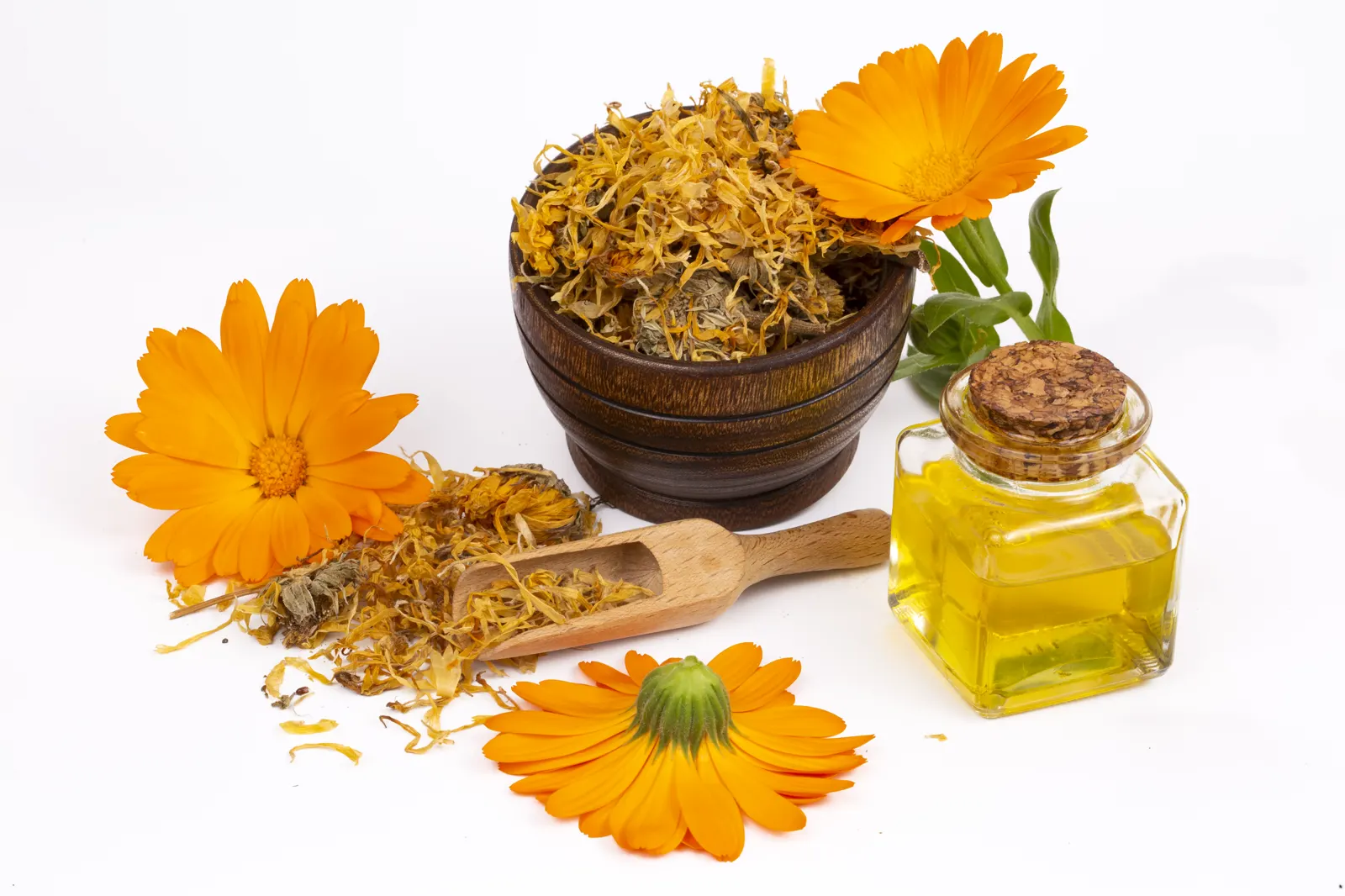 Balm · BeginnerCalendula Comfort BalmA rich, fragrance-free balm of calendula-infused oil, shea and beeswax for chapped hands, dry patches and minor scrapes once they have closed.
Daily rituals with Jojoba
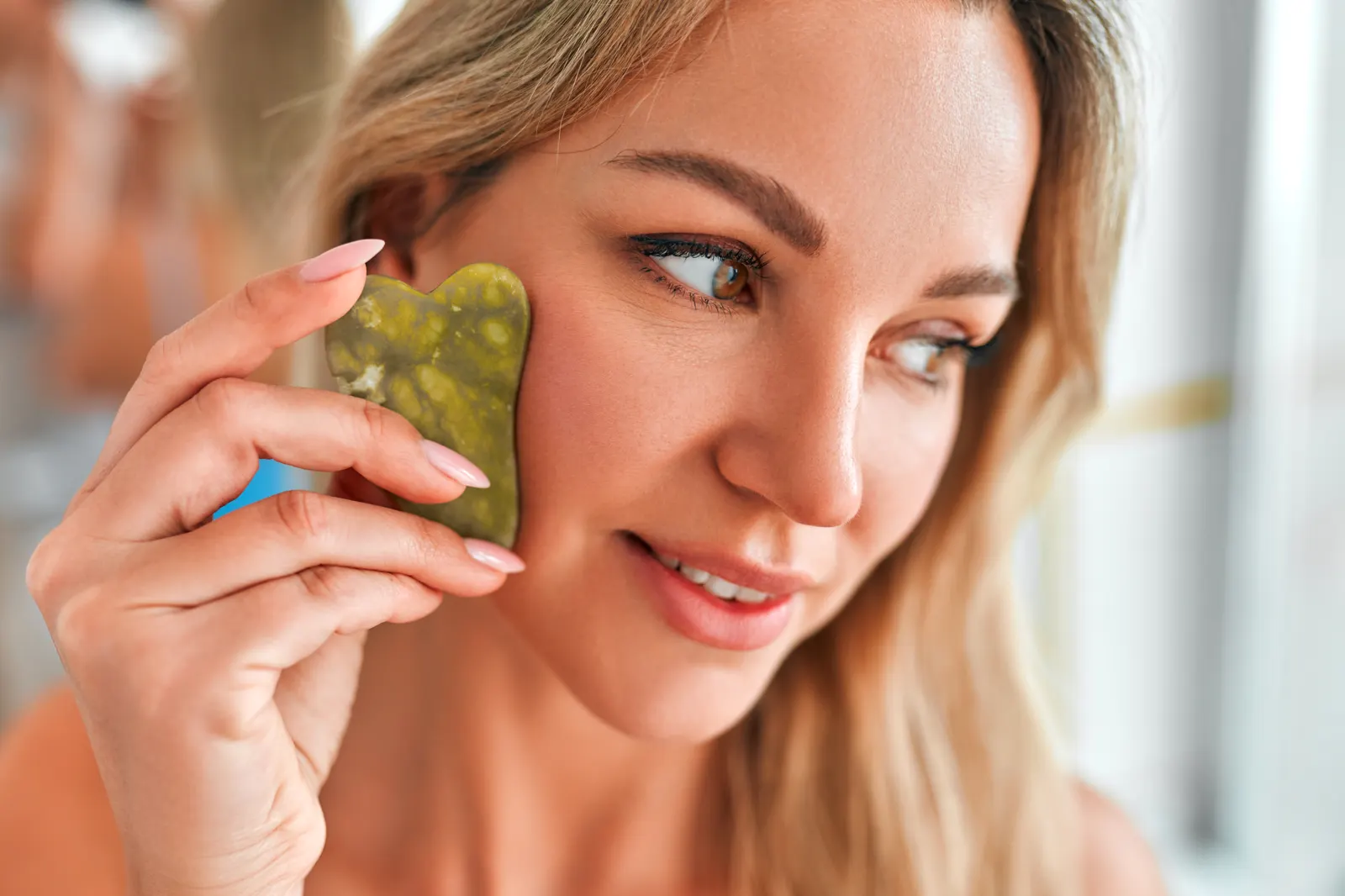 Gua Sha and Facial Massage, HonestlyA five-minute evening facial massage with gua sha or clean hands: what it really does (comfort, temporary de-puffing) and what the lymphatic claims miss.
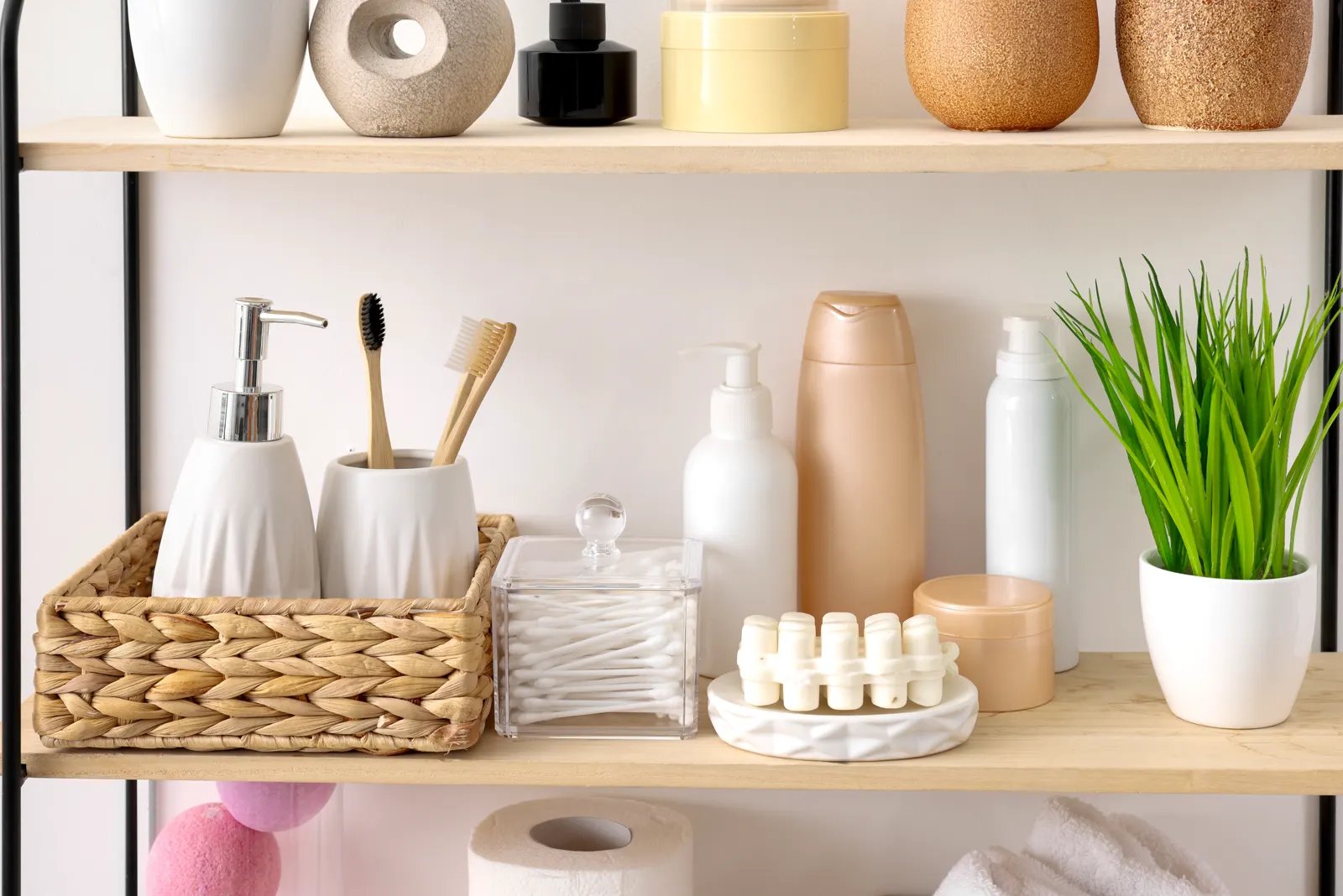 The Slow Sunday Shelf AuditThirty minutes with your bathroom shelf: read the PAO symbols, sniff out rancid oils, and decide what to keep, move to the fridge or throw away.
Use it safely
- Very well tolerated; allergic contact dermatitis is limited to isolated case reports. Patch test anyway if you react easily.
- Not for ingestion: the wax is poorly digested and the seed contains simmondsin, an appetite-suppressing compound.
- Cloudiness or solidifying when cold is normal and reverses at room temperature — it is not spoilage.
Pregnancy and breastfeeding: No known concerns for topical use in pregnancy or breastfeeding.
New to an ingredient? Patch test first.
When to see a doctor
- Deep, painful nodules or cysts, or any acne that is leaving scars (pitted, rolling or raised) — early treatment prevents permanent scarring.
- No meaningful improvement after 2–3 months of consistent over-the-counter treatment.
- Acne with irregular periods, excess facial or body hair, scalp hair thinning or rapid weight gain, which can point to polycystic ovary syndrome or another hormonal cause.
- Sudden, severe, ulcerating acne with fever, joint pain or feeling unwell (acne fulminans) — seek prompt care.
- Acne that started after a new medicine or supplement (e.g. corticosteroids, anabolic steroids, some anticonvulsants).
- Acne affecting your mood, sleep or confidence — this is a valid reason to seek treatment.
Other plants for Acne & Breakouts
| Ingredient | Grade | What the evidence shows |
|---|---|---|
| Tea Tree | B | Several small randomized trials of 5% tea tree oil gel show fewer inflammatory and total lesions than placebo, with slower onset but better tolerability than 5% benzoyl peroxide. |
| Green Tea | B | Small randomized trials of 2–3% green tea extract lotions reduced lesion counts and sebum in mild to moderate acne; effects are modest. |
| Aloe Vera | C | In one randomized trial, aloe gel combined with tretinoin improved results and tolerability versus tretinoin alone — useful as a soothing partner to retinoids. |
| Bakuchiol | C | Small, mostly open-label studies suggest benefit in mild acne, often in combination products; plausible anti-inflammatory and anti-sebum effects. |
| Willow Bark | C | Contains salicin and other salicylates that may gently exfoliate and calm, but it is far weaker than salicylic acid and human data are limited. |
| Honey | C | Antimicrobial in the lab, but a randomized trial of medical-grade kanuka honey added to routine cleansing found no significant extra benefit. |
| Witch Hazel | D | Tannins are astringent and anti-inflammatory in vitro; there are no meaningful acne trials, and alcohol-based distillates can irritate. |
| Rhassoul Clay | D | Absorbs surface oil temporarily for a matte finish; no evidence it treats acne lesions. |