Does it work?
Jojoba for Dry & Dehydrated Skin
What the research says about jojoba for dry & dehydrated skin, how to use it at home and how to stay safe.
The short answer: A liquid wax ester that resembles skin’s own wax esters; small studies support barrier repair and softness.
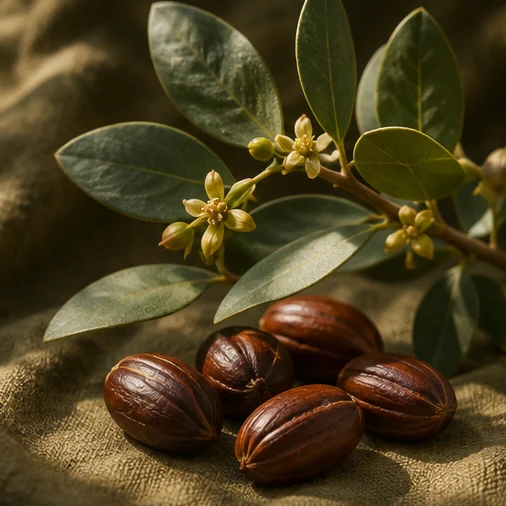
What it does
Jojoba “oil” is chemically a liquid wax: about 97% wax esters rather than the triglycerides that make up almost every other plant oil. That makes it exceptionally stable, non-greasy and slow to go rancid, which is why formulators love it. It is a gentle, versatile emollient for most skin types and scalps, although many popular claims — that it “tricks” skin into making less oil, for example — are not proven.
Why people reach for it
- Light, silky emollient. Spreads easily and absorbs with a dry, satin finish, softening skin without the heaviness of butters or richer oils.
- Exceptionally stable. Wax esters resist oxidation far better than triglyceride oils, so jojoba lasts years rather than months and is a good diluent for fragile oils like rosehip oil.
- Friendly to oily and acne-prone skin. Low comedogenic potential and a sebum-like texture make it a sensible oil for oily skin — though it is not an acne treatment in itself.
- Scalp and hair conditioning. Coats the cuticle to add slip and shine without weighing fine hair down; a common carrier for scalp blends.
How to use it
| Form | Typical use | Notes |
|---|---|---|
| Face oil or diluent | 2–4 drops neat; 20–80% of face-oil blends | Pairs well with fragile, linoleic-rich oils to improve stability and feel. |
| Scalp and hair | 20–50% of a scalp oil; a few drops on ends | Use as the carrier in scalp blends such as Rosemary & Pumpkin Seed Scalp Oil; shampoo out after 1–8 hours. |
| Body and massage oil | 20–100% of the oil base | See Lavender Calm Body Oil. Check essential-oil limits with the Essential Oil Dilution Calculator. |
| Emulsions and balms | 2–10% of a formula | Adds a dry, silky skin feel; jojoba esters (hydrogenated) add structure to balms and sticks. |
Recipes for Dry & Dehydrated Skin with Jojoba
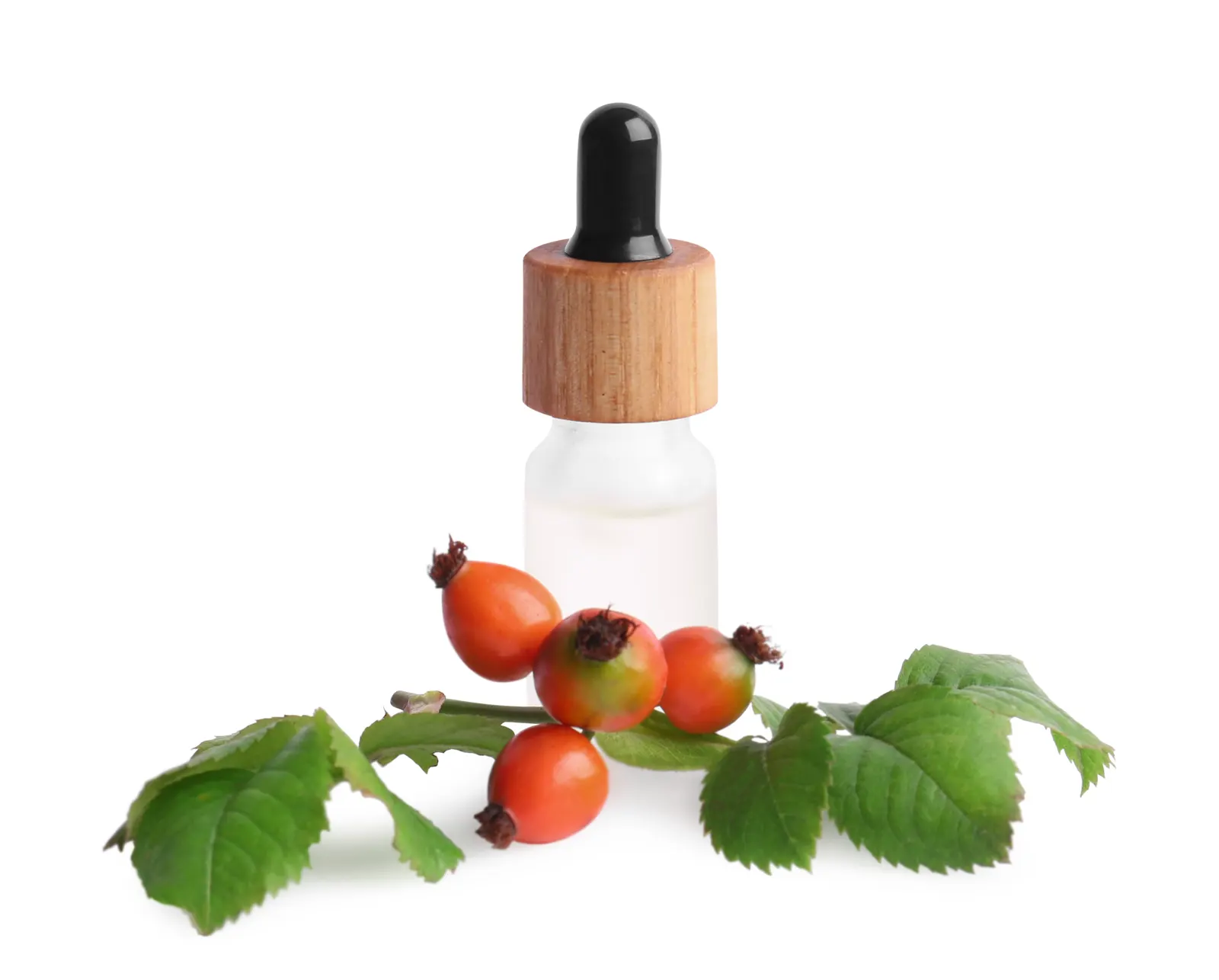 Face oil · BeginnerRosehip & Sea Buckthorn Glow OilA light face oil of rosehip, jojoba and squalane with a touch of sea buckthorn, protected with vitamin E. Three or four drops at night.
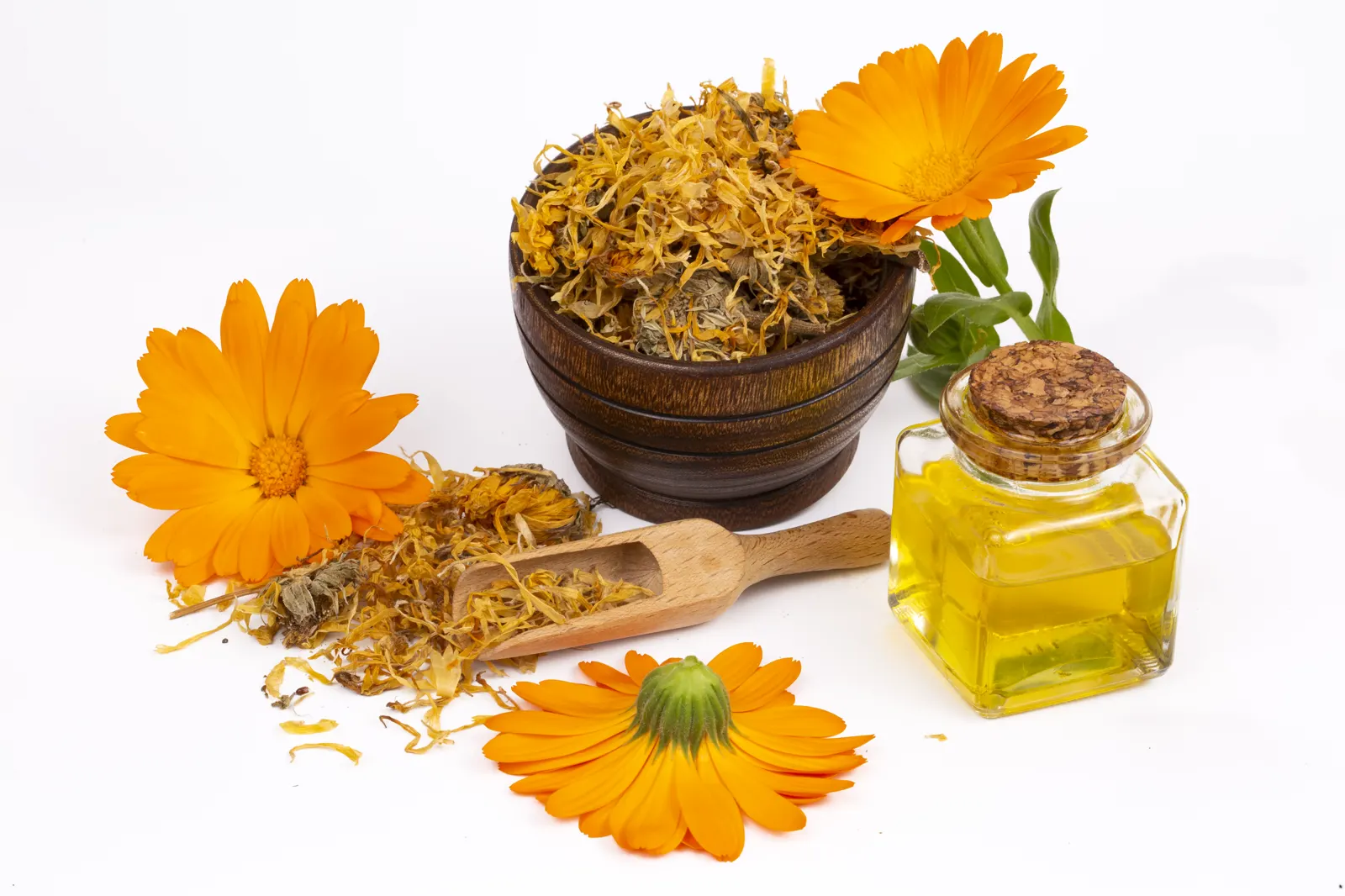 Balm · BeginnerCalendula Comfort BalmA rich, fragrance-free balm of calendula-infused oil, shea and beeswax for chapped hands, dry patches and minor scrapes once they have closed.
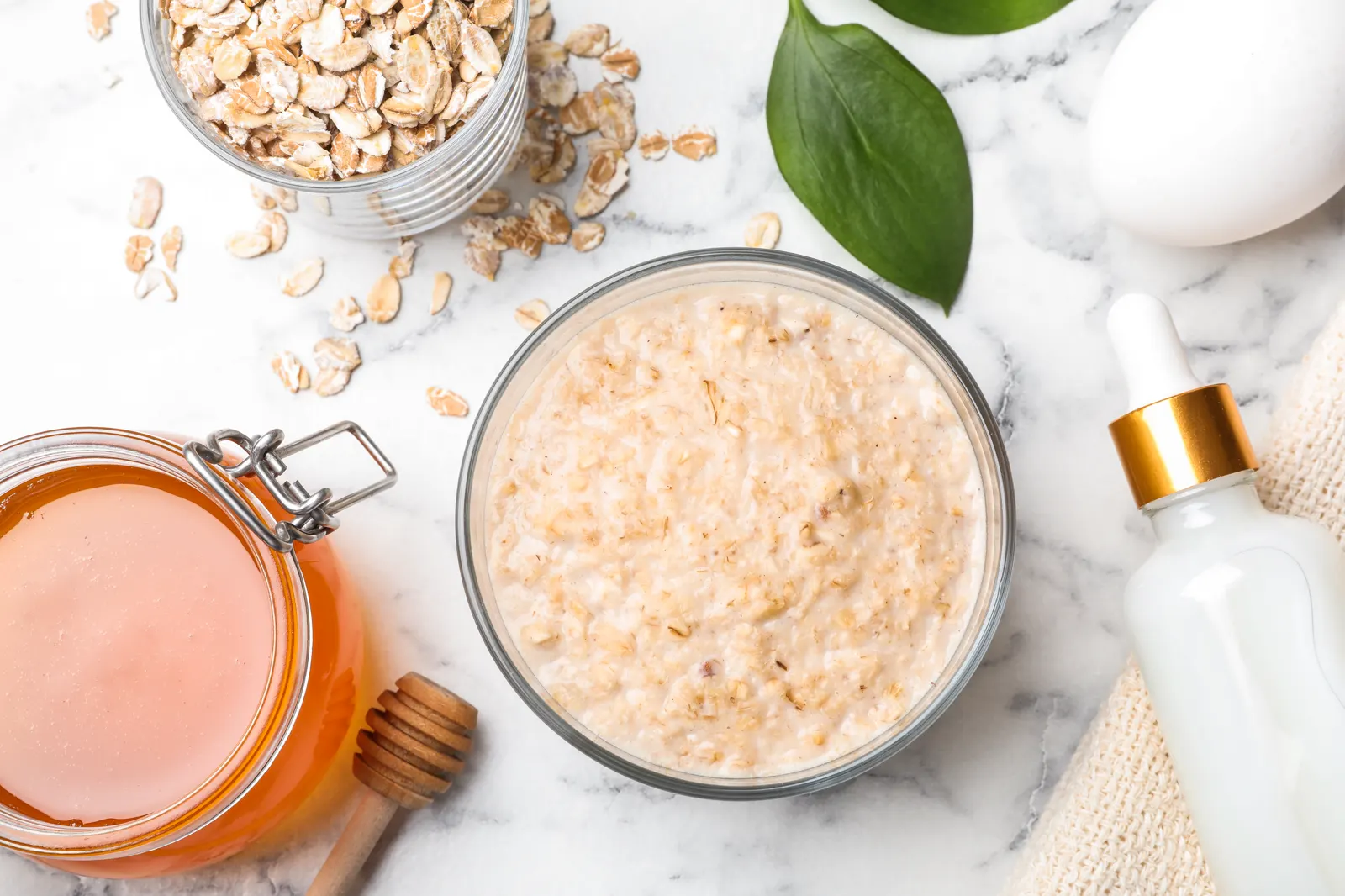 Cleanser · BeginnerHoney & Oat Gentle CleanserA no-foam, single-use cleansing paste of raw honey, colloidal oatmeal, rose water and jojoba for dry or sensitive skin that hates feeling squeaky.
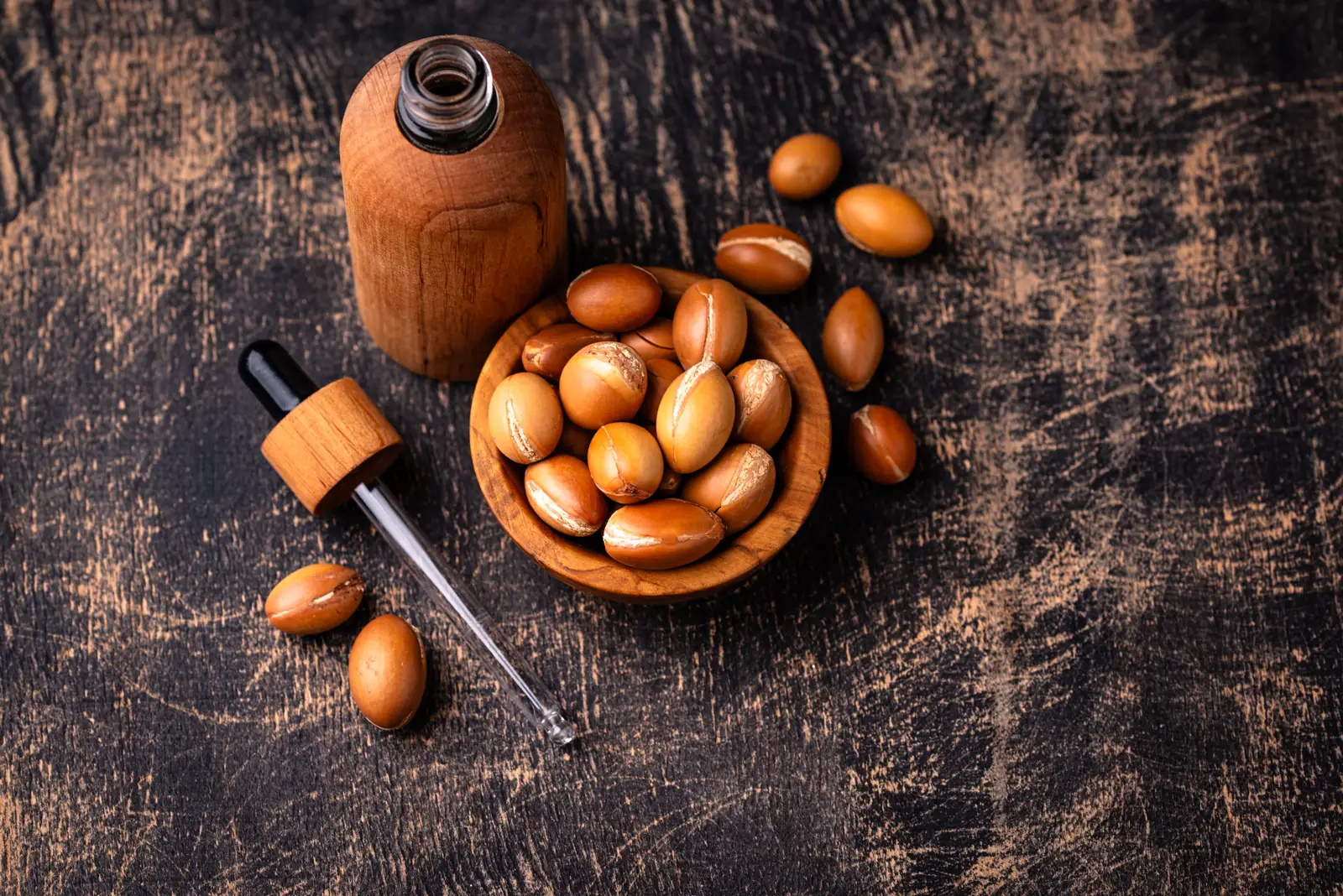 Serum · BeginnerArgan & Prickly Pear Night SerumA Moroccan night oil-serum of argan, prickly pear seed oil and squalane with 1% bakuchiol, a gentle alternative to retinol.
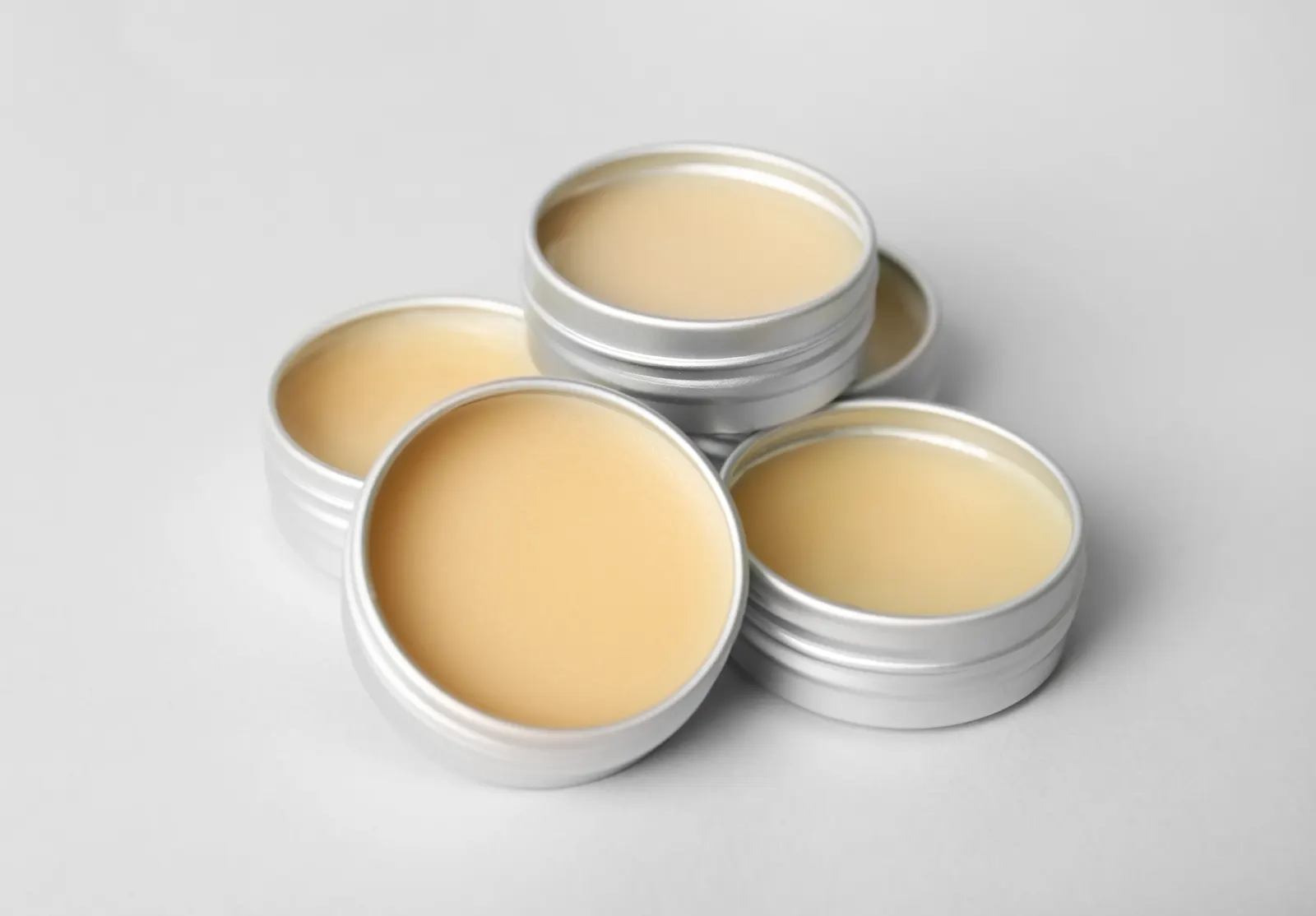 Lip care · BeginnerShea & Calendula Lip BalmA classic fragrance-free beeswax lip balm with shea, castor oil and calendula-infused oil — glossy, protective and easy to make.
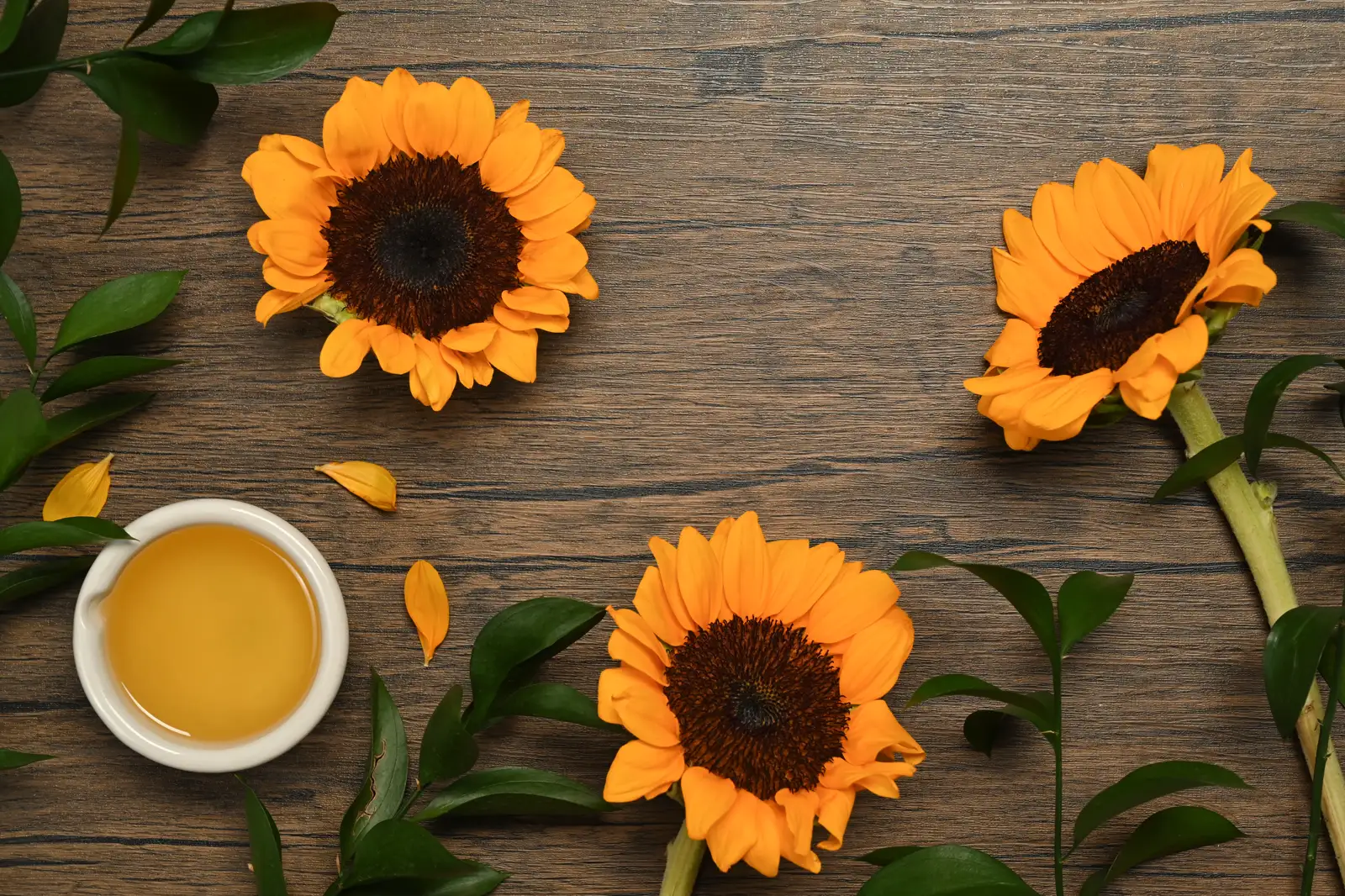 Cleanser · IntermediateSunflower Cleansing BalmA sherbet-textured cleansing balm of sunflower, shea and jojoba with a plant-derived emulsifier that turns milky and rinses clean, sunscreen included.
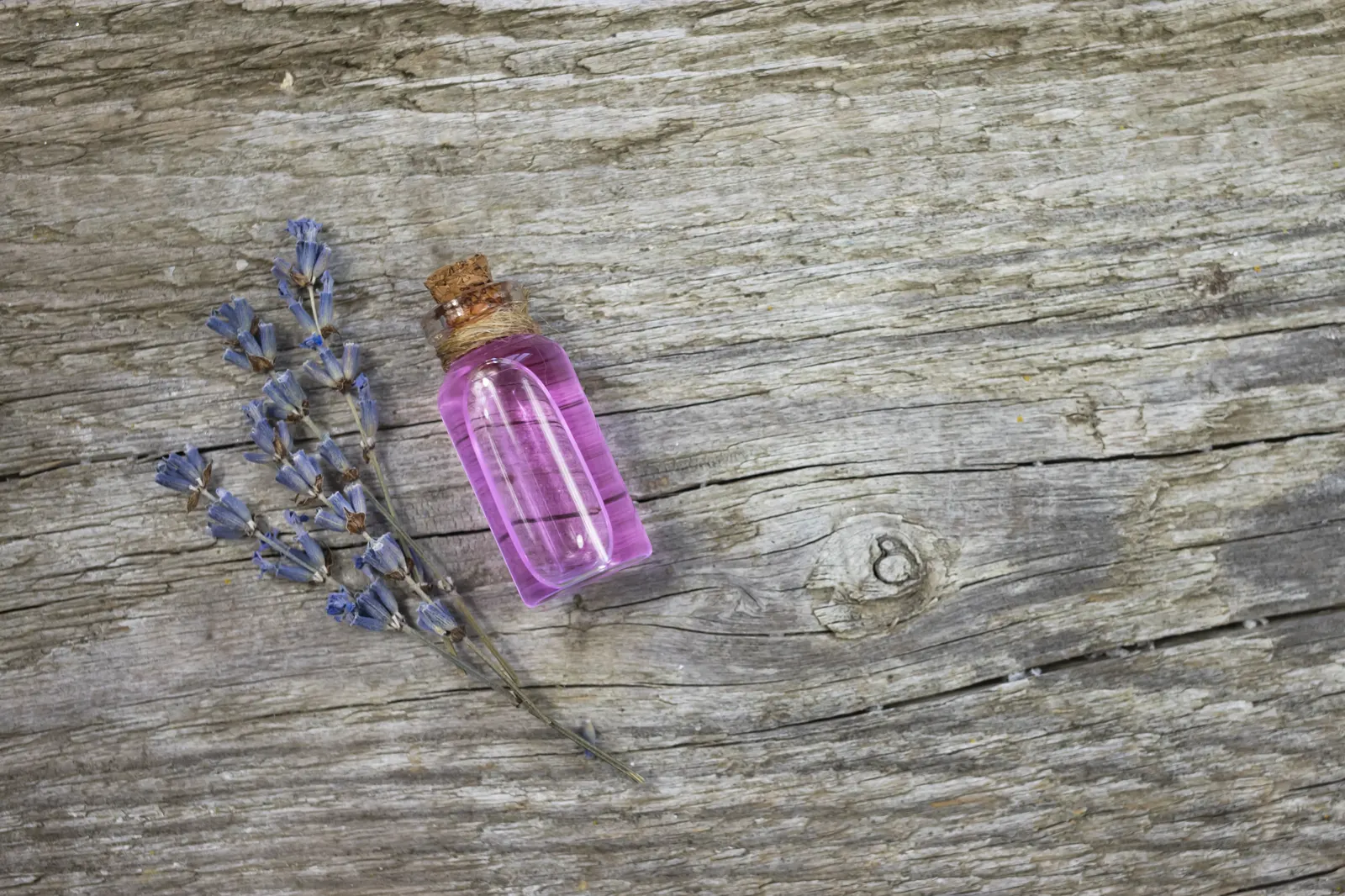 Body care · BeginnerLavender Calm Body OilA silky after-bath body oil of sunflower, apricot kernel and jojoba with 2% true lavender — the maximum we recommend for body use.
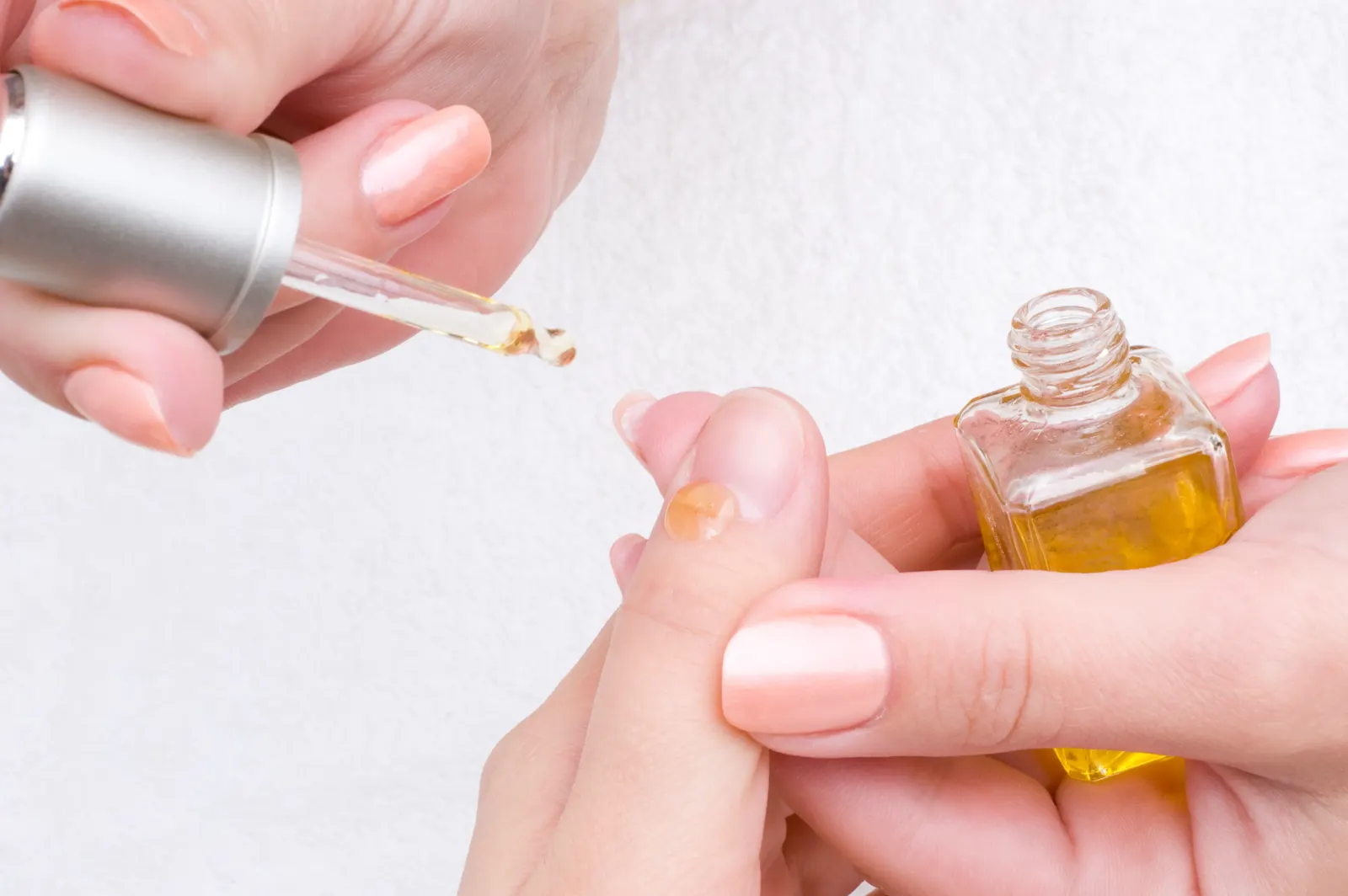 Body care · BeginnerOvernight Cuticle OilA tiny bottle of jojoba, almond, argan and castor oil for ragged cuticles and brittle, peeling nails. One drop per nail before bed.
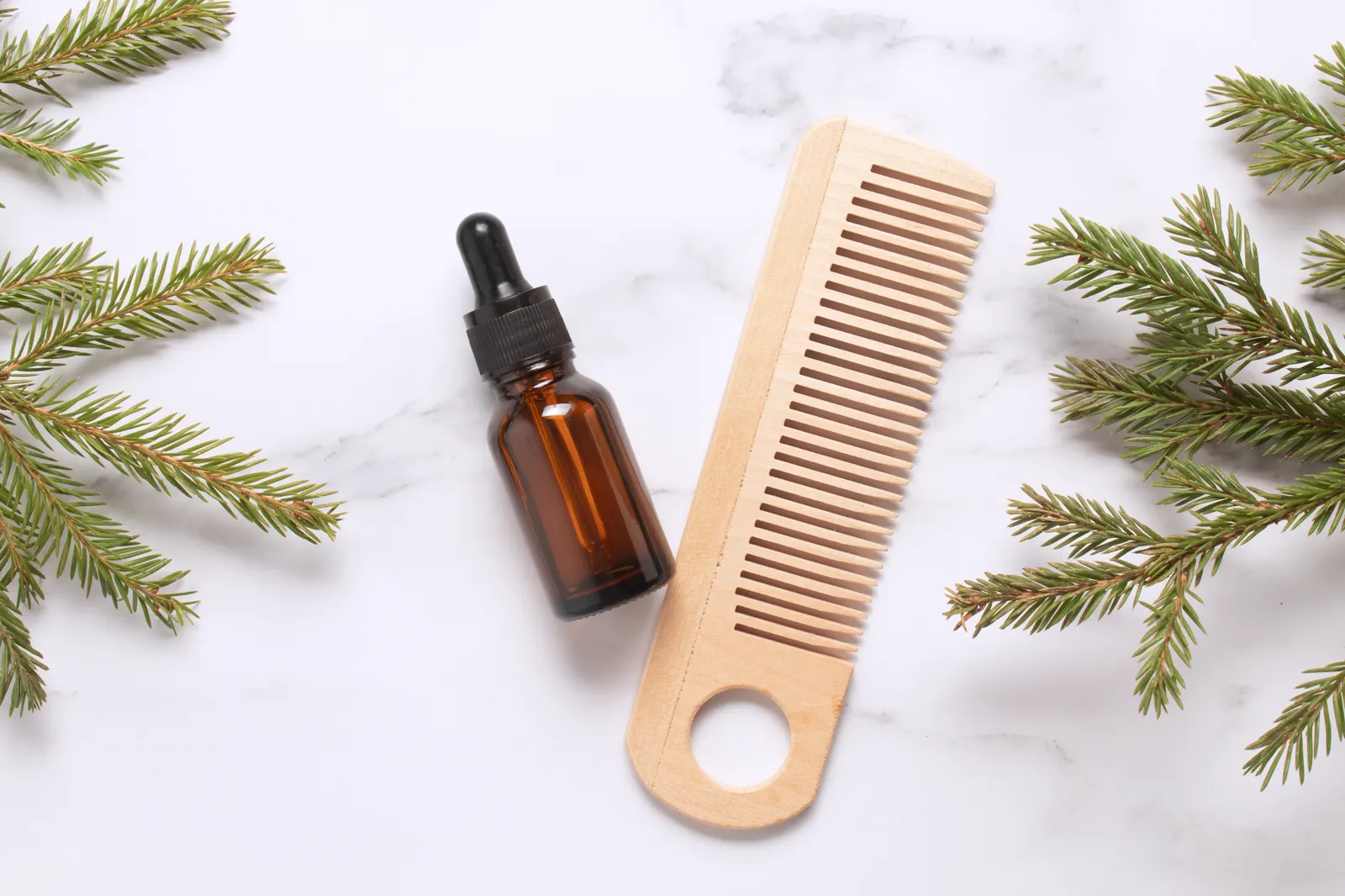 Face oil · BeginnerArgan & Jojoba Beard OilA light, woody beard oil of jojoba, argan and sunflower with a hint of Atlas cedar that softens bristles and calms the itchy skin beneath.
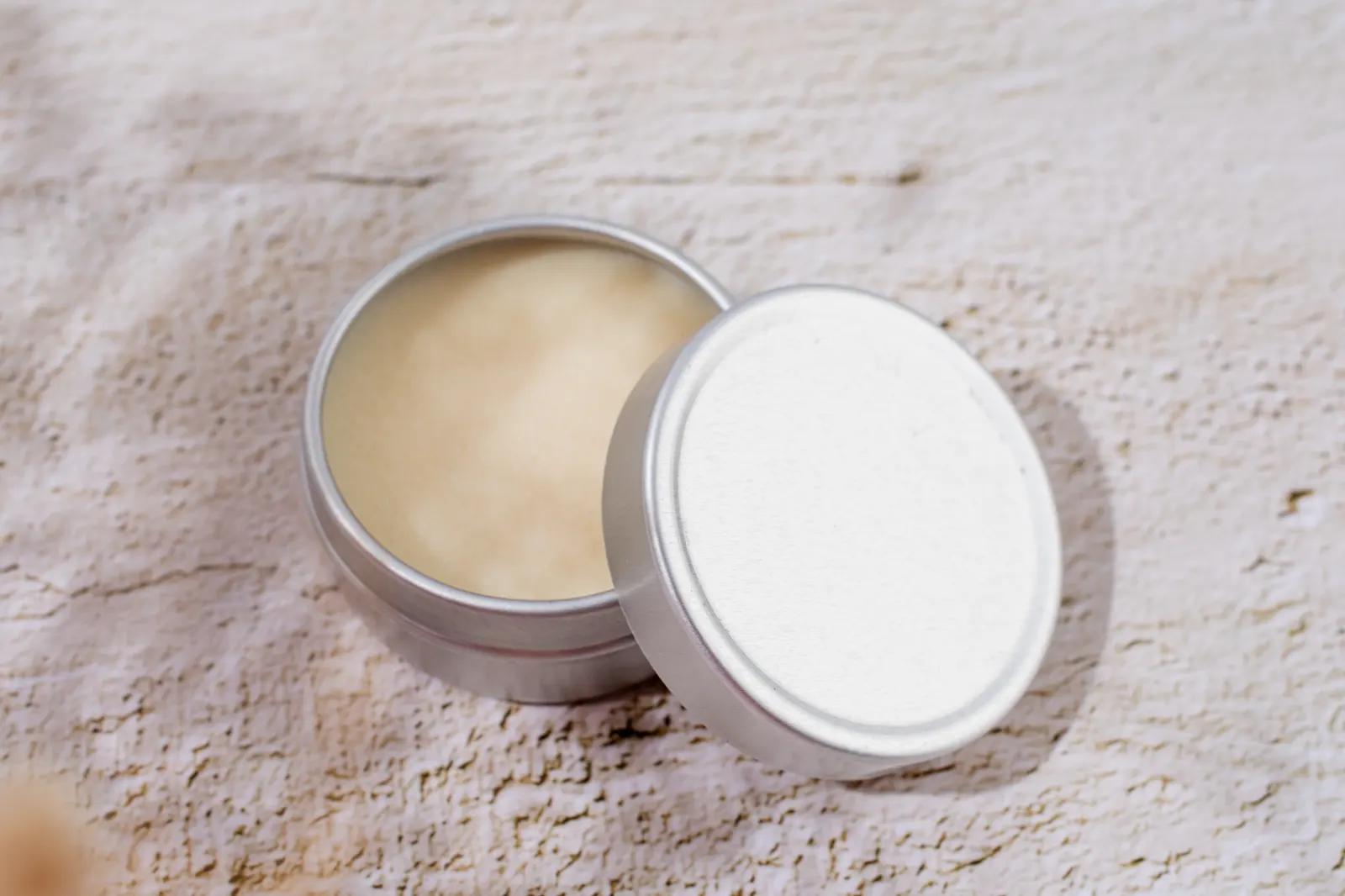 Balm · BeginnerGentle Balm for Dry PatchesAn unscented, fuss-free balm of sunflower oil, mango butter, jojoba and a little colloidal oatmeal for rough, tight patches on elbows, hands and shins.
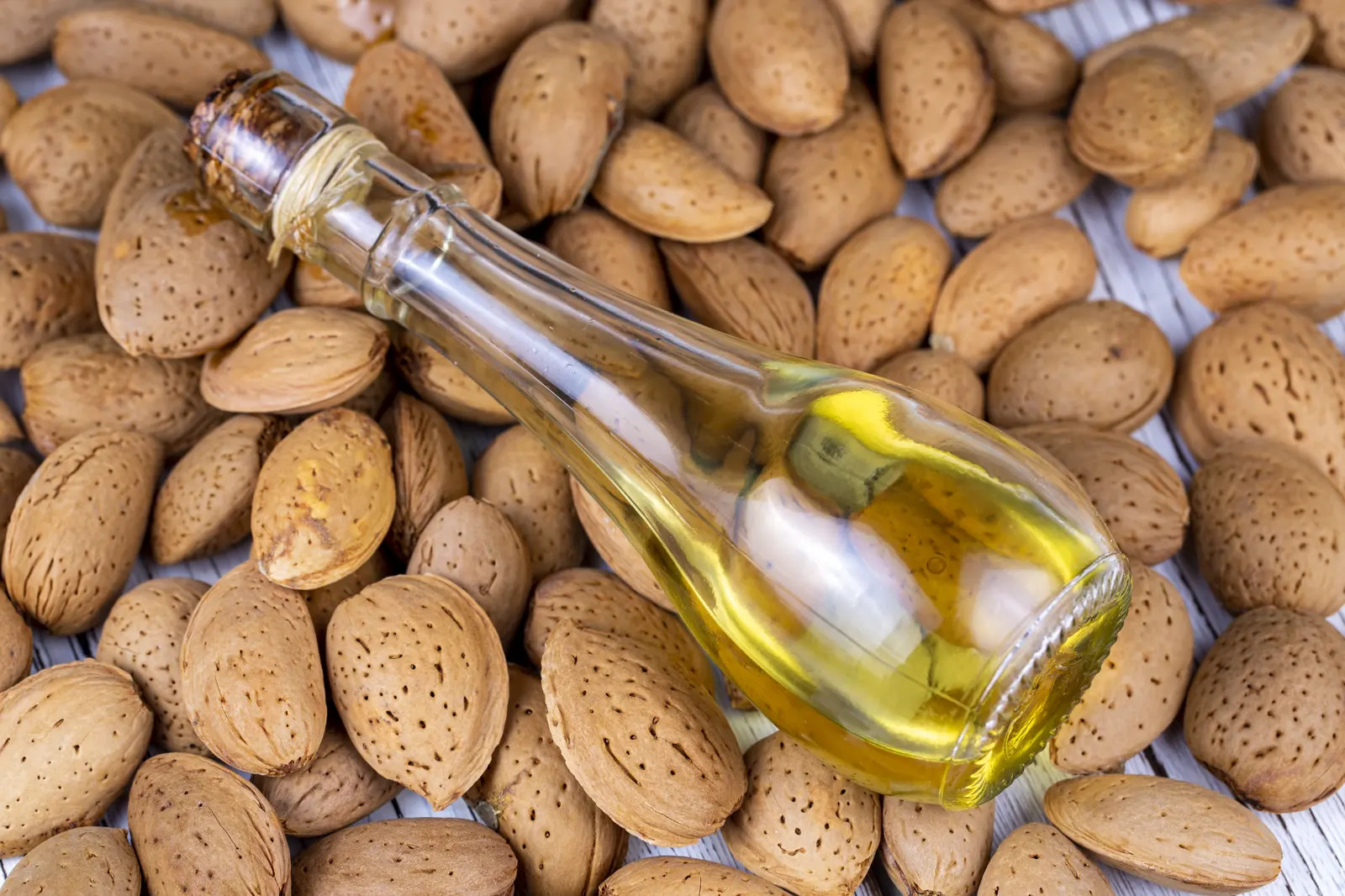 Body care · BeginnerSweet Almond & Vanilla Massage OilA warm, vanilla-infused massage oil of sweet almond and jojoba — silky glide, soft skin and a cozy scent, with no essential oils needed.
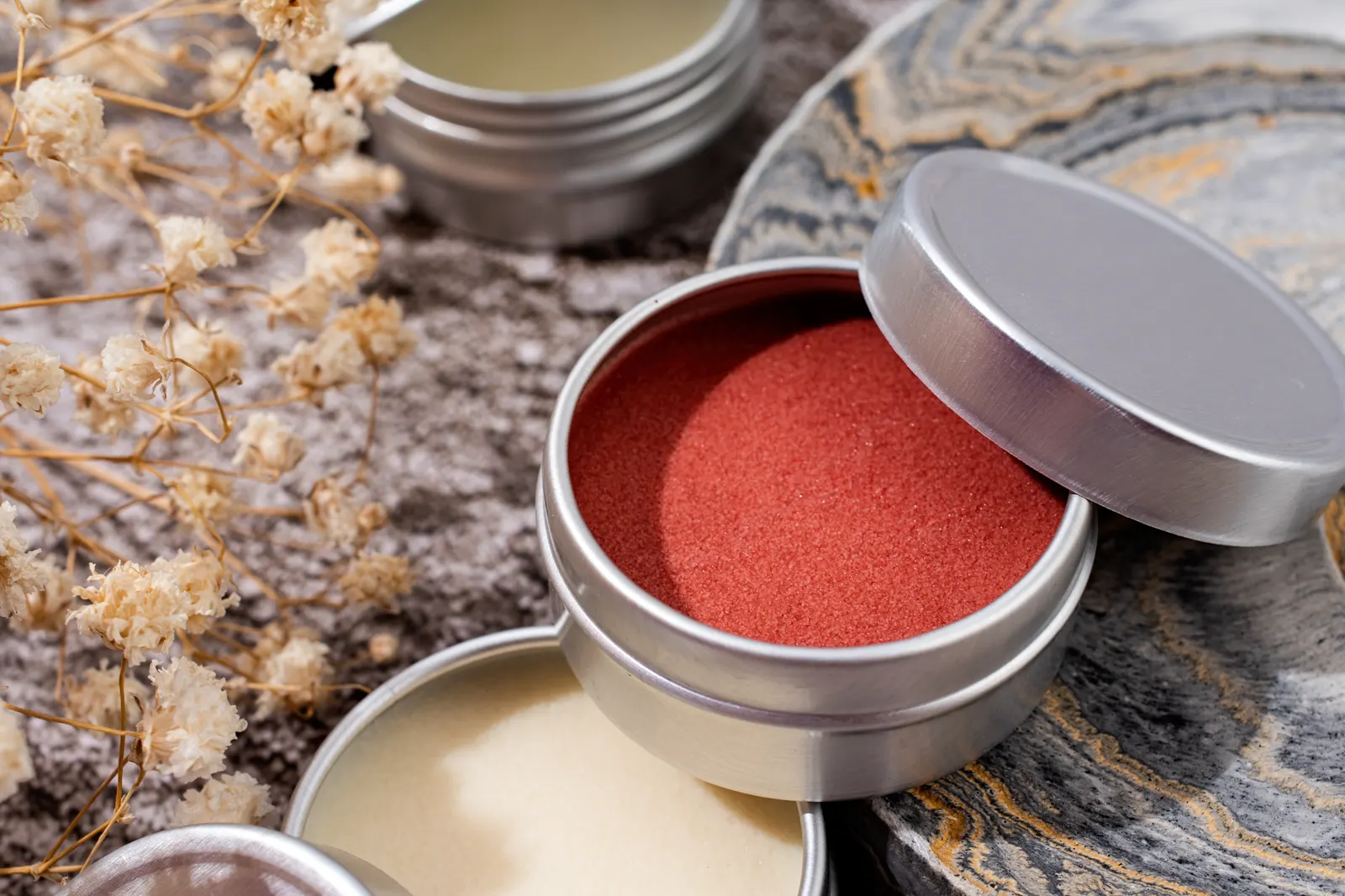 Balm · IntermediateThree-Balm Gift SetOne shea and beeswax base, three little tins: an unscented lip balm, a rose geranium hand balm and a lavender bedtime balm. A handmade gift people use.
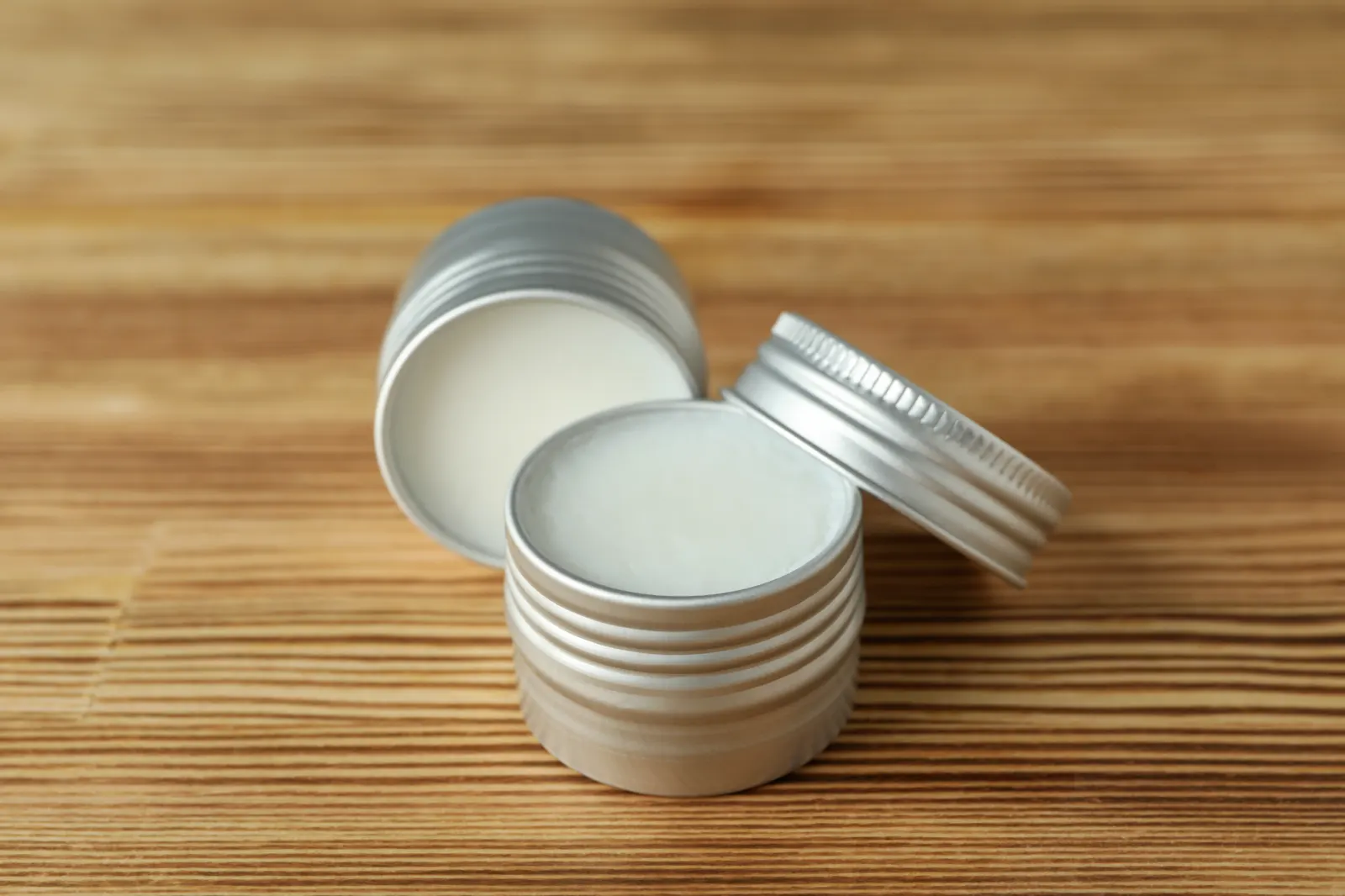 Balm · BeginnerTravel-Size Multi-BalmOne small, plant-based, unscented tin for lips, cuticles, brows, dry knuckles and flyaways, made with mango butter, jojoba, castor oil and candelilla.
Daily rituals with Jojoba
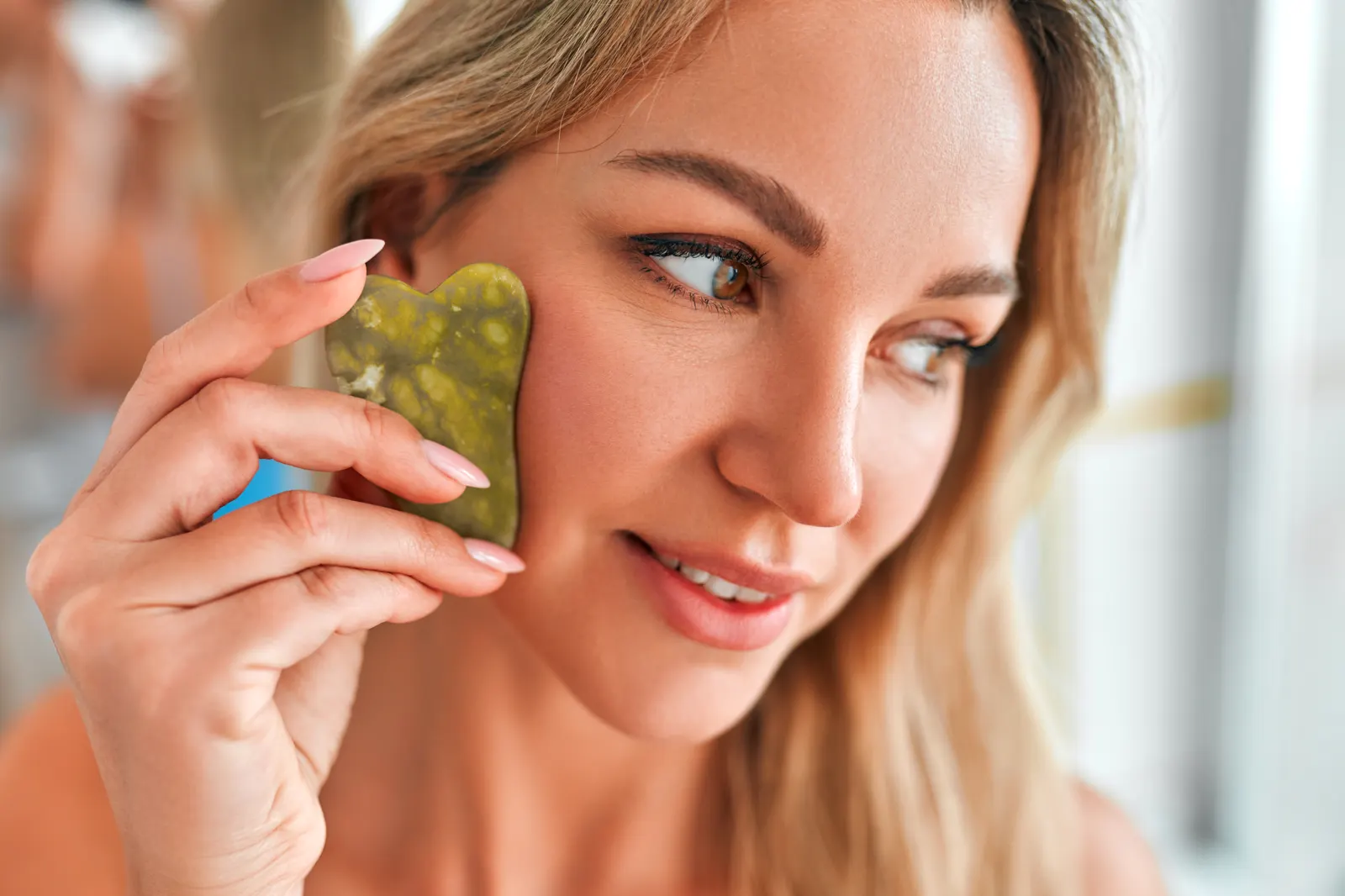 Gua Sha and Facial Massage, HonestlyA five-minute evening facial massage with gua sha or clean hands: what it really does (comfort, temporary de-puffing) and what the lymphatic claims miss.
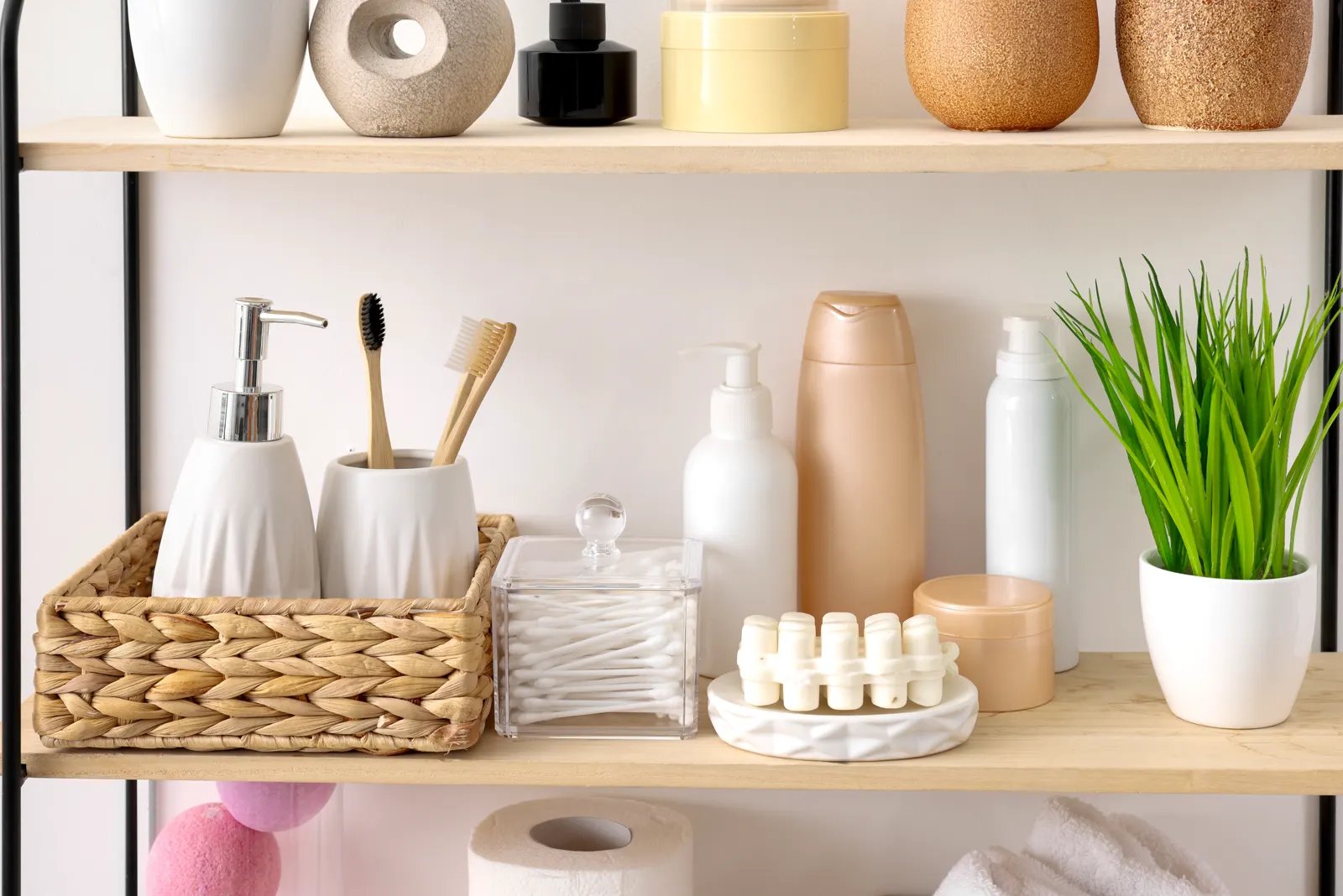 The Slow Sunday Shelf AuditThirty minutes with your bathroom shelf: read the PAO symbols, sniff out rancid oils, and decide what to keep, move to the fridge or throw away.
Use it safely
- Very well tolerated; allergic contact dermatitis is limited to isolated case reports. Patch test anyway if you react easily.
- Not for ingestion: the wax is poorly digested and the seed contains simmondsin, an appetite-suppressing compound.
- Cloudiness or solidifying when cold is normal and reverses at room temperature — it is not spoilage.
Pregnancy and breastfeeding: No known concerns for topical use in pregnancy or breastfeeding.
New to an ingredient? Patch test first.
When to see a doctor
- Dryness with intense itch that disturbs sleep, or red, inflamed patches (possible eczema or another dermatitis).
- Cracked, bleeding or weeping skin, or signs of infection (pain, warmth, yellow crusts, pus).
- Fish-scale-like dryness present since childhood (possible ichthyosis).
- New, persistent dryness with fatigue, weight change, feeling cold or hair thinning (thyroid), or with excessive thirst and urination (diabetes).
- Severe dryness in older adults with widespread itch that does not respond to moisturizers.
Other plants for Dry & Dehydrated Skin
| Ingredient | Grade | What the evidence shows |
|---|---|---|
| Colloidal Oatmeal | B | Multiple clinical studies show colloidal oatmeal creams and baths reduce dryness, scaling and itch; it is an approved skin protectant in the US. |
| Sunflower Oil | B | Linoleic-rich sunflower seed oil preserved stratum corneum integrity and improved hydration in a comparative study with olive oil, and supports barrier function in neonatal studies. |
| Coconut Oil | B | A randomized trial found virgin coconut oil as effective and safe as mineral oil for mild to moderate xerosis of the legs. |
| Shea Butter | C | Rich emollient and mild occlusive with anti-inflammatory triterpene esters; small studies of shea-containing creams support hydration. |
| Squalane | C | A skin-identical, stable, lightweight emollient that reduces roughness; excellent tolerability but limited trial data on its own. |
| Aloe Vera | C | A humectant gel that improved skin hydration in small studies; on its own it is not enough for very dry skin and needs an emollient on top. |
| Marshmallow Root | D | Mucilage polysaccharides form a soothing, humectant film; evidence is traditional and lab-based. |