Does it work?
Jojoba for Oily Skin & Pores
Jojoba is really a liquid wax, which is why it feels so silky, sinks in with a satin finish and keeps for years.
The short answer: Often claimed to “rebalance” oil production; there is no solid human evidence, though its light, non-greasy feel suits many oily skins.
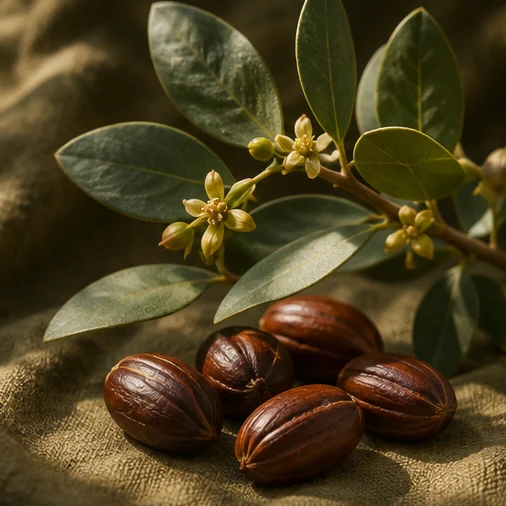
What Jojoba can do for Oily Skin & Pores
Jojoba “oil” is chemically a liquid wax: about 97% wax esters rather than the triglycerides that make up almost every other plant oil. That makes it exceptionally stable, non-greasy and slow to go rancid, which is why formulators love it. It is a gentle, versatile emollient for most skin types and scalps, although many popular claims — that it “tricks” skin into making less oil, for example — are not proven.
Why people reach for it
- Light, silky emollient. Spreads easily and absorbs with a dry, satin finish, softening skin without the heaviness of butters or richer oils.
- Exceptionally stable. Wax esters resist oxidation far better than triglyceride oils, so jojoba lasts years rather than months and is a good diluent for fragile oils like rosehip oil.
- Friendly to oily and acne-prone skin. Low comedogenic potential and a sebum-like texture make it a sensible oil for oily skin — though it is not an acne treatment in itself.
- Scalp and hair conditioning. Coats the cuticle to add slip and shine without weighing fine hair down; a common carrier for scalp blends.
How to use it
Try it today
A pre-wash scalp oil
- Patch test a little jojoba at your hairline first if your skin reacts easily.
- Part dry hair into sections and massage a small amount into the scalp with your fingertips.
- Leave it for at least an hour, or up to eight, then shampoo as usual.
| Form | Typical use | Notes |
|---|---|---|
| Face oil or diluent | 2–4 drops neat; 20–80% of face-oil blends | Pairs well with fragile, linoleic-rich oils to improve stability and feel. |
| Scalp and hair | 20–50% of a scalp oil; a few drops on ends | Use as the carrier in scalp blends such as Rosemary & Pumpkin Seed Scalp Oil; shampoo out after 1–8 hours. |
| Body and massage oil | 20–100% of the oil base | See Lavender Calm Body Oil. Check essential-oil limits with the Essential Oil Dilution Calculator. |
| Emulsions and balms | 2–10% of a formula | Adds a dry, silky skin feel; jojoba esters (hydrogenated) add structure to balms and sticks. |
Recipes with Jojoba
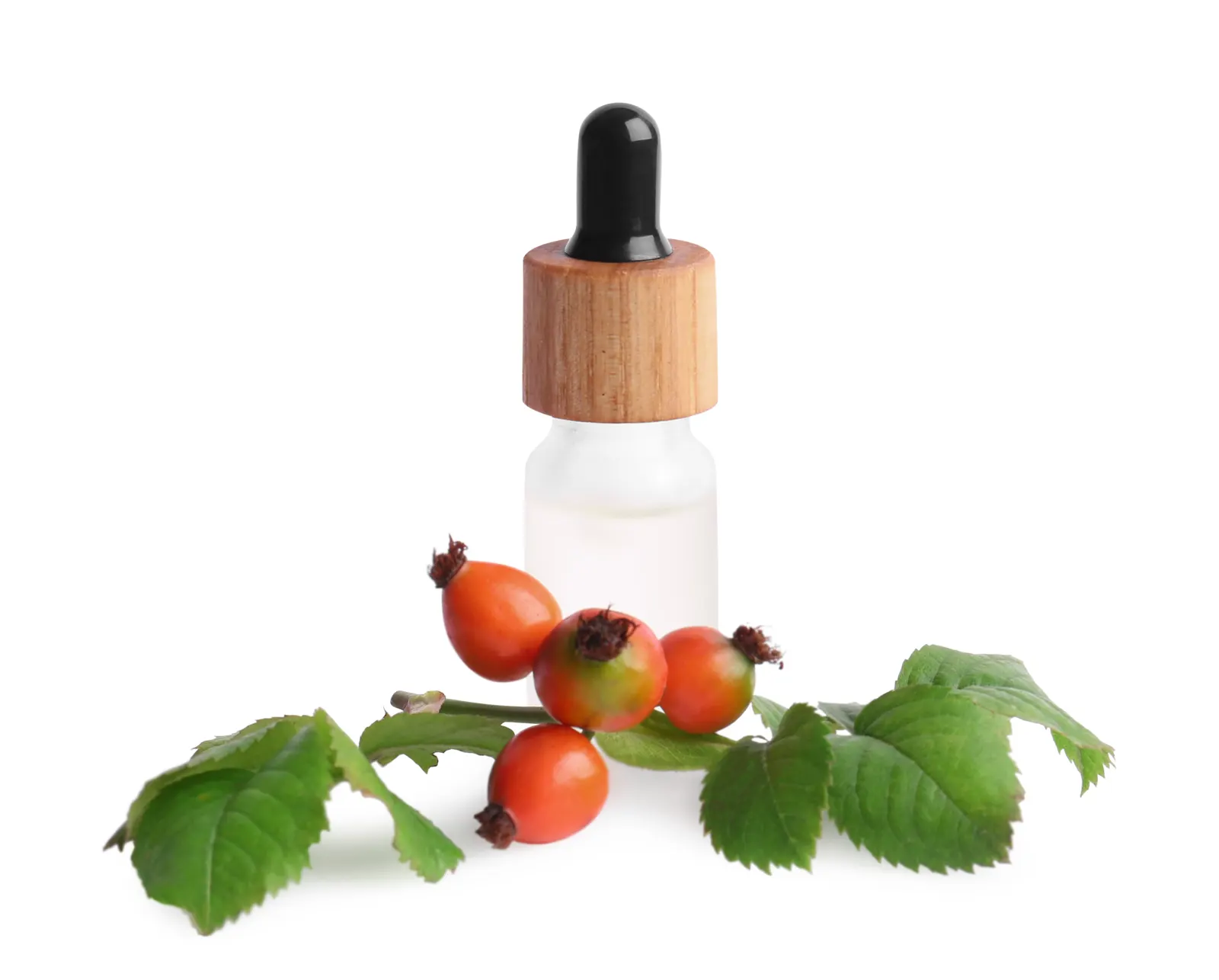 Face oil · BeginnerRosehip & Sea Buckthorn Glow OilA light face oil of rosehip, jojoba and squalane with a touch of sea buckthorn, protected with vitamin E. Three or four drops at night.
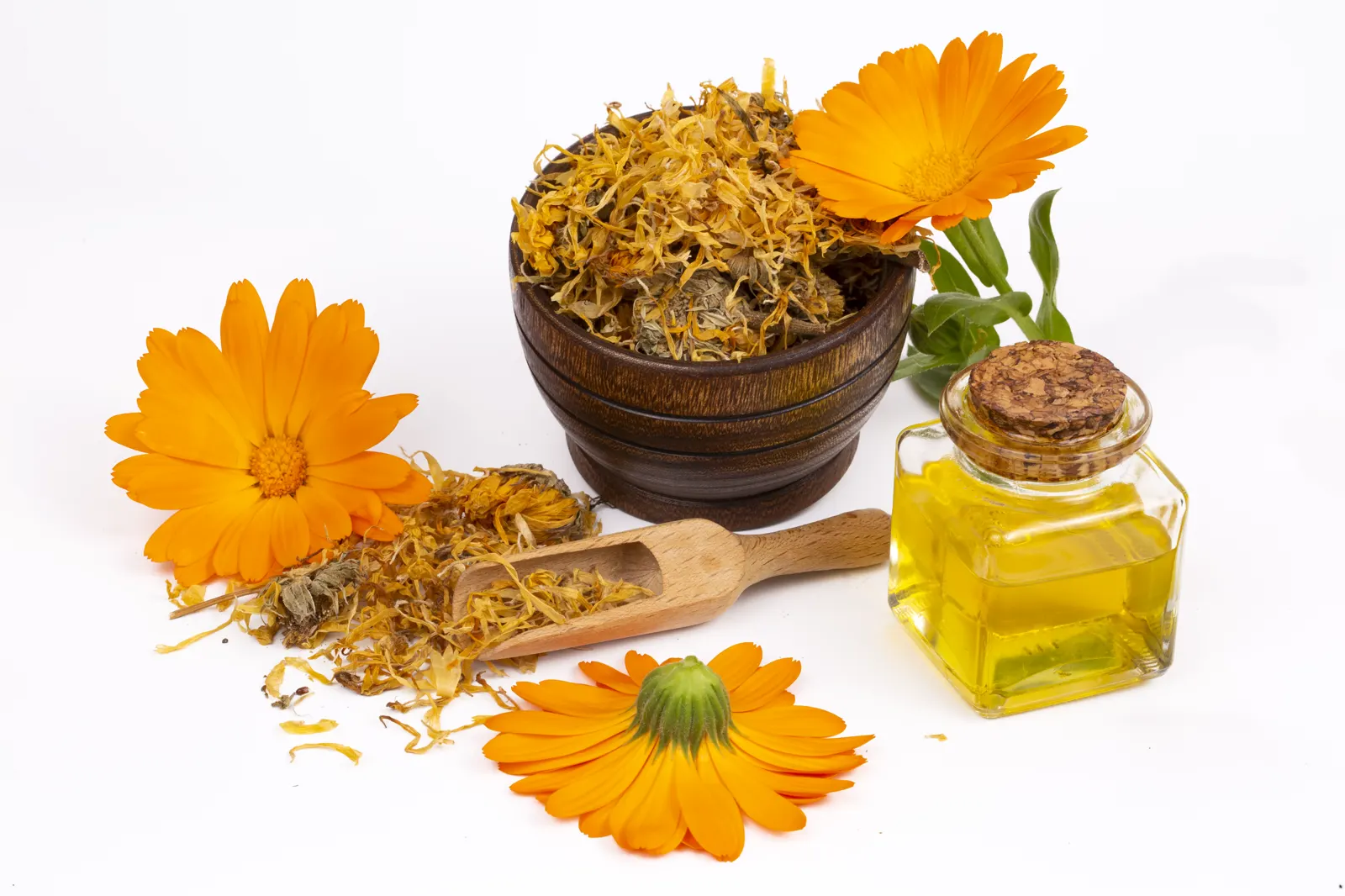 Balm · BeginnerCalendula Comfort BalmA rich, fragrance-free balm of calendula-infused oil, shea and beeswax for chapped hands, dry patches and minor scrapes once they have closed.
Daily rituals with Jojoba
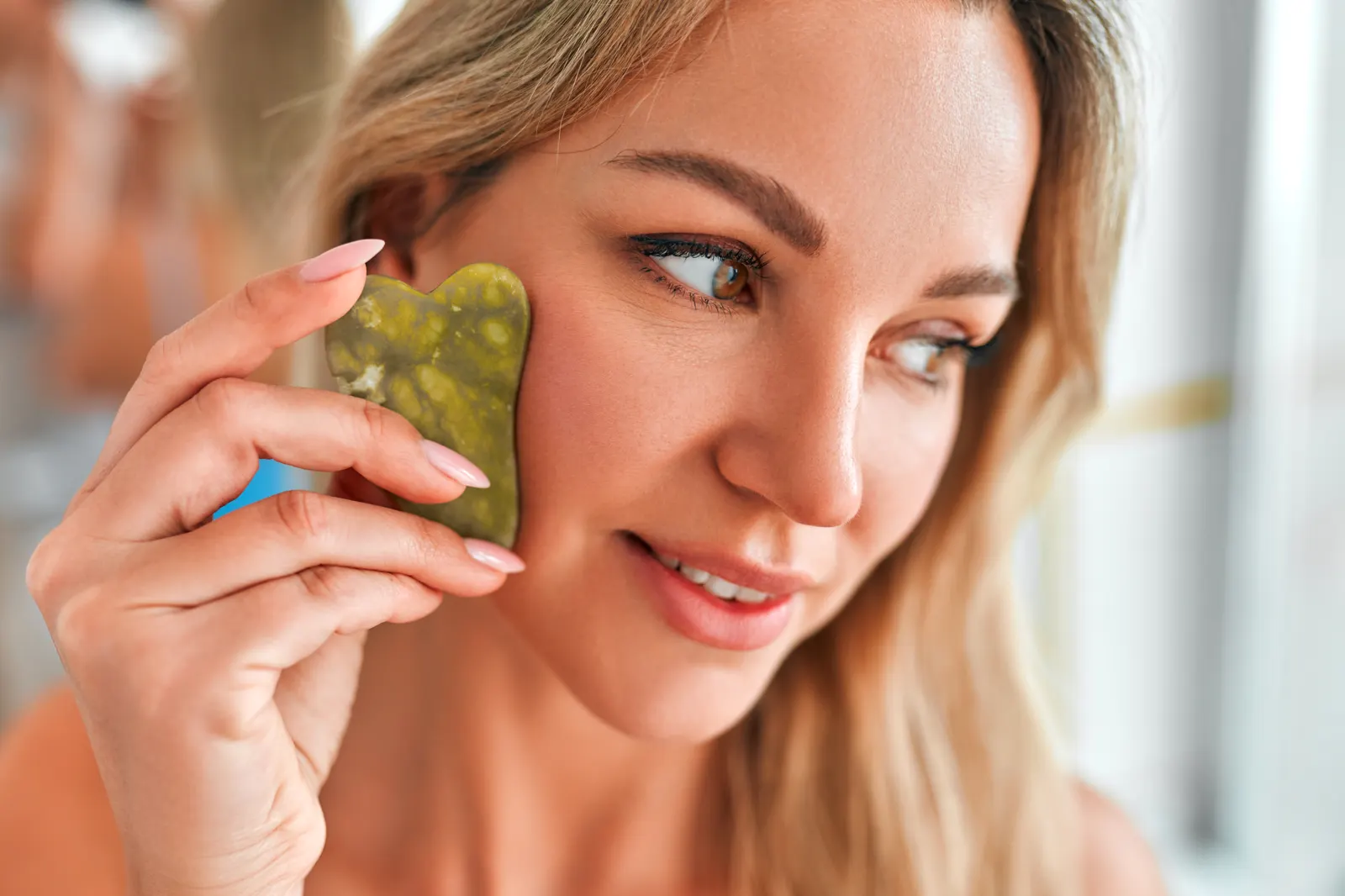 Gua Sha and Facial Massage, HonestlyA five-minute evening facial massage with gua sha or clean hands: what it really does (comfort, temporary de-puffing) and what the lymphatic claims miss.
 The Slow Sunday Shelf AuditThirty minutes with your bathroom shelf: read the PAO symbols, sniff out rancid oils, and decide what to keep, move to the fridge or throw away.
Use it safely
- Very well tolerated; allergic contact dermatitis is limited to isolated case reports. Patch test anyway if you react easily.
- Not for ingestion: the wax is poorly digested and the seed contains simmondsin, an appetite-suppressing compound.
- Cloudiness or solidifying when cold is normal and reverses at room temperature — it is not spoilage.
Pregnancy and breastfeeding: No known concerns for topical use in pregnancy or breastfeeding.
New to an ingredient? Patch test first.
When to see a doctor
- Sudden increase in oiliness with acne, excess facial or body hair, irregular periods or scalp hair thinning (possible androgen excess or polycystic ovary syndrome).
- Greasy, flaky, red patches around the nose, brows or scalp that persist (possible seborrheic dermatitis).
- A shiny, pearly or translucent bump that grows or bleeds, which can mimic sebaceous hyperplasia but may be a basal cell carcinoma.
- Oily skin with significant acne or scarring, or if you want to discuss prescription options.
Other plants for Oily Skin & Pores
| Ingredient | Grade | What the evidence shows |
|---|---|---|
| Green Tea | B | Small controlled trials of topical green tea extract emulsions reduced sebum production over several weeks. |
| Willow Bark | C | Natural salicylates may provide light exfoliation and smoothing, but it is much weaker than salicylic acid and poorly studied. |
| Tea Tree | C | Helpful for acne lesions on oily skin, but there is little evidence it reduces sebum itself. |
| Witch Hazel | D | Tannins give a temporary tightening, matte feel; no good evidence it reduces sebum, and alcohol-containing distillates can irritate. |
| Rhassoul Clay | D | Absorbs surface oil for a temporary matte finish and pleasant texture; does not change sebum production. |