Head to head
Coconut oil versus Olive oil
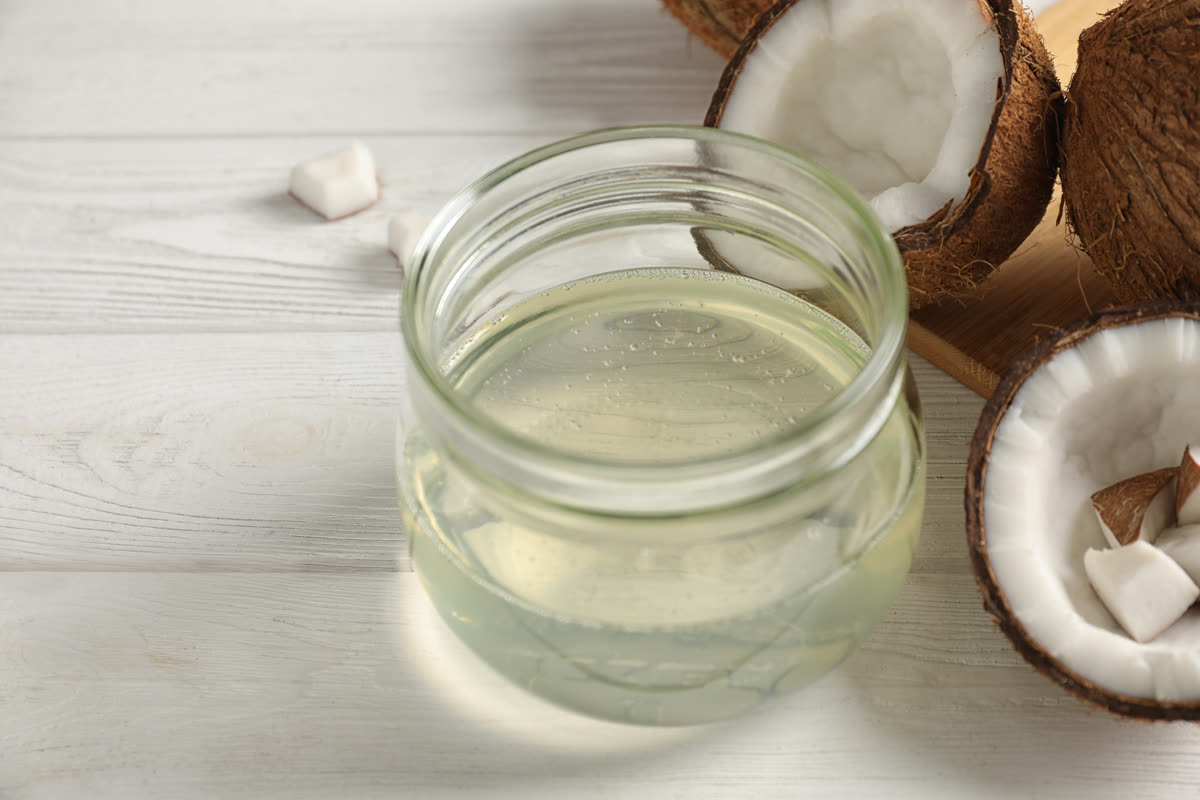 vs
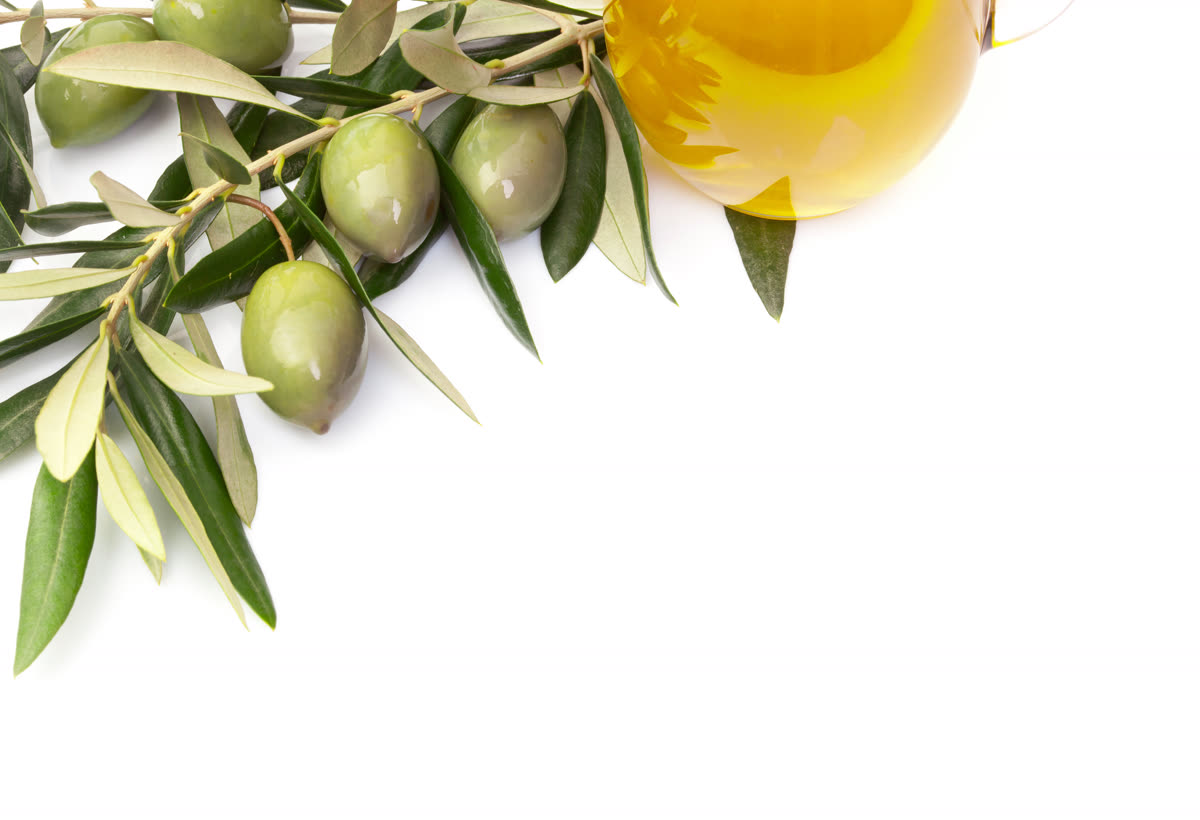
The verdict
For dry body skin, eczema-prone skin and hair, virgin coconut oil has the better evidence of the two, though it can clog pores on acne-prone faces. Olive oil is a fine ingredient in soaps and blends, but repeated use of the pure oil on skin weakened the barrier in a controlled study, so it is not the best choice as a leave-on oil for babies or for eczema-prone skin.
| Attribute | Coconut oil | Olive oil |
|---|---|---|
| Evidence grade | B — several small randomized trials in dry skin and pediatric atopic dermatitis; good in-vitro hair data | C — small studies; the best controlled data are cautionary |
| Key chemistry | Mostly saturated medium-chain fats, about half lauric acid; solid below about 24 °C | Mostly oleic acid (a monounsaturated fat); polyphenols and squalene in extra virgin oil |
| Effect on the skin barrier | Emollient and occlusive; small trials show improved hydration in dry skin | Repeated application of the pure oil disrupted the barrier and caused mild redness in a controlled study |
| Best for | Dry body skin, eczema-prone skin (body), pre-wash hair treatment | Soap-making, cleansing balms and blends; occasional use on dry body skin |
| Babies | Studied in children with eczema; ask your health visitor or pediatrician before use on infants | Not recommended as a leave-on oil for newborn and infant skin; sunflower oil is preferred |
| Breakouts | Rated highly comedogenic in older tests; avoid on acne-prone faces | Moderate risk; heavy on oily skin |
| Hair | Penetrates the hair shaft and reduces protein loss during washing | Coats and smooths; less penetration |
| Allergy | Rare | Rare, though contact allergy is reported, for example in massage therapists |
| Pregnancy | No concerns for topical use | No concerns for topical use |
Choose Coconut oil if
Choose coconut oil if you want a body moisturizer for dry or eczema-prone skin, or a pre-wash treatment for dry, damaged or textured hair, and you will keep it off breakout-prone areas.
Choose Olive oil if
Choose olive oil if you are making soap or a wash-off cleansing balm, or want an occasional oil for dry body skin, and your skin is not eczema-prone. For babies, choose a high-linoleic sunflower oil instead.
The olive-oil study that changed advice
In 2013, Danby and colleagues published a study in Pediatric Dermatology in which small groups of adult volunteers applied olive oil or sunflower oil to their forearms twice daily for several weeks. Olive oil significantly reduced the integrity of the outer skin layer and caused mild redness. Sunflower oil preserved barrier integrity and improved hydration.
The likely reason is oleic acid, which is known to disrupt the skin’s organized lipid layers (one reason it is used as a penetration enhancer in pharmaceuticals). The study was small and in adults, but it has influenced advice on baby massage: many pediatric and midwifery sources now recommend against olive oil on infant skin, especially in families with eczema, and suggest high-linoleic sunflower oil instead.
Coconut oil: better data, with one big caveat
Several small randomized trials, mostly from the Philippines, support virgin coconut oil as an emollient. It improved dry skin (xerosis) about as well as mineral oil, and in children with mild to moderate atopic dermatitis it improved severity scores more than mineral oil did. One trial in adults with atopic dermatitis also compared coconut with olive oil and found coconut reduced Staphylococcus aureus colonization more. The trials are small and several come from one research group, so the evidence is “good,” not “strong.”
The caveat is breakouts. Coconut oil is rich in saturated fats and scored highly in older comedogenicity tests. Those tests overpredict real-world acne, but people with oily or acne-prone skin commonly report clogged pores. Keep it to the body and hair if that is you. And for active eczema, coconut oil is a supplement to, not a substitute for, your prescribed emollients and treatments: see Eczema-Prone Skin.
Hair: where coconut shines
Rele and Mohile (Journal of Cosmetic Science, 2003) showed that coconut oil, unlike sunflower or mineral oil, reduced protein loss from hair when used before or after washing. Lauric acid’s small, straight structure lets it penetrate the hair shaft rather than just coating it. That is the basis for the traditional South Asian practice of oiling hair before washing. A light pre-wash application, left for 20 minutes to overnight, is the evidence-aligned way to use it. Olive oil can smooth frizz, but it sits more on the surface. See Dry, Damaged & Frizzy Hair and Hair Science for Natural Hair Care.
Choosing and storing
For skin and hair, choose virgin (unrefined) coconut oil if you like the scent, or refined if you do not; fractionated coconut oil is a different, always-liquid product with the lauric acid largely removed. For olive oil, extra virgin has more antioxidants, but for skin the question is less about grade than about whether oleic-rich oil suits you at all. Both are stable; keep them away from heat and light. Our Carrier Oils: The Formulator’s Guide compares them with other carrier oils.
A practical rule of thumb: if your skin is dry and not acne-prone, a thin layer of virgin coconut oil on damp body skin after bathing is a reasonable, inexpensive emollient. If you have eczema, use it alongside, not instead of, the emollients and treatments your clinician recommends, and stop if it stings or itches. Keep olive oil for the kitchen, the soap pot and wash-off cleansing balms, where its strengths are real and its effect on the barrier matters least.
Two kitchen oils, two traditions
In Kerala and across South India and Sri Lanka, regular head massage with coconut oil is an everyday ritual for children and adults alike, and Ayurvedic practice infuses oils with herbs such as amla (Indian gooseberry) and hibiscus for hair. Across the Pacific and Southeast Asia, coconut oil has long protected skin and hair from sun, salt and wind. Around the Mediterranean, olive oil was the original body oil: athletes in ancient Greece oiled their skin and scraped it clean with a strigil, and olive oil remains the base of traditional soaps such as Castile soap from Spain, Aleppo soap from Syria, Marseille soap from France and the Moroccan black soap used in the hammam.
These traditions share something with the modern evidence: they mostly use the oils in rinse-off or pre-wash ways, as soaps, cleansers and hair oiling before washing, rather than as leave-on treatments for fragile skin. That is exactly where olive oil’s barrier-loosening effect matters least, and where coconut’s affinity for hair protein matters most.
One modern caution: neither oil is a sunscreen. Their natural UV filtering is negligible, and relying on them for sun protection risks burns. See Sun Care & After-Sun, and try our Fenugreek & Amla Hair Mask for a traditional-style hair treatment that includes coconut oil.
Using them together
They can be blended for body use, but there is little reason to: coconut does the job better on its own, and olive’s oleic acid may counter barrier benefits. For a cleansing balm, both work well because they are rinsed off; see Sunflower Cleansing Balm for a gentler alternative.