· Weekly reset · 20 min
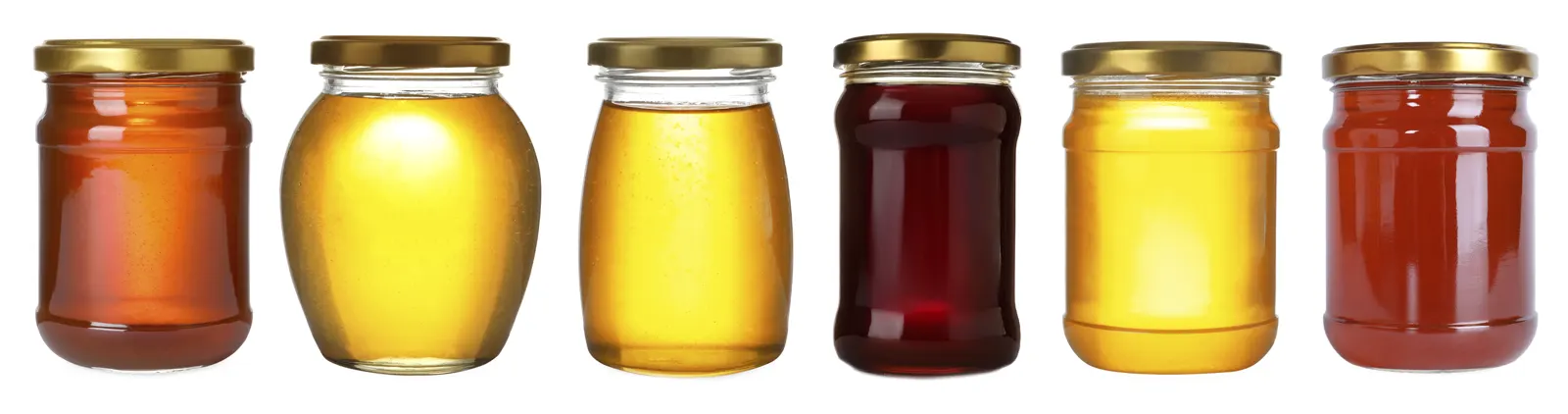
The Honey Mask: Medical-Grade or Supermarket Jar?
A weekly honey mask for dry, dull or redness-prone skin, and the honest difference between medical-grade honey and the jar in your kitchen.
- Time
- 20 min
- Evidence
- CPromising
- Time
- 20 min
- Evidence
- CPromising
You’ll need
- 1 teaspoon (about 7 g) of honey: medical-grade if you have it, otherwise a good raw or set honey
- A clean teaspoon (never double-dip into the jar)
- A warm, damp washcloth
- Your usual moisturizer
Promising: One positive randomized trial in rosacea and one negative trial in acne used medical-grade honey creams; benefits of a home kitchen-honey mask rest mainly on humectant chemistry.
Formulator’s tip
Persistent facial redness that flushes with heat, alcohol or spicy food may be rosacea; a honey mask can feel soothing, but a doctor can offer treatments with far stronger evidence.
Step by step
- Cleanse gently and leave your face slightly damp; honey spreads far more easily on damp skin.
- Scoop one teaspoon into a small clean dish. Warm it between your fingertips for a few seconds until it loosens.
- Pat, rather than rub, a thin layer over cheeks, forehead, nose and chin, avoiding the eyes and hairline. Sticky is normal; dripping means too much.
- Relax for 10–15 minutes. Honey draws water to the skin, so you may feel a gentle warmth and slight tightening.
- Remove with lukewarm water and the damp cloth in light presses. Any leftover in the dish goes in the sink.
- Moisturize straight away while skin is soft. Once a week is a lovely rhythm.
Why it works
Honey is a natural humectant, rich in sugars that bind water, and it has well-documented antimicrobial activity, which is why medical-grade honey is used in wound dressings. Medical-grade honey is sterilized (usually by gamma irradiation), standardized for activity, and made for broken skin. Supermarket honey is perfectly pleasant on intact skin, but it is not sterile and should never go on open wounds.
For cosmetic outcomes the picture is mixed and worth knowing. A randomized trial found a medical-grade kanuka honey cream improved rosacea compared with control (Braithwaite and colleagues, BMJ Open, 2015), while a similar trial in acne found no benefit over antibacterial soap alone (Semprini and colleagues, BMJ Open, 2016). So: a soothing, softening weekly treat, not an acne treatment. For a more substantial mask, try Turmeric & Honey Glow Mask or the gentle Honey & Oat Gentle Cleanser with colloidal oatmeal.
Where it comes from
Honey on the skin appears in ancient Egyptian medical papyri, in Ayurveda, and in the Moroccan hammam, where it is sometimes mixed with clay or oils after steaming.
Enjoy it safely
- Skip it if you are allergic to bee products, propolis or certain pollens; patch test first if you have hay fever. See How to Patch Test (and Read the Result).
- Never put kitchen honey on cuts, burns or broken skin; use sterile medical-grade honey products, and see a doctor for wounds that are not healing.
- Single use: never return honey that has touched your face or fingers to the jar.
Ingredients in this ritual
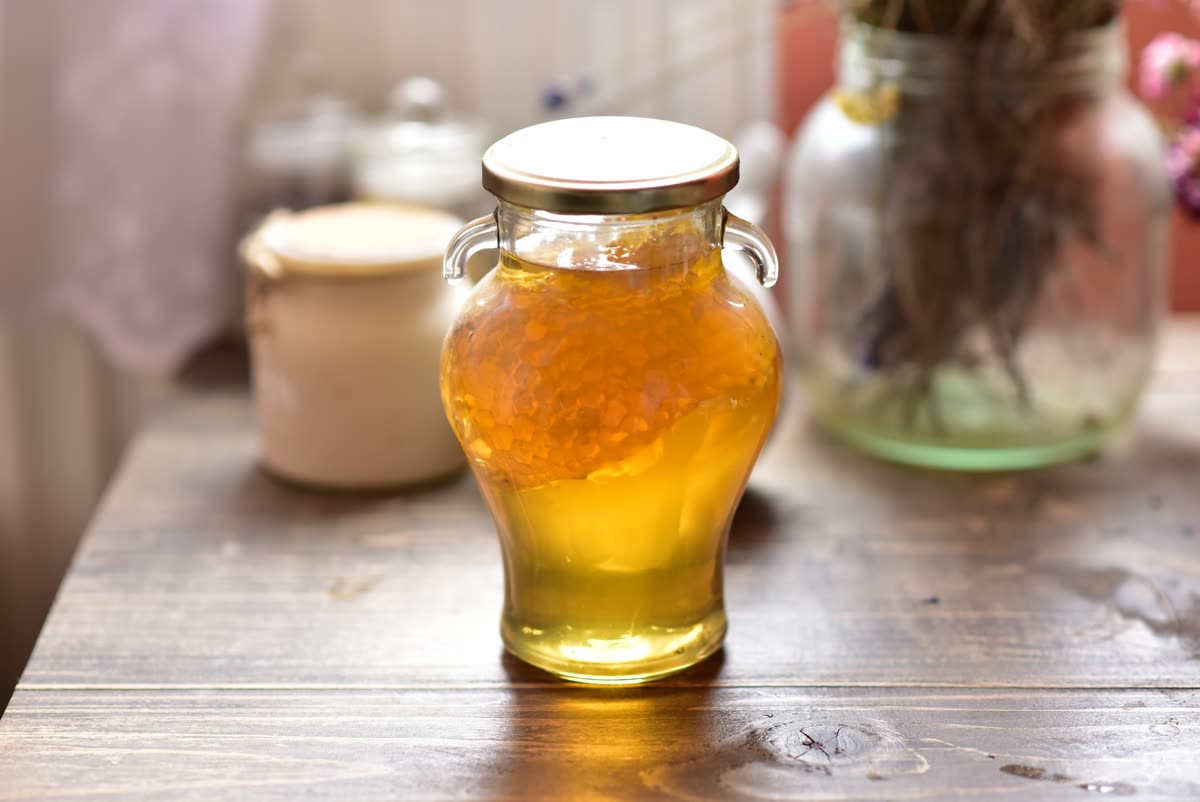 No. 041
HoneyMel (product of Apis mellifera L.)A spoonful of raw honey is one of the simplest, loveliest masks there is: skin feels soft, plump and comforted.
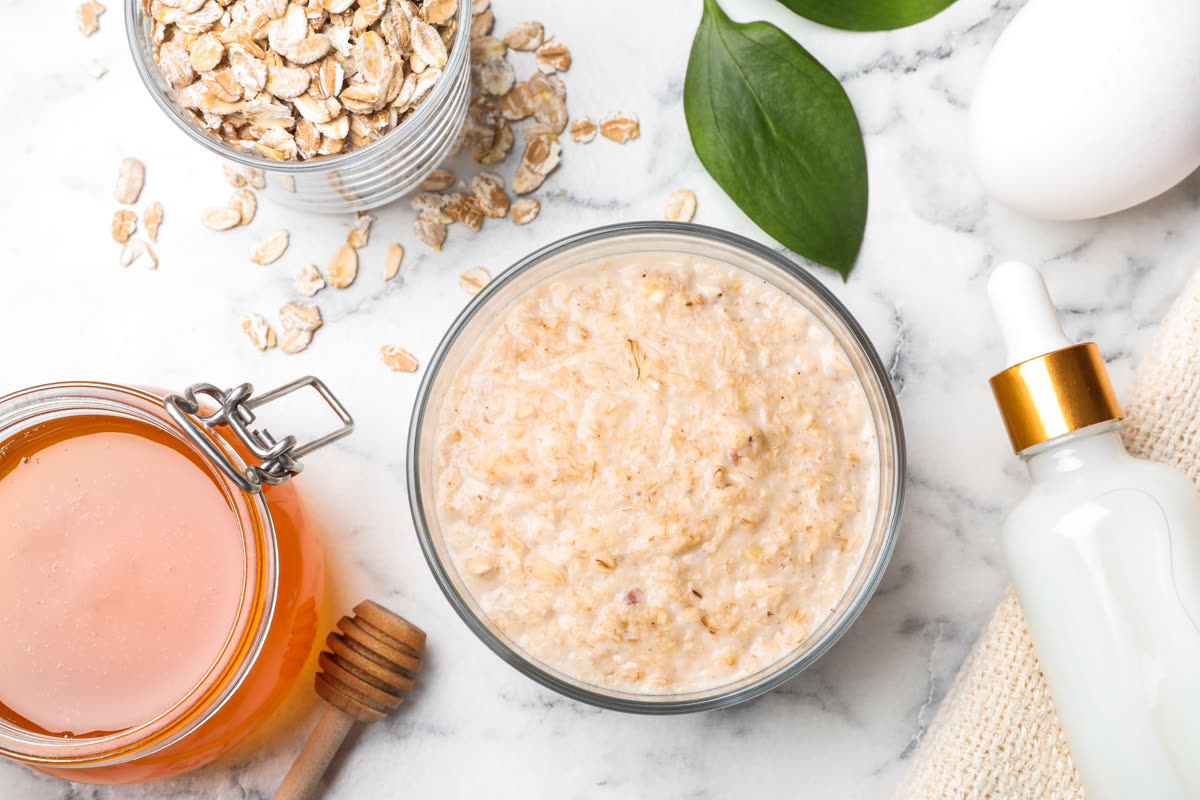 No. 042
Colloidal OatmealAvena sativa L.Finely milled oats turn a lukewarm bath milky and soothing: an officially recognized skin protectant for itchy, irritated skin.
Go further
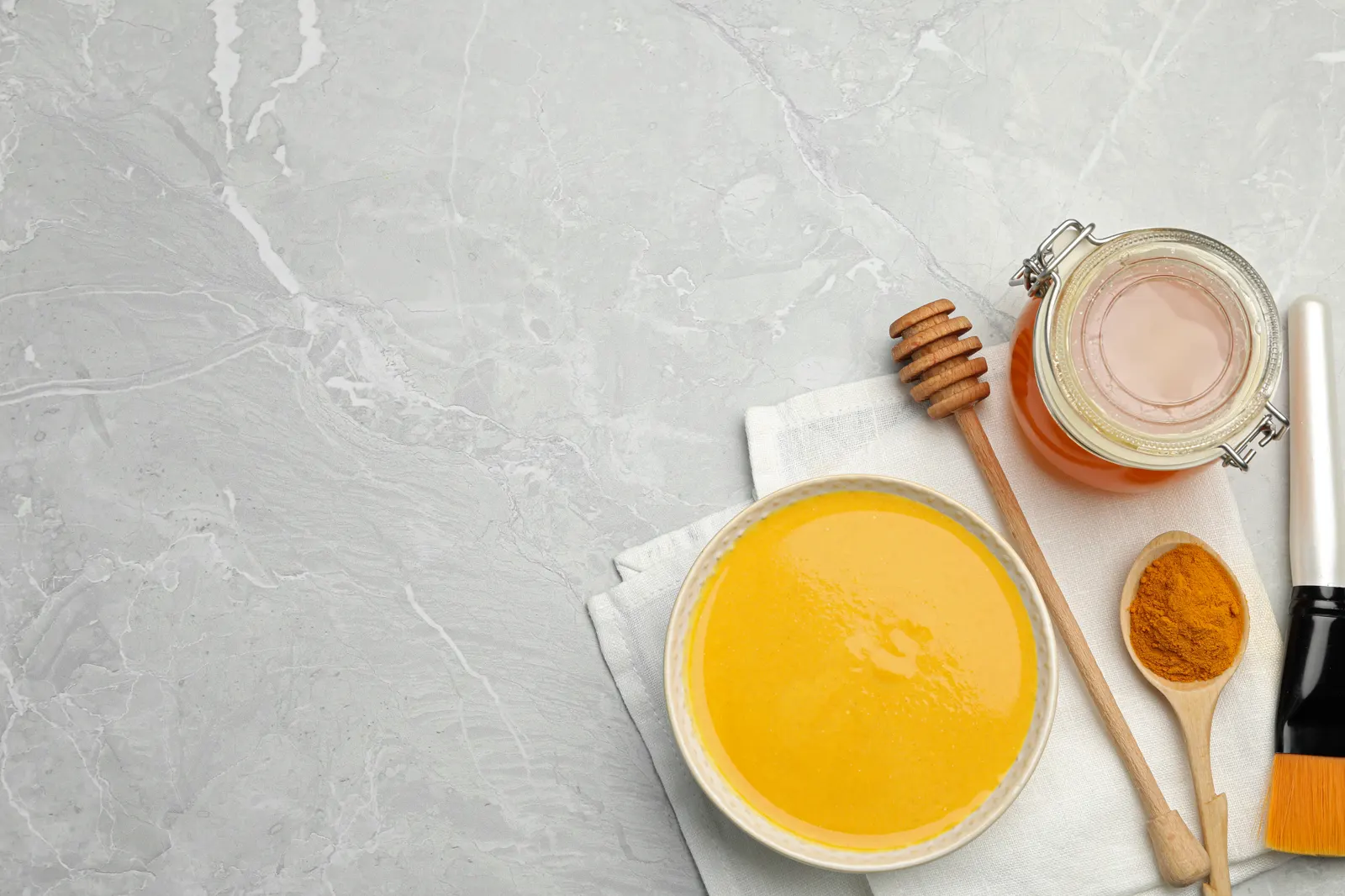 Mask · BeginnerTurmeric & Honey Glow MaskA quick ubtan-inspired mask of honey, yogurt, chickpea flour and a pinch of turmeric. Mind the yellow stain and patch test first.
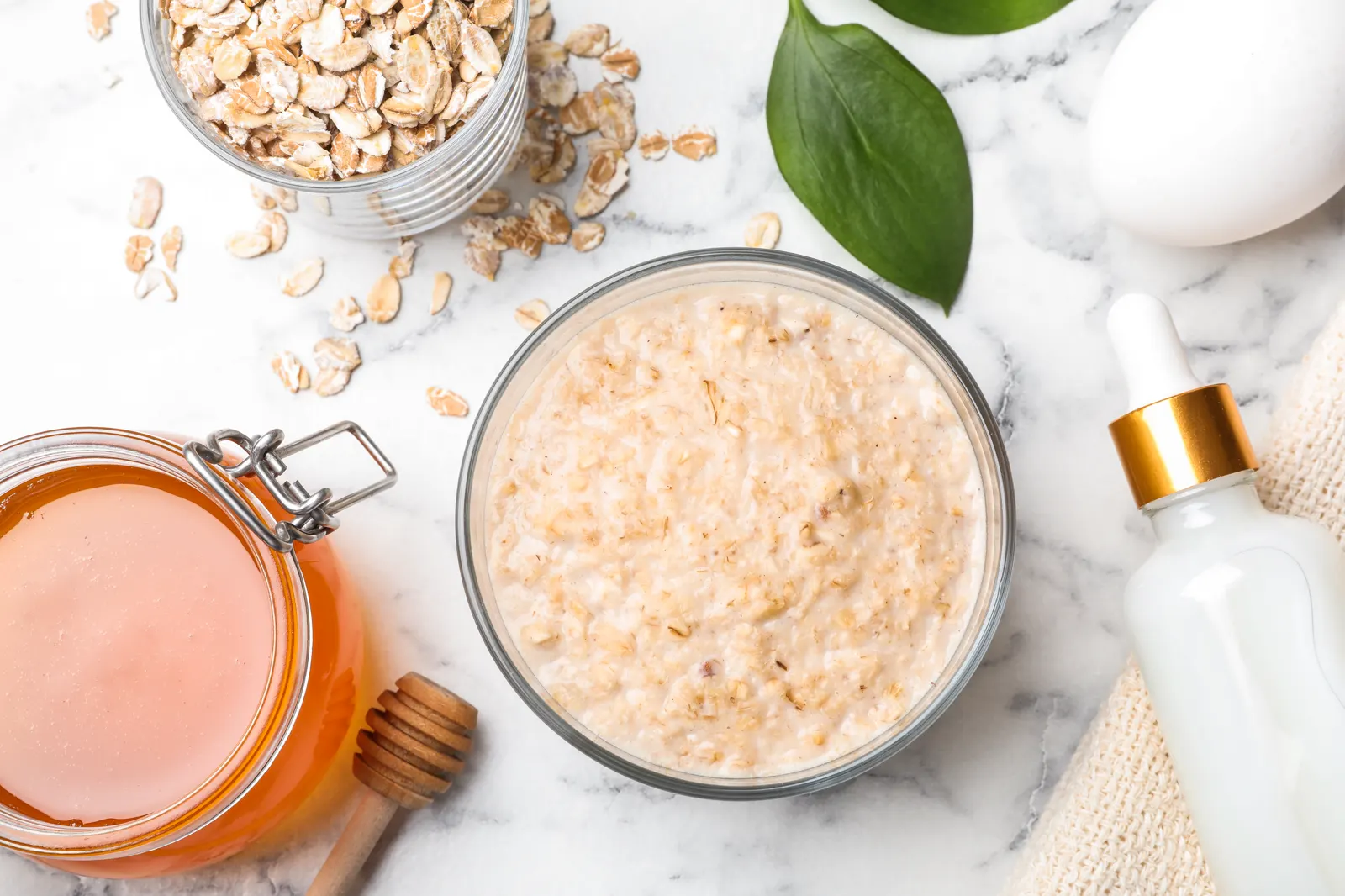 Cleanser · BeginnerHoney & Oat Gentle CleanserA no-foam, single-use cleansing paste of raw honey, colloidal oatmeal, rose water and jojoba for dry or sensitive skin that hates feeling squeaky.
ConcernSensitive Skin & RednessStinging, burning or flushing? How sensitive skin differs from rosacea and allergy, the botanicals that soothe, and the ones that often cause trouble.ConcernDry & Dehydrated SkinWhy skin loses water, how the barrier works, and how to layer humectants, emollients and occlusives — with oatmeal, shea and oils that help.GuideDIY Safety: Water, Microbes & PreservativesWhy anything with water needs a real preservative, how pH and water activity work, which preservatives fit natural standards, and what doesn’t work.