· Traditions · 5 min
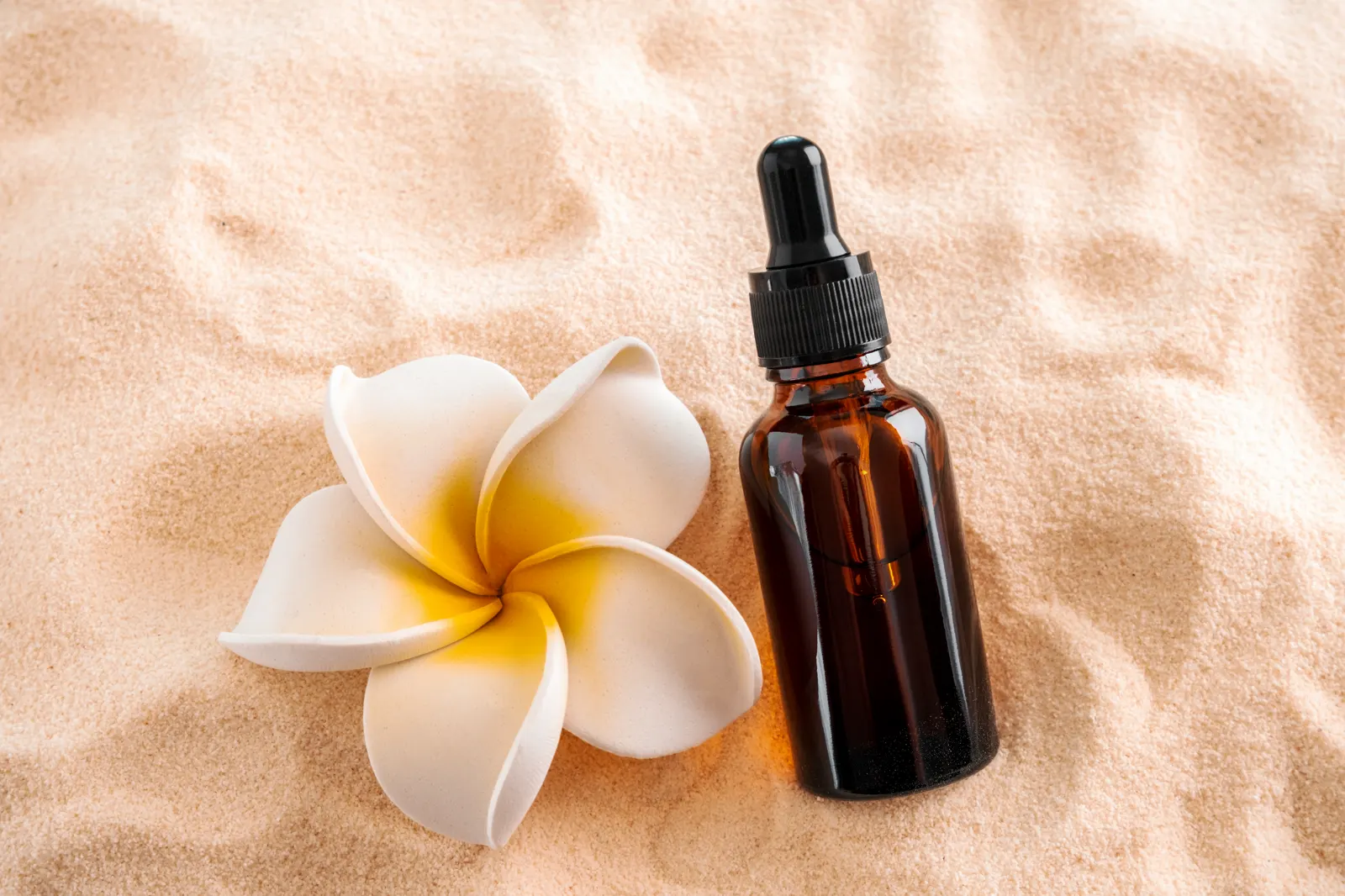
A Monoï Glow, the Polynesian Way
Tiare flowers steeped in coconut oil: Tahiti’s monoï is a scented body and hair oil with deep roots. How to use it well, and why it isn’t sun care.
- Time
- 5 min
- Evidence
- DTraditional wisdom
- Time
- 5 min
- Evidence
- DTraditional wisdom
You’ll need
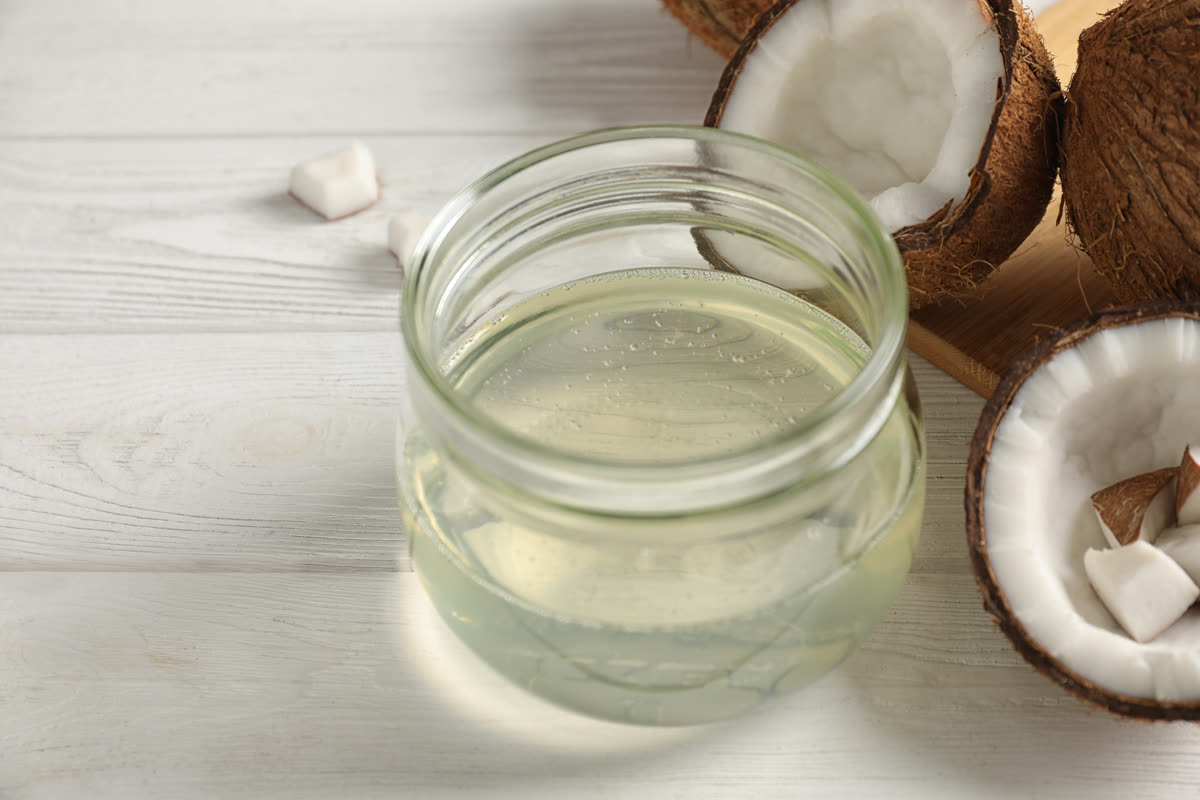
- Monoï oil, or plain coconut oil if you prefer it unscented
- A warm shower
- A towel and five spare minutes
Traditional wisdom: Coconut oil is a recognized emollient, but monoï’s benefits rest mainly on tradition and pleasure rather than human trials.
Formulator’s tip
Leave the bottle in the steamy bathroom while you shower. Lightly warmed monoï spreads further, so you need about half as much.
Step by step
- If your monoï has turned solid (coconut oil sets at around 24 °C), stand the bottle in a cup of warm water for a few minutes.
- Shower, then pat yourself until just damp.
- Pour a coin-sized amount into your palms and smooth it over arms, legs, shoulders and décolletage in long strokes.
- Use the leftover sheen on the ends of your hair, not the roots.
- Let it absorb for a few minutes before dressing; oil can mark delicate fabrics.
Why it works
Monoï is a maceration: tiare flowers are soaked in refined coconut oil so their fragrance passes into the oil. Coconut oil is a pleasant emollient that softens dry skin, and on hair it is one of the few oils that lab studies show can reduce protein loss during washing.
Most of the joy, though, is the scent. Fragrant oils are best kept to body and hair, and on the face coconut oil can clog pores for breakout-prone skin. Please don’t treat it as sun care: generations of beach use don’t make an oil a sunscreen, and no oil gives meaningful protection. For that, see Sun Care & After-Sun.
Where it comes from
Monoï de Tahiti has an official appellation of origin, which requires tiare flowers and coconuts from French Polynesia. For generations, Polynesian families have used it to care for skin and hair against sun, salt and wind.
Enjoy it safely
- Monoï is fragranced; patch test if you react to perfumes or have sensitive skin (How to Patch Test).
- It is not a sunscreen. Use a broad-spectrum SPF 30+ and reapply; oils do not protect from UV.
- Keep it off the face if you are breakout-prone, and wipe up spills: oiled floors are slippery.
Ingredients in this ritual
Go further
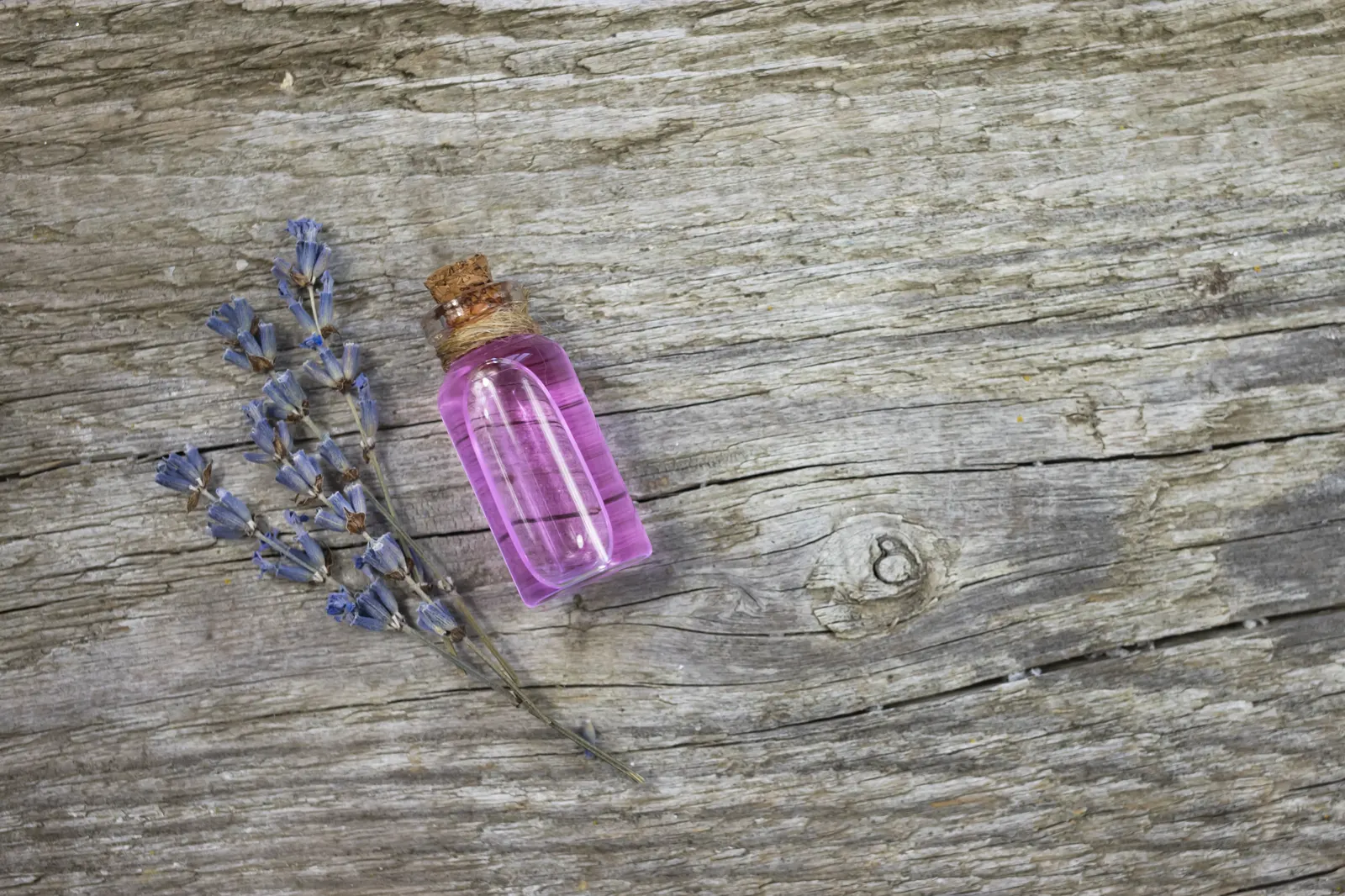 Body care · BeginnerLavender Calm Body OilA silky after-bath body oil of sunflower, apricot kernel and jojoba with 2% true lavender — the maximum we recommend for body use.
 Pick Your Body Oil: Sunflower, Jojoba or Olive?Not all plant oils treat the skin barrier alike. How to choose a body oil for dry skin, and a simple one-leg test to see what suits you.
ConcernSun Care & After-SunUVA, UVB, SPF and visible light explained. No plant oil gives reliable SPF: use tested broad-spectrum SPF 30+, never DIY sunscreen — then soothe with aloe.GuideCarrier Oils: The Formulator’s GuideFatty acid chemistry, oxidative stability and skin feel for 12 core oils, plus why comedogenic ratings mislead and how to store oils well.