· Traditions · 3–4 h
Henna Day, the Pure Way
How to plan a pure henna hair day, why real henna is never black, and how to spot the dangerous PPD “black henna” that can scar.
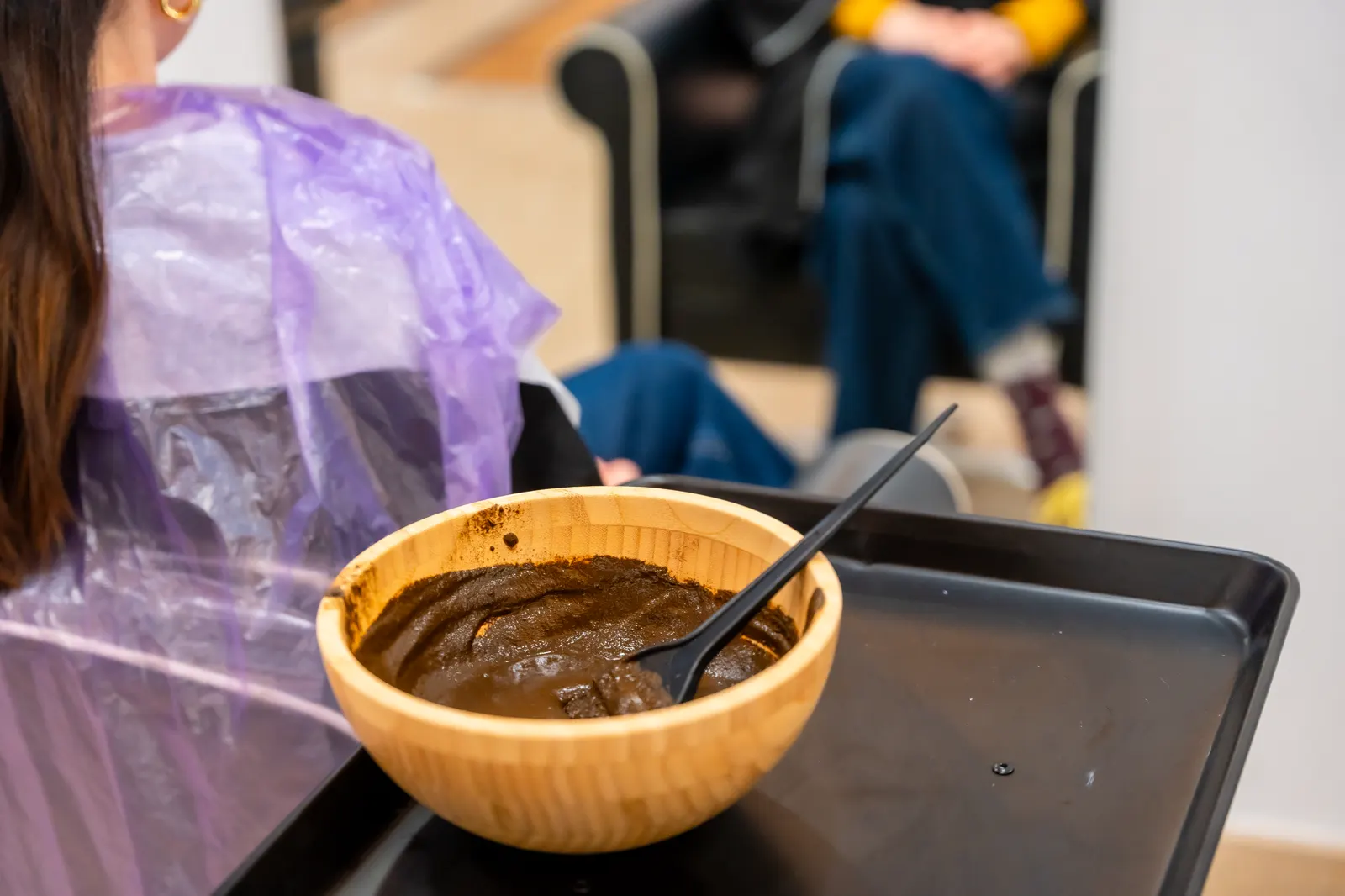
- Time
- 3–4 h
- Evidence
- BGood evidence
- Time
- 3–4 h
- Evidence
- BGood evidence
You’ll need
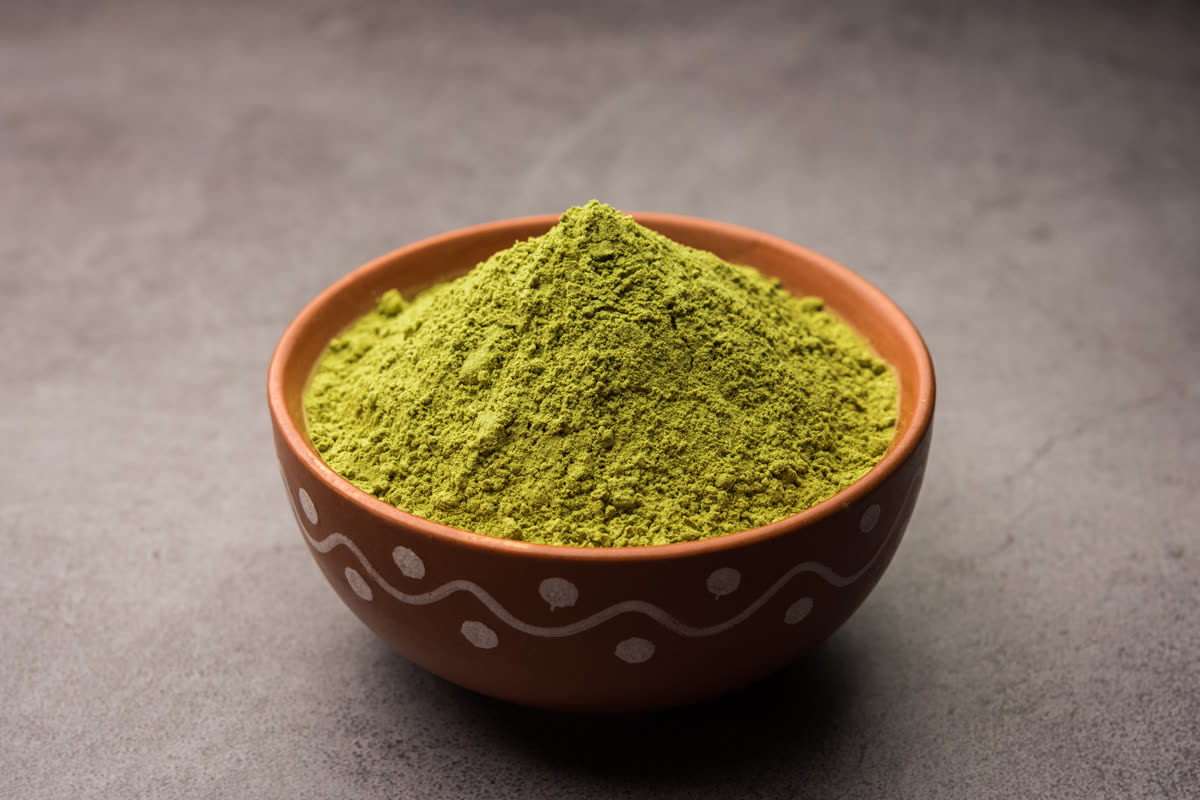
- Pure body-art-quality henna powder with a full ingredient list (Lawsonia inermis only)
- Lukewarm water, a non-metal bowl and spoon, gloves
- Old towel, shower cap, and petroleum jelly or balm for the hairline
- A few hours you don’t need to be anywhere
Good evidence: Lawsone’s dyeing chemistry is well established, and PPD black-henna reactions are consistently documented in clinical reports and regulator warnings.
Formulator’s tip
Want darker? Pure indigo leaf powder is applied as a second step after henna for brown to black. It is still plant-based, and still needs a patch test.
Step by step
- Check the label: one ingredient, Lawsonia inermis. Walk away from anything called “black henna”, “neutral black” or with a long chemical list.
- Do a strand test on hair from a hairbrush, and a patch test on the inner arm as in our guide (twice daily for 7 days, read at 48 and 96 hours).
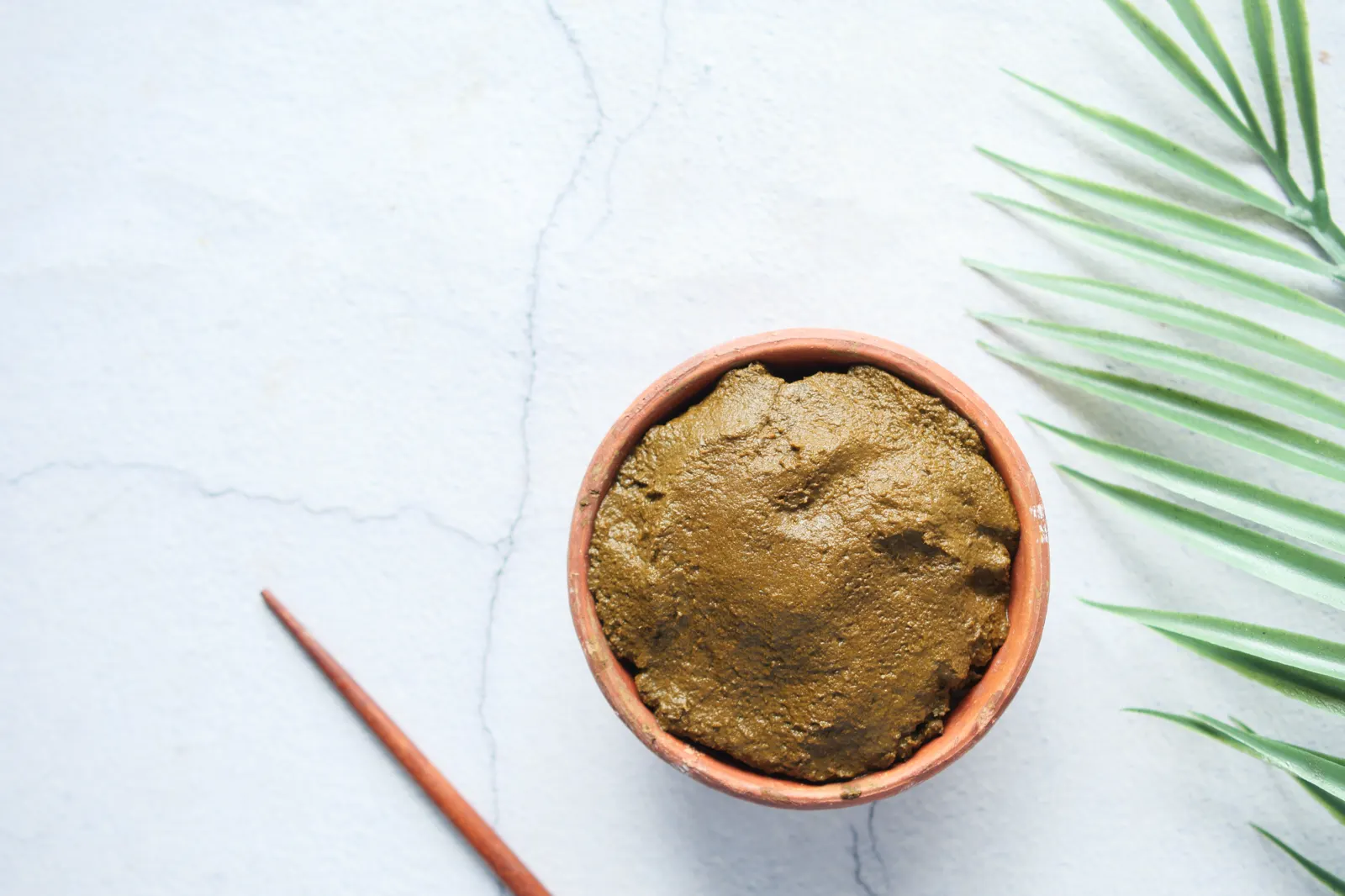
- Mix powder with lukewarm water into a yogurt-thick paste. Cover and let it rest for a few hours so the dye releases (follow the pack timing).
- Apply to clean, dry hair in sections, root to tip, wearing gloves. Protect the hairline with balm.
- Cover with a shower cap and leave 2–4 hours, or as the pack directs.
- Rinse with water and conditioner, no shampoo. Color deepens over the next two days.
Why it works
Henna leaves contain lawsone, an orange-red dye that binds to keratin in hair and skin. Pure henna gives copper to auburn on hair, and an orange stain on skin that darkens to reddish-brown over a day or two, never jet black in an hour.
“Black henna” usually contains para-phenylenediamine (PPD), a hair-dye chemical not permitted for direct skin use. On skin it can cause severe allergic reactions with blistering and scarring, and permanent sensitization that can make future hair dyeing dangerous. Regulators including the US FDA have warned about it repeatedly. See Pure Henna Hair Color and How to Patch Test (and Read the Result).
Where it comes from
In Morocco, henna marks weddings, Eid and births; the night before a wedding, the bride’s hands and feet are decorated at the laylat al-henna. The same plant colors mehndi in South Asia and hair across the Middle East.
Enjoy it safely
- Never use “black henna” on skin. If a henna tattoo itches, blisters or weeps, see a doctor and tell them it may contain PPD.
- Do not use henna on babies or young children, especially with G6PD deficiency, where it has been linked to serious red-blood-cell damage.
- Compound hennas with metallic salts can react badly with later bleach or perms; tell your colorist you use henna.
- Henna stains skin, nails, grout and towels: gloves and old fabrics only.
Ingredients in this ritual
Go further
 Hair care · IntermediatePure Henna Hair ColorHow to dye hair with body-art-quality henna: dye release, strand and patch tests, gray coverage, the indigo two-step, and why to avoid “black henna”.
GuideHow to Patch Test (and Read the Result)A step-by-step at-home patch test (ROAT), how to tell irritation from allergy, and when you need proper dermatologist patch testing.GuideMoroccan Beauty Rituals: Hammam, Rhassoul & ArganThe hammam, beldi soap, kessa, rhassoul, argan, flower waters, henna and kohl: their history, cultural meaning and what science says about each.ConcernDry, Damaged & Frizzy HairHair science made simple: cuticle damage, porosity and frizz, why some oils penetrate and others do not, and how to protect fragile curls and colored hair.