Does it work?
Neem for Acne & Breakouts
Bitter, earthy and deeply traditional, neem is Ayurveda’s go-to for blemish-prone skin and scalp care.
The short answer: Antibacterial and antifungal activity is well documented in the lab, but there are no controlled human trials for acne or dandruff; human data are limited to uncontrolled studies in parasitic skin conditions.
Our Acne & Breakouts guide does not rank Neem for this use yet, so this is the overall grade for Neem.
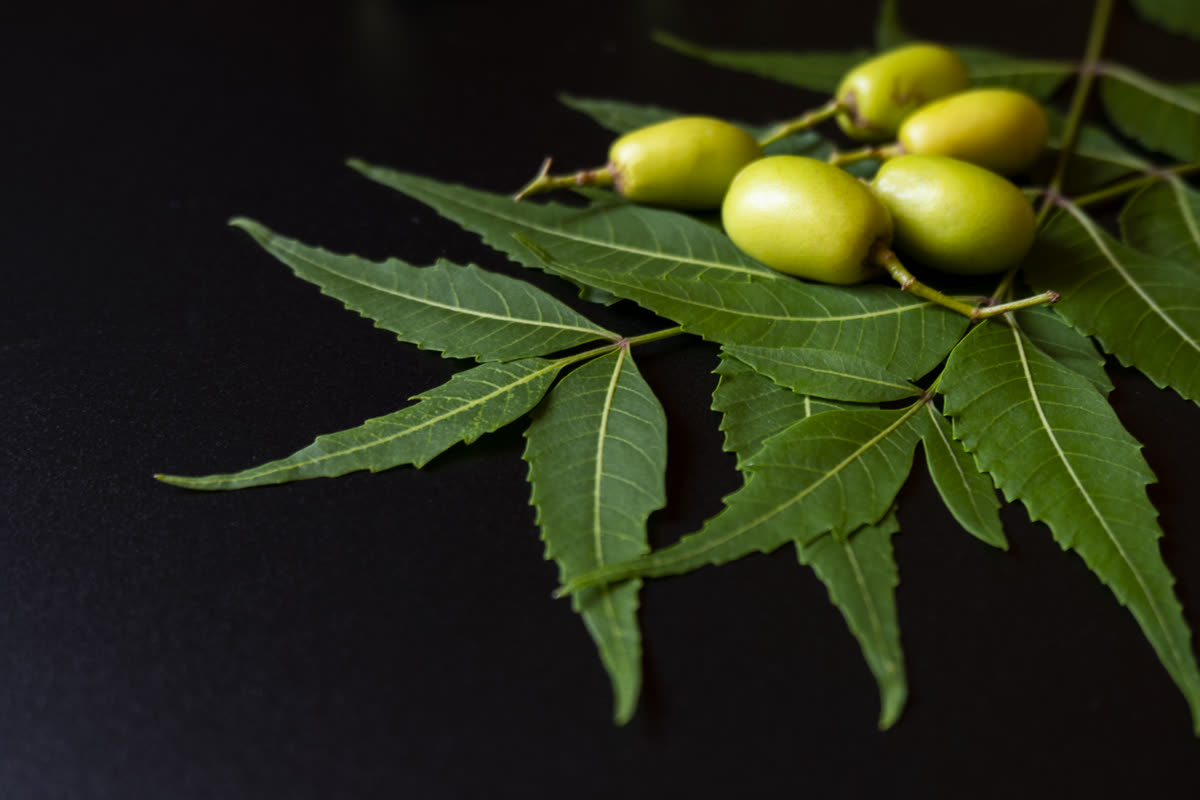
What Neem can do for Acne & Breakouts
Neem is the “village pharmacy” tree of India. Its pungent seed oil and leaf extracts contain bitter limonoids with antibacterial, antifungal and insecticidal activity in the lab, which is why neem appears in products for blemish-prone skin, dandruff and head lice. Human cosmetic evidence is very limited. Neem oil is toxic if swallowed, with serious poisonings reported in young children.
Why people reach for it
- Antimicrobial activity. Neem leaf and seed extracts inhibit acne bacteria, Staphylococcus and some fungi in lab studies, supporting its traditional use for blemishes and scalp flaking.
- Rich, conditioning oil. Neem seed oil is high in oleic, stearic and palmitic acids, giving a rich, protective feel in balms and pre-wash scalp oils — at low percentages, given the smell.
- Traditional scalp and lice care. Neem seed extracts are insecticidal, and neem shampoos have shown activity against head lice in small studies. Use licensed lice products as directed.
How to use it
Try it today
A pre-wash neem scalp oil
- Patch test first, then blend neem oil at 5–10% into a lighter carrier such as jojoba.
- Massage it into your scalp and leave it for 30–60 minutes.
- Shampoo twice to lift the oil and its earthy scent.
| Form | Typical use | Notes |
|---|---|---|
| Neem seed oil in balms and body oils | 1–10% of the oil phase | Start low because of the strong smell; blend with lighter oils such as jojoba. Warm gently if it has solidified. |
| Pre-wash scalp oil | 5–10% in a carrier oil | Massage into the scalp, leave 30–60 minutes, then shampoo twice. Patch test first. |
| Neem leaf extract or powder | Extract 0.5–3%; powder in fresh masks (1–2 teaspoons per use) | Leaf preparations are less pungent than the oil. Combine with clay or turmeric in a single-use mask; aqueous products need a preservative. |
Use it safely
- Never swallow neem oil, and never give it to children by mouth. Oral neem oil has caused vomiting, drowsiness, seizures, metabolic acidosis and Reye’s-like encephalopathy in infants and young children, sometimes fatally. Store it out of children’s reach.
- Allergic contact dermatitis to neem oil has been reported, sometimes severe. Patch test before scalp or face use (How to Patch Test).
- Neem is not a reliable treatment for scabies or lice on its own; use licensed treatments and see a doctor if symptoms persist or spread.
- Its strong odor can linger on hair and fabric; low percentages and thorough washing help.
Pregnancy and breastfeeding: Avoid oral neem in pregnancy and breastfeeding — it has traditional and animal-study associations with reduced fertility and pregnancy loss. Topical use on small areas is likely low risk, but safety data are limited.
New to an ingredient? Patch test first.
When to see a doctor
- Deep, painful nodules or cysts, or any acne that is leaving scars (pitted, rolling or raised) — early treatment prevents permanent scarring.
- No meaningful improvement after 2–3 months of consistent over-the-counter treatment.
- Acne with irregular periods, excess facial or body hair, scalp hair thinning or rapid weight gain, which can point to polycystic ovary syndrome or another hormonal cause.
- Sudden, severe, ulcerating acne with fever, joint pain or feeling unwell (acne fulminans) — seek prompt care.
- Acne that started after a new medicine or supplement (e.g. corticosteroids, anabolic steroids, some anticonvulsants).
- Acne affecting your mood, sleep or confidence — this is a valid reason to seek treatment.
Other plants for Acne & Breakouts
| Ingredient | Grade | What the evidence shows |
|---|---|---|
| Tea Tree | B | Several small randomized trials of 5% tea tree oil gel show fewer inflammatory and total lesions than placebo, with slower onset but better tolerability than 5% benzoyl peroxide. |
| Green Tea | B | Small randomized trials of 2–3% green tea extract lotions reduced lesion counts and sebum in mild to moderate acne; effects are modest. |
| Aloe Vera | C | In one randomized trial, aloe gel combined with tretinoin improved results and tolerability versus tretinoin alone — useful as a soothing partner to retinoids. |
| Bakuchiol | C | Small, mostly open-label studies suggest benefit in mild acne, often in combination products; plausible anti-inflammatory and anti-sebum effects. |
| Willow Bark | C | Contains salicin and other salicylates that may gently exfoliate and calm, but it is far weaker than salicylic acid and human data are limited. |
| Honey | C | Antimicrobial in the lab, but a randomized trial of medical-grade kanuka honey added to routine cleansing found no significant extra benefit. |
| Witch Hazel | D | Tannins are astringent and anti-inflammatory in vitro; there are no meaningful acne trials, and alcohol-based distillates can irritate. |
| Rhassoul Clay | D | Absorbs surface oil temporarily for a matte finish; no evidence it treats acne lesions. |