Does it work?
Neem for Oily Skin & Pores
What the research says about neem for oily skin & pores, how to use it at home and how to stay safe.
The short answer: Antibacterial and antifungal activity is well documented in the lab, but there are no controlled human trials for acne or dandruff; human data are limited to uncontrolled studies in parasitic skin conditions.
Our Oily Skin & Pores guide does not rank Neem for this use yet, so this is the overall grade for Neem.
What it does
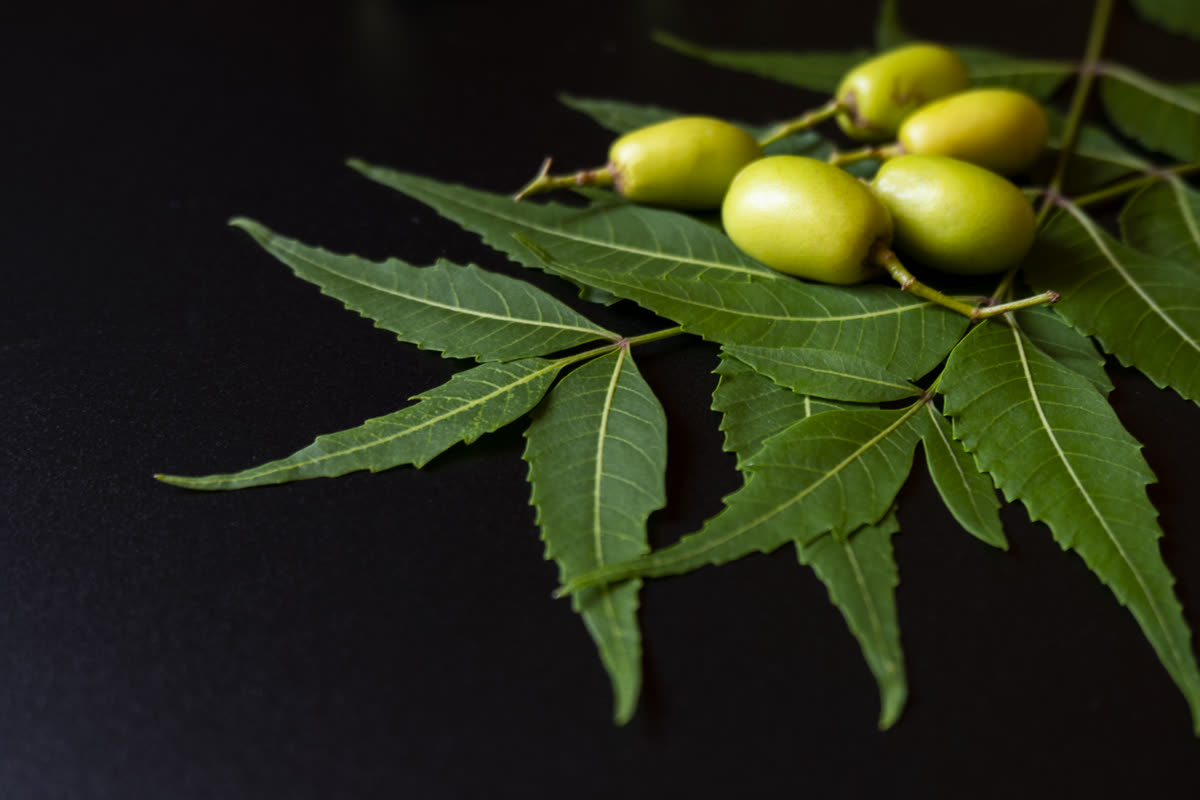
Neem is the “village pharmacy” tree of India. Its pungent seed oil and leaf extracts contain bitter limonoids with antibacterial, antifungal and insecticidal activity in the lab, which is why neem appears in products for blemish-prone skin, dandruff and head lice. Human cosmetic evidence is very limited. Neem oil is toxic if swallowed, with serious poisonings reported in young children.
Why people reach for it
- Antimicrobial activity. Neem leaf and seed extracts inhibit acne bacteria, Staphylococcus and some fungi in lab studies, supporting its traditional use for blemishes and scalp flaking.
- Rich, conditioning oil. Neem seed oil is high in oleic, stearic and palmitic acids, giving a rich, protective feel in balms and pre-wash scalp oils — at low percentages, given the smell.
- Traditional scalp and lice care. Neem seed extracts are insecticidal, and neem shampoos have shown activity against head lice in small studies. Use licensed lice products as directed.
How to use it
| Form | Typical use | Notes |
|---|---|---|
| Neem seed oil in balms and body oils | 1–10% of the oil phase | Start low because of the strong smell; blend with lighter oils such as jojoba. Warm gently if it has solidified. |
| Pre-wash scalp oil | 5–10% in a carrier oil | Massage into the scalp, leave 30–60 minutes, then shampoo twice. Patch test first. |
| Neem leaf extract or powder | Extract 0.5–3%; powder in fresh masks (1–2 teaspoons per use) | Leaf preparations are less pungent than the oil. Combine with clay or turmeric in a single-use mask; aqueous products need a preservative. |
Use it safely
- Never swallow neem oil, and never give it to children by mouth. Oral neem oil has caused vomiting, drowsiness, seizures, metabolic acidosis and Reye’s-like encephalopathy in infants and young children, sometimes fatally. Store it out of children’s reach.
- Allergic contact dermatitis to neem oil has been reported, sometimes severe. Patch test before scalp or face use (How to Patch Test).
- Neem is not a reliable treatment for scabies or lice on its own; use licensed treatments and see a doctor if symptoms persist or spread.
- Its strong odor can linger on hair and fabric; low percentages and thorough washing help.
Pregnancy and breastfeeding: Avoid oral neem in pregnancy and breastfeeding — it has traditional and animal-study associations with reduced fertility and pregnancy loss. Topical use on small areas is likely low risk, but safety data are limited.
New to an ingredient? Patch test first.
When to see a doctor
- Sudden increase in oiliness with acne, excess facial or body hair, irregular periods or scalp hair thinning (possible androgen excess or polycystic ovary syndrome).
- Greasy, flaky, red patches around the nose, brows or scalp that persist (possible seborrheic dermatitis).
- A shiny, pearly or translucent bump that grows or bleeds, which can mimic sebaceous hyperplasia but may be a basal cell carcinoma.
- Oily skin with significant acne or scarring, or if you want to discuss prescription options.
Other plants for Oily Skin & Pores
| Ingredient | Grade | What the evidence shows |
|---|---|---|
| Green Tea | B | Small controlled trials of topical green tea extract emulsions reduced sebum production over several weeks. |
| Willow Bark | C | Natural salicylates may provide light exfoliation and smoothing, but it is much weaker than salicylic acid and poorly studied. |
| Tea Tree | C | Helpful for acne lesions on oily skin, but there is little evidence it reduces sebum itself. |
| Witch Hazel | D | Tannins give a temporary tightening, matte feel; no good evidence it reduces sebum, and alcohol-containing distillates can irritate. |
| Rhassoul Clay | D | Absorbs surface oil for a temporary matte finish and pleasant texture; does not change sebum production. |
| Jojoba | D | Often claimed to “rebalance” oil production; there is no solid human evidence, though its light, non-greasy feel suits many oily skins. |