Does it work?
Atlas Cedar for Oily Skin & Pores
What the research says about Atlas cedar for oily skin & pores, how to use it at home and how to stay safe.
The short answer: One randomized trial of an essential-oil blend including Atlas cedar for alopecia areata; the oil’s own contribution is unknown, and other data are in vitro.
Our Oily Skin & Pores guide does not rank Atlas Cedar for this use yet, so this is the overall grade for Atlas Cedar.
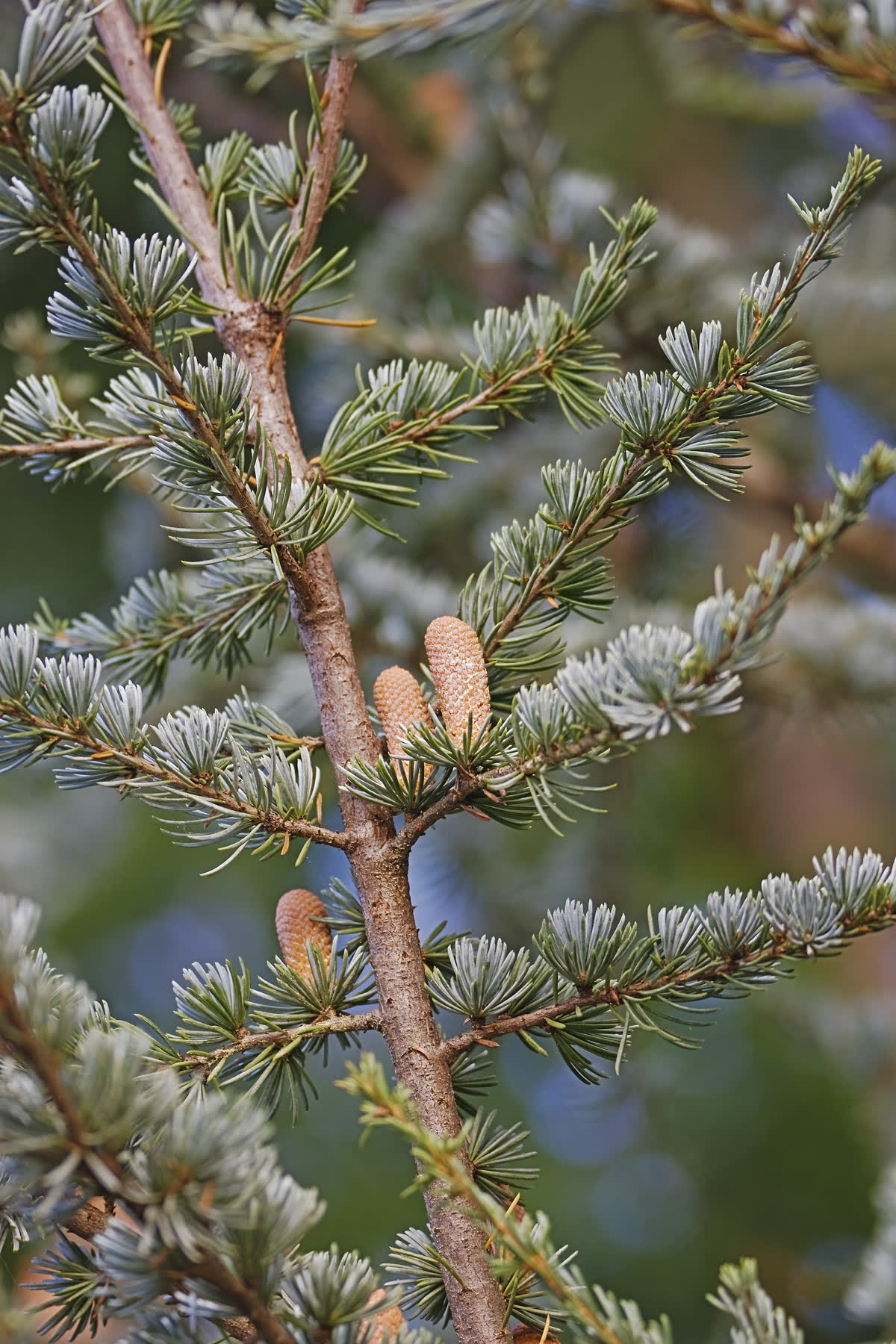
What it does
The Atlas cedar is the great conifer of Morocco’s Middle Atlas and Rif mountains, home of the Barbary macaque and the source of the fragrant wood carved into the ceilings of Moroccan palaces and mosques. Its essential oil, distilled from wood chips, smells soft, balsamic and woody, and is a favorite in scalp blends and grooming products. Evidence is limited to one blended-oil trial for alopecia areata and lab studies, and the species is listed as Endangered — so source carefully.
Why people reach for it
- A grounding woody scent. Warm, dry and balsamic, Atlas cedar anchors scalp oils, beard care, soaps and natural perfumes, and is a natural partner for cistus (labdanum) and frankincense.
- Part of a trial-tested scalp blend. Atlas cedarwood was one of four essential oils in the randomized alopecia areata trial in which the blend outperformed carrier oil alone. See Thinning Hair & Hair Loss.
- Gentle by essential-oil standards. Its sesquiterpene-rich oil contains essentially none of the common EU-labeled fragrance allergens and is rarely irritating when properly diluted.
- Antifungal and repellent in the lab. The oil inhibits some fungi and repels insects in laboratory tests, a rationale for its traditional use on the scalp and in linen cupboards.
How to use it
| Form | Typical use | Notes |
|---|---|---|
| Scalp massage oil | 1–2% total essential oil in a carrier such as jojoba | Combine with rosemary, thyme (linalool type) or lavender; massage for 2–3 minutes and leave overnight or for an hour before washing. |
| Face, beard and body oils | 0.5–1% on the face and beard, up to 2% on the body | Use the Essential Oil Dilution Calculator. The oil is viscous; warm the bottle in your hand if it pours slowly. |
| Soaps, shampoos and deodorants | 0.5–2% of the formula | A good base note that helps lighter scents last. See Essential Oil Safety: The Complete Guide. |
Recipes with Atlas Cedar
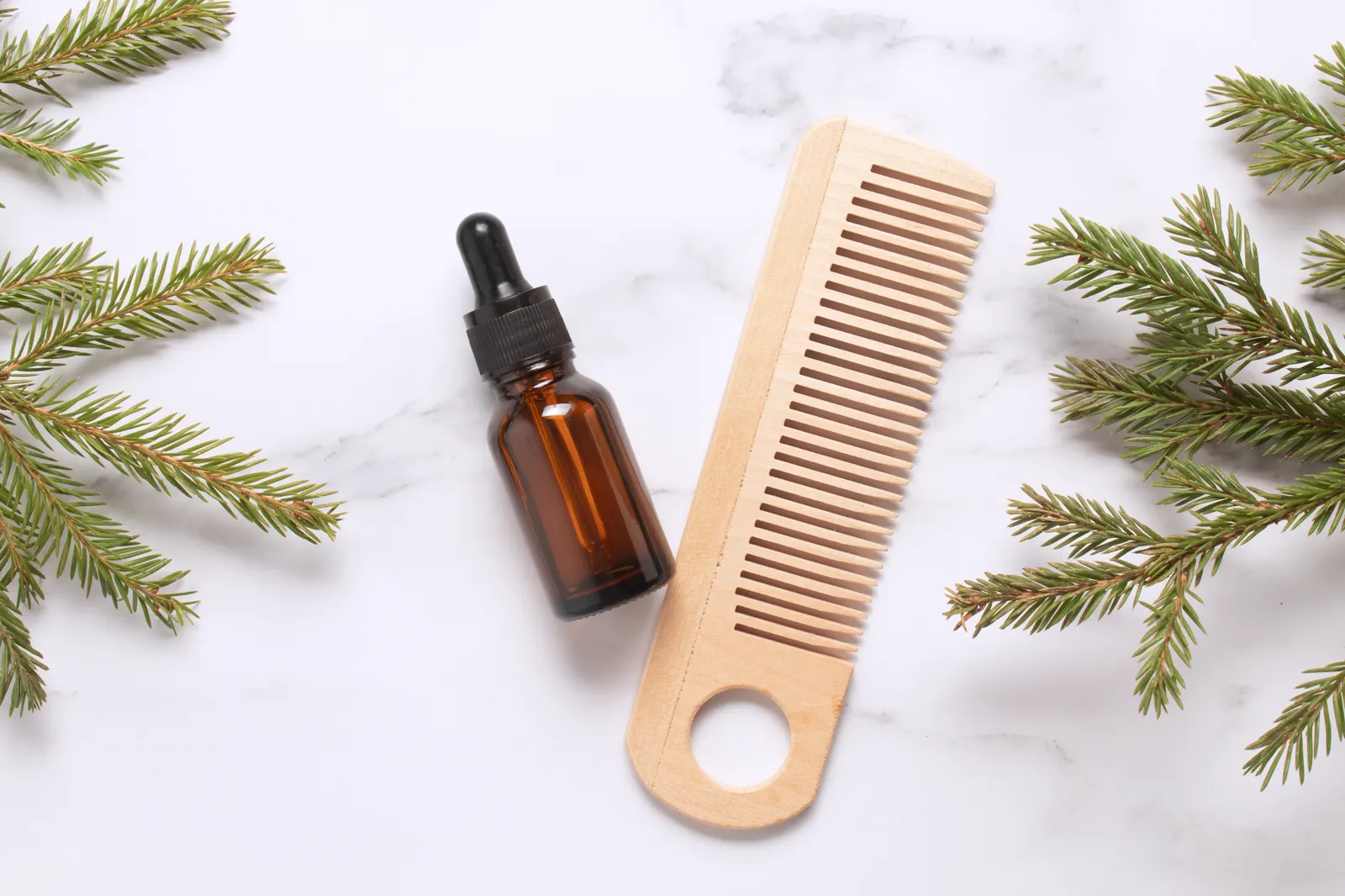 Face oil · BeginnerArgan & Jojoba Beard OilA light, woody beard oil of jojoba, argan and sunflower with a hint of Atlas cedar that softens bristles and calms the itchy skin beneath.
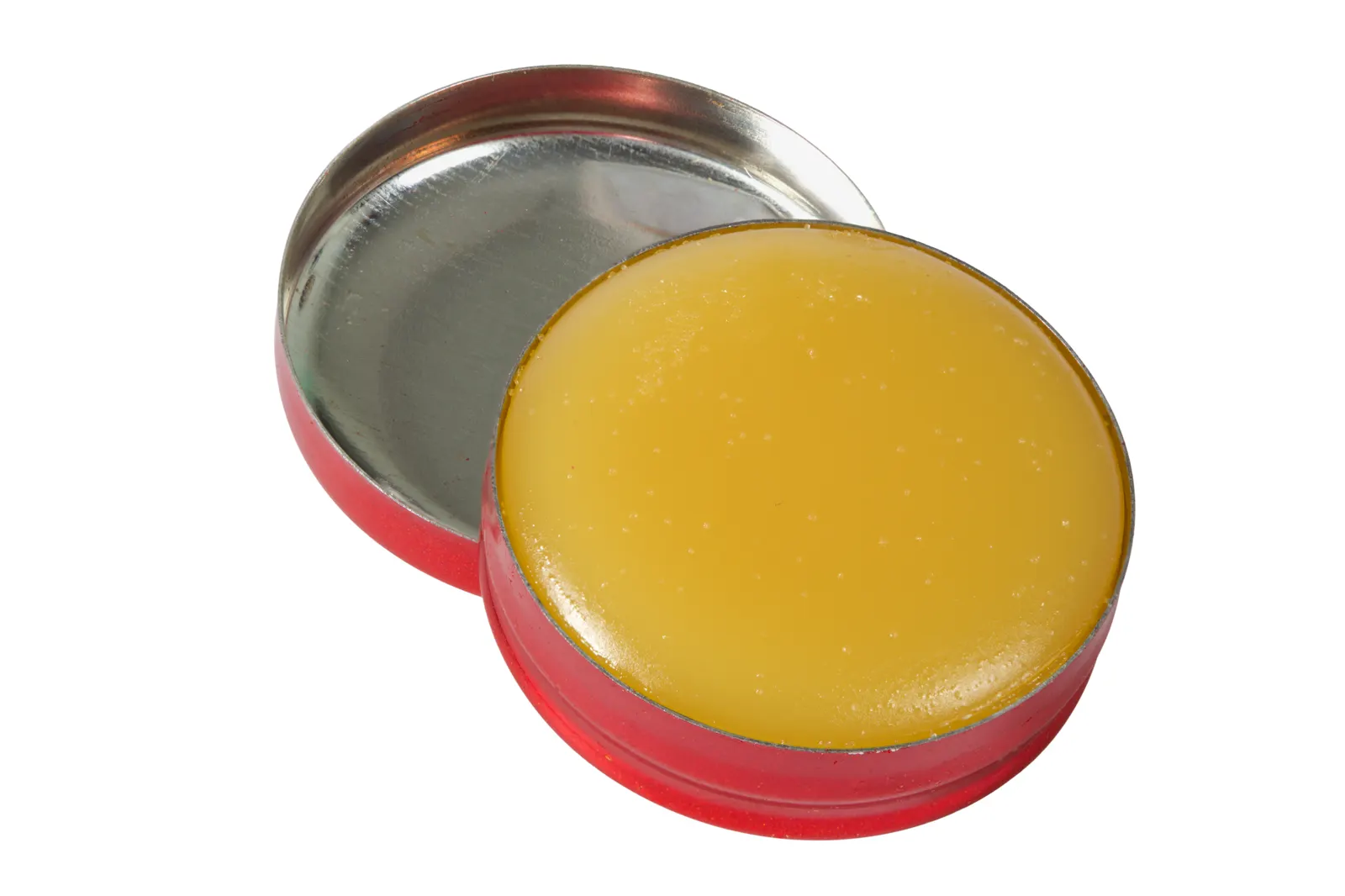 Balm · BeginnerJojoba & Beeswax Solid PerfumeA pocket-sized solid perfume of jojoba and beeswax with a soft, low-dose blend of lavender, Atlas cedar, sandalwood and neroli.
Use it safely
- Generally well tolerated when diluted; oxidized oil irritates more, so store it tightly closed and away from heat. Patch test new blends.
- Do not substitute “cedarwood” oils from junipers for Atlas cedar; check the Latin name.
- Keep away from the eyes and do not use essential oils on infants.
- Sudden, patchy or rapid hair loss needs a dermatologist’s assessment before any home remedy.
Pregnancy and breastfeeding: No specific hazard is documented, but data are lacking. If used in pregnancy or breastfeeding, keep it to ≤ 1% and skip the first trimester as a general precaution.
New to an ingredient? Patch test first.
When to see a doctor
- Sudden increase in oiliness with acne, excess facial or body hair, irregular periods or scalp hair thinning (possible androgen excess or polycystic ovary syndrome).
- Greasy, flaky, red patches around the nose, brows or scalp that persist (possible seborrheic dermatitis).
- A shiny, pearly or translucent bump that grows or bleeds, which can mimic sebaceous hyperplasia but may be a basal cell carcinoma.
- Oily skin with significant acne or scarring, or if you want to discuss prescription options.
Other plants for Oily Skin & Pores
| Ingredient | Grade | What the evidence shows |
|---|---|---|
| Green Tea | B | Small controlled trials of topical green tea extract emulsions reduced sebum production over several weeks. |
| Willow Bark | C | Natural salicylates may provide light exfoliation and smoothing, but it is much weaker than salicylic acid and poorly studied. |
| Tea Tree | C | Helpful for acne lesions on oily skin, but there is little evidence it reduces sebum itself. |
| Witch Hazel | D | Tannins give a temporary tightening, matte feel; no good evidence it reduces sebum, and alcohol-containing distillates can irritate. |
| Rhassoul Clay | D | Absorbs surface oil for a temporary matte finish and pleasant texture; does not change sebum production. |
| Jojoba | D | Often claimed to “rebalance” oil production; there is no solid human evidence, though its light, non-greasy feel suits many oily skins. |