Does it work?
Green Tea for Oily Skin & Pores
What the research says about green tea for oily skin & pores, how to use it at home and how to stay safe.
The short answer: Small controlled trials of topical green tea extract emulsions reduced sebum production over several weeks.
What it does
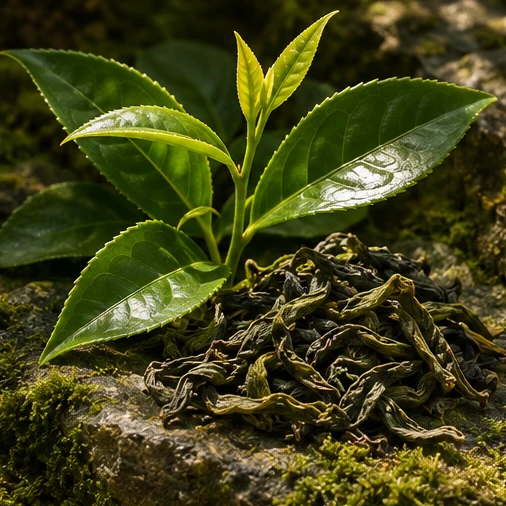
Green tea is one of the best-researched botanical antioxidants. Its catechins, led by EGCG, reduce sebum and inflammation and limit some UV-induced damage in human studies, and small trials suggest topical green tea can reduce acne. It is fragile — catechins oxidize quickly — and it is never a replacement for sunscreen.
Why people reach for it
- Reduces acne lesions. Small trials of a 2% green tea lotion and of topical EGCG reduced acne lesion counts over 6–8 weeks, with EGCG also lowering sebum production and inhibiting acne bacteria in lab work.
- Helps control oiliness. EGCG down-regulates sebocyte lipid production in cell studies, and topical green tea has reduced sebum output in small human studies.
- Antioxidant support against UV damage. Green tea polyphenols applied before UV exposure reduced redness and DNA damage in human volunteers. This complements, but never replaces, sunscreen.
- Soothes and de-puffs. Caffeine and catechins have mild vasoconstrictive and anti-inflammatory effects, which is why green tea is common in eye creams and calming toners.
How to use it
| Form | Typical use | Notes |
|---|---|---|
| Green tea leaf extract (standardized polyphenols) | 0.5–5% in serums, toners and creams | Formulate at roughly pH 4–5.5 with a chelator and vitamin E or ferulic acid; expect some color drift. Try Green Tea & Centella Soothing Toner. |
| Purified EGCG | 0.1–1% | More potent and more fragile; best in anhydrous or low-water systems, or in airless packaging. |
| Brewed tea or matcha (DIY) | Fresh, single use | A cooled brew makes a calming compress; 1 teaspoon of matcha can be stirred into a clay or honey mask. Use immediately and discard leftovers. |
Recipes for Oily Skin & Pores with Green Tea
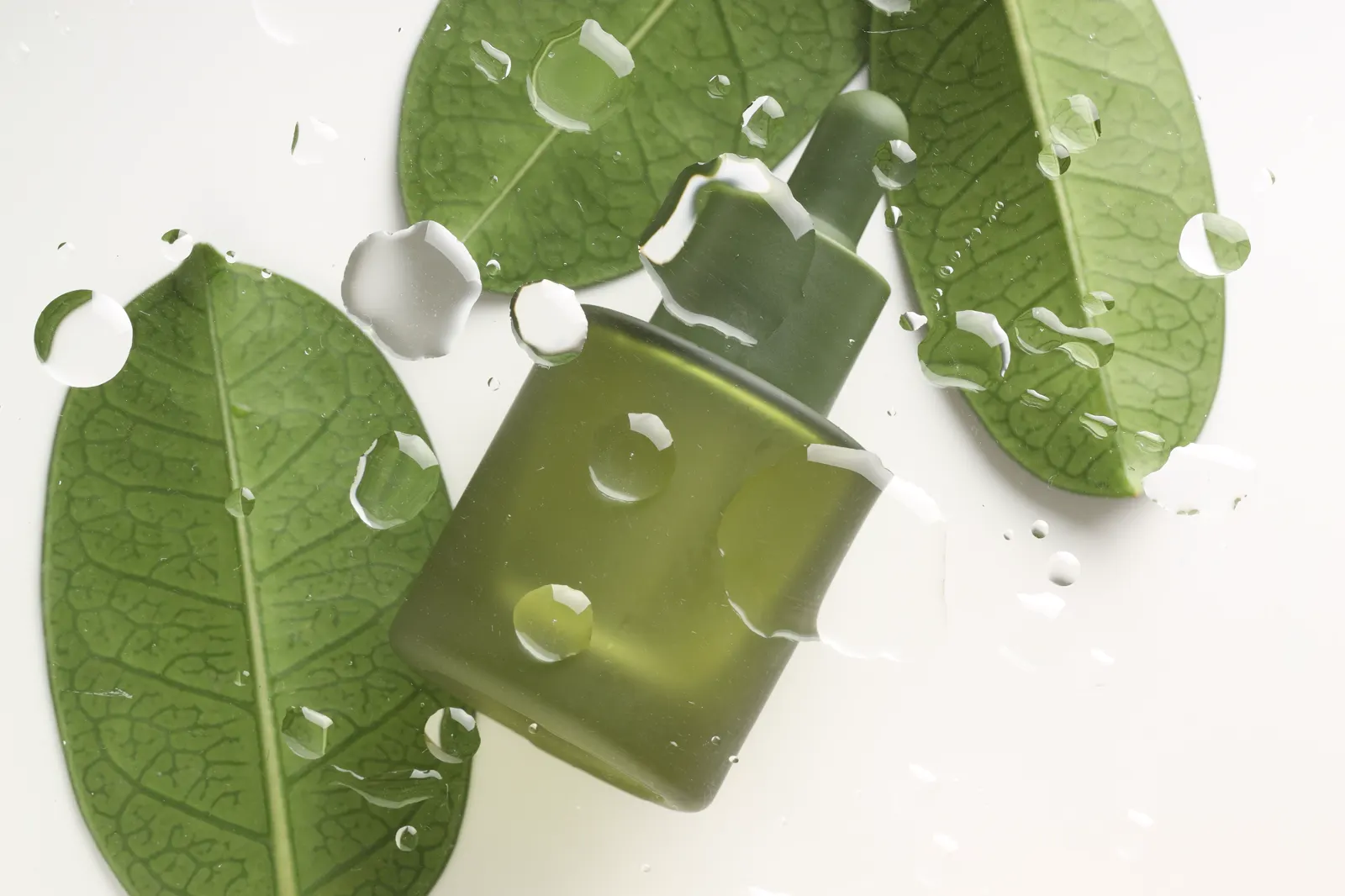 Toner · IntermediateGreen Tea & Centella Soothing TonerA preserved, alcohol-free toner with green tea, centella, witch hazel and panthenol to hydrate and calm, formulated to pH 5.0–5.5.
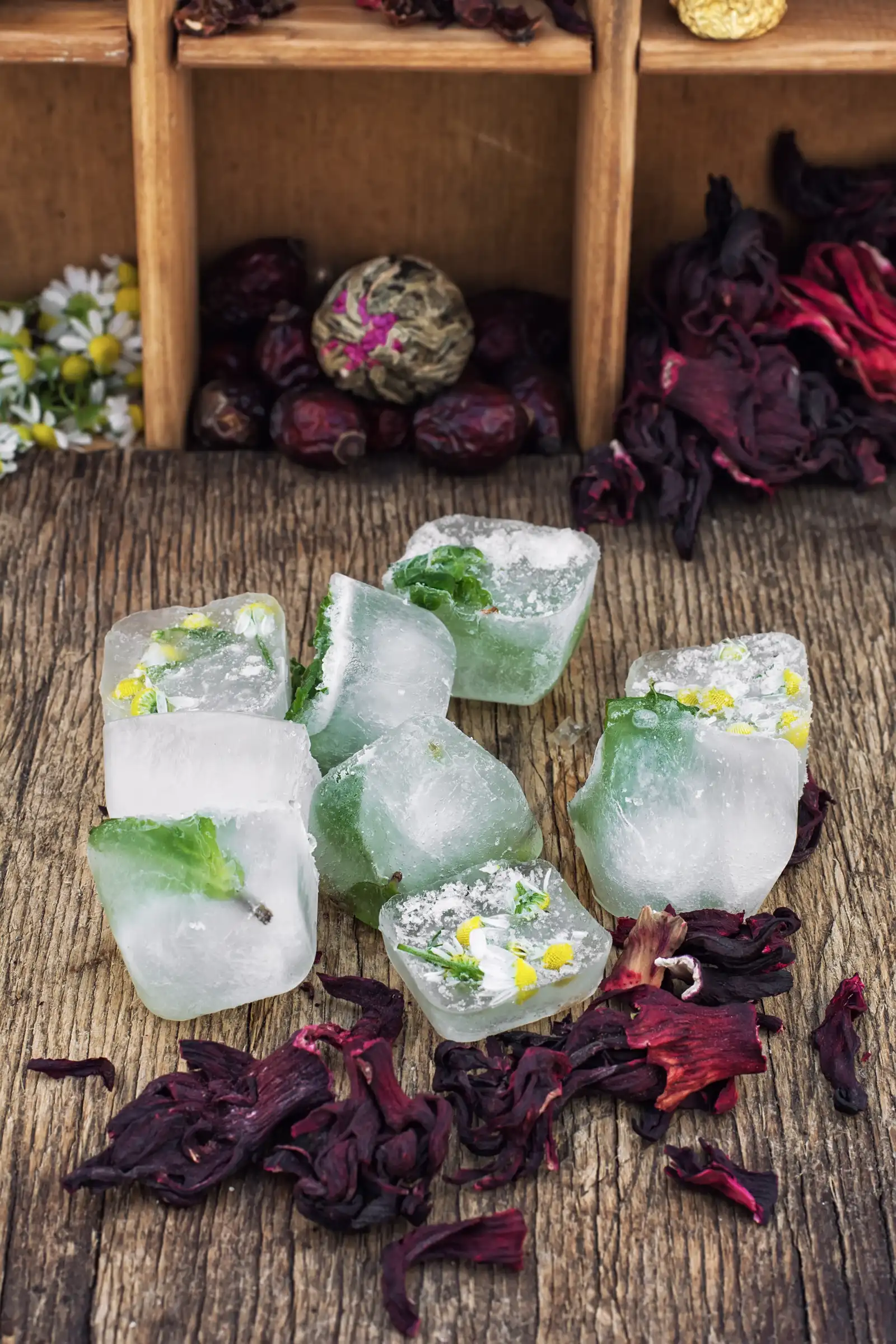 Ritual · BeginnerGreen Tea Morning Ice CubesBrewed green tea frozen into cubes for a sixty-second morning glide that wakes up puffy, sleepy skin. Kept frozen, one cube per use.
Daily rituals with Green Tea
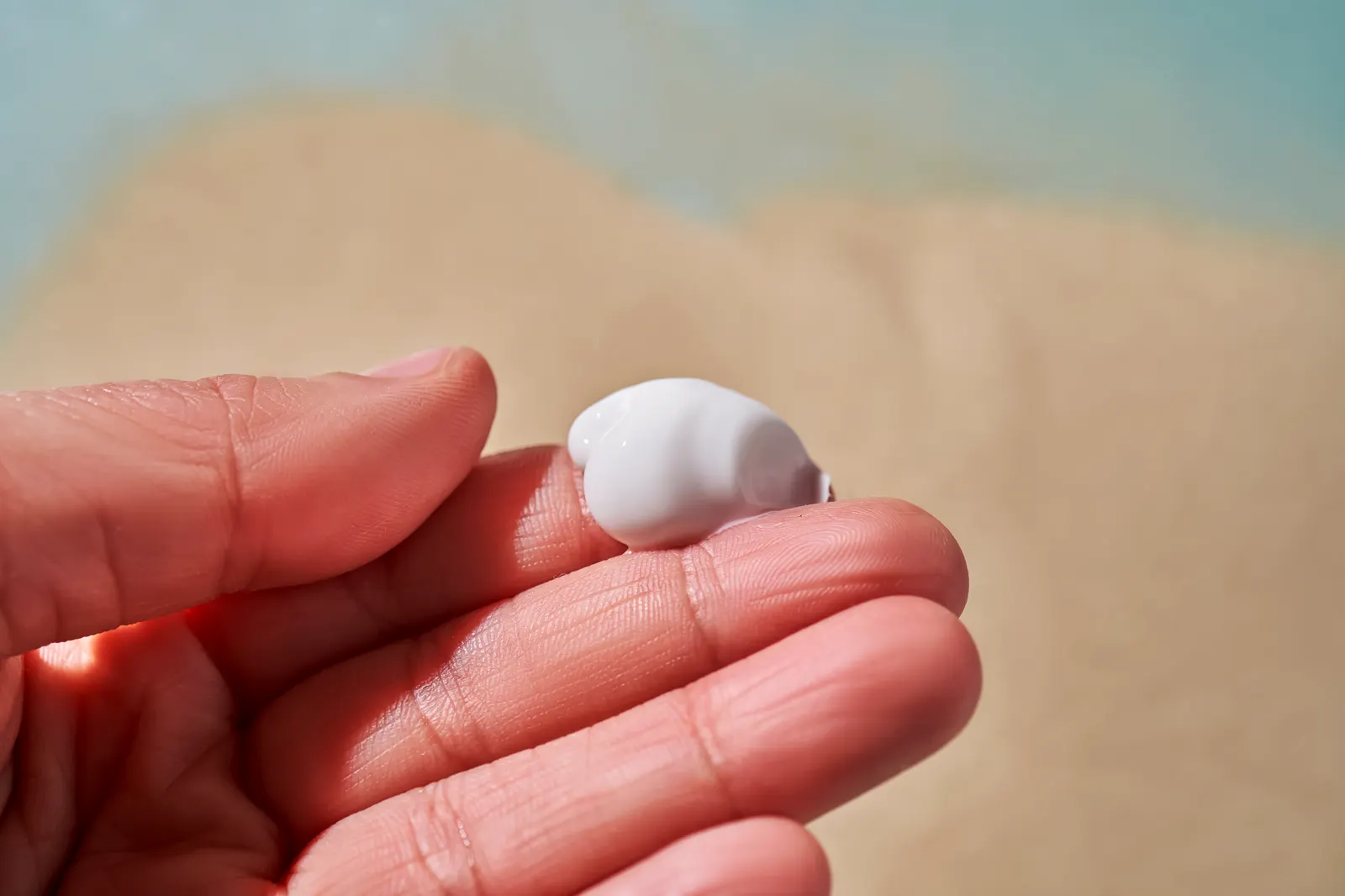 The Two-Finger Sunscreen Rule (and When to Reapply)Most of us apply a fraction of the sunscreen tested on the label. The two-finger rule fixes the dose for face and neck; here is how to reapply, too.
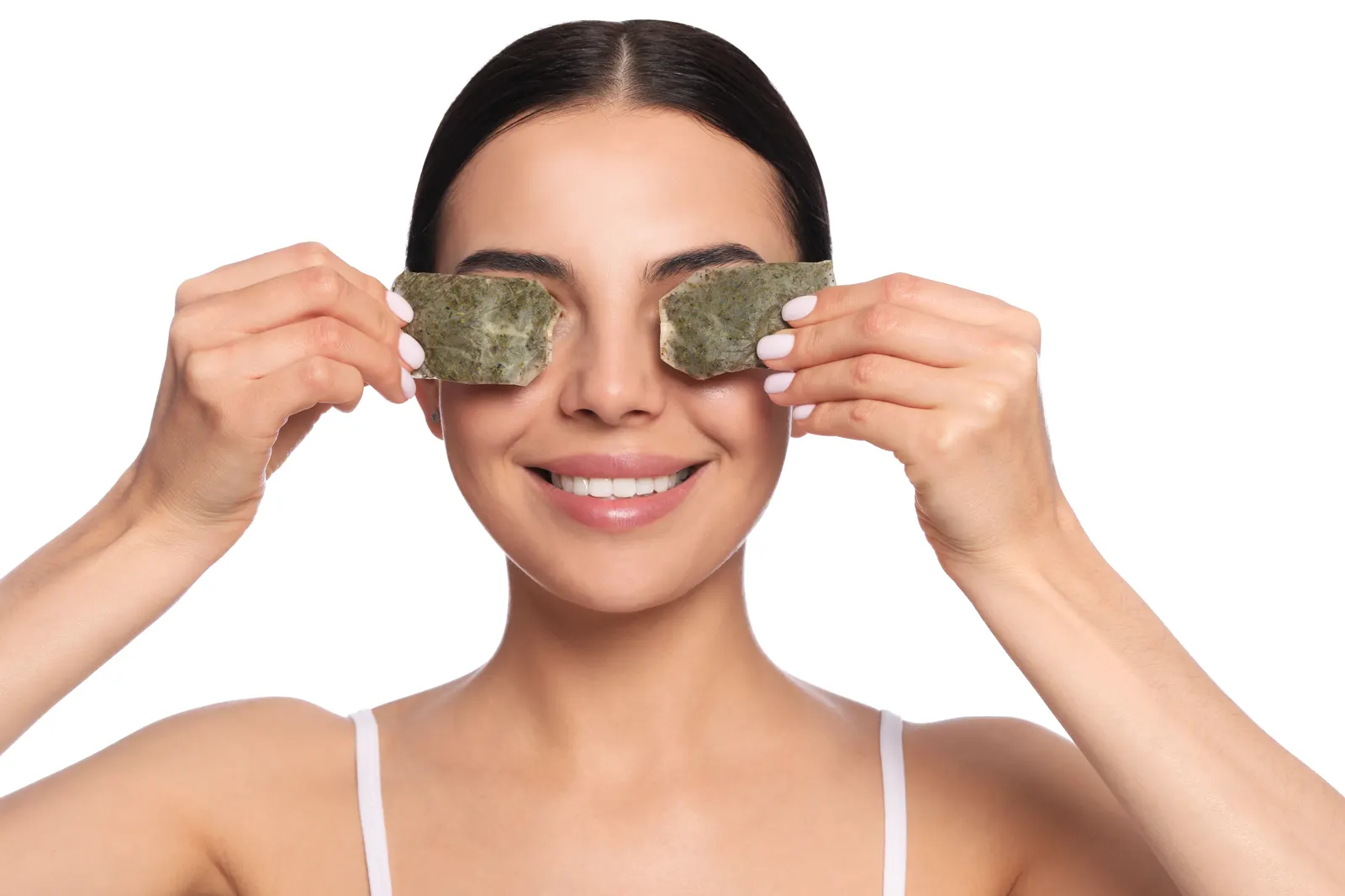 A Green Tea Cold Compress for Puffy Morning EyesChilled green tea bags on closed eyes for ten minutes: why the cold does most of the work, what caffeine adds, and when puffiness needs a doctor.
Use it safely
- Topical green tea is very well tolerated; contact allergy is rare.
- It is not a sunscreen. Use broad-spectrum SPF every day; antioxidants are an add-on.
- High-dose green tea extract supplements can cause liver injury. The European Food Safety Authority found intakes of 800 mg EGCG a day or more from supplements raised liver enzymes. Topical use does not carry this risk.
- Oxidized (brown) products have lost much of their activity; replace them.
Pregnancy and breastfeeding: Topical green tea is considered safe in pregnancy. Keep total caffeine intake within guidance (about 200 mg a day) and avoid concentrated green tea extract supplements.
New to an ingredient? Patch test first.
When to see a doctor
- Sudden increase in oiliness with acne, excess facial or body hair, irregular periods or scalp hair thinning (possible androgen excess or polycystic ovary syndrome).
- Greasy, flaky, red patches around the nose, brows or scalp that persist (possible seborrheic dermatitis).
- A shiny, pearly or translucent bump that grows or bleeds, which can mimic sebaceous hyperplasia but may be a basal cell carcinoma.
- Oily skin with significant acne or scarring, or if you want to discuss prescription options.
Other plants for Oily Skin & Pores
| Ingredient | Grade | What the evidence shows |
|---|---|---|
| Willow Bark | C | Natural salicylates may provide light exfoliation and smoothing, but it is much weaker than salicylic acid and poorly studied. |
| Tea Tree | C | Helpful for acne lesions on oily skin, but there is little evidence it reduces sebum itself. |
| Witch Hazel | D | Tannins give a temporary tightening, matte feel; no good evidence it reduces sebum, and alcohol-containing distillates can irritate. |
| Rhassoul Clay | D | Absorbs surface oil for a temporary matte finish and pleasant texture; does not change sebum production. |
| Jojoba | D | Often claimed to “rebalance” oil production; there is no solid human evidence, though its light, non-greasy feel suits many oily skins. |