Does it work?
Atlas Cedar for Thinning Hair & Hair Loss
Warm, balsamic and quietly grounding: the scent of Moroccan cedar ceilings, made for scalp and beard oils.
The short answer: One randomized trial of an essential-oil blend including Atlas cedar for alopecia areata; the oil’s own contribution is unknown, and other data are in vitro.
Our Thinning Hair & Hair Loss guide does not rank Atlas Cedar for this use yet, so this is the overall grade for Atlas Cedar.
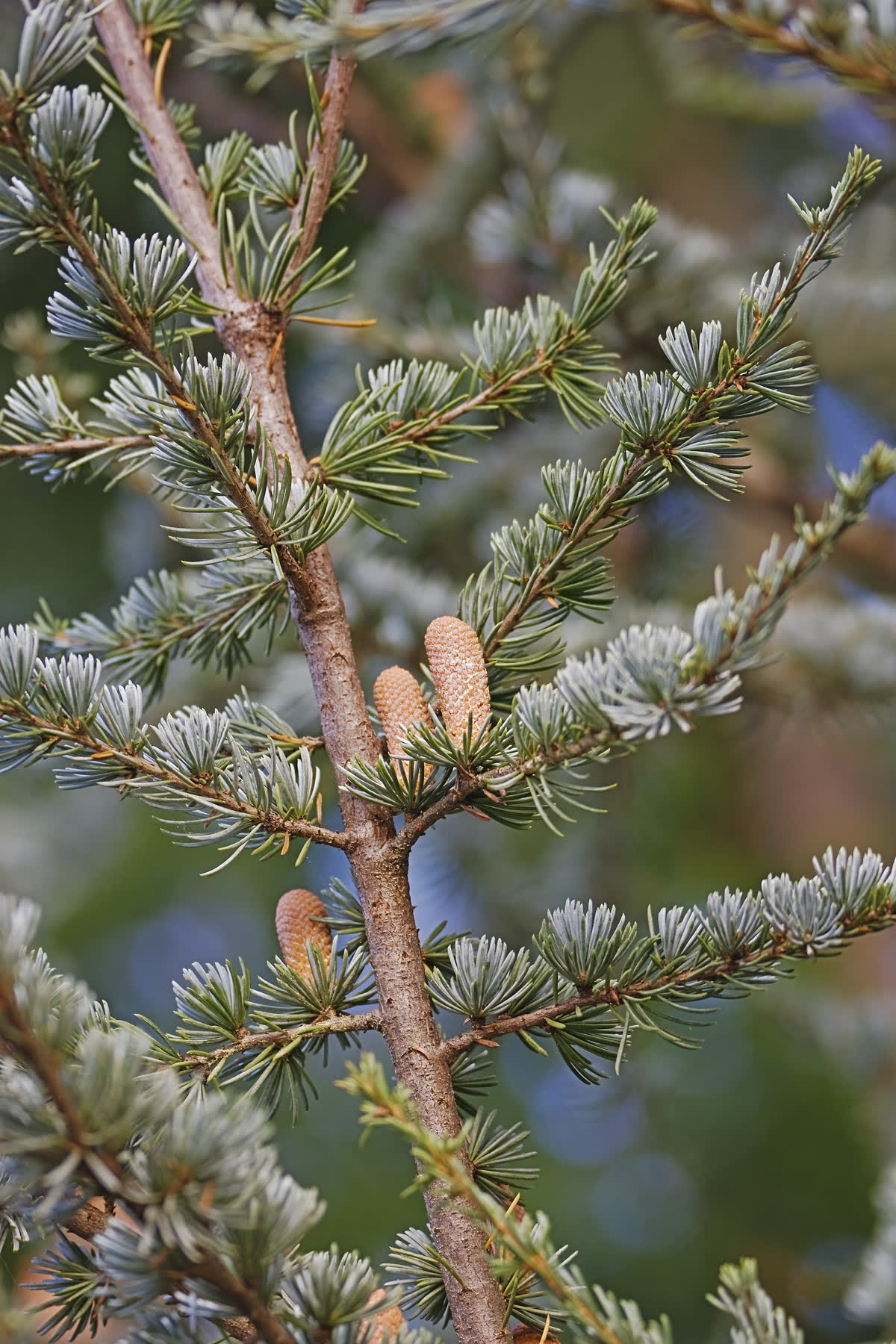
What Atlas Cedar can do for Thinning Hair & Hair Loss
The Atlas cedar is the great conifer of Morocco’s Middle Atlas and Rif mountains, home of the Barbary macaque and the source of the fragrant wood carved into the ceilings of Moroccan palaces and mosques. Its essential oil, distilled from wood chips, smells soft, balsamic and woody, and is a favorite in scalp blends and grooming products. Evidence is limited to one blended-oil trial for alopecia areata and lab studies, and the species is listed as Endangered — so source carefully.
Why people reach for it
- A grounding woody scent. Warm, dry and balsamic, Atlas cedar anchors scalp oils, beard care, soaps and natural perfumes, and is a natural partner for cistus (labdanum) and frankincense.
- Part of a trial-tested scalp blend. Atlas cedarwood was one of four essential oils in the randomized alopecia areata trial in which the blend outperformed carrier oil alone. See Thinning Hair & Hair Loss.
- Gentle by essential-oil standards. Its sesquiterpene-rich oil contains essentially none of the common EU-labeled fragrance allergens and is rarely irritating when properly diluted.
- Antifungal and repellent in the lab. The oil inhibits some fungi and repels insects in laboratory tests, a rationale for its traditional use on the scalp and in linen cupboards.
How to use it
Try it today
An evening cedar scalp massage
- Add Atlas cedar oil to a carrier such as jojoba at 1–2%; a dilution calculator does the math.
- Patch test the blend on your inner arm, then massage a little into your scalp for 2–3 minutes.
- Leave it on for an hour or overnight, then shampoo as usual.
| Form | Typical use | Notes |
|---|---|---|
| Scalp massage oil | 1–2% total essential oil in a carrier such as jojoba | Combine with rosemary, thyme (linalool type) or lavender; massage for 2–3 minutes and leave overnight or for an hour before washing. |
| Face, beard and body oils | 0.5–1% on the face and beard, up to 2% on the body | Use the Essential Oil Dilution Calculator. The oil is viscous; warm the bottle in your hand if it pours slowly. |
| Soaps, shampoos and deodorants | 0.5–2% of the formula | A good base note that helps lighter scents last. See Essential Oil Safety: The Complete Guide. |
Recipes with Atlas Cedar
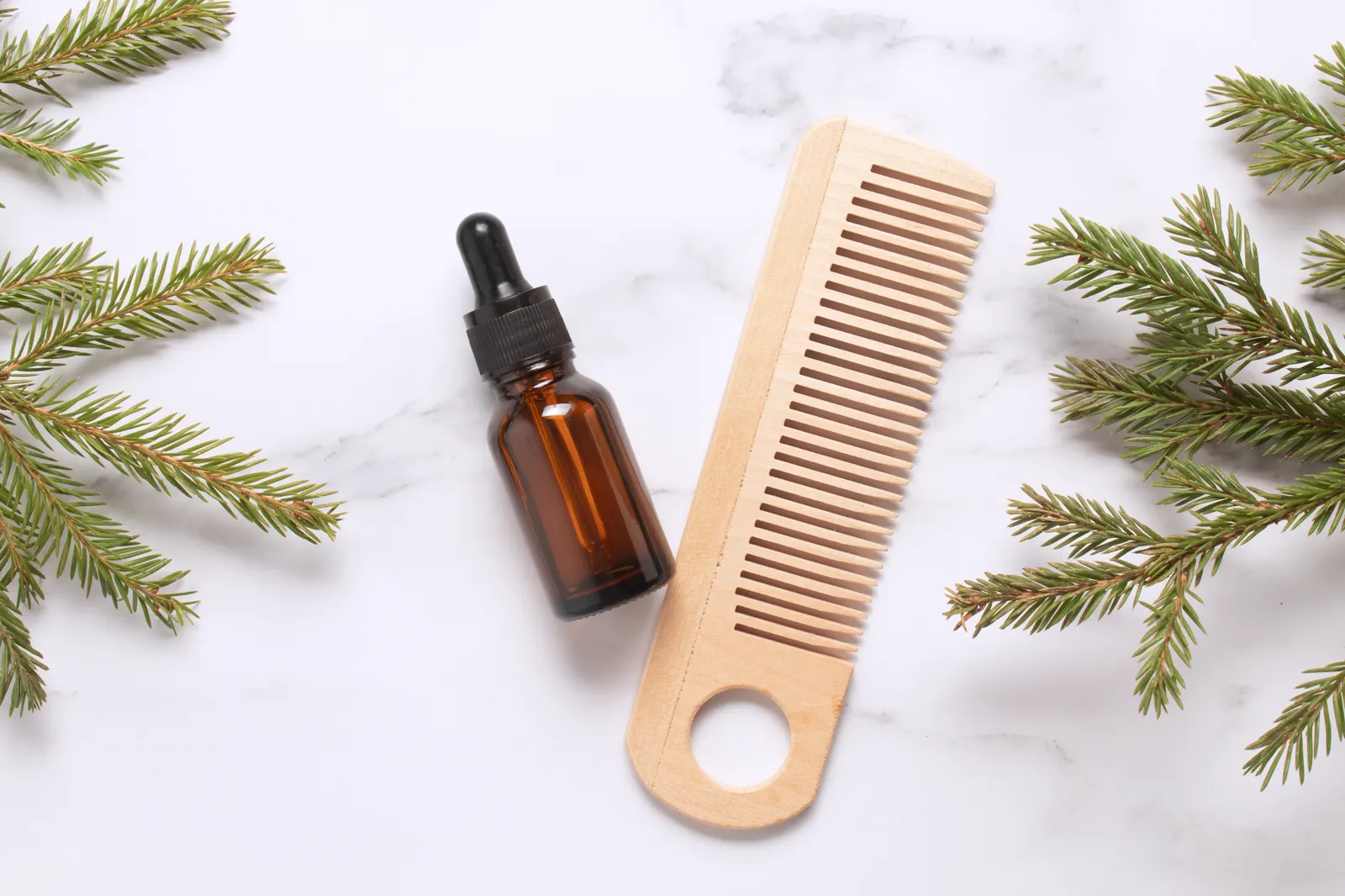 Face oil · BeginnerArgan & Jojoba Beard OilA light, woody beard oil of jojoba, argan and sunflower with a hint of Atlas cedar that softens bristles and calms the itchy skin beneath.
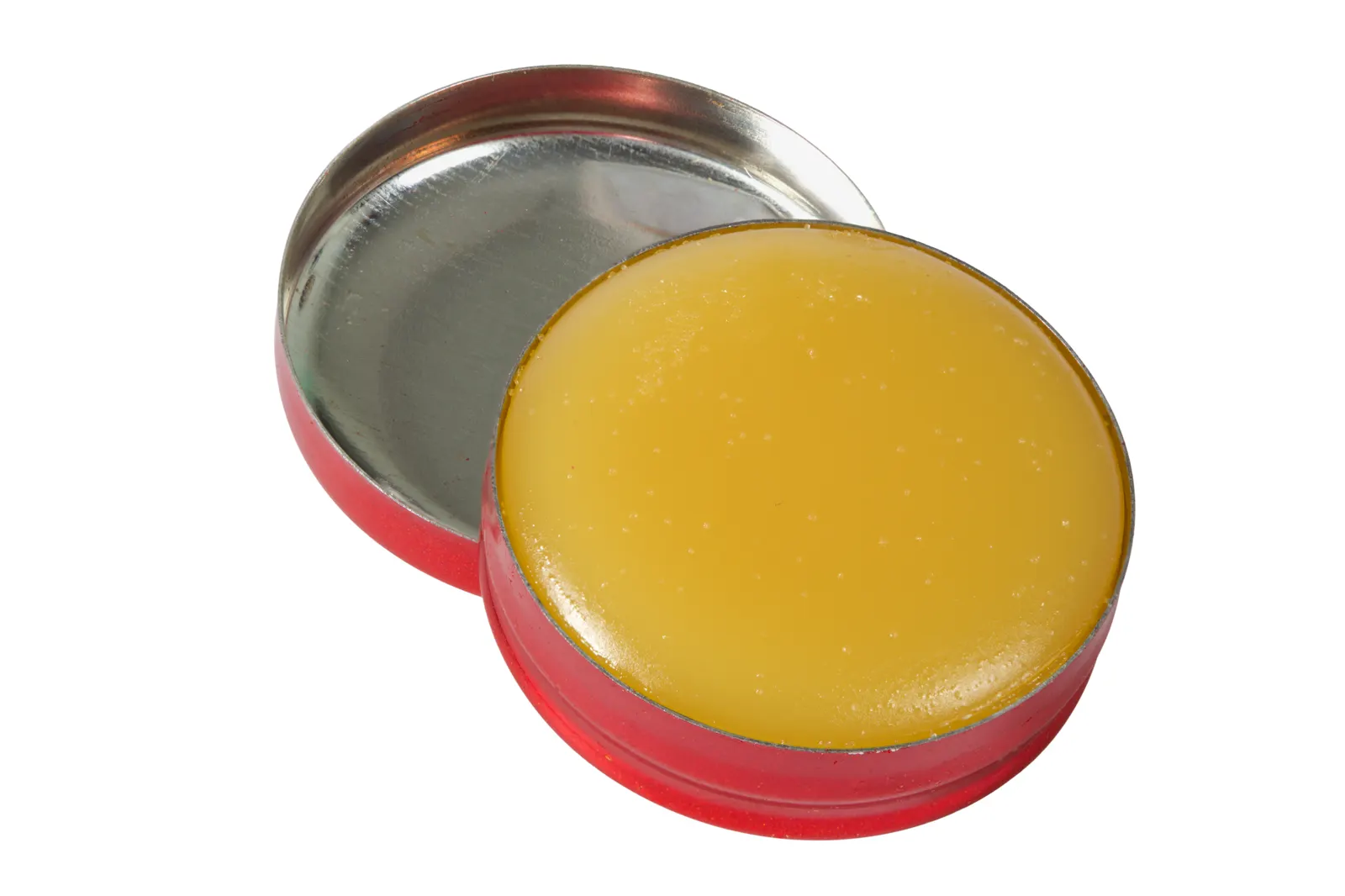 Balm · BeginnerJojoba & Beeswax Solid PerfumeA pocket-sized solid perfume of jojoba and beeswax with a soft, low-dose blend of lavender, Atlas cedar, sandalwood and neroli.
Use it safely
- Generally well tolerated when diluted; oxidized oil irritates more, so store it tightly closed and away from heat. Patch test new blends.
- Do not substitute “cedarwood” oils from junipers for Atlas cedar; check the Latin name.
- Keep away from the eyes and do not use essential oils on infants.
- Sudden, patchy or rapid hair loss needs a dermatologist’s assessment before any home remedy.
Pregnancy and breastfeeding: No specific hazard is documented, but data are lacking. If used in pregnancy or breastfeeding, keep it to ≤ 1% and skip the first trimester as a general precaution.
New to an ingredient? Patch test first.
When to see a doctor
- Sudden, patchy hair loss with smooth bald circles (possible alopecia areata).
- Hair loss with scalp itching, burning, pain, redness, scale or pustules, or a receding hairline with loss of eyebrows — possible scarring alopecia, which needs prompt specialist care.
- A child with scaly patches, broken hairs or black dots on the scalp (possible fungal infection).
- Rapid or heavy diffuse shedding lasting more than six months, or shedding with fatigue, weight change, heavy periods, feeling cold or palpitations.
- Hair loss with acne, excess body hair or irregular periods (possible androgen excess).
- Hair loss after starting a new medication — do not stop prescribed medicines without advice.
Other plants for Thinning Hair & Hair Loss
| Ingredient | Grade | What the evidence shows |
|---|---|---|
| Rosemary | C | One randomized comparative trial in androgenetic alopecia found rosemary oil gave similar hair-count gains to 2% minoxidil after six months, with less scalp itch; it was small, not placebo-controlled and has not been replicated. |
| Pumpkin Seed Oil | C | A placebo-controlled trial of an oral supplement containing pumpkin seed oil increased hair counts in men; it was a multi-ingredient product, and topical data are minimal. |
| Fenugreek | C | A small placebo-controlled trial of an oral fenugreek seed extract reported improved hair growth and thickness; topical use is traditional. |
| Peppermint | D | A mouse study showed hair growth with diluted peppermint oil; there are no meaningful human trials, and it can irritate the scalp. |
| Green Tea | D | EGCG inhibits 5-alpha-reductase and supports follicle cells in the lab; human evidence is lacking. |
| Stinging Nettle | D | Nettle root affects androgen pathways in prostate research, but there are no good hair-loss trials. |
| Castor Oil | D | A popular remedy with no published evidence of hair growth; it can coat hair and, rarely, cause severe matting. |