Does it work?
Willow Bark for Oily Skin & Pores
What the research says about willow bark for oily skin & pores, how to use it at home and how to stay safe.
The short answer: Natural salicylates may provide light exfoliation and smoothing, but it is much weaker than salicylic acid and poorly studied.
What it does
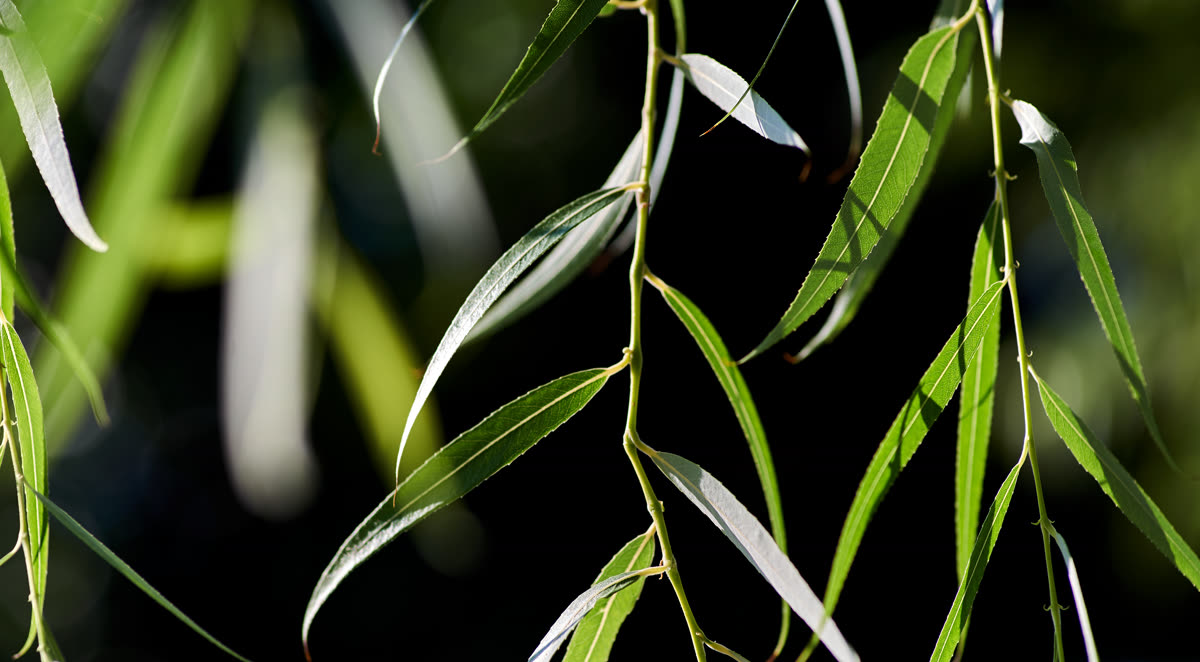
Willow bark is the plant that led chemists to aspirin, so it is often marketed as “natural salicylic acid” or a “natural BHA.” In reality, it contains salicin, a sugar-bound precursor that the body converts to salicylic acid only after swallowing it, mostly in the gut and liver. On skin, willow bark extract is a gentle, tannin-rich soother and mild astringent; if you want real exfoliation and pore-clearing, you need actual salicylic acid.
Why people reach for it
- Mild astringent and toner. Tannins (procyanidins) give a light tightening, shine-reducing feel on Oily Skin & Pores.
- Soothing and antioxidant. Polyphenols and flavonoids show anti-inflammatory and antioxidant activity in lab studies.
- Gentle alternative for very sensitive skin. Because it does not exfoliate like salicylic acid, it is unlikely to cause the dryness and peeling acids can; that is also why its effect on blemishes is modest.
How to use it
| Form | Typical use | Notes |
|---|---|---|
| Extract in toners and cleansers | 1–5% (per supplier) | A soothing, lightly astringent addition for oily skin; water-based formulas need a preservative. |
| Scalp tonic or shampoo | 1–3% extract | For an oily scalp feel; for genuine flaking, salicylic acid or antifungal shampoos are better (see Dandruff & Itchy Scalp). |
| When you want real exfoliation | Salicylic acid 0.5–2% (within local regulatory limits) | Use a properly formulated salicylic acid product rather than relying on willow bark. See Acne & Breakouts. |
Use it safely
- If you are allergic to aspirin or other salicylates, or have aspirin-sensitive asthma, avoid willow bark products (and never take willow bark orally) unless your doctor approves.
- Do not give oral willow bark to children or teenagers (risk of Reye’s syndrome, as with aspirin) or combine it orally with anticoagulants or NSAIDs.
- Topically it is usually well tolerated; tannins can feel drying on already dry skin.
- Check labels: “willow bark” products for acne often also contain synthetic salicylic acid, which is regulated in the EU with concentration limits and restrictions for young children.
Pregnancy and breastfeeding: Avoid oral willow bark in pregnancy and breastfeeding. Topical extracts at cosmetic levels are likely low-risk, but salicylic acid products should be used only as your clinician advises.
New to an ingredient? Patch test first.
When to see a doctor
- Sudden increase in oiliness with acne, excess facial or body hair, irregular periods or scalp hair thinning (possible androgen excess or polycystic ovary syndrome).
- Greasy, flaky, red patches around the nose, brows or scalp that persist (possible seborrheic dermatitis).
- A shiny, pearly or translucent bump that grows or bleeds, which can mimic sebaceous hyperplasia but may be a basal cell carcinoma.
- Oily skin with significant acne or scarring, or if you want to discuss prescription options.
Other plants for Oily Skin & Pores
| Ingredient | Grade | What the evidence shows |
|---|---|---|
| Green Tea | B | Small controlled trials of topical green tea extract emulsions reduced sebum production over several weeks. |
| Tea Tree | C | Helpful for acne lesions on oily skin, but there is little evidence it reduces sebum itself. |
| Witch Hazel | D | Tannins give a temporary tightening, matte feel; no good evidence it reduces sebum, and alcohol-containing distillates can irritate. |
| Rhassoul Clay | D | Absorbs surface oil for a temporary matte finish and pleasant texture; does not change sebum production. |
| Jojoba | D | Often claimed to “rebalance” oil production; there is no solid human evidence, though its light, non-greasy feel suits many oily skins. |