Does it work?
Tea Tree for Oily Skin & Pores
What the research says about tea tree for oily skin & pores, how to use it at home and how to stay safe.
The short answer: Helpful for acne lesions on oily skin, but there is little evidence it reduces sebum itself.
What it does
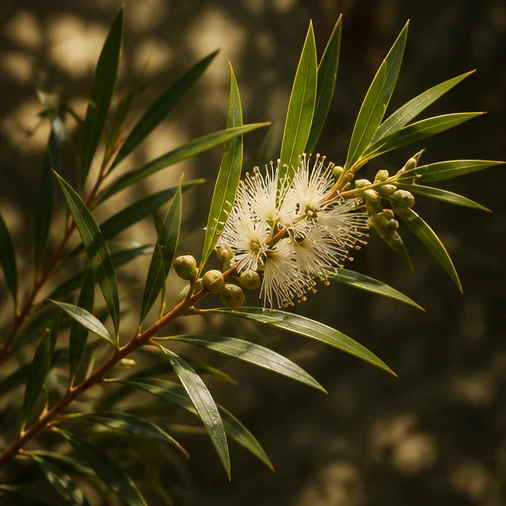
Tea tree oil is one of the few botanicals with randomized trial evidence for acne: a 5% gel worked about as well as 5% benzoyl peroxide, more slowly but with fewer side effects, and a 5% shampoo helped dandruff. Its active, terpinen-4-ol, is antimicrobial and anti-inflammatory. The main risks are irritation from neat use and allergy to oxidized oil.
Why people reach for it
- Treats mild-to-moderate acne. A 5% gel reduced inflamed and non-inflamed lesions comparably to 5% benzoyl peroxide over three months, and outperformed placebo in a separate trial. It acts more slowly than benzoyl peroxide.
- Fewer side effects than benzoyl peroxide. In the head-to-head trial, dryness, itching and stinging were much less common with tea tree oil gel than with benzoyl peroxide lotion.
- Reduces dandruff. A 5% tea tree oil shampoo improved dandruff severity significantly more than placebo over four weeks, consistent with its activity against Malassezia yeasts.
- Broad antimicrobial activity. Terpinen-4-ol is active against bacteria (including C. acnes and S. aureus) and fungi in the lab, and also reduces inflammatory mediators.
How to use it
| Form | Typical use | Notes |
|---|---|---|
| Spot or acne gel | Up to 5% (the concentration used in trials), on blemishes only | Apply once or twice daily to affected areas; expect results over 6–12 weeks. For whole-face leave-on products keep to about 1%. See Tea Tree Blemish Spot Gel and Essential Oil Dilution Calculator. |
| Shampoo for dandruff | 5% in a rinse-off shampoo | Lather into the scalp and leave 3–5 minutes before rinsing, daily or on alternate days. Use a solubilizer so the oil disperses evenly. |
| Cleanser or face wash | 0.5–1% | Rinse-off contact is short, so this is a gentler, lower-risk way to use tea tree on oily skin. |
Recipes for Oily Skin & Pores with Tea Tree
Daily rituals with Tea Tree
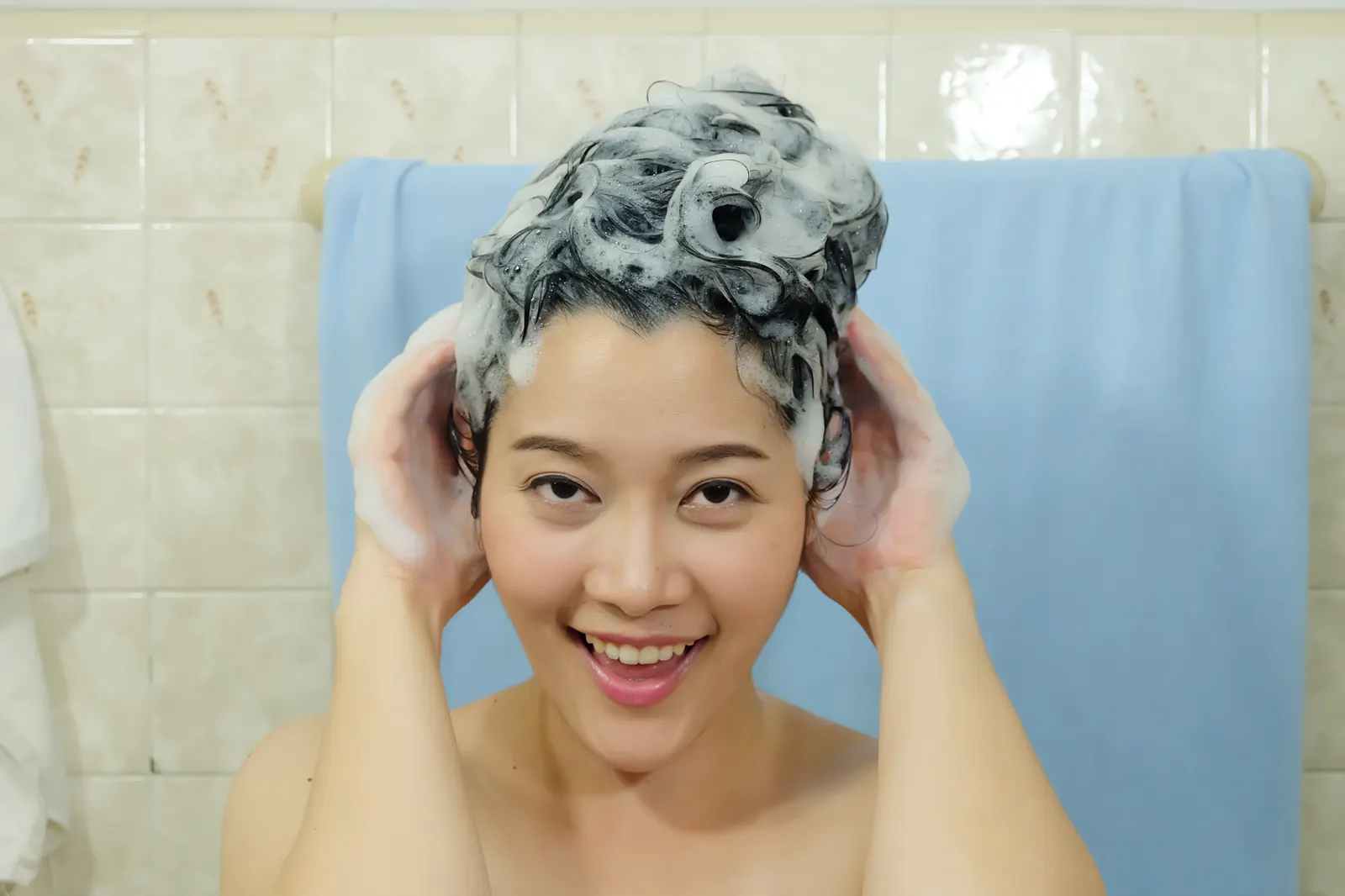 Give Your Dandruff Shampoo Five MinutesMedicated dandruff shampoos need contact time to work. Lather on the scalp, wait the minutes on the label, then rinse and condition the lengths.
 A First Skincare Routine for TeensCleanse, moisturize, sunscreen: a calm, three-step first routine for teenagers, with one simple add-on for spots and what to skip online.
Use it safely
- Oxidized oil is a sensitizer. Buy small bottles, keep them tightly closed in the fridge or a cool dark place, and discard after about 6–12 months or if the smell turns harsh or turpentine-like.
- Never apply neat to skin, ears or mucous membranes; undiluted oil commonly causes irritation and allergic dermatitis. Patch test first (How to Patch Test).
- Toxic if swallowed: even small amounts have caused drowsiness, confusion and loss of coordination in children. Keep out of reach of children and pets — cats are especially sensitive, even to skin application.
- Tea tree oil appears in case reports of reversible prepubertal breast enlargement (with lavender); avoid frequent liberal use on young children.
- See a doctor for nodular, cystic or scarring acne — these need prescription treatment. See Acne & Breakouts.
Pregnancy and breastfeeding: Diluted topical use is generally considered acceptable in pregnancy and breastfeeding. Never take it orally, and keep it away from the nipple area if breastfeeding.
New to an ingredient? Patch test first.
When to see a doctor
- Sudden increase in oiliness with acne, excess facial or body hair, irregular periods or scalp hair thinning (possible androgen excess or polycystic ovary syndrome).
- Greasy, flaky, red patches around the nose, brows or scalp that persist (possible seborrheic dermatitis).
- A shiny, pearly or translucent bump that grows or bleeds, which can mimic sebaceous hyperplasia but may be a basal cell carcinoma.
- Oily skin with significant acne or scarring, or if you want to discuss prescription options.
Other plants for Oily Skin & Pores
| Ingredient | Grade | What the evidence shows |
|---|---|---|
| Green Tea | B | Small controlled trials of topical green tea extract emulsions reduced sebum production over several weeks. |
| Willow Bark | C | Natural salicylates may provide light exfoliation and smoothing, but it is much weaker than salicylic acid and poorly studied. |
| Witch Hazel | D | Tannins give a temporary tightening, matte feel; no good evidence it reduces sebum, and alcohol-containing distillates can irritate. |
| Rhassoul Clay | D | Absorbs surface oil for a temporary matte finish and pleasant texture; does not change sebum production. |
| Jojoba | D | Often claimed to “rebalance” oil production; there is no solid human evidence, though its light, non-greasy feel suits many oily skins. |