Does it work?
Peppermint for Thinning Hair & Hair Loss
What the research says about peppermint for thinning hair & hair loss, how to use it at home and how to stay safe.
The short answer: A mouse study showed hair growth with diluted peppermint oil; there are no meaningful human trials, and it can irritate the scalp.
What it does
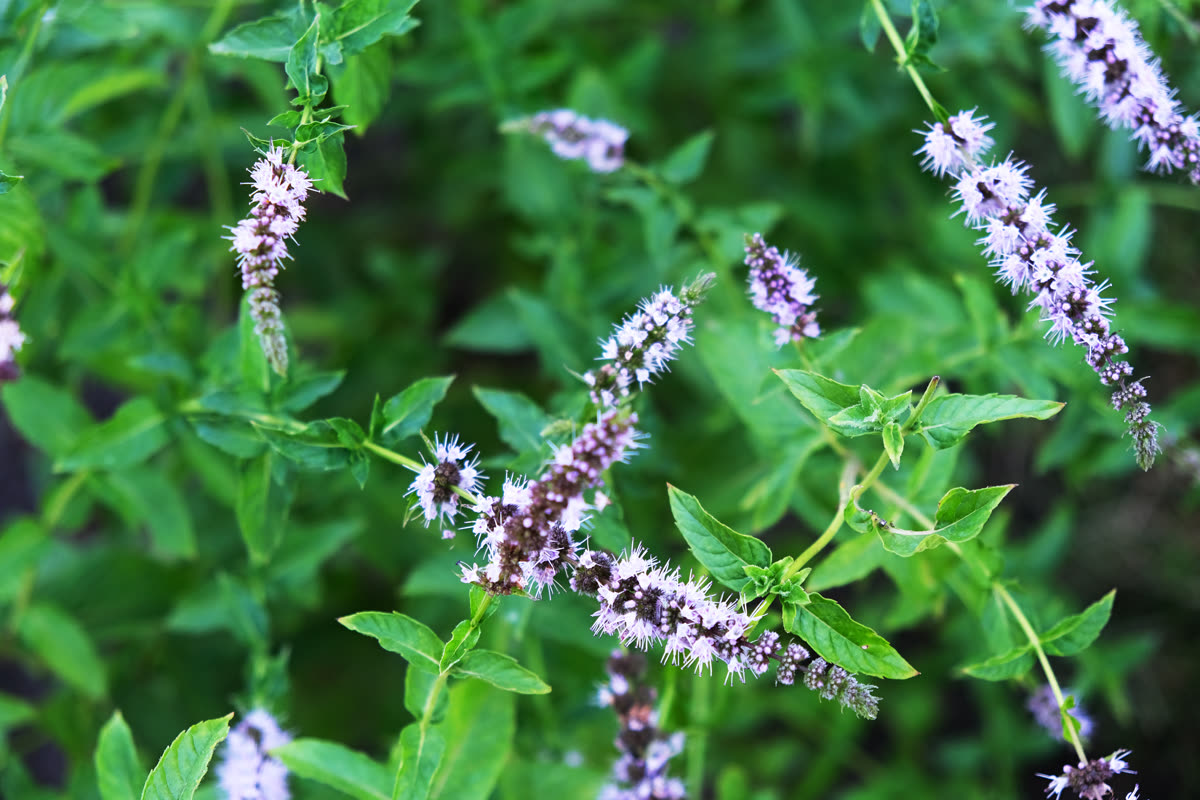
Peppermint oil gets its signature chill from menthol, which tricks the skin’s cold sensors without actually lowering temperature. That makes it a popular addition to scalp tonics, foot creams and after-sport gels, where it can ease itch and feel refreshing. Its reputation as a hair-growth oil comes from a single study in mice; in people it is best treated as a sensory, comfort ingredient that must be well diluted.
Why people reach for it
- Instant cooling sensation. Menthol activates TRPM8, the receptor that normally signals cold, giving a fresh, tingling feel at low concentrations.
- Relief from itch. Cooling counter-irritation can temporarily dampen itch on the scalp or body, which is why menthol appears in anti-itch and after-sun products.
- Scalp refresh. In rinse-off shampoos and diluted tonics it makes an oily or itchy scalp feel cleaner; it does not treat the cause of Dandruff & Itchy Scalp on its own.
- Hair growth (animal data only). A 2014 study in mice found 3% peppermint oil increased hair follicle number and depth over four weeks. This has not been shown in humans.
How to use it
| Form | Typical use | Notes |
|---|---|---|
| Scalp tonic or shampoo (rinse-off) | 0.5–1% essential oil | Pre-dilute in a solubilizer before adding to water-based products. Keep it out of the eyes when rinsing. |
| Leave-on scalp or body product | 0.25–1% essential oil (or 0.1–0.5% menthol) | Start low: tingling should be pleasant, not burning. Use the Essential Oil Dilution Calculator. |
| Foot or after-sport gel | 1–2% essential oil | Thicker skin of the feet and legs tolerates more; avoid freshly shaved or broken skin. |
| Leaf infusion rinse | 5–10 g dried leaf per 250 ml hot water, cooled | A gentle, low-menthol option; make fresh and discard leftovers. |
Recipes with Peppermint
Daily rituals with Peppermint
Use it safely
- Never apply peppermint oil or menthol on or near the face, nose or chest of infants and young children: menthol can trigger reflex breathing problems (laryngospasm, apnea). Menthol has also been linked to jaundice in newborns with G6PD deficiency.
- Undiluted oil can burn and sensitize. Keep face products at or below about 0.5% and away from the eye area. See Essential Oil Safety: The Complete Guide.
- “Plumping” lip glosses with peppermint work by mild irritation; skip them if lips crack or sting.
- Contact allergy to peppermint oil and menthol is uncommon but documented, especially in toothpaste and lip products.
Pregnancy and breastfeeding: Low-dose topical use (≤1% on limited areas) is generally considered acceptable; avoid concentrated or oral use of the oil without medical advice.
New to an ingredient? Patch test first.
When to see a doctor
- Sudden, patchy hair loss with smooth bald circles (possible alopecia areata).
- Hair loss with scalp itching, burning, pain, redness, scale or pustules, or a receding hairline with loss of eyebrows — possible scarring alopecia, which needs prompt specialist care.
- A child with scaly patches, broken hairs or black dots on the scalp (possible fungal infection).
- Rapid or heavy diffuse shedding lasting more than six months, or shedding with fatigue, weight change, heavy periods, feeling cold or palpitations.
- Hair loss with acne, excess body hair or irregular periods (possible androgen excess).
- Hair loss after starting a new medication — do not stop prescribed medicines without advice.
Other plants for Thinning Hair & Hair Loss
| Ingredient | Grade | What the evidence shows |
|---|---|---|
| Rosemary | C | One randomized comparative trial in androgenetic alopecia found rosemary oil gave similar hair-count gains to 2% minoxidil after six months, with less scalp itch; it was small, not placebo-controlled and has not been replicated. |
| Pumpkin Seed Oil | C | A placebo-controlled trial of an oral supplement containing pumpkin seed oil increased hair counts in men; it was a multi-ingredient product, and topical data are minimal. |
| Fenugreek | C | A small placebo-controlled trial of an oral fenugreek seed extract reported improved hair growth and thickness; topical use is traditional. |
| Green Tea | D | EGCG inhibits 5-alpha-reductase and supports follicle cells in the lab; human evidence is lacking. |
| Stinging Nettle | D | Nettle root affects androgen pathways in prostate research, but there are no good hair-loss trials. |
| Castor Oil | D | A popular remedy with no published evidence of hair growth; it can coat hair and, rarely, cause severe matting. |