Does it work?
Stinging Nettle for Thinning Hair & Hair Loss
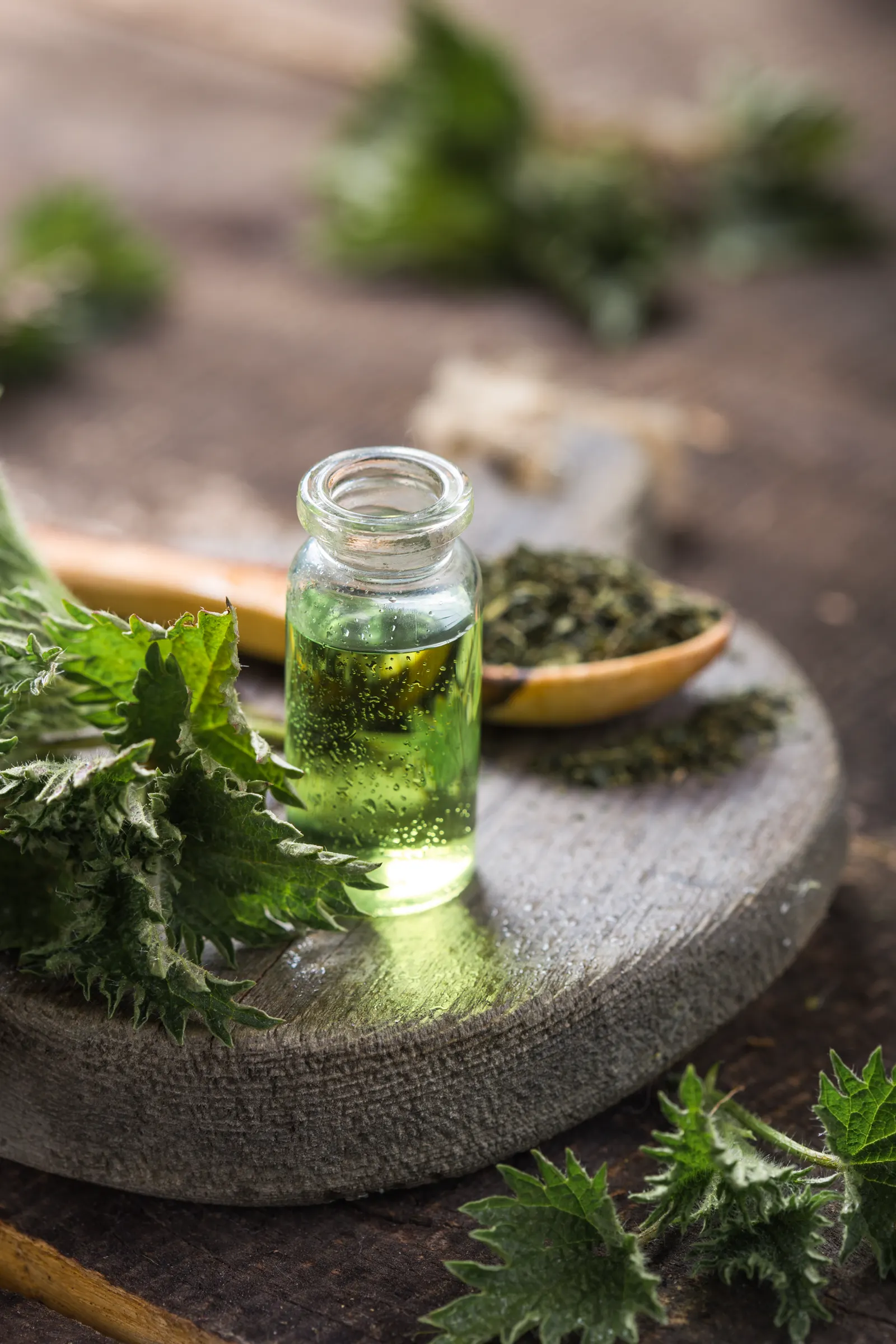
Stinging nettle, tamed and dried, makes a fresh, green scalp rinse straight from the European herbal tradition.
The short answer: Nettle root affects androgen pathways in prostate research, but there are no good hair-loss trials.
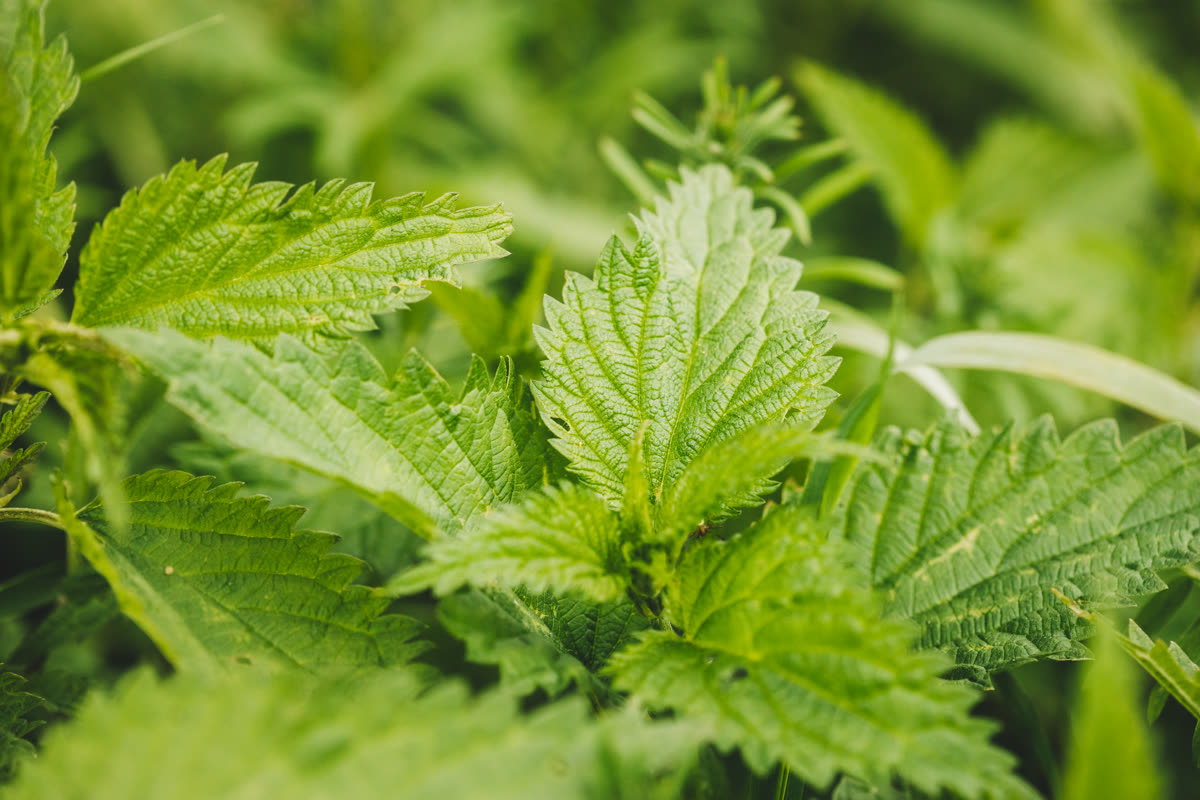
What Stinging Nettle can do for Thinning Hair & Hair Loss
Stinging nettle has been a scalp tonic in European folk tradition for centuries, used in rinses for oily hair, flaking and shedding. Dried or cooked nettle loses its sting and is gentle on skin. Nettle root extracts show some anti-androgen-related activity in lab studies, which fuels hair-loss claims, but there are no good human trials of nettle for hair, so it is best treated as a pleasant, traditional tonic.
Why people reach for it
- Traditional scalp tonic. Nettle rinses are used to refresh an oily scalp and reduce the look of flakes; this is long-standing tradition rather than tested in trials. See Dandruff & Itchy Scalp.
- Antioxidant and anti-inflammatory (lab data). Leaf flavonoids and caffeic-acid derivatives show antioxidant and anti-inflammatory activity in the lab.
- Hair-loss hypothesis (unproven). Root extracts have shown weak effects on 5α-reductase and sex-hormone binding in vitro; no human study shows nettle prevents hair loss. See Thinning Hair & Hair Loss.
How to use it
Try it today
A green nettle rinse
- Steep 5–10 g dried nettle leaf in 250 ml hot water, then let it cool.
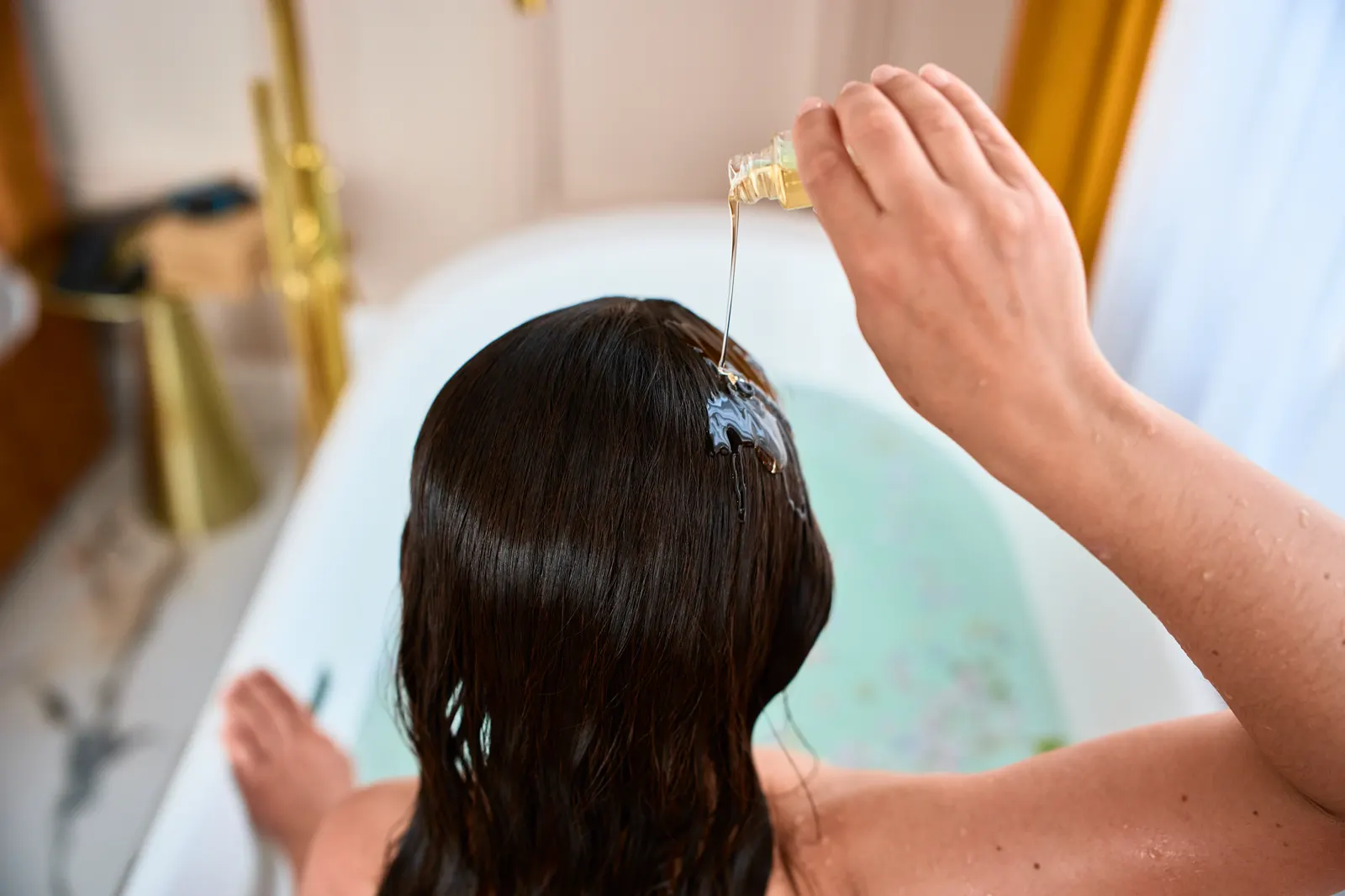
- After shampooing, pour it over your scalp and leave it in or rinse lightly.
- Pour away any leftovers the same day, and make it fresh each time.
| Form | Typical use | Notes |
|---|---|---|
| Infusion hair rinse | 5–10 g dried leaf per 250 ml hot water, cooled | Pour over the scalp after shampooing and leave in or rinse lightly. Make fresh; discard leftovers within a day. |
| Scalp tonic | 2–5% nettle extract or glycerite in a preserved water/hydrosol base | Pairs with rosemary; see Nettle & Rosemary Scalp Tonic. Water-based tonics need a preservative. |
| Shampoo or conditioner additive | 0.5–3% extract | For an oily scalp feel; mainly a marketing-friendly botanical at these levels. |
Recipes for Thinning Hair & Hair Loss with Stinging Nettle
Daily rituals with Stinging Nettle
Use it safely
- Fresh nettle stings and can cause contact urticaria (itchy welts); use dried or processed material, and wear gloves when harvesting.
- Allergy to processed nettle is uncommon; patch test before leave-on use.
- Oral nettle (especially root, or concentrated supplements) can interact with diuretics, lithium, blood-pressure, diabetes and blood-thinning medicines; topical use does not raise these issues.
Pregnancy and breastfeeding: Topical rinses are considered low-risk. Avoid medicinal oral doses, especially of the root, during pregnancy unless your clinician advises them.
New to an ingredient? Patch test first.
When to see a doctor
- Sudden, patchy hair loss with smooth bald circles (possible alopecia areata).
- Hair loss with scalp itching, burning, pain, redness, scale or pustules, or a receding hairline with loss of eyebrows — possible scarring alopecia, which needs prompt specialist care.
- A child with scaly patches, broken hairs or black dots on the scalp (possible fungal infection).
- Rapid or heavy diffuse shedding lasting more than six months, or shedding with fatigue, weight change, heavy periods, feeling cold or palpitations.
- Hair loss with acne, excess body hair or irregular periods (possible androgen excess).
- Hair loss after starting a new medication — do not stop prescribed medicines without advice.
Other plants for Thinning Hair & Hair Loss
| Ingredient | Grade | What the evidence shows |
|---|---|---|
| Rosemary | C | One randomized comparative trial in androgenetic alopecia found rosemary oil gave similar hair-count gains to 2% minoxidil after six months, with less scalp itch; it was small, not placebo-controlled and has not been replicated. |
| Pumpkin Seed Oil | C | A placebo-controlled trial of an oral supplement containing pumpkin seed oil increased hair counts in men; it was a multi-ingredient product, and topical data are minimal. |
| Fenugreek | C | A small placebo-controlled trial of an oral fenugreek seed extract reported improved hair growth and thickness; topical use is traditional. |
| Peppermint | D | A mouse study showed hair growth with diluted peppermint oil; there are no meaningful human trials, and it can irritate the scalp. |
| Green Tea | D | EGCG inhibits 5-alpha-reductase and supports follicle cells in the lab; human evidence is lacking. |
| Castor Oil | D | A popular remedy with no published evidence of hair growth; it can coat hair and, rarely, cause severe matting. |