Does it work?
Green Tea for Thinning Hair & Hair Loss
What the research says about green tea for thinning hair & hair loss, how to use it at home and how to stay safe.
The short answer: EGCG inhibits 5-alpha-reductase and supports follicle cells in the lab; human evidence is lacking.

What it does
Green tea is one of the best-researched botanical antioxidants. Its catechins, led by EGCG, reduce sebum and inflammation and limit some UV-induced damage in human studies, and small trials suggest topical green tea can reduce acne. It is fragile — catechins oxidize quickly — and it is never a replacement for sunscreen.
Why people reach for it
- Reduces acne lesions. Small trials of a 2% green tea lotion and of topical EGCG reduced acne lesion counts over 6–8 weeks, with EGCG also lowering sebum production and inhibiting acne bacteria in lab work.
- Helps control oiliness. EGCG down-regulates sebocyte lipid production in cell studies, and topical green tea has reduced sebum output in small human studies.
- Antioxidant support against UV damage. Green tea polyphenols applied before UV exposure reduced redness and DNA damage in human volunteers. This complements, but never replaces, sunscreen.
- Soothes and de-puffs. Caffeine and catechins have mild vasoconstrictive and anti-inflammatory effects, which is why green tea is common in eye creams and calming toners.
How to use it
| Form | Typical use | Notes |
|---|---|---|
| Green tea leaf extract (standardized polyphenols) | 0.5–5% in serums, toners and creams | Formulate at roughly pH 4–5.5 with a chelator and vitamin E or ferulic acid; expect some color drift. Try Green Tea & Centella Soothing Toner. |
| Purified EGCG | 0.1–1% | More potent and more fragile; best in anhydrous or low-water systems, or in airless packaging. |
| Brewed tea or matcha (DIY) | Fresh, single use | A cooled brew makes a calming compress; 1 teaspoon of matcha can be stirred into a clay or honey mask. Use immediately and discard leftovers. |
Recipes with Green Tea
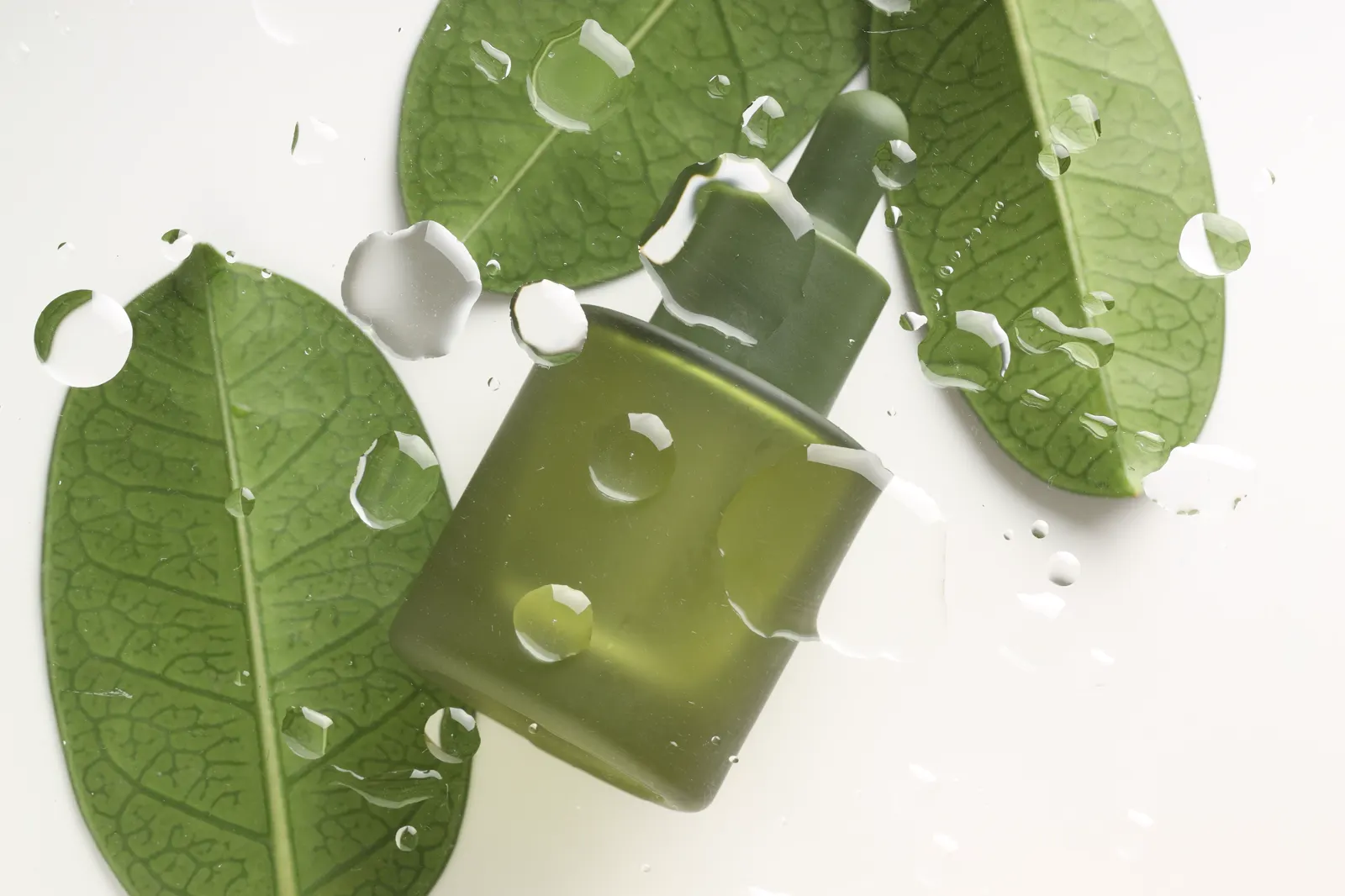 Toner · IntermediateGreen Tea & Centella Soothing TonerA preserved, alcohol-free toner with green tea, centella, witch hazel and panthenol to hydrate and calm, formulated to pH 5.0–5.5.
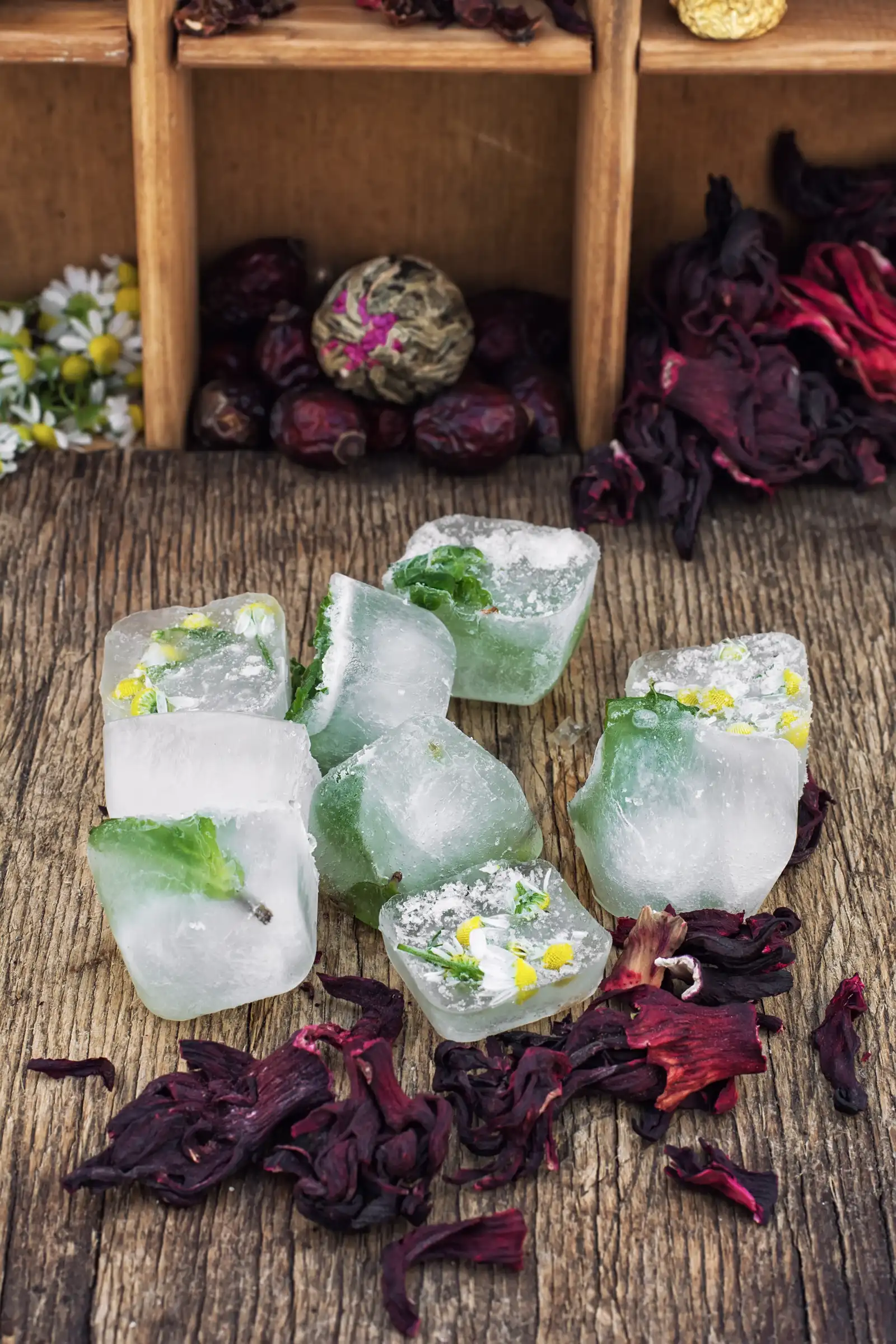 Ritual · BeginnerGreen Tea Morning Ice CubesBrewed green tea frozen into cubes for a sixty-second morning glide that wakes up puffy, sleepy skin. Kept frozen, one cube per use.
Daily rituals with Green Tea
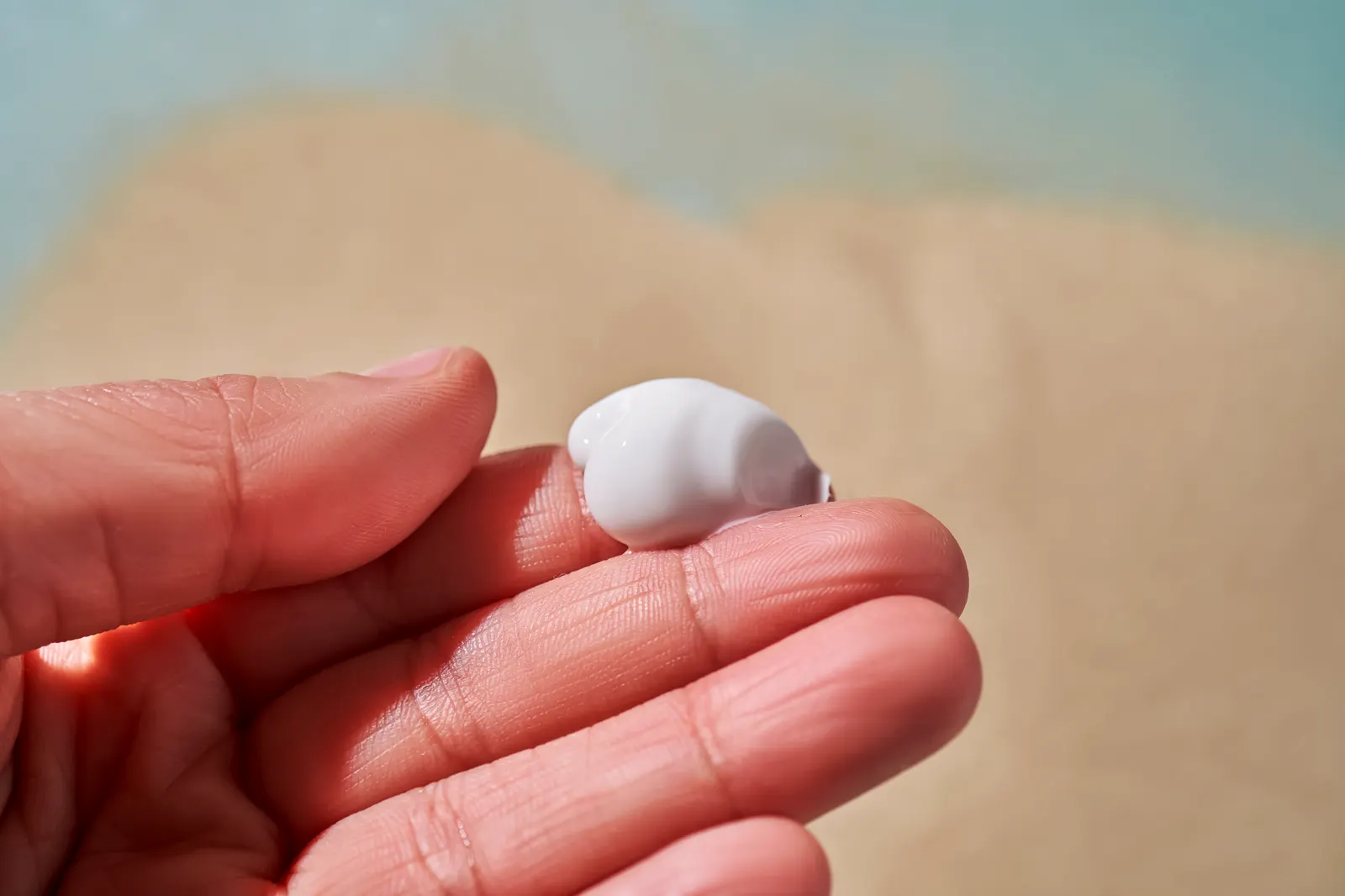 The Two-Finger Sunscreen Rule (and When to Reapply)Most of us apply a fraction of the sunscreen tested on the label. The two-finger rule fixes the dose for face and neck; here is how to reapply, too.
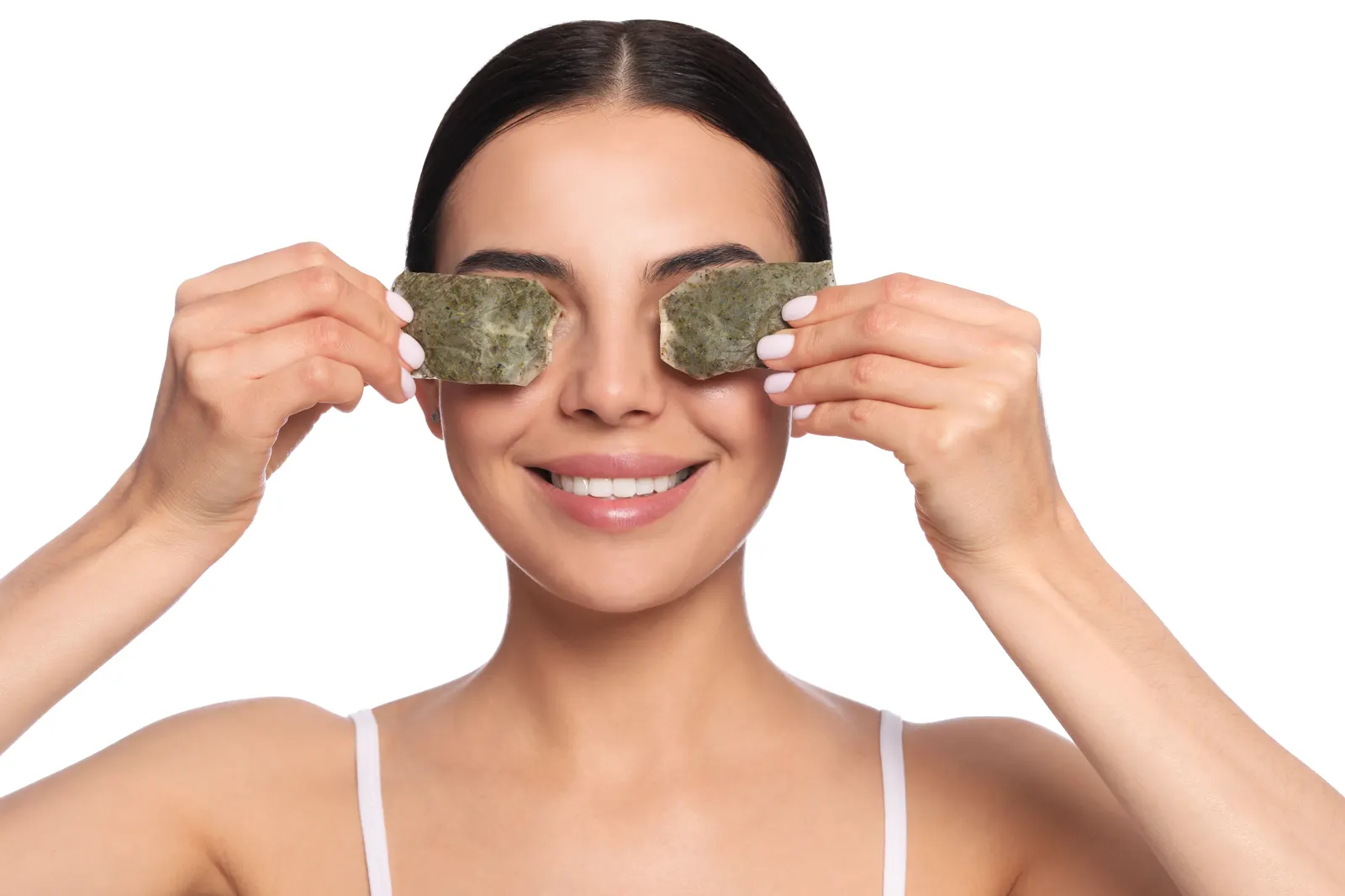 A Green Tea Cold Compress for Puffy Morning EyesChilled green tea bags on closed eyes for ten minutes: why the cold does most of the work, what caffeine adds, and when puffiness needs a doctor.
Use it safely
- Topical green tea is very well tolerated; contact allergy is rare.
- It is not a sunscreen. Use broad-spectrum SPF every day; antioxidants are an add-on.
- High-dose green tea extract supplements can cause liver injury. The European Food Safety Authority found intakes of 800 mg EGCG a day or more from supplements raised liver enzymes. Topical use does not carry this risk.
- Oxidized (brown) products have lost much of their activity; replace them.
Pregnancy and breastfeeding: Topical green tea is considered safe in pregnancy. Keep total caffeine intake within guidance (about 200 mg a day) and avoid concentrated green tea extract supplements.
New to an ingredient? Patch test first.
When to see a doctor
- Sudden, patchy hair loss with smooth bald circles (possible alopecia areata).
- Hair loss with scalp itching, burning, pain, redness, scale or pustules, or a receding hairline with loss of eyebrows — possible scarring alopecia, which needs prompt specialist care.
- A child with scaly patches, broken hairs or black dots on the scalp (possible fungal infection).
- Rapid or heavy diffuse shedding lasting more than six months, or shedding with fatigue, weight change, heavy periods, feeling cold or palpitations.
- Hair loss with acne, excess body hair or irregular periods (possible androgen excess).
- Hair loss after starting a new medication — do not stop prescribed medicines without advice.
Other plants for Thinning Hair & Hair Loss
| Ingredient | Grade | What the evidence shows |
|---|---|---|
| Rosemary | C | One randomized comparative trial in androgenetic alopecia found rosemary oil gave similar hair-count gains to 2% minoxidil after six months, with less scalp itch; it was small, not placebo-controlled and has not been replicated. |
| Pumpkin Seed Oil | C | A placebo-controlled trial of an oral supplement containing pumpkin seed oil increased hair counts in men; it was a multi-ingredient product, and topical data are minimal. |
| Fenugreek | C | A small placebo-controlled trial of an oral fenugreek seed extract reported improved hair growth and thickness; topical use is traditional. |
| Peppermint | D | A mouse study showed hair growth with diluted peppermint oil; there are no meaningful human trials, and it can irritate the scalp. |
| Stinging Nettle | D | Nettle root affects androgen pathways in prostate research, but there are no good hair-loss trials. |
| Castor Oil | D | A popular remedy with no published evidence of hair growth; it can coat hair and, rarely, cause severe matting. |