Does it work?
Castor Oil for Thinning Hair & Hair Loss
What the research says about castor oil for thinning hair & hair loss, how to use it at home and how to stay safe.
The short answer: A popular remedy with no published evidence of hair growth; it can coat hair and, rarely, cause severe matting.
What it does
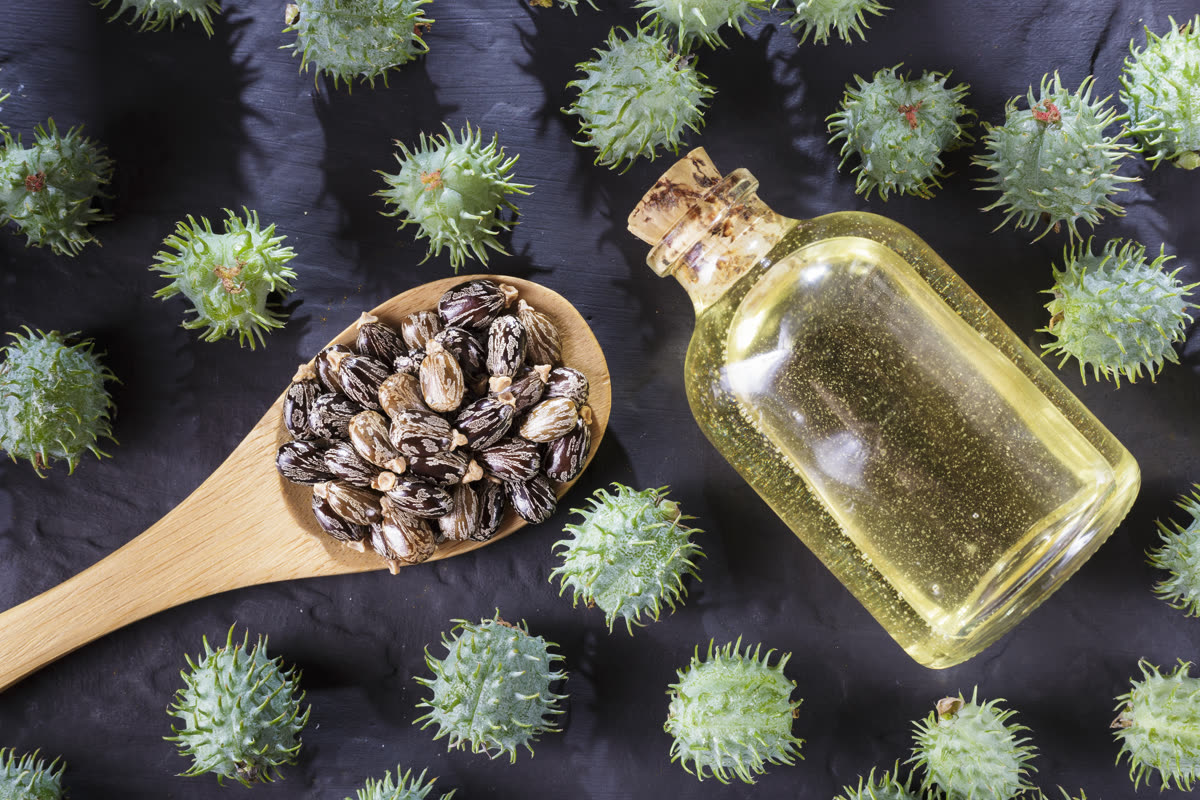
Castor oil is pressed from the seeds of the castor plant and is unlike any other common oil: almost all of it is ricinoleic acid, a fatty acid carrying a hydroxyl group that makes the oil thick, glossy and able to dissolve pigments. It is a superb cosmetic ingredient for lipsticks, balms and hair shine, but the popular claim that it makes hair, brows or lashes grow has no clinical evidence.
Why people reach for it
- Gloss and cushion in lip products. High viscosity and polarity give shine, wet pigments well and help lipsticks and balms glide.
- Hair shine and smoothing. A drop or two on ends coats the cuticle and adds gloss to dry hair, reducing visible frizz.
- Rich occlusive for very dry patches. A small amount in balms seals dry cuticles, heels and lips.
- Useful derivatives. Hydrogenated castor oil (castor wax) structures balms; PEG-40 hydrogenated castor oil solubilizes essential oils in water; zinc ricinoleate absorbs odor in deodorants.
How to use it
| Form | Typical use | Notes |
|---|---|---|
| Lip balm and lipstick | 10–40% of the formula | Adds gloss and helps disperse mineral pigments. |
| Hair finishing | 1–3 drops on ends, or 5–20% of a hair-oil blend | Dilute with lighter oils such as jojoba; apply in sections and comb gently to avoid tangling. |
| Oil cleansing | 10–30% of a cleansing-oil blend | Cleans well but is drying at high levels; do not use neat on the face. |
| Balms | 5–15% of an anhydrous balm | Adds cushion and slip; hydrogenated castor oil (castor wax) at 2–10% adds firmness. |
Recipes with Castor Oil
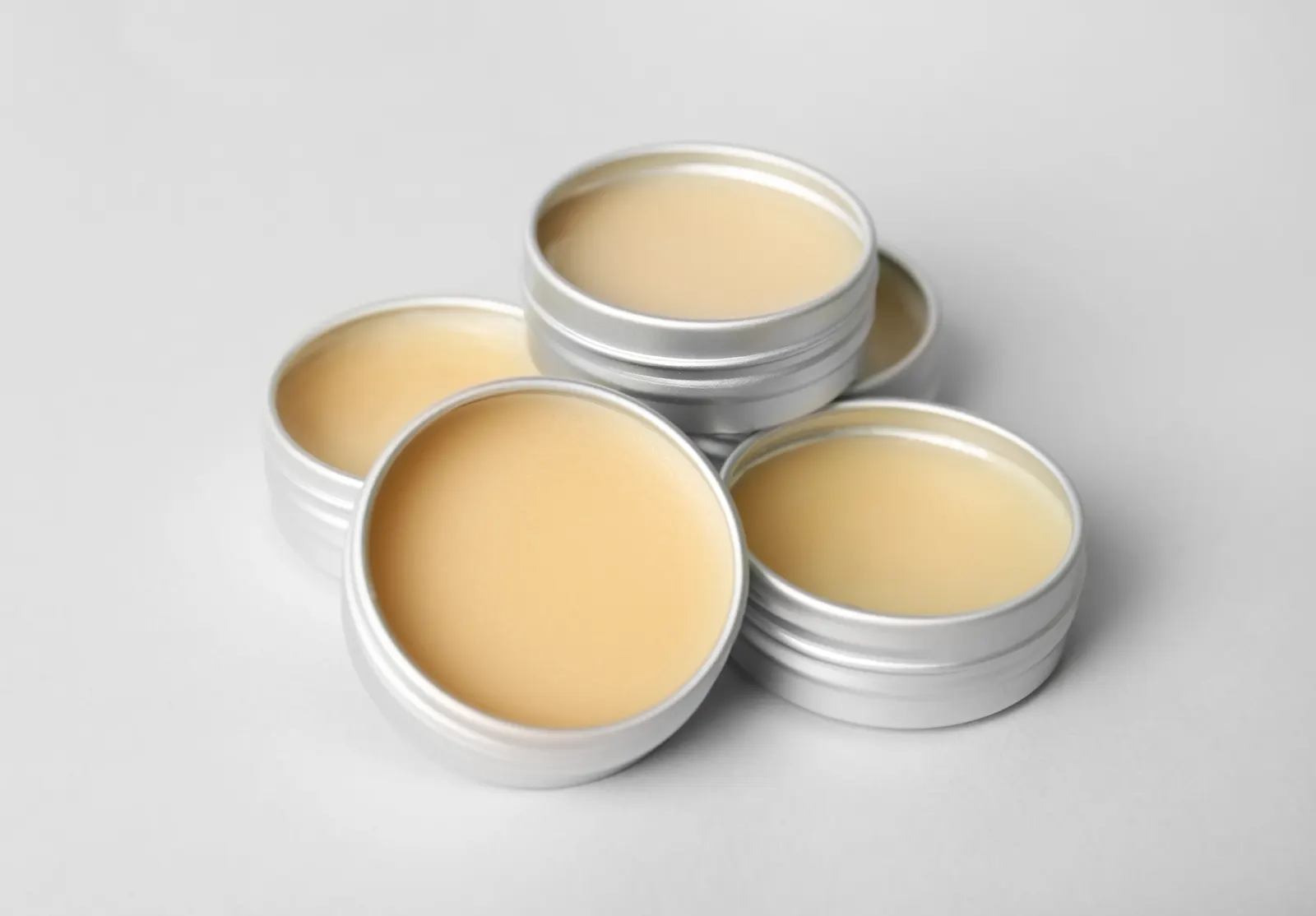 Lip care · BeginnerShea & Calendula Lip BalmA classic fragrance-free beeswax lip balm with shea, castor oil and calendula-infused oil — glossy, protective and easy to make.
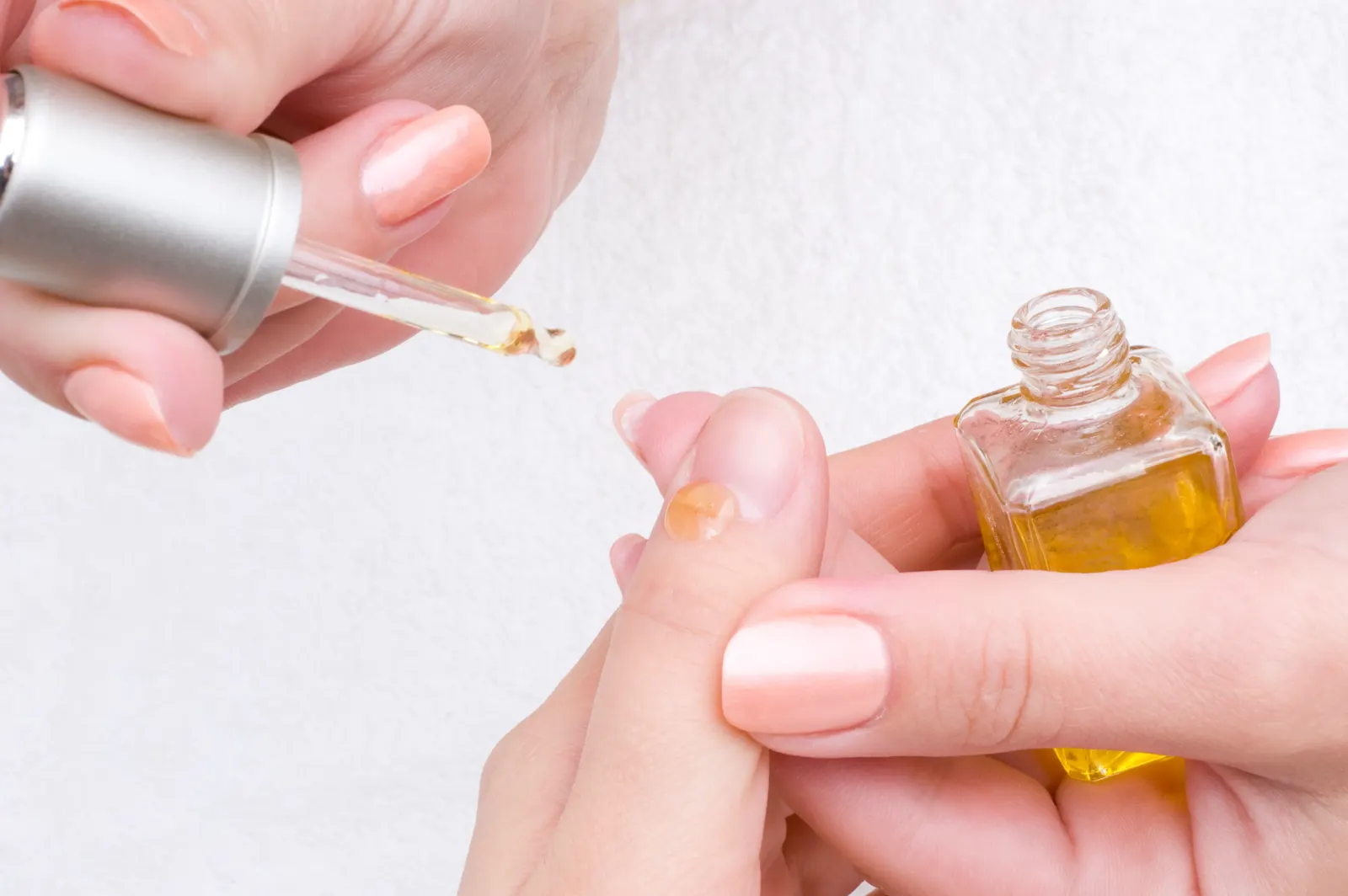 Body care · BeginnerOvernight Cuticle OilA tiny bottle of jojoba, almond, argan and castor oil for ragged cuticles and brittle, peeling nails. One drop per nail before bed.
Daily rituals with Castor Oil
Use it safely
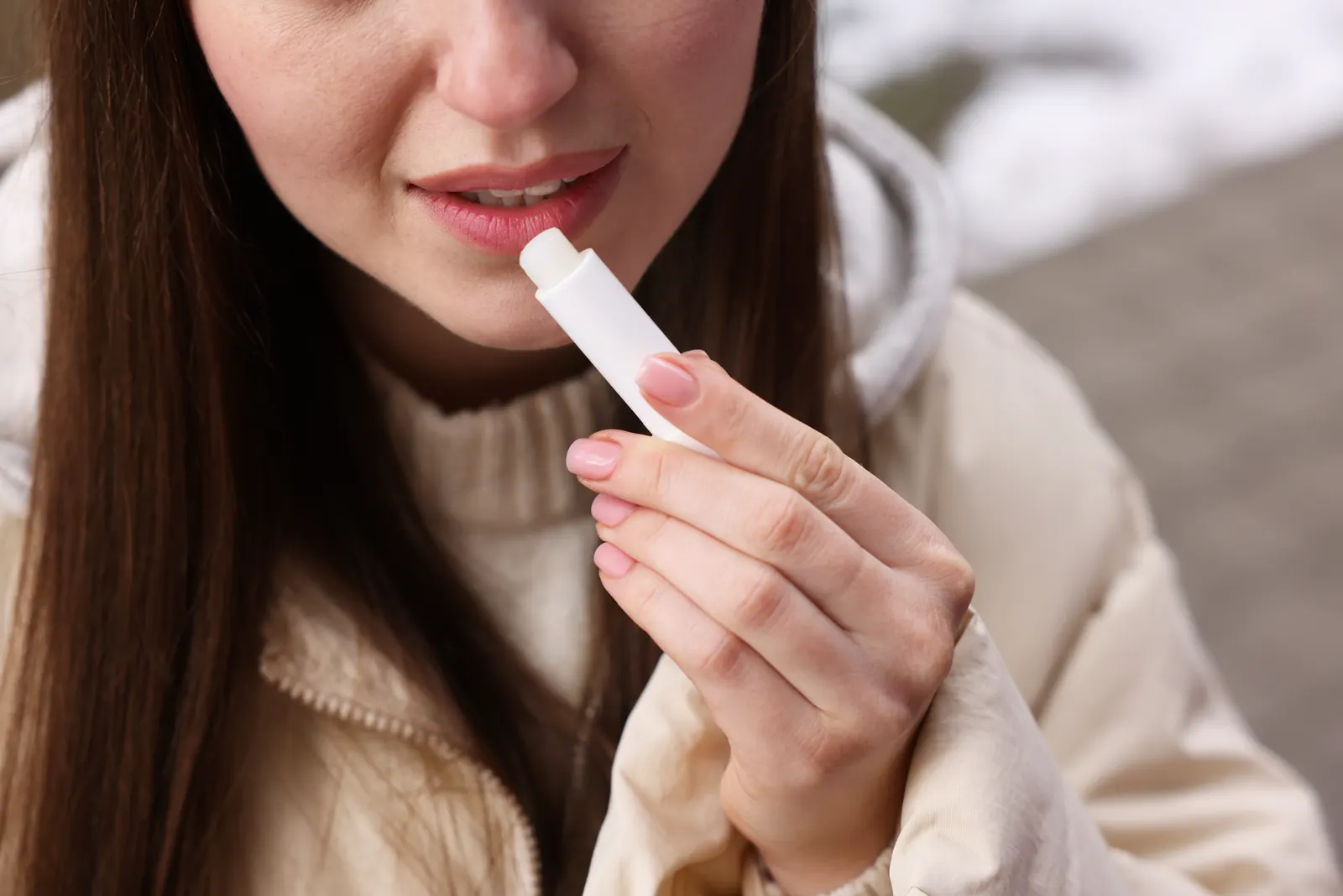
- Allergic contact dermatitis and cheilitis are reported, especially from lip products; patch test if you react to lipsticks.
- Keep out of the eyes. Lash use can irritate the eye surface; medical castor-oil eye products are sterile emulsions, not bottles of cosmetic oil.
- Case reports describe sudden, irreversible hair matting (felting) on long hair; use small amounts and avoid piling hair up while oiled.
- Never swallow castor oil as a cleanse or to induce labor outside medical care. Castor seeds are highly toxic.
Pregnancy and breastfeeding: Topical use is considered fine. Do not take castor oil by mouth in pregnancy except under medical supervision — it can trigger strong contractions, diarrhea and dehydration.
New to an ingredient? Patch test first.
When to see a doctor
- Sudden, patchy hair loss with smooth bald circles (possible alopecia areata).
- Hair loss with scalp itching, burning, pain, redness, scale or pustules, or a receding hairline with loss of eyebrows — possible scarring alopecia, which needs prompt specialist care.
- A child with scaly patches, broken hairs or black dots on the scalp (possible fungal infection).
- Rapid or heavy diffuse shedding lasting more than six months, or shedding with fatigue, weight change, heavy periods, feeling cold or palpitations.
- Hair loss with acne, excess body hair or irregular periods (possible androgen excess).
- Hair loss after starting a new medication — do not stop prescribed medicines without advice.
Other plants for Thinning Hair & Hair Loss
| Ingredient | Grade | What the evidence shows |
|---|---|---|
| Rosemary | C | One randomized comparative trial in androgenetic alopecia found rosemary oil gave similar hair-count gains to 2% minoxidil after six months, with less scalp itch; it was small, not placebo-controlled and has not been replicated. |
| Pumpkin Seed Oil | C | A placebo-controlled trial of an oral supplement containing pumpkin seed oil increased hair counts in men; it was a multi-ingredient product, and topical data are minimal. |
| Fenugreek | C | A small placebo-controlled trial of an oral fenugreek seed extract reported improved hair growth and thickness; topical use is traditional. |
| Peppermint | D | A mouse study showed hair growth with diluted peppermint oil; there are no meaningful human trials, and it can irritate the scalp. |
| Green Tea | D | EGCG inhibits 5-alpha-reductase and supports follicle cells in the lab; human evidence is lacking. |
| Stinging Nettle | D | Nettle root affects androgen pathways in prostate research, but there are no good hair-loss trials. |