Does it work?
Shea Butter for Eczema-Prone Skin
What the research says about shea butter for eczema-prone skin, how to use it at home and how to stay safe.
The short answer: A rich, low-allergen emollient; small studies of shea-based creams show improvement, though it is usually tested alongside other ingredients.
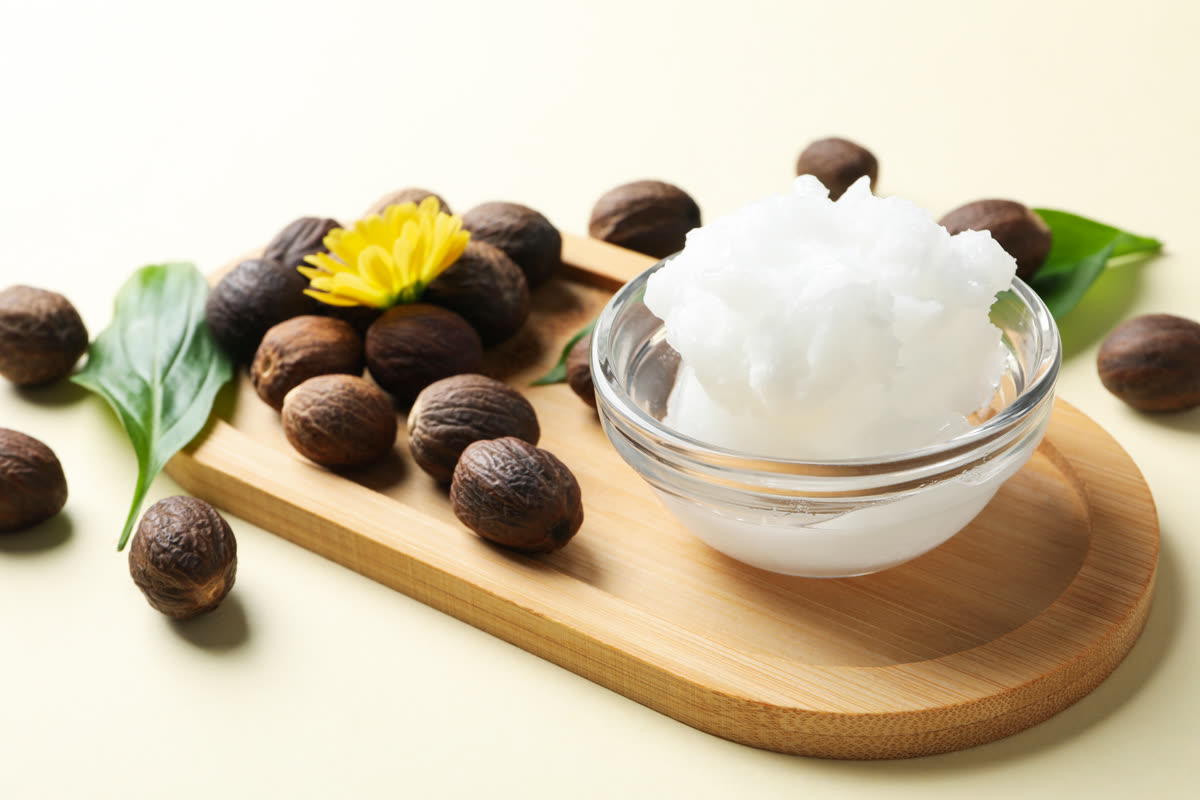
What it does
Shea butter is the fat from the kernels of the shea tree, which grows across the savanna belt of West and Central Africa. It is a soft, rich butter — roughly half stearic and half oleic acid — with an unusually large fraction of protective unsaponifiable compounds. It is an excellent occlusive emollient for very dry skin, lips and textured hair, and its production is a vital source of income for millions of African women.
Why people reach for it
- Seals in moisture. Forms a breathable, occlusive film that slows water loss — ideal for rough elbows, heels, hands and very dry skin.
- Comfort for eczema-prone skin. A simple, fragrance-free shea balm can serve as an emollient between flares in eczema-prone skin; it complements, not replaces, prescribed treatment.
- Lip and cuticle care. Its melting point near body temperature makes it a classic base for lip balms and cuticle balms.
- Softness and definition for textured hair. Seals moisture into curly and coily hair, reducing frizz and breakage when used sparingly on damp lengths.
How to use it
| Form | Typical use | Notes |
|---|---|---|
| Body butter | 30–70% of a whipped butter | Whip with liquid oils for a lighter texture; see Whipped Shea Body Butter. |
| Lip balm | 20–40% of the balm | Combine with beeswax or candelilla wax and a liquid oil; see Shea & Calendula Lip Balm. |
| Healing balm | 15–40% of an anhydrous balm | With calendula-infused oil in Calendula Comfort Balm. |
| Hair (LOC/LCO methods) | A pea-sized amount warmed in the palms | Apply to damp lengths after a water-based leave-in to seal; avoid heavy use on fine hair or an oily scalp. |
Recipes for Eczema-Prone Skin with Shea Butter
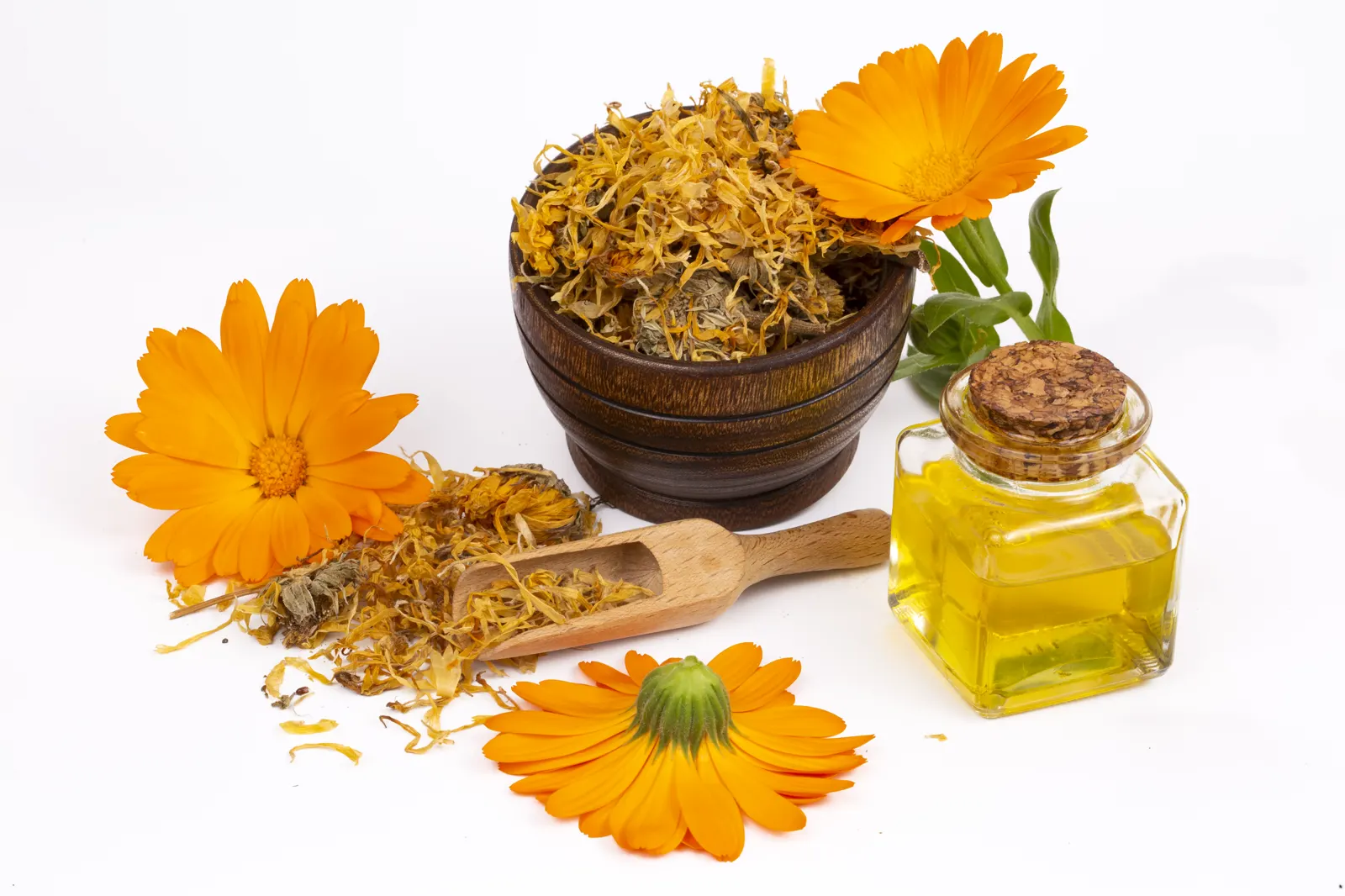 Balm · BeginnerCalendula Comfort BalmA rich, fragrance-free balm of calendula-infused oil, shea and beeswax for chapped hands, dry patches and minor scrapes once they have closed.
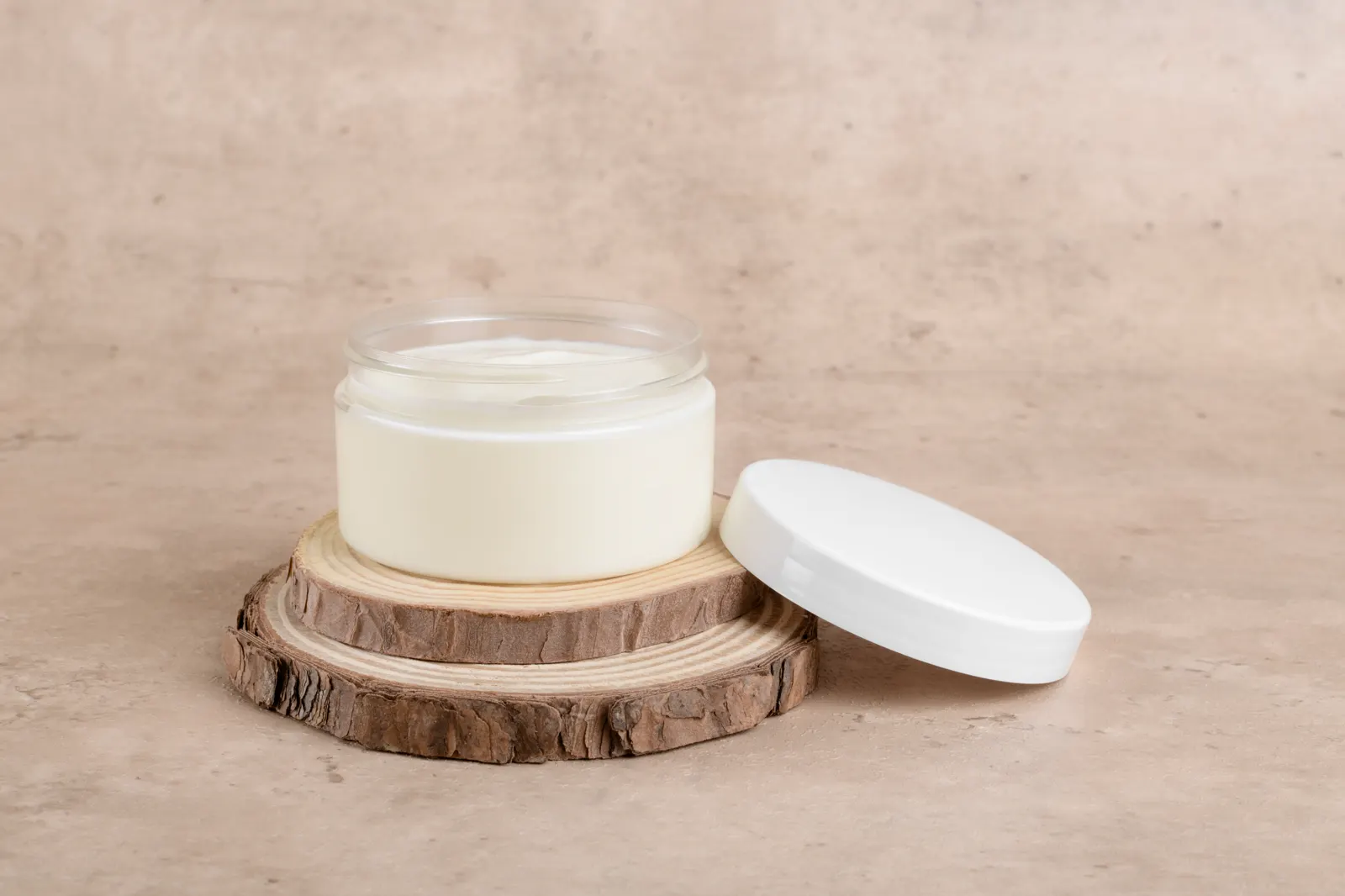 Body care · BeginnerWhipped Shea Body ButterCloud-light whipped shea with coconut and sunflower oils and a hint of lavender — rich care for dry skin, with the trick that prevents graininess.
Daily rituals with Shea Butter
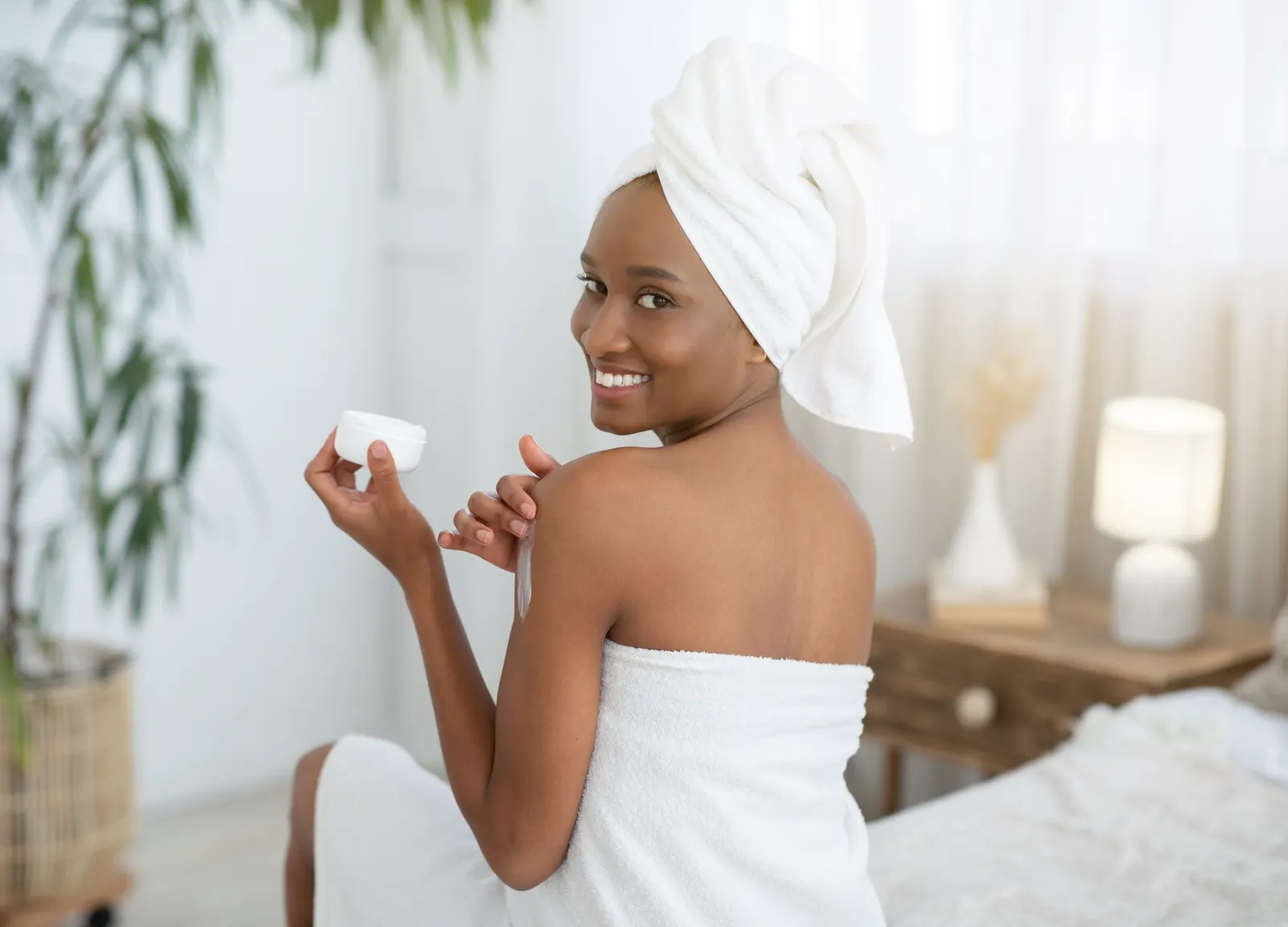 Soak and Seal: The Three-Minute Rule for Eczema-Prone SkinMoisturize within three minutes of bathing, on still-damp skin. A simple winter habit for eczema-prone and very dry skin, with the evidence behind it.
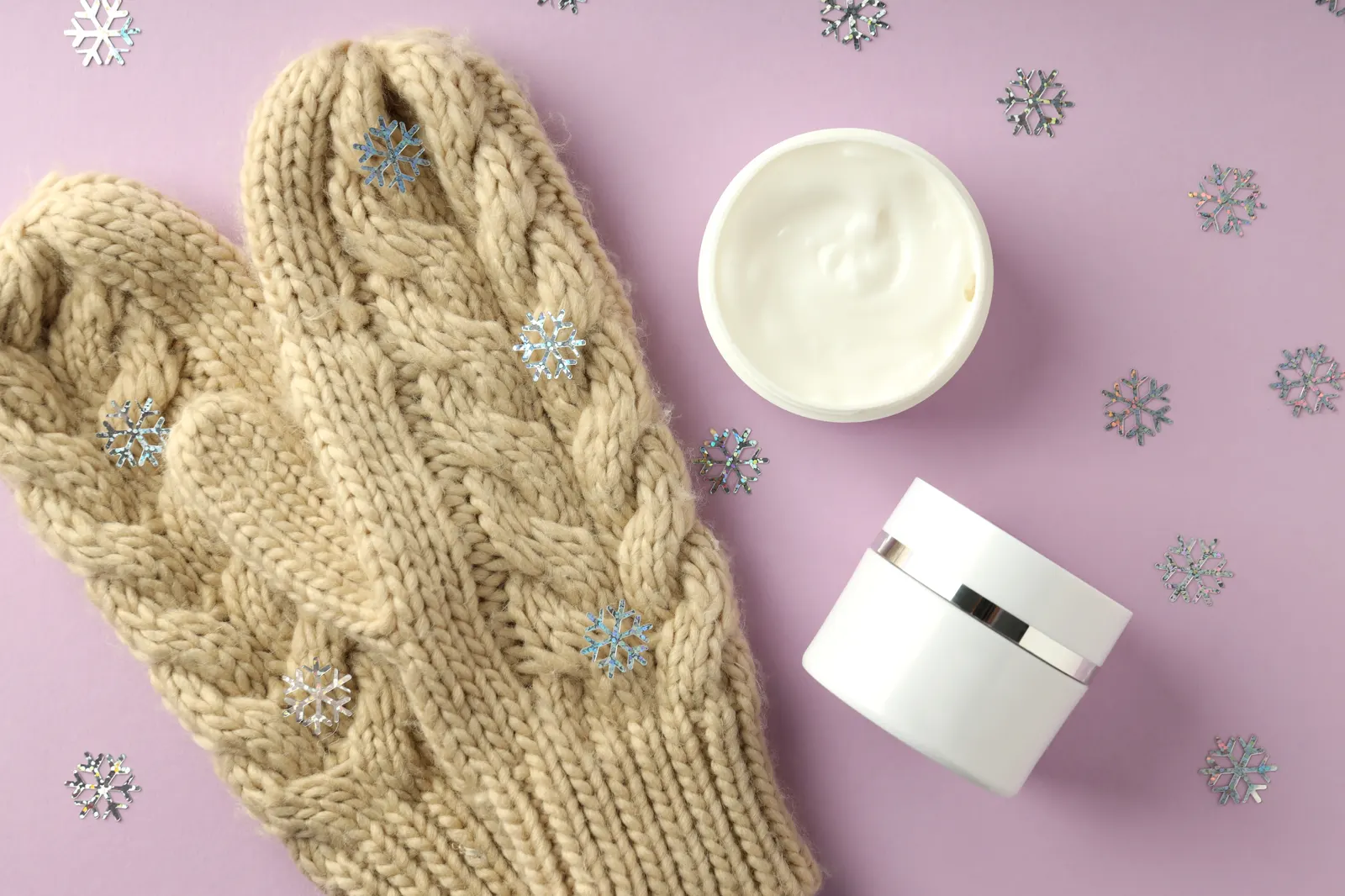 The Overnight Glove Method for Winter HandsCracked knuckles and rough fingertips? A thick balm under cotton gloves overnight, plus three daytime habits, rescues winter hands within days.
Use it safely
- True allergy to shea butter is very rare; patch test if you react to many products.
- Heavy, occlusive use on the face can contribute to breakouts in acne-prone skin; reserve for body, lips and very dry areas.
- Unrefined shea can smell smoky; added fragrance in shea products is a more common cause of irritation than the butter itself.
- For infants with eczema, use fragrance-free products and follow your pediatrician’s advice.
Pregnancy and breastfeeding: Considered safe in pregnancy and breastfeeding, including on the belly and nipples (wipe off before feeding if heavily applied). No butter has been shown to prevent stretch marks.
New to an ingredient? Patch test first.
When to see a doctor
- Weeping, crusting (honey-colored crusts), pus or rapidly worsening eczema — possible bacterial infection.
- Painful, clustered, punched-out sores or blisters with fever or feeling unwell — possible eczema herpeticum, which needs same-day medical care.
- Fever, chills or spreading redness alongside eczema.
- Eczema affecting sleep, school, work or mood, or not controlled by emollients and the treatment you have been given.
- Babies with eczema who also have feeding problems, poor growth or reactions after eating certain foods.
- Eczema around or affecting the eyes, or worsening vision.
Other plants for Eczema-Prone Skin
| Ingredient | Grade | What the evidence shows |
|---|---|---|
| Colloidal Oatmeal | B | Randomized trials show colloidal oatmeal creams and baths improve dryness, itch and eczema severity, supporting use as part of emollient therapy. |
| Sunflower Oil | B | Linoleic-rich sunflower oil supported barrier function in comparative studies and neonatal trials; it is a sensible base oil for eczema-prone skin. |
| Coconut Oil | B | A randomized trial in children with mild to moderate eczema found virgin coconut oil improved severity more than mineral oil, and it reduced S. aureus colonization in another trial. |
| Licorice Root | C | A small trial of a 2% licorice extract gel reduced itch and redness; glycyrrhetinic acid is anti-inflammatory. |
| Chamomile | C | An older half-side study found a chamomile cream modestly effective versus low-strength hydrocortisone, but daisy-family allergy is a real risk on eczematous skin. |
| Honey | C | Small studies of medical-grade honey on eczema patches suggest benefit; kitchen honey is not sterile and is not for broken skin. |