Bath · Make it at home
Colloidal Oat Soothing Bath
A lukewarm colloidal oatmeal soak with a little sunflower oil and marshmallow root to calm itchy, dry or eczema-prone skin.
- Time
- 25 min
- Level
- Beginner
- Makes
- 60 g
- Type
- Fresh · single use
- Keeps
- Single use — mix just before bathing
Formula
| Phase | Ingredient | % | Grams |
|---|---|---|---|
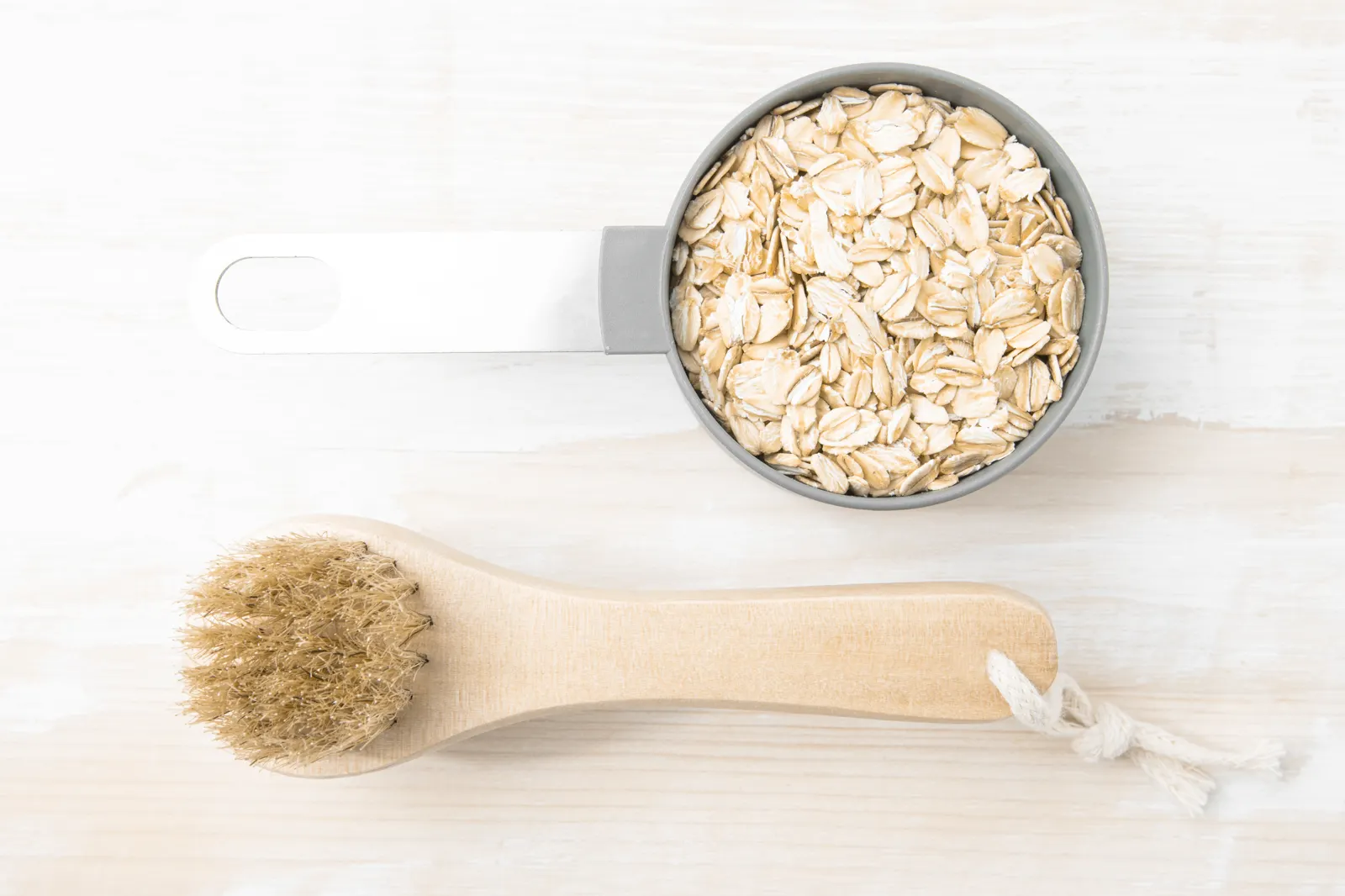
| A | Colloidal oatmeal (Avena sativa kernel flour)51 g — finely milled so it disperses; ordinary oats do not | 85 | 51.00 |
| A | Sunflower seed oil (linoleic-rich)6 g | 10 | 6.00 |
| A | Marshmallow root powder (Althaea officinalis)3 g; optional | 5 | 3.00 |
| Total | 100.0 | 60.00 |
Weigh everything on a 0.01 g scale; volume measures are not accurate enough for actives or preservatives. Open in the formula & cost calculator.
Equipment
- Digital scale (1 g)
- Bowl and spoon
- Bath thermometer (optional)
- Non-slip bath mat
- Soft towel
- Your usual emollient
Method
- Clean the tub and put down a non-slip mat.
- Run a lukewarm bath (about 32–35 °C, comfortably warm on the wrist) — hot water worsens itch.
- Weigh 51 g colloidal oatmeal and 3 g marshmallow root into a bowl, drizzle in 6 g sunflower oil and stir to a crumbly mix.
- Sprinkle the mix under the running tap, swirling with your hand so it disperses into a milky bath without clumps.
- Soak 10–15 minutes. Do not scrub; just splash the water over itchy areas.
- Step out carefully — the tub will be slippery. Pat dry gently, leaving the skin slightly damp.
- Within 3 minutes, apply your usual emollient or prescribed eczema treatment.
- Rinse the tub and discard any leftover mix.
Why it works
Colloidal oatmeal contains avenanthramides that reduce itch and inflammation, beta-glucan that forms a moisturizing film and starches that soften bath water; its use as a skin protectant is accepted by the US FDA. Sunflower oil leaves a light linoleic-rich film that helps hold water in the skin, and marshmallow root mucilage is a traditional soothing addition.
Safety notes
- If your skin is very reactive, patch test a little oat paste first (How to Patch Test).
- Oil and oats make the bath very slippery — use a non-slip mat and get out carefully.
- Babies and young children: ask your pediatrician first, keep baths short (5–10 minutes) and lukewarm, never leave a child unattended, and consider leaving out the oil. Oat sensitization is uncommon but has been reported in young children with atopic dermatitis.
- See a doctor if eczema is weeping, crusted, painful or spreading, if you have a fever, or if itch keeps you awake despite good care (Eczema-Prone Skin).
- Celiac disease: topical oat is generally fine, but choose certified gluten-free colloidal oatmeal to avoid cross-contamination concerns.
Read DIY safety & preservation before making water-based products.
Variations
- Hand or foot soak: use a quarter of the batch in a basin of lukewarm water.
- Itch paste: mix colloidal oatmeal with a little water for spot use, or make the Calming Oat & Chamomile Mask.
- Simplest version: colloidal oatmeal alone (no oil) — the most widely recommended option for infants.
Featured ingredients
 No. 042
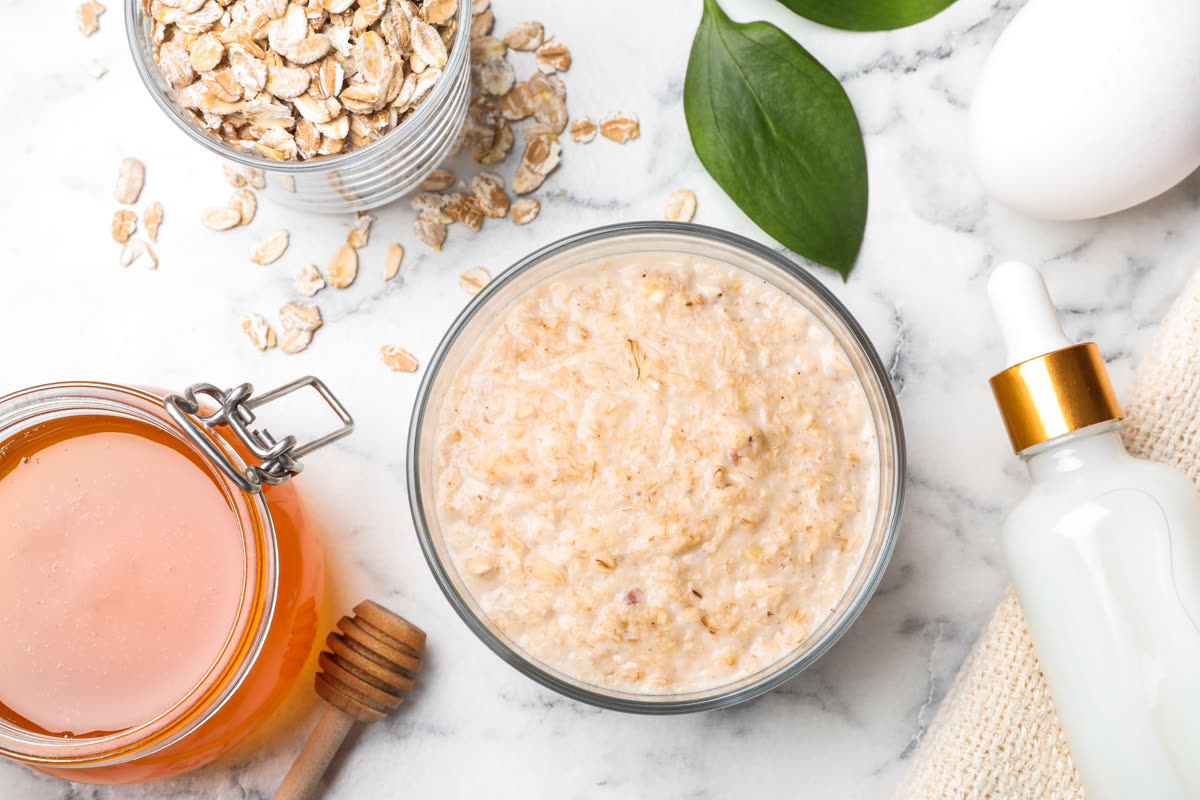
Colloidal OatmealAvena sativa L.Finely milled oats turn a lukewarm bath milky and soothing: an officially recognized skin protectant for itchy, irritated skin.
 No. 033
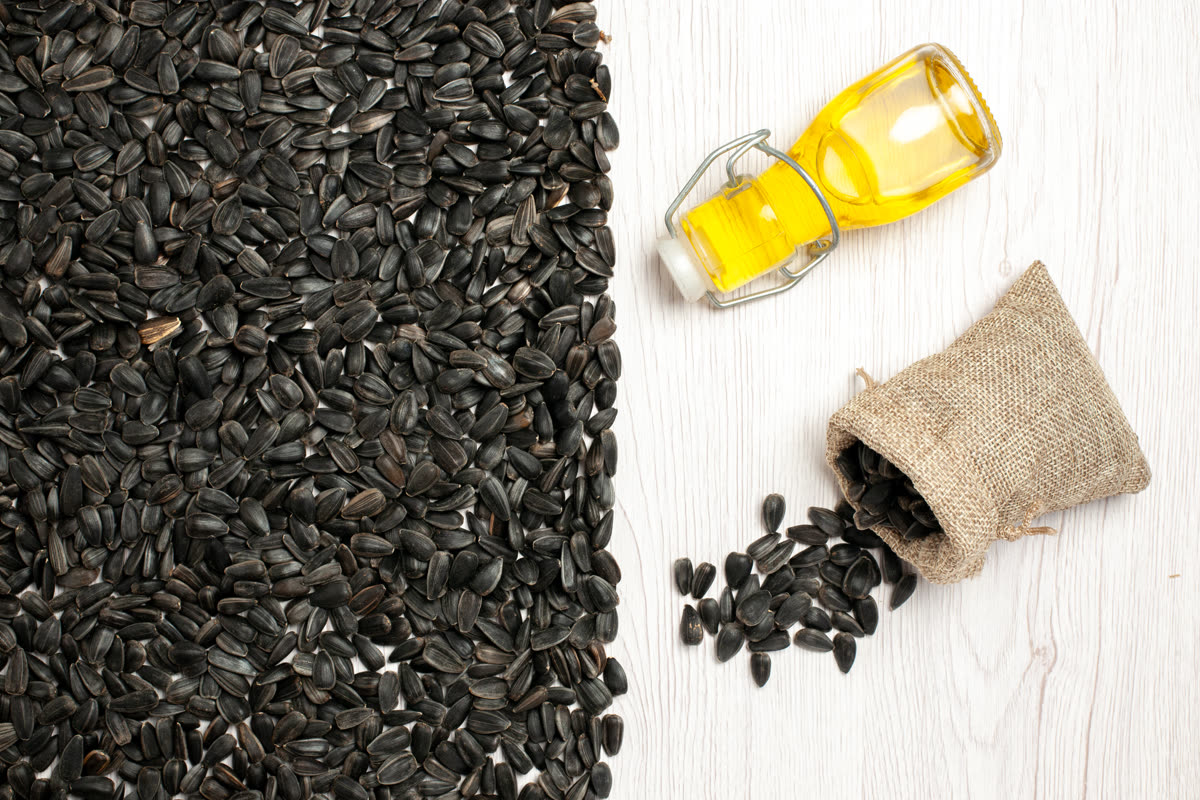
Sunflower OilHelianthus annuus L.The humble kitchen oil with some of the best barrier evidence of any plant oil: gentle, affordable and kind to dry skin.
 No. 019
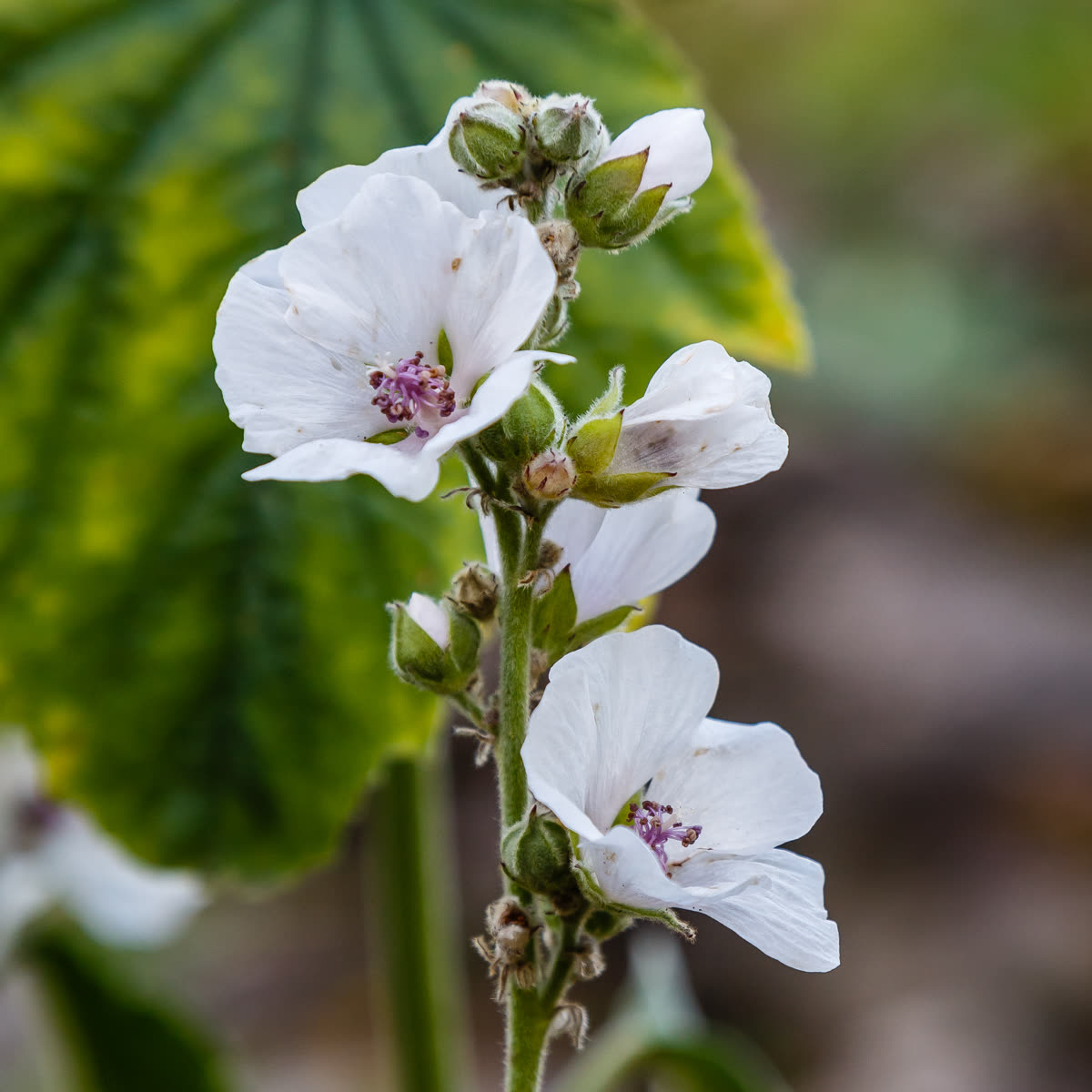
Marshmallow RootAlthaea officinalisMarshmallow root melts into a silky, slippery gel that gives curls effortless slip and skin a soft hug.
Formulator
Selling what you make? Get the batch record, label template and cost sheet for this formula, plus a regulatory checklist for the EU, UK and US.
See Formulator membership