Seasonal living · 6 min read ·
Summer Skin: After-Sun, Not Instead of Sun Cream
Aloe, cool water and a soft cream are lovely after a day outside. They come after good sun protection, never in place of it.
The last long days of summer: salt on the skin, sand in the bag, a late swim, a warm glow across the shoulders on the walk home. After-sun care is one of summer’s small pleasures. But the most important part of summer skincare happens hours earlier, in the morning, with a bottle of sunscreen.
Sunscreen first, always
Let us start with the one thing no plant can do. No oil, butter, aloe or extract gives reliable protection from ultraviolet light, and homemade sunscreens are never safe, because there is no way to measure their real SPF at home. Coconut and olive oil, sometimes shared online as “natural sunscreens”, offer next to none.
A broad-spectrum sunscreen of SPF 30 or higher, applied generously and reapplied every two hours and after swimming or sweating, is one of the best-proven things you can do for your skin. It reduces sunburn, skin cancer risk, dark marks and premature aging. Add shade in the middle of the day, a wide-brimmed hat, sunglasses and loose clothing. Our Sun Care & After-Sun page covers the details, and the Two-Finger Sunscreen Rule (and When to Reapply) helps you use enough.
Natural-leaning shoppers often prefer mineral sunscreens with zinc oxide or titanium dioxide. Tinted versions now blend well on medium and deep skin. Any sunscreen you will wear generously is a good one.
Every skin tone needs it
Deeper skin tones have more natural protection from melanin and burn less easily, but they still burn, still age in the sun and can still develop skin cancer, which is sometimes diagnosed later because people assume they are not at risk. Medium and deep skin is also more prone to dark marks after spots, bites or irritation, and the sun makes them darker and slower to fade. Daily sunscreen is one of the most effective tools for Dark Spots & Hyperpigmentation.
Sunscreen fatigue is real, and it is worth solving rather than ignoring. If yours feels greasy, try a fluid or gel. If it stings your eyes, try a mineral stick around the eye area. If it leaves a cast, try a tinted formula or a different filter type. If it pills under makeup, give it a few minutes to set. There is almost always a version you will be happy to wear.
Fair skin, freckles, red or fair hair, many moles, a family history of skin cancer or certain medicines all raise the risk of burning, and call for extra care. Babies under six months should be kept out of direct sun altogether, and young children need shade, clothing and sunscreen together.
After the sun: cool, calm, moisturize
Even with good protection, skin can feel warm, tight and dry after a day outdoors. The aim of after-sun care is simple: cool it down, calm it and put back moisture.
- Cool down. Take a cool or lukewarm shower, not a hot one, and pat dry gently.
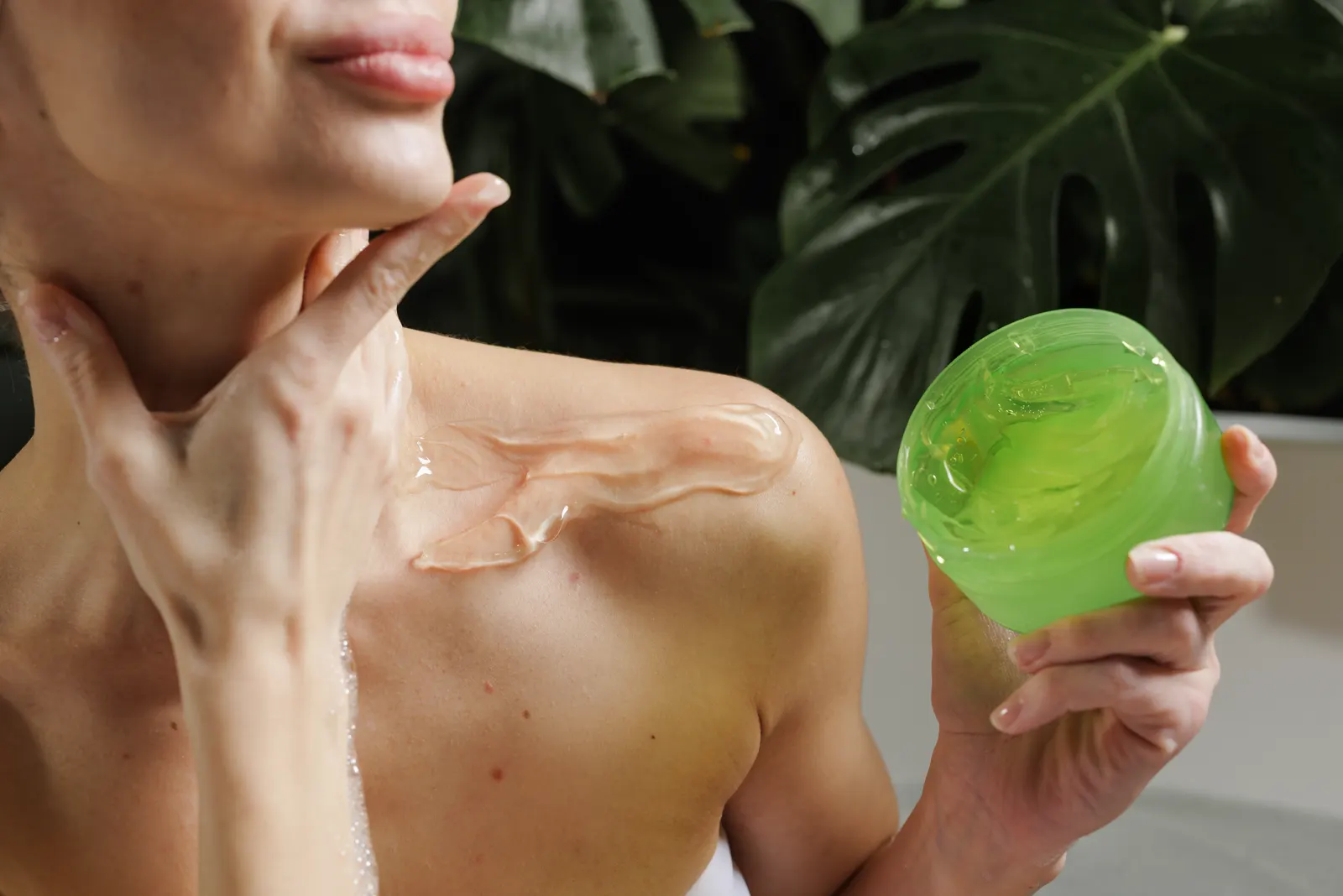
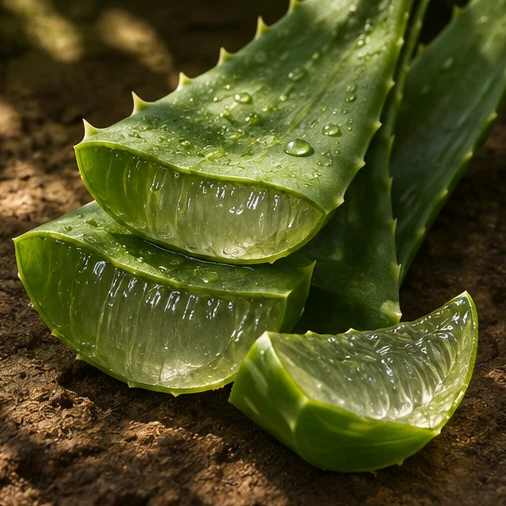
- Soothe. Aloe vera gel is the classic. It feels wonderfully cool, and while clinical evidence that it speeds sunburn healing is mixed, its soothing, light texture makes it a favorite. Our Cooling Aloe After-Sun Gel keeps it simple; keep it in the fridge for extra relief.
- Moisturize. Once skin has cooled, a light, unscented lotion helps with tightness and peeling. Save heavy balms and thick oils until the heat has gone out of the skin.
- Drink water. Heat and sun make you lose more fluid than you notice.
Cool green tea or cucumber compresses are refreshing on warm faces, and a bath with colloidal oatmeal soothes itchy, dry skin the next day.
After-sun care is one of summer’s small pleasures. The most important part happens hours earlier, with a bottle of sunscreen.
If you do get burned
Sunburn is skin damage, and it deserves gentle care:
- Get out of the sun and keep the area covered until it heals.
- Cool compresses and cool showers ease the heat. Do not put ice directly on skin.
- Aloe gel or a simple, fragrance-free moisturizer can make it more comfortable.
- Do not pop blisters, and do not peel flaking skin; let it come away by itself.
- Avoid perfumed products, scrubs, retinoids and acids until skin has fully settled.
- A pharmacist can advise on pain relief that suits you.
See a doctor straight away for large areas of blistering, fever, chills, headache, confusion, dizziness or vomiting, or for any significant burn in a baby or young child. These can be signs of heat illness or a severe burn.
Plants that do not mix with sunshine
Some plants make skin more sensitive to light, a reaction called phototoxicity. It can cause sudden burns, blisters and dark marks that last for months.
- Citrus juice on skin. Squeezing limes or lemons outdoors, then going into the sun, is a classic cause of streaky burns and marks on hands and around the mouth. Wash your hands after cooking with citrus.
- Some citrus essential oils. Cold-pressed bergamot, lime and bitter orange oils can be phototoxic in leave-on products. Look for “bergapten-free” or steam-distilled versions, or avoid them on sun-exposed skin.
- St. John’s wort. Taken by mouth, and possibly in strong topical forms, it may increase sun sensitivity. It also interacts with many medicines.
- Wild plants such as giant hogweed, wild parsnip and some figs can cause severe reactions when sap meets sunshine.
Our Essential Oil Safety: The Complete Guide guide has the details on safe limits.
Late-summer repair, gently
As summer ends, many people notice dryness, rough patches and a few new dark spots. This is a good moment for a gentle reset rather than an aggressive one:
- Keep wearing sunscreen. September sun is still strong, and marks fade more slowly while you keep exposing them.
- Switch to a slightly richer moisturizer as skin dries out.
- Introduce one brightening ingredient, slowly. Licorice-based serums such as our Licorice & Niacinamide Brightening Serum are a gentle option with promising early research.
- Check your skin. Look for moles that are new, changing, bleeding or different from the others, and show them to a doctor.
Many people find their skin also feels a little congested at summer’s end, after weeks of sunscreen, sweat and humidity. A gentle evening cleanse, as in the Halloween Double Cleanse with an Oil Balm, removes water-resistant sunscreen properly without scrubbing. A weekly clay or oat mask can follow. Resist the urge to strip everything back with harsh scrubs or strong peels; skin that has spent a summer outdoors needs comfort first, and the dark marks you are keen to fade can deepen with irritation.
Summer skin care is about pleasure and protection together: the cool gel, the late swim, the glow, and the sunscreen that makes it safe to enjoy them for years to come.
Keep going
Put it into practice
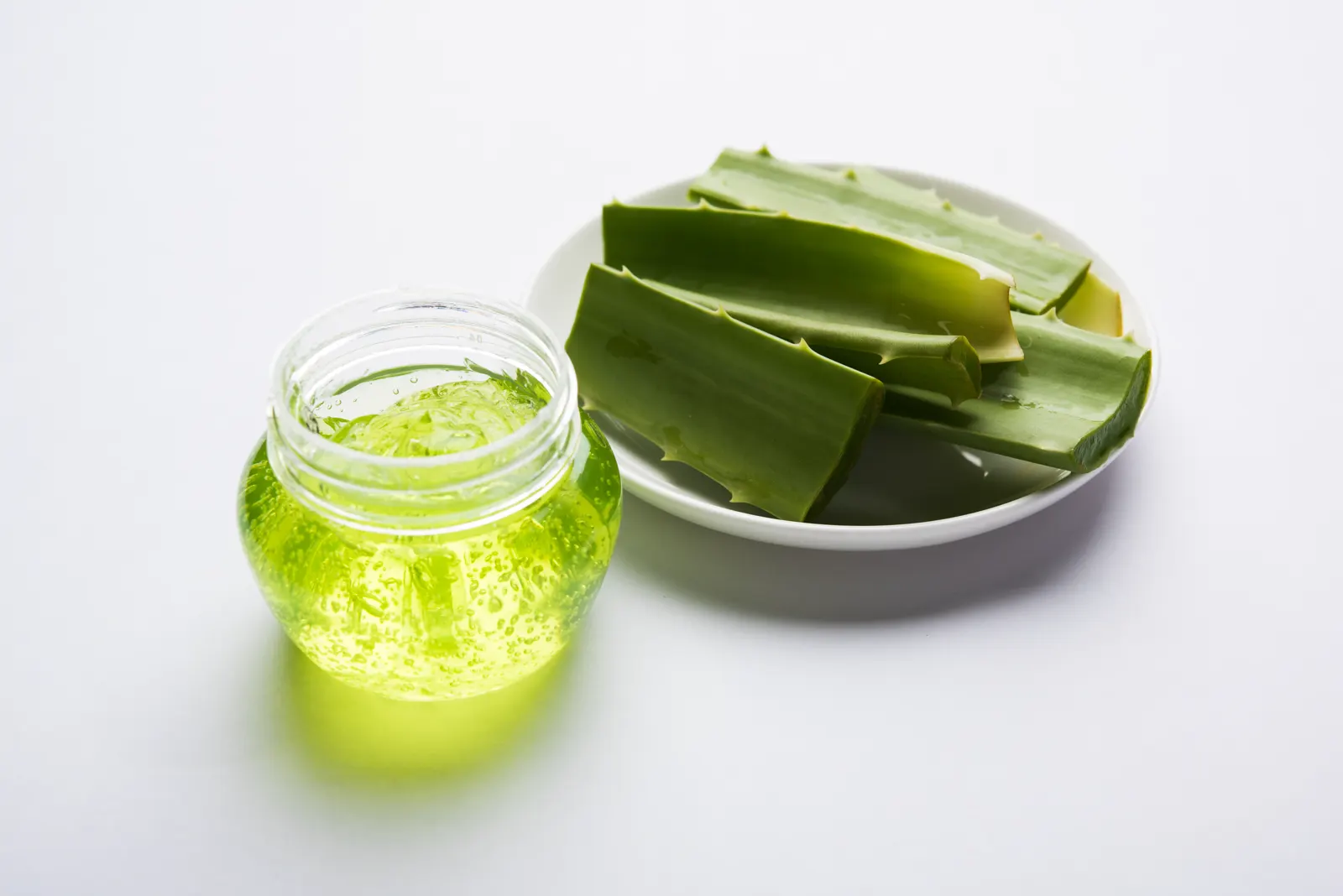 Body care · IntermediateCooling Aloe After-Sun GelA preserved aloe vera gel with panthenol and glycerin to cool and comfort skin after a day outdoors. Not a sunscreen; gives no sun protection.
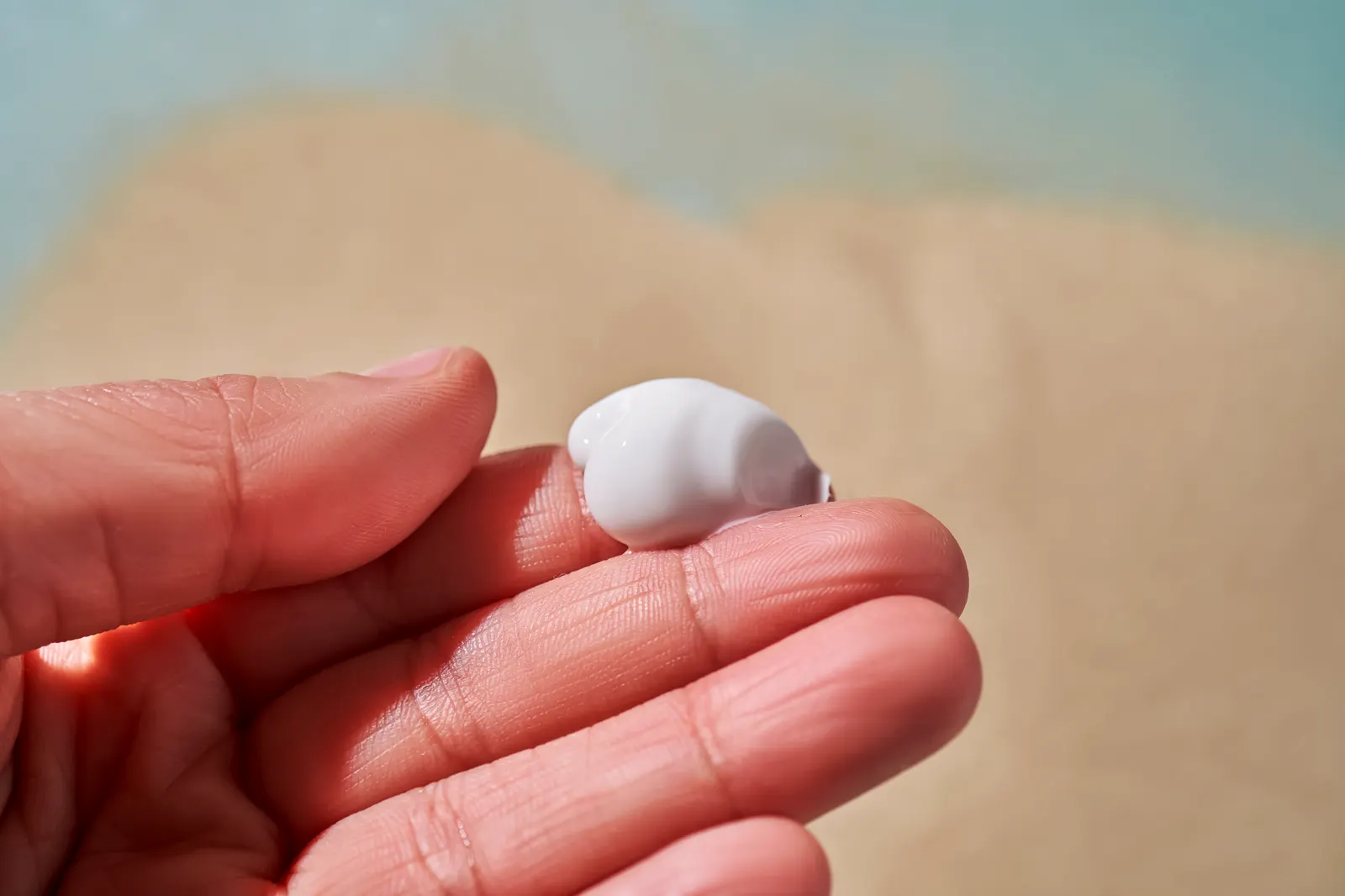 The Two-Finger Sunscreen Rule (and When to Reapply)Most of us apply a fraction of the sunscreen tested on the label. The two-finger rule fixes the dose for face and neck; here is how to reapply, too.
 No. 001
Aloe VeraAloe veraCool, clear and quietly soothing, aloe gel is the after-sun friend your skin reaches for first.
The magazine
More stories you’ll enjoy
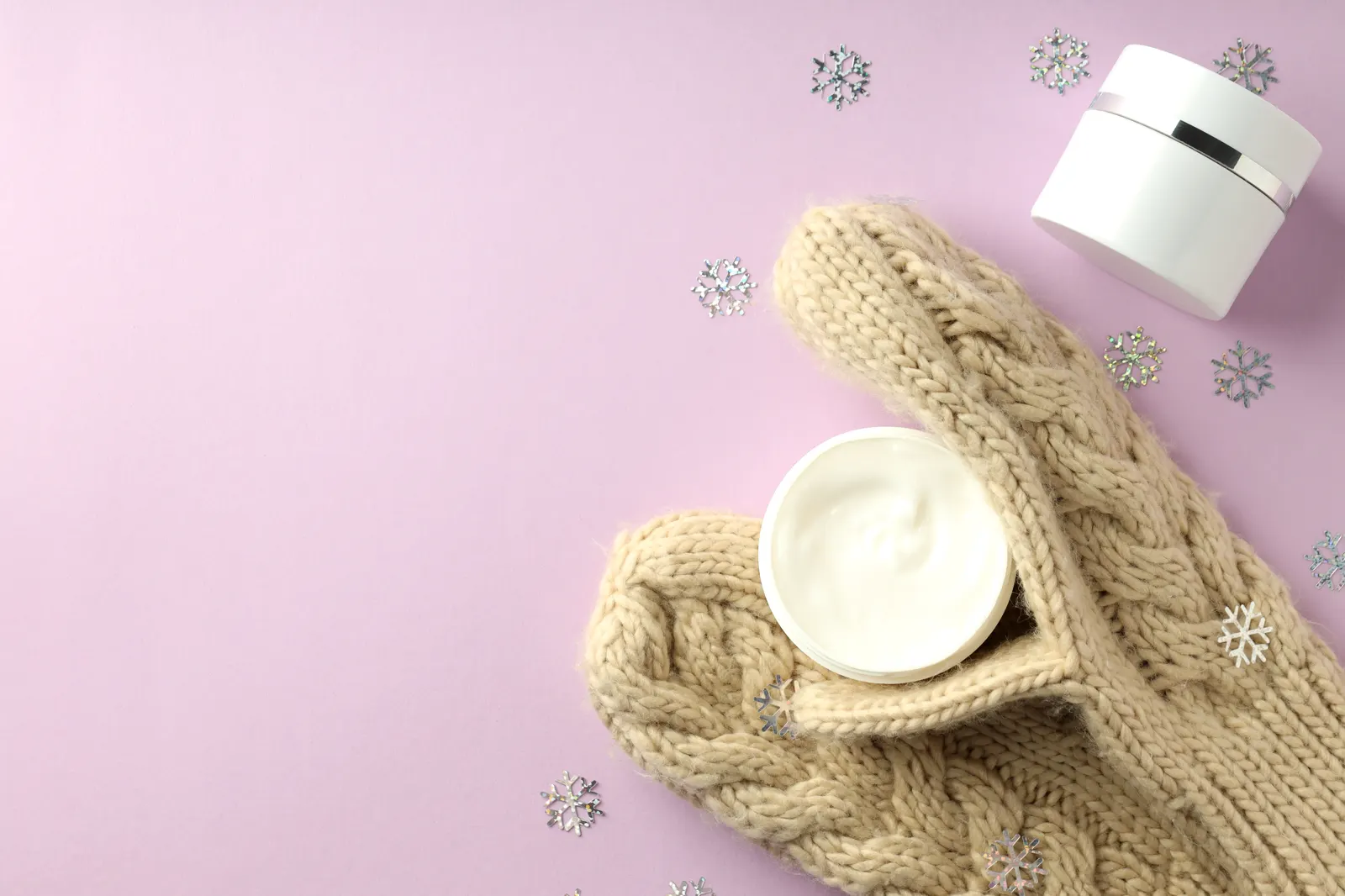 Seasonal living · 6 minA Winter Skin Plan, Week by WeekCold air outside, dry heat inside: a calm, four-week plan to keep skin soft, lips whole and hands comfortable until spring.
 Self-care & wellbeing · 6 minThe Ten-Minute Evening That Changes Your Skin and Your SleepA short, unhurried wind-down for the end of the day: clean skin, a little oil, softer light and a calmer mind before bed.
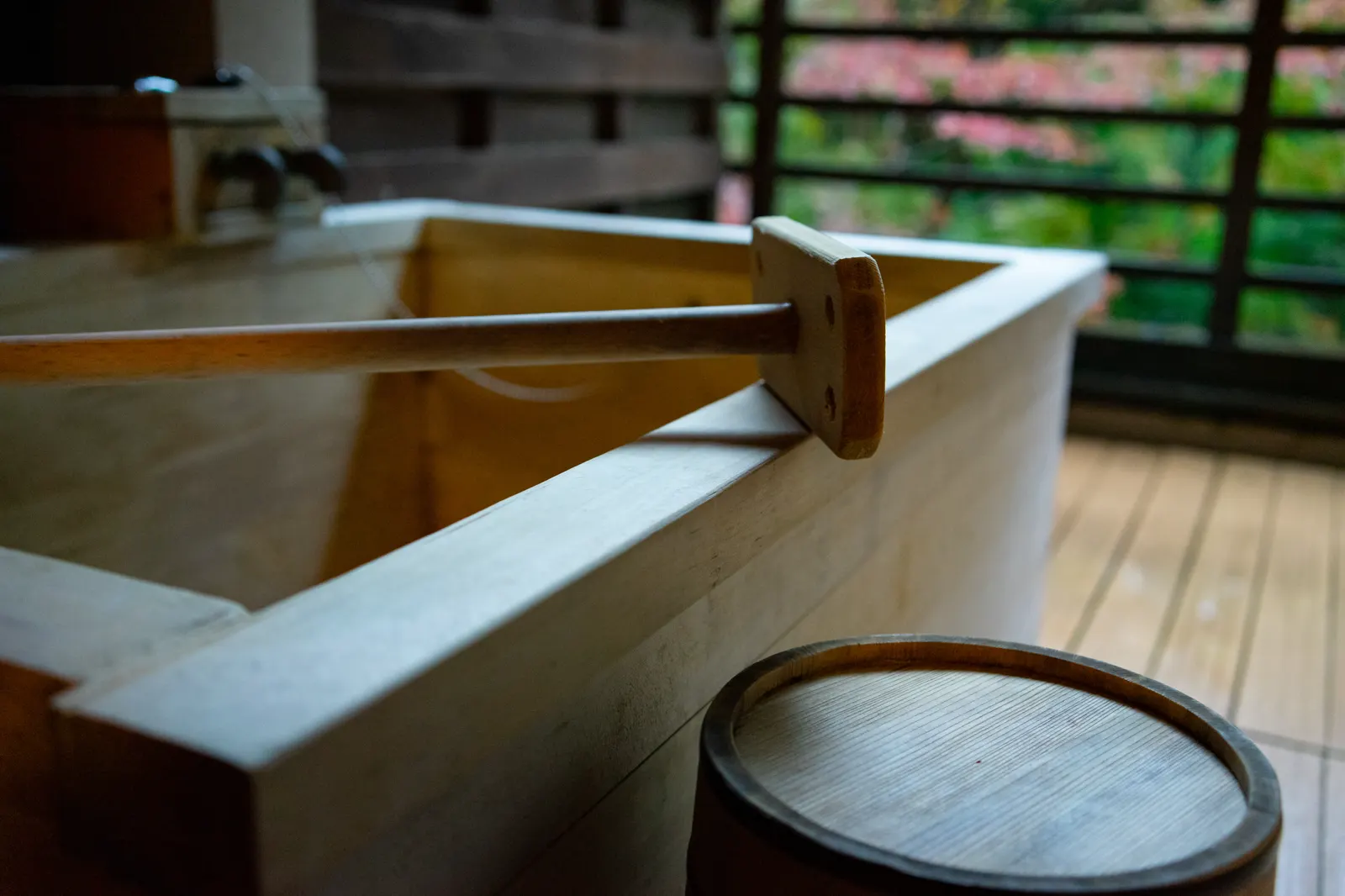 Rituals of the world · 6 minBathing Around the World: From Hammam to Onsen to SaunaSteam, hot springs and cedar heat: what the world’s great bathing traditions share, and how to borrow their best ideas at home, safely.