· Evening · 10 min
Rosemary Scalp Oil Night: What the Trial Did and Didn’t Show
A safe, diluted rosemary scalp oil routine, and an honest read of the 2015 trial that made rosemary famous for hair.
- Time
- 10 min
- Evidence
- CPromising
- Time
- 10 min
- Evidence
- CPromising
You’ll need
- 30 mL light carrier oil, such as jojoba or pumpkin seed oil
- Rosemary essential oil: 6–12 drops for a 1–2% dilution (check with the Essential Oil Dilution Calculator)
- A dark glass dropper bottle, labeled and dated
- An old towel or pillowcase cover for the night
Promising: One randomized trial without a placebo arm, comparing an unstandardized product with low-strength minoxidil in men only.
Formulator’s tip
Take the same photo, same lamp, same parting, on the first of each month. Hair changes are too slow to judge in the mirror.
Step by step
- Blend the carrier and rosemary oil in the bottle and shake. Or use the ready formula, Rosemary & Pumpkin Seed Scalp Oil.
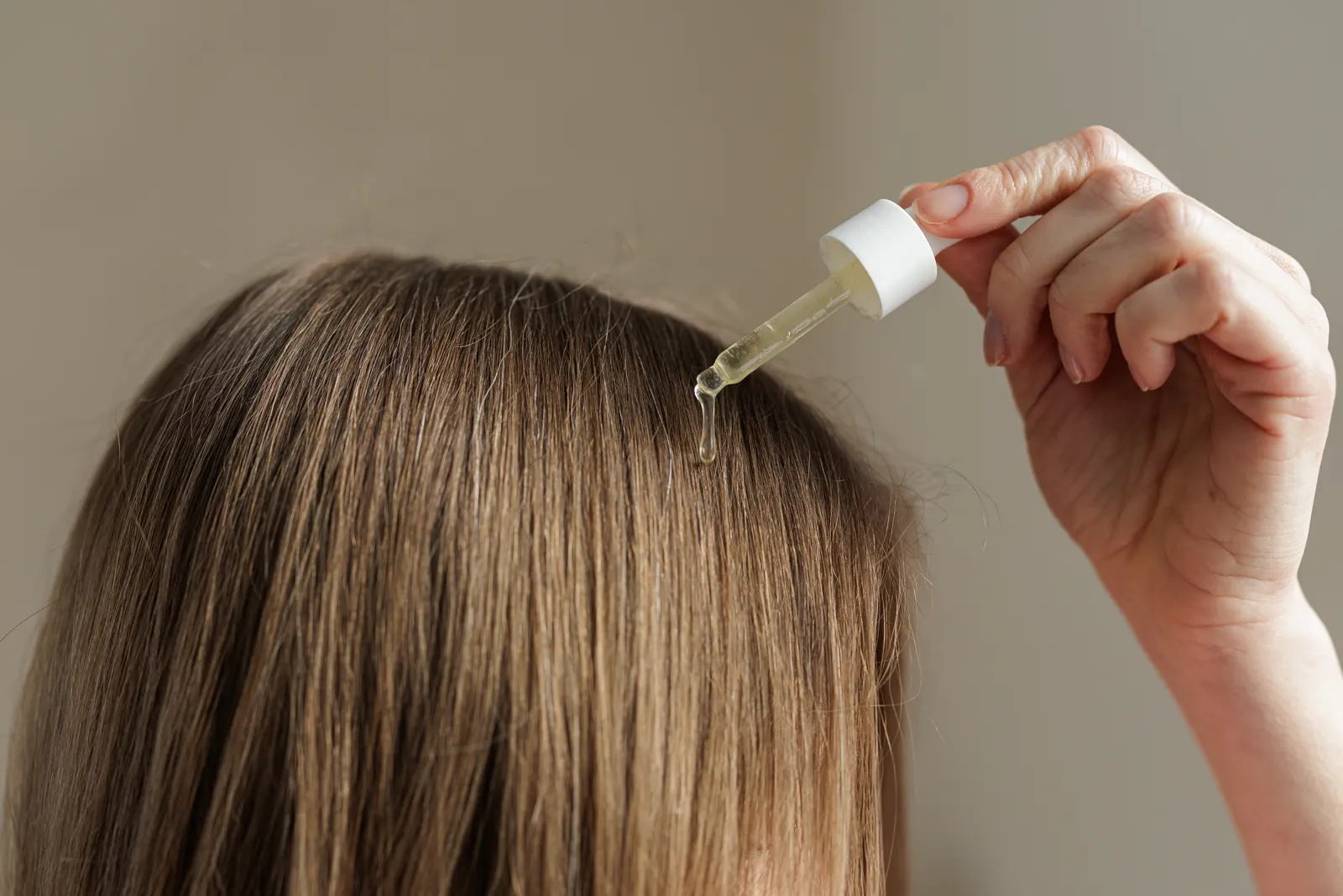
- On dry hair, part it into lines about 2 cm apart. Apply a few drops along each part, using about 1–2 mL in total.
- Massage gently with fingertip pads for a minute or two, without scratching.
- Cover the pillow with a towel and go to sleep.
- Wash out in the morning, shampooing twice if needed.
- Repeat a few evenings a week, and give it at least six months before judging, with monthly photos.
Why it works
Panahi and colleagues (SKINmed, 2015) randomized 100 men with androgenetic alopecia to a rosemary oil product or 2% minoxidil for six months. Both groups had more hair at six months than at the start, with no significant difference between them; scalp itching was more common with minoxidil.
What it didn’t show: there was no placebo group, so we can’t be sure how much of the gain was rosemary itself. The comparison was the lower 2% minoxidil strength, not the 5% often used by men. The product’s exact strength wasn’t well described, it involved only men, and it has not been widely replicated. It tells us nothing about women, alopecia areata or shedding after illness. Read the full context in Thinning Hair & Hair Loss.
Enjoy it safely
- Never apply undiluted essential oil; keep to 1–2% on the scalp and patch test behind the ear first, as in our guide (twice daily for 7 days, read at 48 and 96 hours).
- Avoid rosemary essential oil if you have epilepsy, and skip it in pregnancy and for children. Keep it away from the eyes.
- Don’t stop prescribed hair-loss treatment to switch to this. Patchy, sudden or painful hair loss needs a doctor.
Ingredients in this ritual
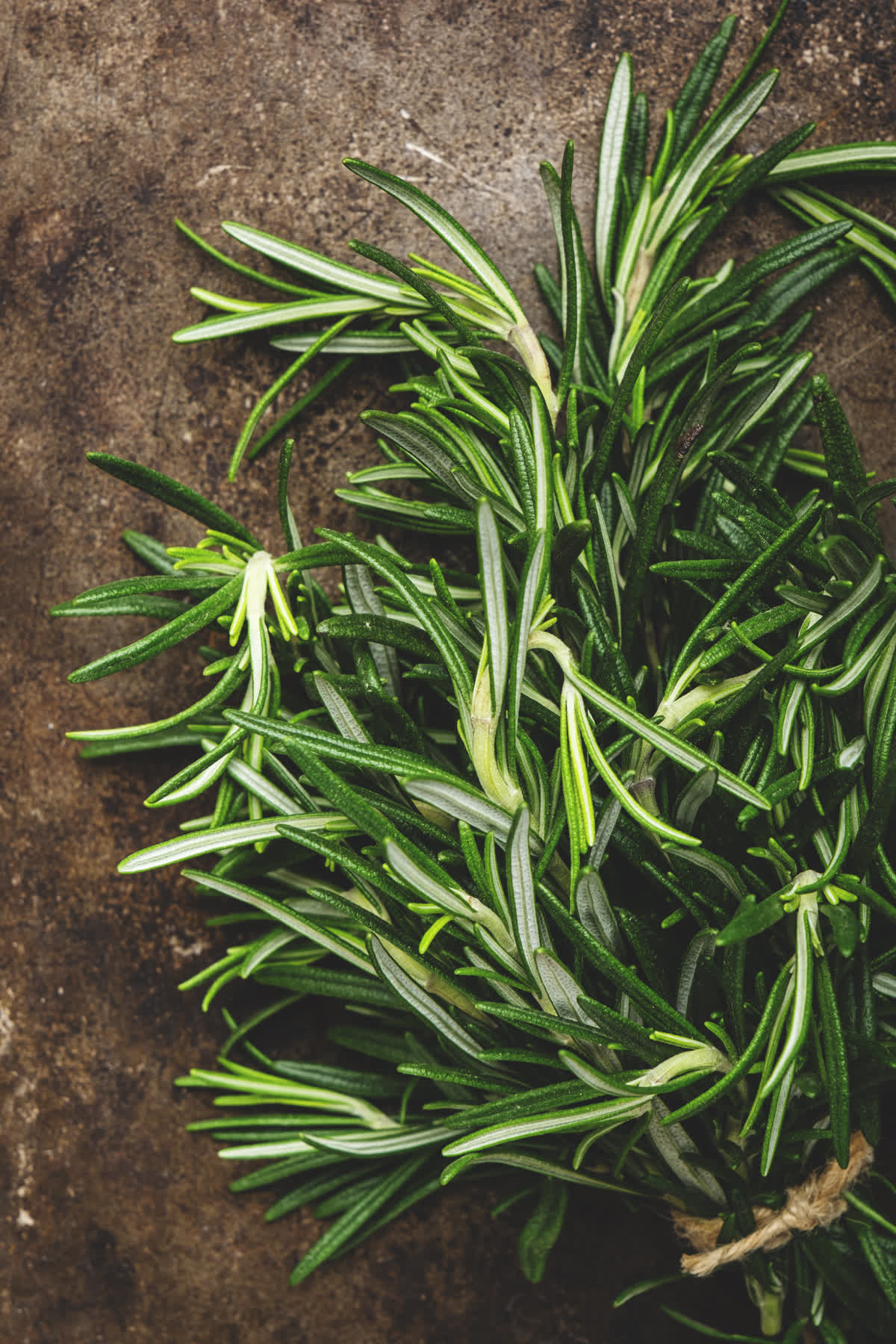 No. 006
RosemarySalvia rosmarinusBright, herbal and invigorating, rosemary turns a simple scalp massage into a ritual worth keeping.
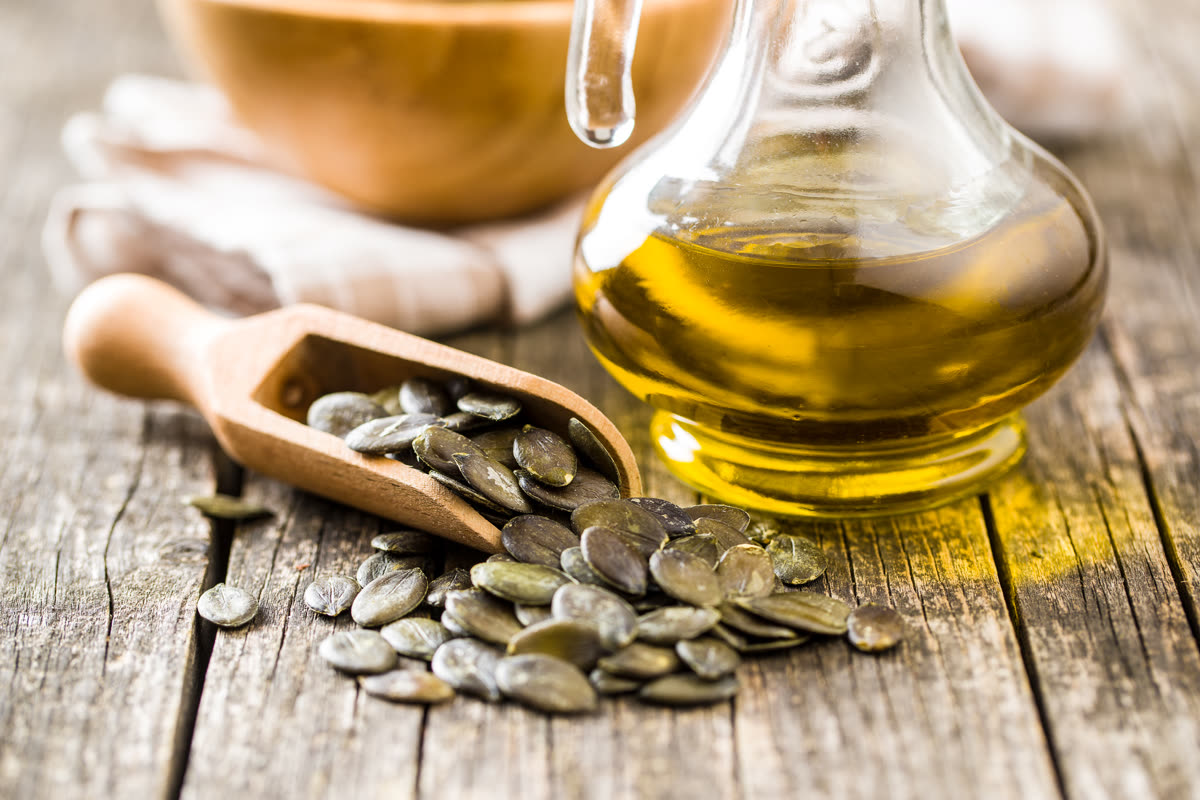 No. 035
Pumpkin Seed OilCucurbita pepo L.Deep green and nutty, pumpkin seed oil turns a weekly scalp massage into a comforting, nourishing pre-wash ritual.
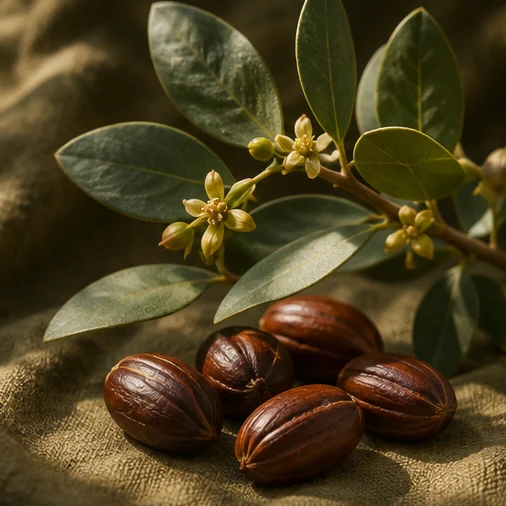 No. 028
JojobaSimmondsia chinensis (Link) C.K.Schneid.Jojoba is really a liquid wax, which is why it feels so silky, sinks in with a satin finish and keeps for years.
Go further
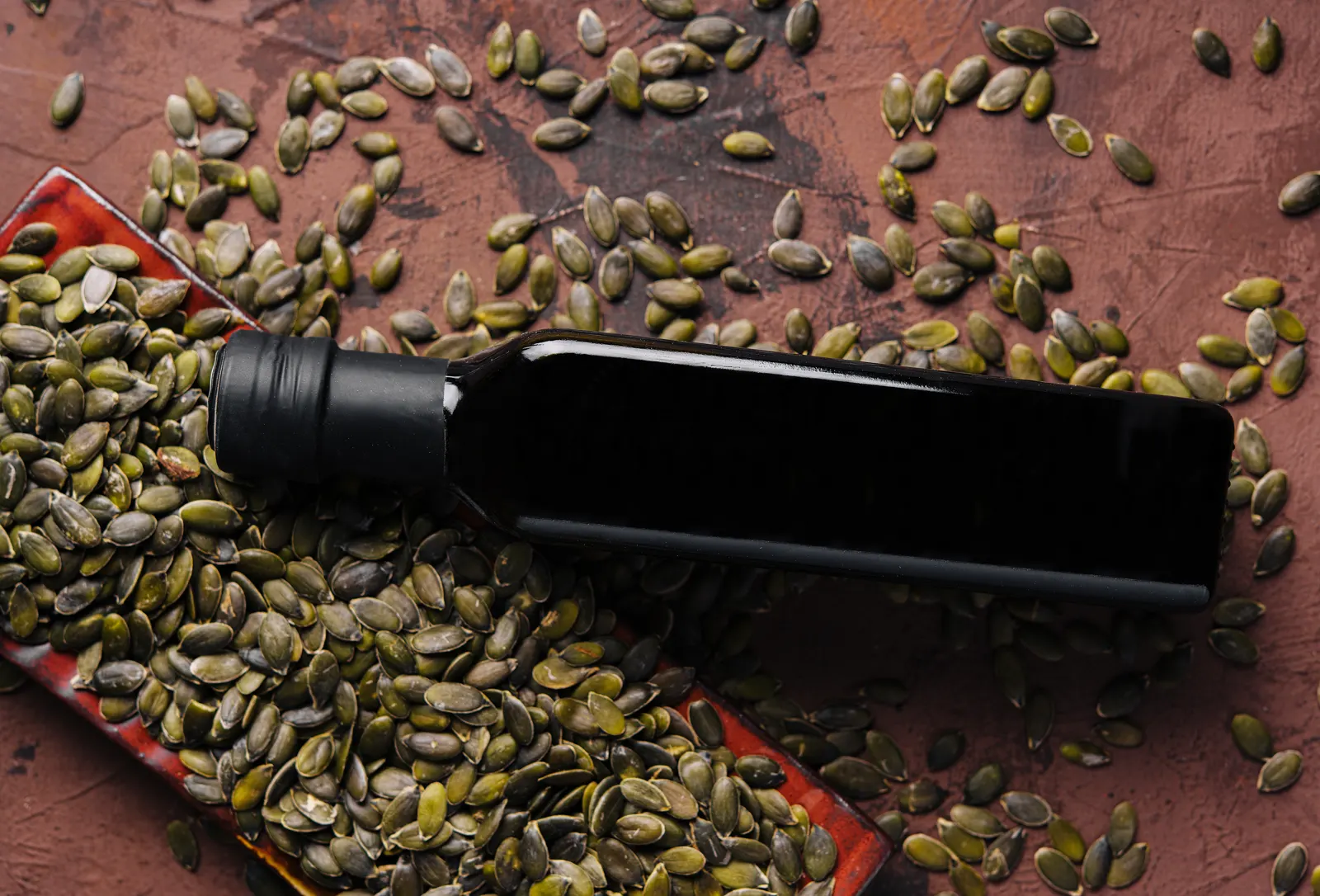 Hair care · BeginnerRosemary & Pumpkin Seed Scalp OilA pre-wash scalp massage oil with 2% rosemary essential oil in pumpkin seed, jojoba and argan oils — a supportive ritual, not a medical treatment.
ConcernThinning Hair & Hair LossPattern hair loss, telogen effluvium and alopecia areata explained — what rosemary can and cannot do, and why minoxidil remains the benchmark.GuideEssential Oil Safety: The Complete GuideDilution by use, phototoxic citrus limits, oxidation and allergy, IFRA standards, and special care for children, pregnancy and pets.ToolEssential Oil Dilution CalculatorSafe drops and grams for any carrier volume, with phototoxicity limits and age-appropriate presets.