Does it work?
Sunflower Oil for Sensitive Skin & Redness
What the research says about sunflower oil for sensitive skin & redness, how to use it at home and how to stay safe.
The short answer: Controlled human studies show barrier preservation versus olive oil and benefits as an emollient in preterm infants; trials are small or in specific settings.
Our Sensitive Skin & Redness guide does not rank Sunflower Oil for this use yet, so this is the overall grade for Sunflower Oil.
What it does
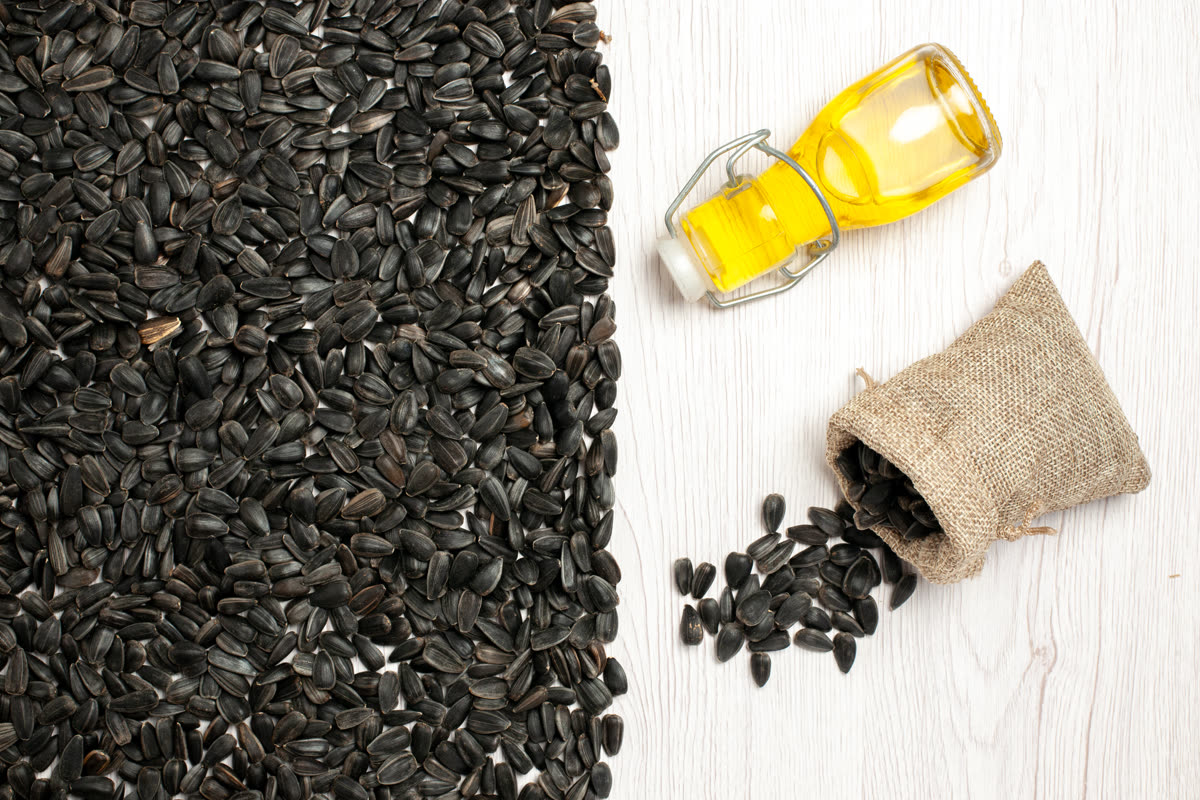
Sunflower seed oil is inexpensive, mild and surprisingly well studied. Classic high-linoleic sunflower oil supports the skin barrier — in a head-to-head study it preserved barrier integrity where olive oil harmed it — and it has been tested as an emollient in preterm infants. It is a gentle, versatile base for balms, cleansers and infused oils, though high-linoleic types need protecting from rancidity.
Why people reach for it
- Barrier-friendly emollient. Preserved stratum corneum integrity and improved hydration in a controlled comparison with olive oil — relevant for eczema-prone skin.
- Linoleic acid for ceramides. Supplies linoleic acid, which the skin builds into the acylceramides essential for the lamellar barrier.
- Gentle and low-cost. Mild, low-odor and low-allergy, it makes an affordable base for balms, cleansers and macerated (infused) herbal oils.
- Studied in vulnerable skin. Used as an emollient in preterm infants in low-resource settings, where it reduced hospital-acquired infections in a randomized trial.
How to use it
| Form | Typical use | Notes |
|---|---|---|
| Cleansing balm or oil | 30–70% of the formula | An affordable, gentle base; see Sunflower Cleansing Balm. |
| Infused (macerated) oil | As the carrier, 100% | The classic base for calendula oil; see Calendula Comfort Balm and Infused Oils, Hydrosols & Extracts. |
| Body oil and emollient | Neat or 20–80% of a blend | Apply to damp skin after bathing. Add tocopherol 0.2–0.5% to protect high-linoleic oil. |
| Creams | 3–15% of a formula | A cost-effective source of linoleic acid in the oil phase. |
Recipes for Sensitive Skin & Redness with Sunflower Oil
 Cleanser · IntermediateSunflower Cleansing BalmA sherbet-textured cleansing balm of sunflower, shea and jojoba with a plant-derived emulsifier that turns milky and rinses clean, sunscreen included.
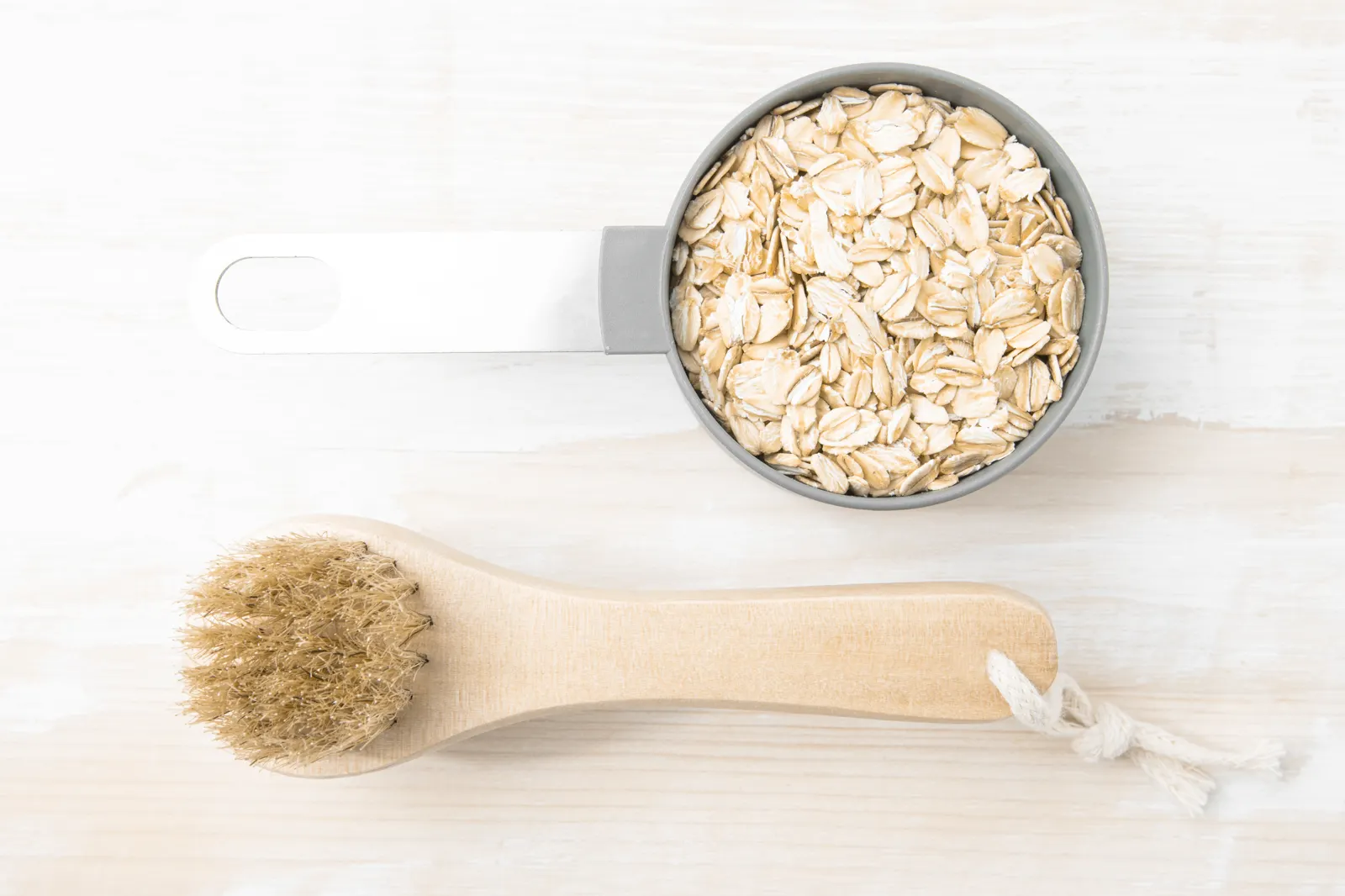 Bath · BeginnerColloidal Oat Soothing BathA lukewarm colloidal oatmeal soak with a little sunflower oil and marshmallow root to calm itchy, dry or eczema-prone skin.
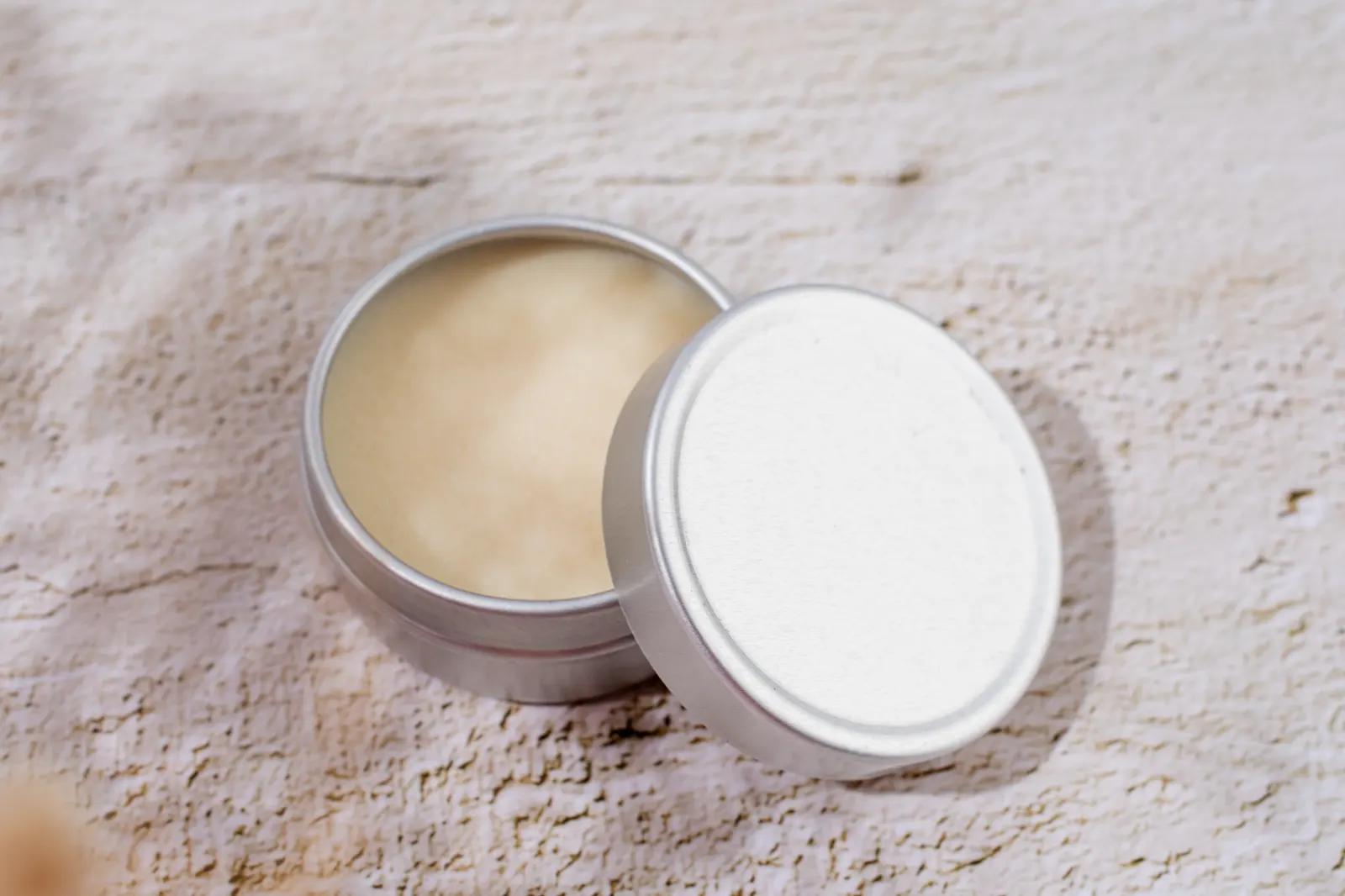 Balm · BeginnerGentle Balm for Dry PatchesAn unscented, fuss-free balm of sunflower oil, mango butter, jojoba and a little colloidal oatmeal for rough, tight patches on elbows, hands and shins.
Daily rituals with Sunflower Oil
 The Two-Minute Barrier CheckTight, stinging, flaky and shiny at once? A two-minute morning check tells you when to pause actives and give your skin barrier a calm week.
 Soak and Seal: The Three-Minute Rule for Eczema-Prone SkinMoisturize within three minutes of bathing, on still-damp skin. A simple winter habit for eczema-prone and very dry skin, with the evidence behind it.
Use it safely
- Very well tolerated. People with sunflower-seed food allergy usually tolerate refined oil, but can react to cold-pressed oil — ask an allergist.
- Sunflower is in the daisy family (Asteraceae); refined oil carries negligible sesquiterpene lactones, but patch test if you have known Compositae allergy.
- High-linoleic oil oxidizes relatively fast; rancid oil can irritate.
- For newborns, use only with your midwife’s or pediatrician’s advice; daily emollients have not been shown to prevent eczema.
Pregnancy and breastfeeding: Safe topically in pregnancy and breastfeeding.
New to an ingredient? Patch test first.
When to see a doctor
- Swelling of the lips, eyelids, tongue or throat, or difficulty breathing after using a product — this is an emergency.
- Persistent facial redness, visible vessels, flushing or bumps (possible rosacea), or burning, gritty, red eyes with facial redness (ocular rosacea).
- An itchy rash that spreads beyond where a product was applied or appears 1–3 days later (possible allergic contact dermatitis — ask about patch testing).
- A butterfly-shaped rash across the cheeks with joint pain, fatigue or sun sensitivity.
- Redness or stinging that continues despite a stripped-back routine for 4–6 weeks.
Other plants for Sensitive Skin & Redness
| Ingredient | Grade | What the evidence shows |
|---|---|---|
| Colloidal Oatmeal | B | Avenanthramides are anti-inflammatory and anti-itch; clinical studies support oatmeal products for irritated, itchy and reactive skin. |
| Licorice Root | B | Several small, mostly manufacturer-funded trials of licochalcone A products reduced facial redness, including in mild rosacea. |
| Centella Asiatica (Cica) | C | Madecassoside and asiaticoside reduce inflammation and support barrier repair in the lab; small human studies of centella creams show improved redness and comfort. |
| Green Tea | C | EGCG is anti-inflammatory and reduces UV-induced redness; a small trial suggested benefit in papulopustular rosacea. |
| Aloe Vera | C | Soothing and cooling with small supportive studies; choose stabilized gels without alcohol or fragrance, as some products irritate. |
| Chamomile | C | Bisabolol and chamazulene are anti-inflammatory, but chamomile is in the daisy family and can cause allergy in sensitized people. |