Does it work?
Sunflower Oil for Eczema-Prone Skin
The humble kitchen oil with some of the best barrier evidence of any plant oil: gentle, affordable and kind to dry skin.
The short answer: Linoleic-rich sunflower oil supported barrier function in comparative studies and neonatal trials; it is a sensible base oil for eczema-prone skin.
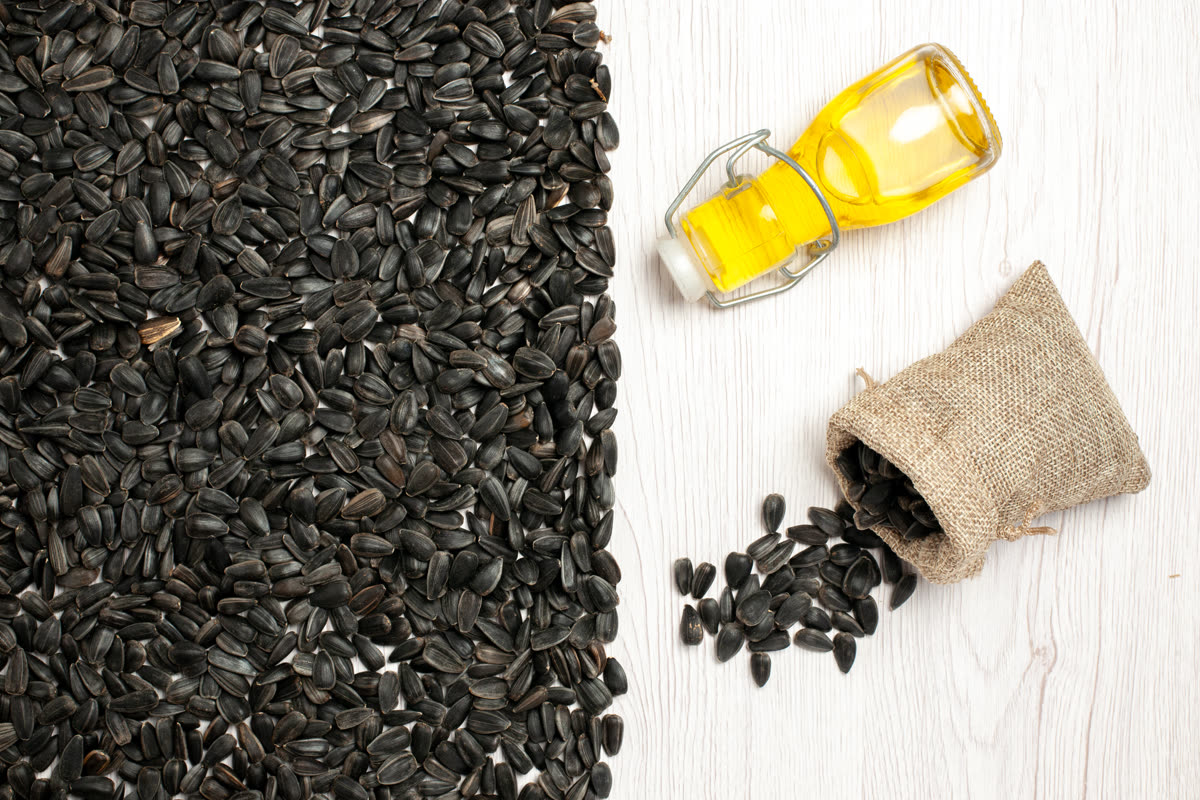
What Sunflower Oil can do for Eczema-Prone Skin
Sunflower seed oil is inexpensive, mild and surprisingly well studied. Classic high-linoleic sunflower oil supports the skin barrier — in a head-to-head study it preserved barrier integrity where olive oil harmed it — and it has been tested as an emollient in preterm infants. It is a gentle, versatile base for balms, cleansers and infused oils, though high-linoleic types need protecting from rancidity.
Why people reach for it
- Barrier-friendly emollient. Preserved stratum corneum integrity and improved hydration in a controlled comparison with olive oil — relevant for eczema-prone skin.
- Linoleic acid for ceramides. Supplies linoleic acid, which the skin builds into the acylceramides essential for the lamellar barrier.
- Gentle and low-cost. Mild, low-odor and low-allergy, it makes an affordable base for balms, cleansers and macerated (infused) herbal oils.
- Studied in vulnerable skin. Used as an emollient in preterm infants in low-resource settings, where it reduced hospital-acquired infections in a randomized trial.
How to use it
Try it today
An after-bath body oil
- If you have a known daisy-family (Compositae) allergy, patch test first.
- Straight after a lukewarm bath, pat your skin until it is just damp.
- Smooth a thin layer of sunflower oil over arms, legs and body to seal in moisture.
| Form | Typical use | Notes |
|---|---|---|
| Cleansing balm or oil | 30–70% of the formula | An affordable, gentle base; see Sunflower Cleansing Balm. |
| Infused (macerated) oil | As the carrier, 100% | The classic base for calendula oil; see Calendula Comfort Balm and Infused Oils, Hydrosols & Extracts. |
| Body oil and emollient | Neat or 20–80% of a blend | Apply to damp skin after bathing. Add tocopherol 0.2–0.5% to protect high-linoleic oil. |
| Creams | 3–15% of a formula | A cost-effective source of linoleic acid in the oil phase. |
Recipes for Eczema-Prone Skin with Sunflower Oil
 Body care · BeginnerWhipped Shea Body ButterCloud-light whipped shea with coconut and sunflower oils and a hint of lavender — rich care for dry skin, with the trick that prevents graininess.
 Bath · BeginnerColloidal Oat Soothing BathA lukewarm colloidal oatmeal soak with a little sunflower oil and marshmallow root to calm itchy, dry or eczema-prone skin.
 Balm · BeginnerGentle Balm for Dry PatchesAn unscented, fuss-free balm of sunflower oil, mango butter, jojoba and a little colloidal oatmeal for rough, tight patches on elbows, hands and shins.
Daily rituals with Sunflower Oil
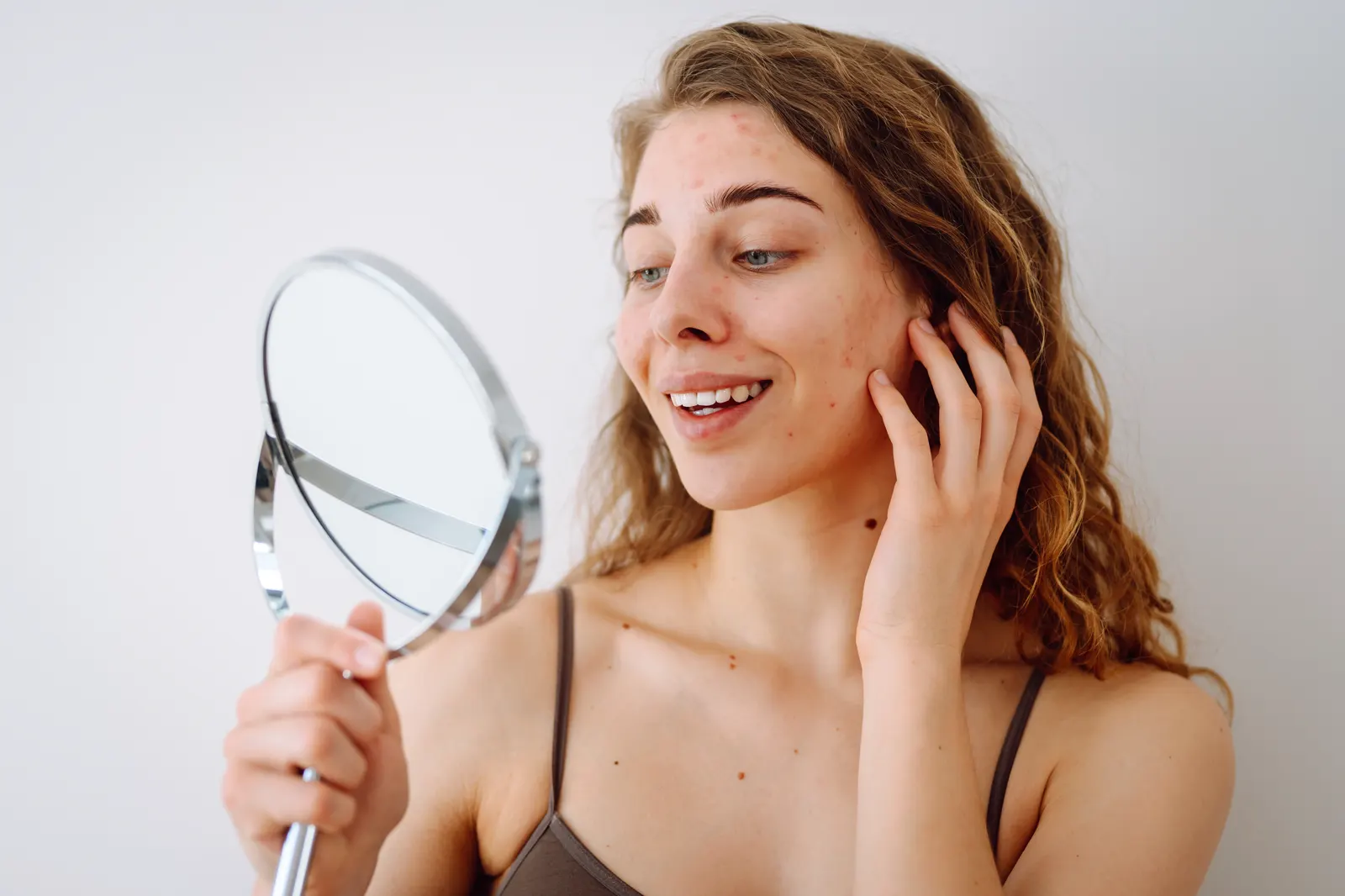 The Two-Minute Barrier CheckTight, stinging, flaky and shiny at once? A two-minute morning check tells you when to pause actives and give your skin barrier a calm week.
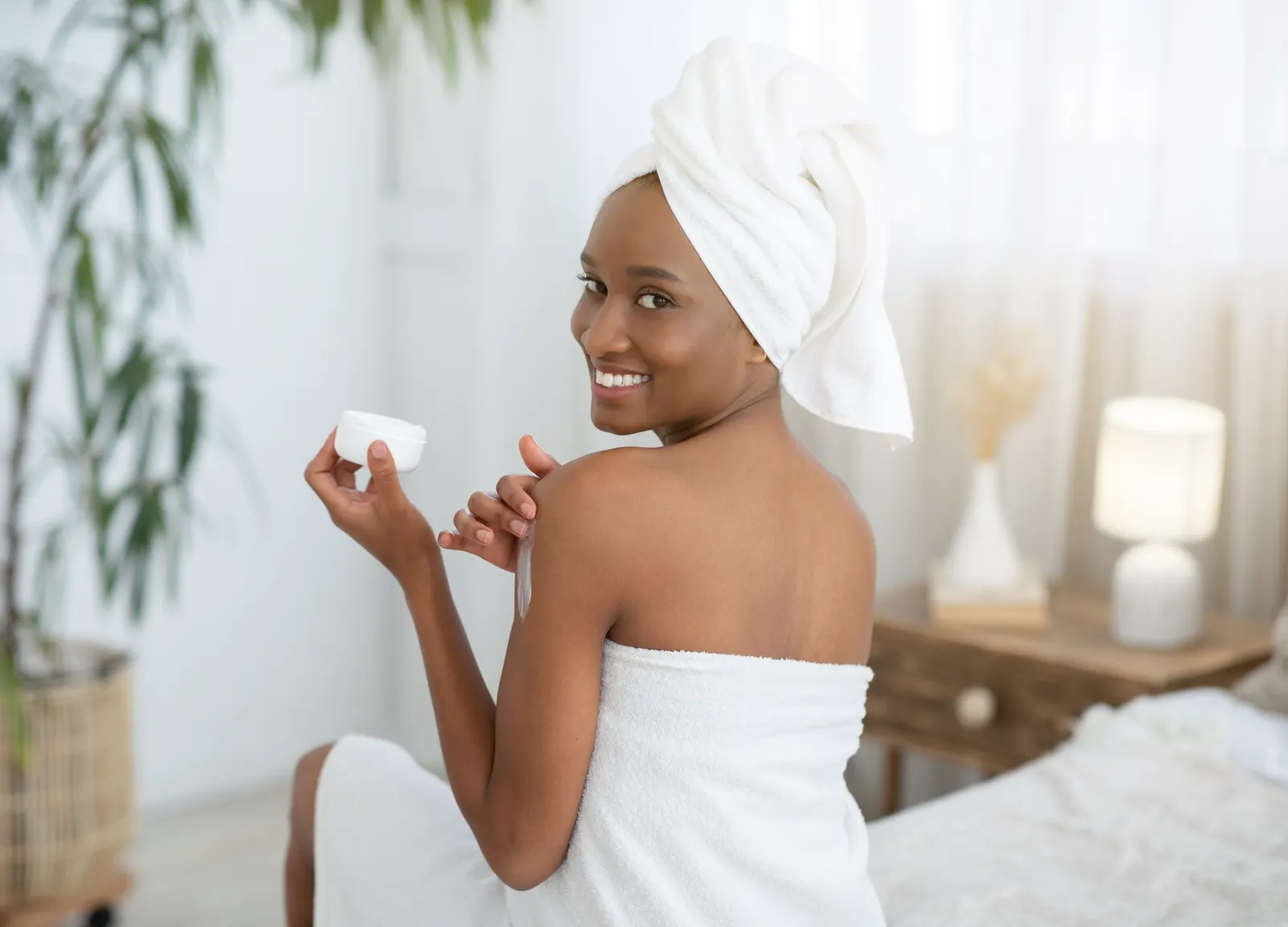 Soak and Seal: The Three-Minute Rule for Eczema-Prone SkinMoisturize within three minutes of bathing, on still-damp skin. A simple winter habit for eczema-prone and very dry skin, with the evidence behind it.
Use it safely
- Very well tolerated. People with sunflower-seed food allergy usually tolerate refined oil, but can react to cold-pressed oil — ask an allergist.
- Sunflower is in the daisy family (Asteraceae); refined oil carries negligible sesquiterpene lactones, but patch test if you have known Compositae allergy.
- High-linoleic oil oxidizes relatively fast; rancid oil can irritate.
- For newborns, use only with your midwife’s or pediatrician’s advice; daily emollients have not been shown to prevent eczema.
Pregnancy and breastfeeding: Safe topically in pregnancy and breastfeeding.
New to an ingredient? Patch test first.
When to see a doctor
- Weeping, crusting (honey-colored crusts), pus or rapidly worsening eczema — possible bacterial infection.
- Painful, clustered, punched-out sores or blisters with fever or feeling unwell — possible eczema herpeticum, which needs same-day medical care.
- Fever, chills or spreading redness alongside eczema.
- Eczema affecting sleep, school, work or mood, or not controlled by emollients and the treatment you have been given.
- Babies with eczema who also have feeding problems, poor growth or reactions after eating certain foods.
- Eczema around or affecting the eyes, or worsening vision.
Other plants for Eczema-Prone Skin
| Ingredient | Grade | What the evidence shows |
|---|---|---|
| Colloidal Oatmeal | B | Randomized trials show colloidal oatmeal creams and baths improve dryness, itch and eczema severity, supporting use as part of emollient therapy. |
| Coconut Oil | B | A randomized trial in children with mild to moderate eczema found virgin coconut oil improved severity more than mineral oil, and it reduced S. aureus colonization in another trial. |
| Shea Butter | C | A rich, low-allergen emollient; small studies of shea-based creams show improvement, though it is usually tested alongside other ingredients. |
| Licorice Root | C | A small trial of a 2% licorice extract gel reduced itch and redness; glycyrrhetinic acid is anti-inflammatory. |
| Chamomile | C | An older half-side study found a chamomile cream modestly effective versus low-strength hydrocortisone, but daisy-family allergy is a real risk on eczematous skin. |
| Honey | C | Small studies of medical-grade honey on eczema patches suggest benefit; kitchen honey is not sterile and is not for broken skin. |