Does it work?
Colloidal Oatmeal for Sensitive Skin & Redness
What the research says about colloidal oatmeal for sensitive skin & redness, how to use it at home and how to stay safe.
The short answer: Avenanthramides are anti-inflammatory and anti-itch; clinical studies support oatmeal products for irritated, itchy and reactive skin.
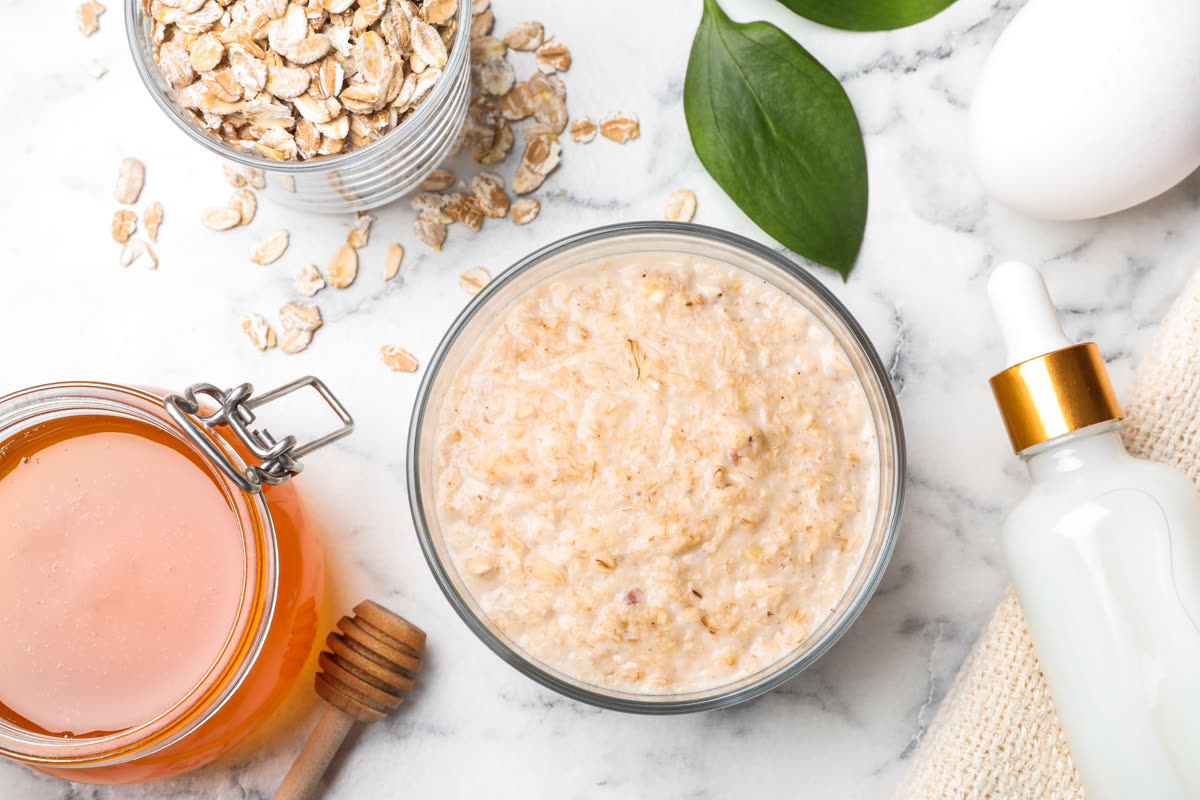
What it does
Colloidal oatmeal is whole oat kernel milled to a powder so fine that it disperses in water into a milky, soothing suspension. It is one of the few botanicals recognized by the US FDA as an over-the-counter skin protectant for itch and irritation, including eczema. It calms, moisturizes, cleanses gently and helps the barrier, with clinical trials supporting its use in mild-to-moderate atopic dermatitis.
Why people reach for it
- Relieves itch. Avenanthramides reduce itch and inflammatory signaling, which is why oat baths have long been used for rashes, bites and eczema.
- Protects and supports the barrier. Starches and β-glucan form a protective, moisture-holding film, and lab work shows oat extracts upregulate barrier-related genes.
- Cleanses gently. Natural saponins cleanse without stripping, making oat cleansers suitable for sensitive skin.
- Suitable for children. Widely used and well tolerated in children with eczema, with caveats about oat sensitization on broken skin.
How to use it
| Form | Typical use | Notes |
|---|---|---|
| Oat bath | Follow the product label; for homemade, about a cupful of very finely ground oats in a full tub | Soak 10–15 minutes in lukewarm water, pat dry and moisturize within minutes. See Colloidal Oat Soothing Bath. |
| Cream or lotion | 0.5–2% (1% is common in OTC eczema creams) | Aqueous products need a broad-spectrum preservative; see DIY Safety: Water, Microbes & Preservatives. |
| Fresh mask | 1–2 tablespoons mixed to a paste | Use immediately and discard leftovers; see Calming Oat & Chamomile Mask. |
| Cleanser | A teaspoon of oat powder with water or honey | Massage gently and rinse; see Honey & Oat Gentle Cleanser. |
Recipes for Sensitive Skin & Redness with Colloidal Oatmeal
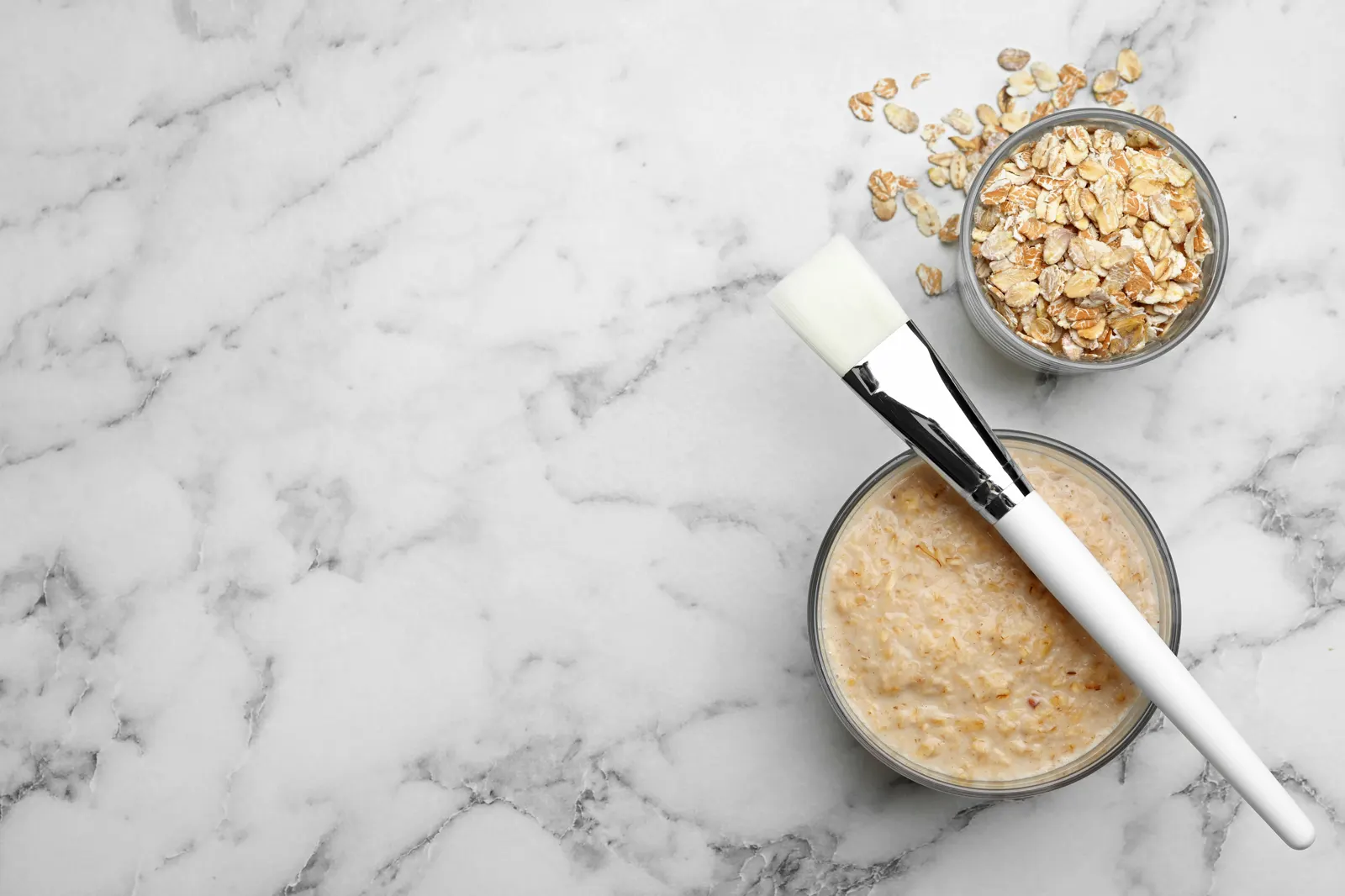 Mask · BeginnerCalming Oat & Chamomile MaskA soothing single-use paste of colloidal oatmeal, cooled chamomile tea, honey and aloe for skin that feels hot, tight or reactive.
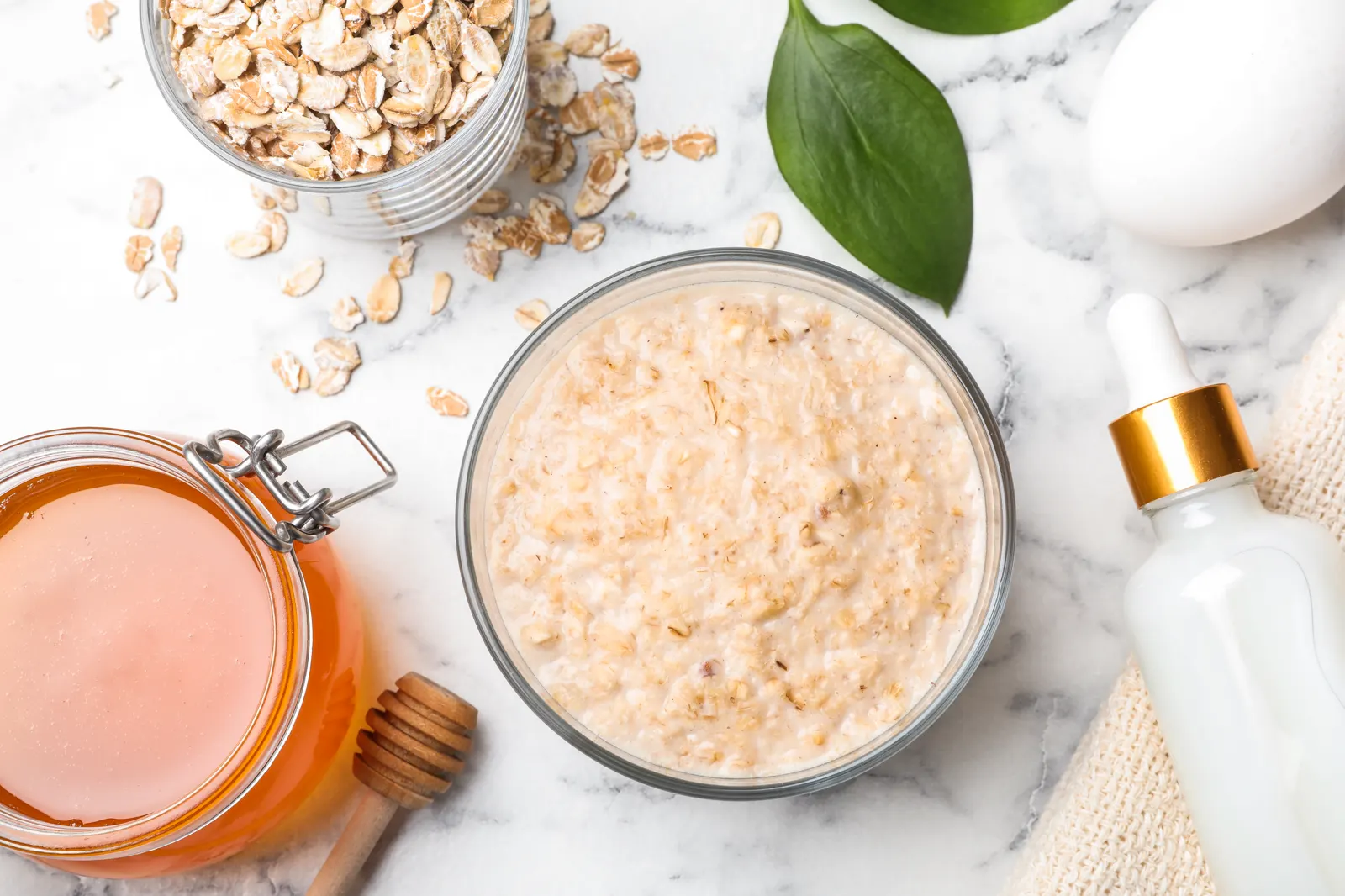 Cleanser · BeginnerHoney & Oat Gentle CleanserA no-foam, single-use cleansing paste of raw honey, colloidal oatmeal, rose water and jojoba for dry or sensitive skin that hates feeling squeaky.
 Bath · BeginnerColloidal Oat Soothing BathA lukewarm colloidal oatmeal soak with a little sunflower oil and marshmallow root to calm itchy, dry or eczema-prone skin.
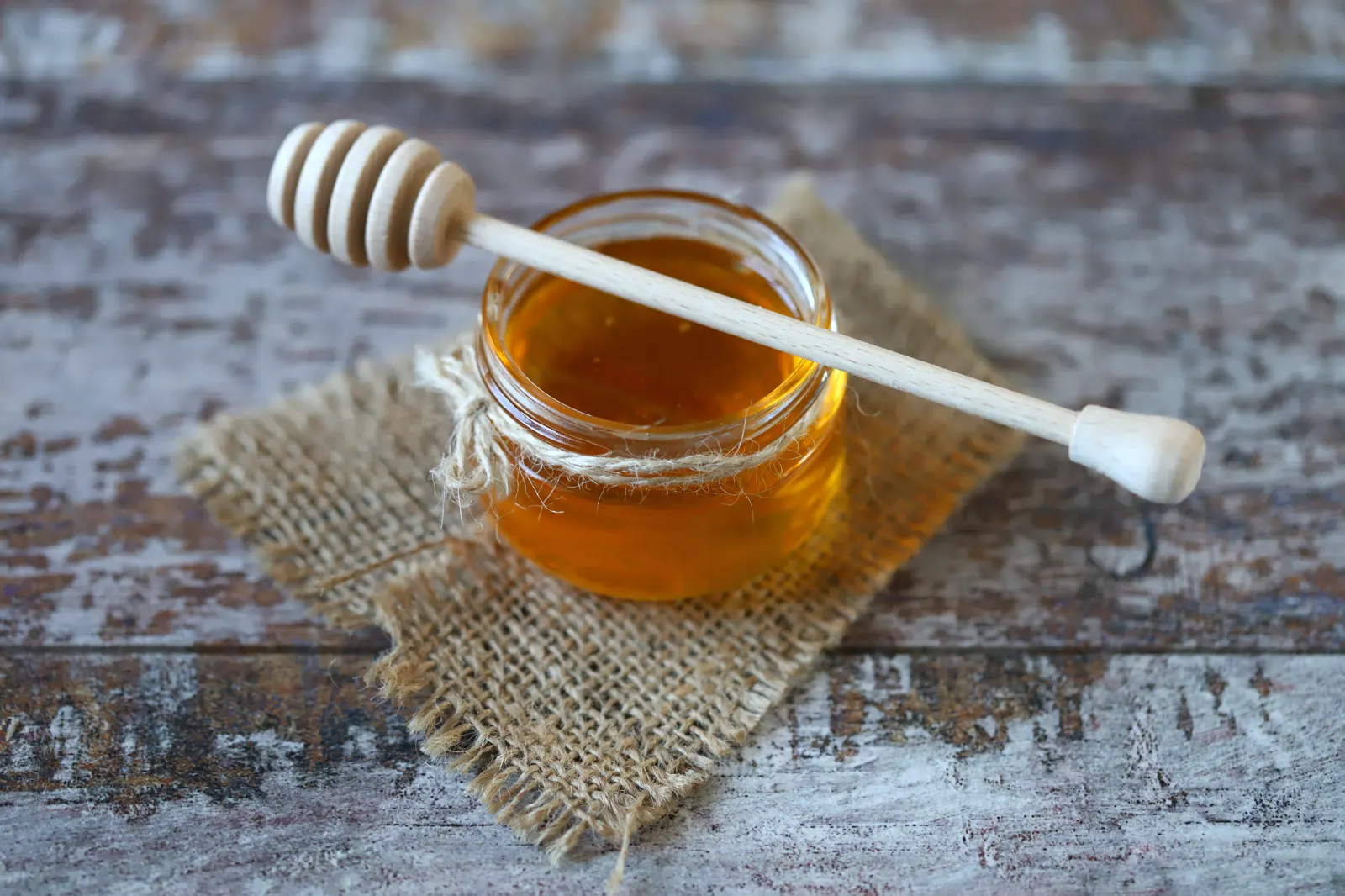 Mask · BeginnerHoney & Oat Glow MaskA creamy ten-minute mask of honey, finely ground oats and a little almond oil for skin that looks tired and feels tight. Fresh, single use.
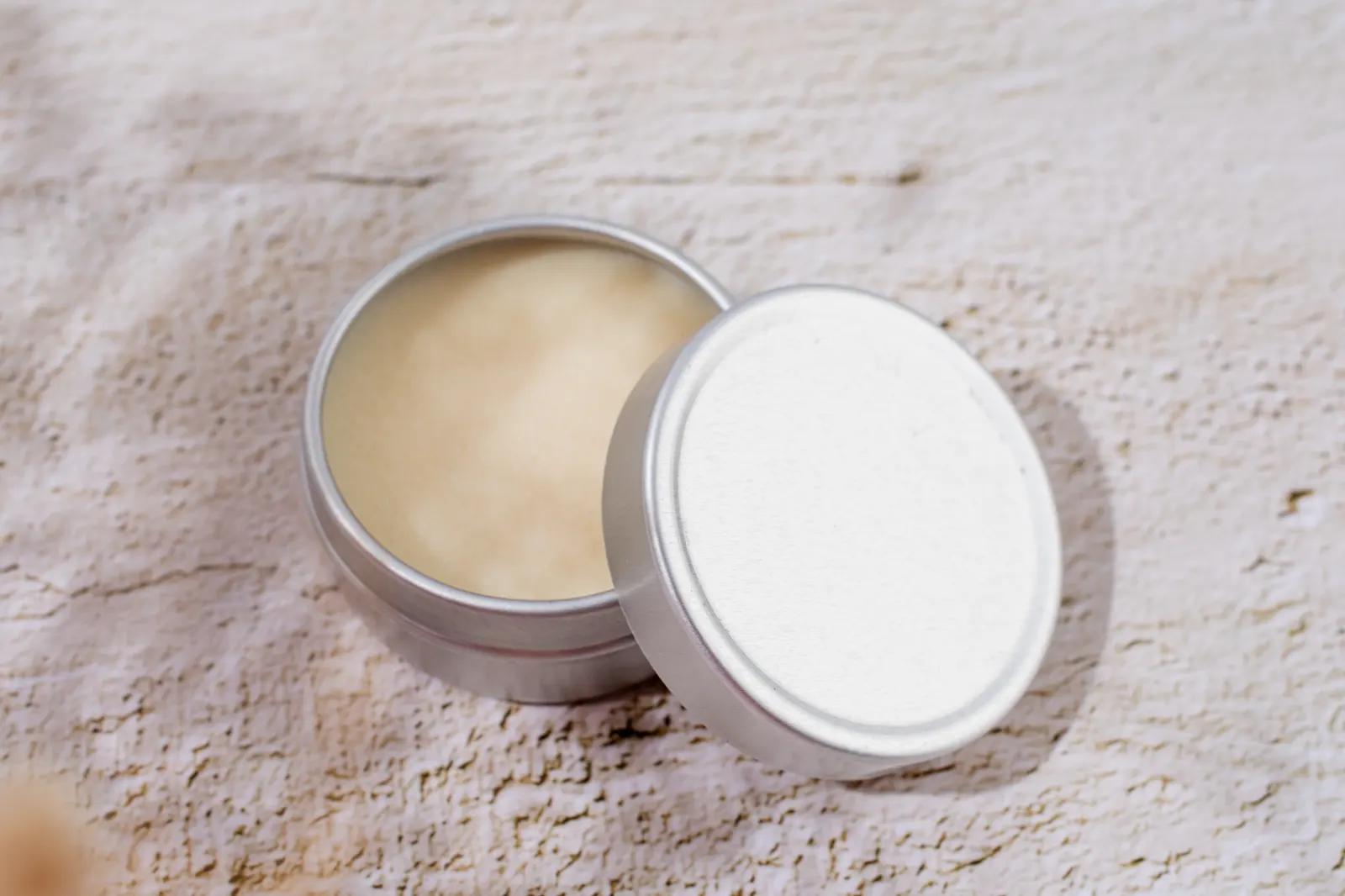 Balm · BeginnerGentle Balm for Dry PatchesAn unscented, fuss-free balm of sunflower oil, mango butter, jojoba and a little colloidal oatmeal for rough, tight patches on elbows, hands and shins.
 Bath · BeginnerOat Milk & Rose Bath SoakA milk bath of powdered milk, colloidal oatmeal, almond oil and rose petals, tied in a muslin bag for silky water, soft skin and no mess.
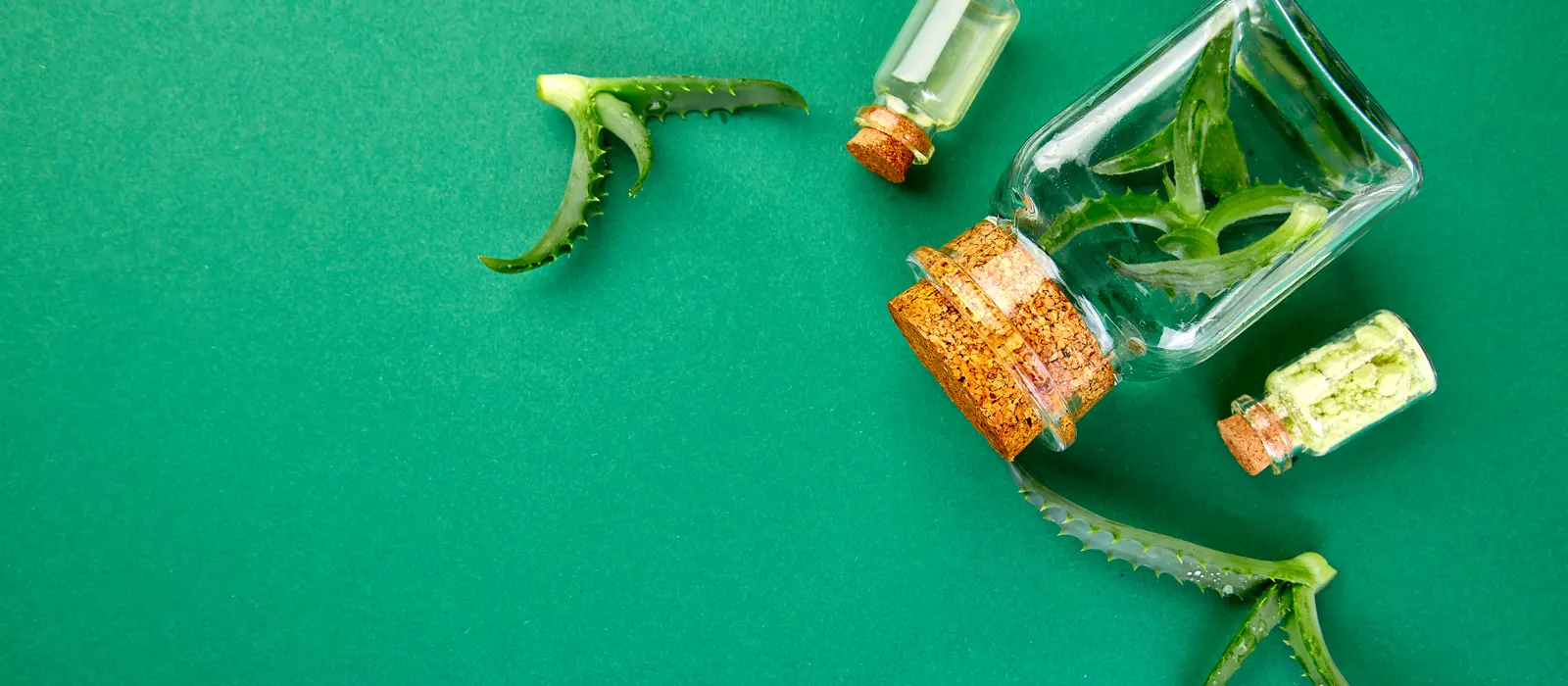 Toner · BeginnerOat & Aloe Post-Shave SplashA cool, milky splash of oat water and pure aloe gel to calm razor-tingled face, legs or underarms. Made fresh and used within the hour.
Daily rituals with Colloidal Oatmeal
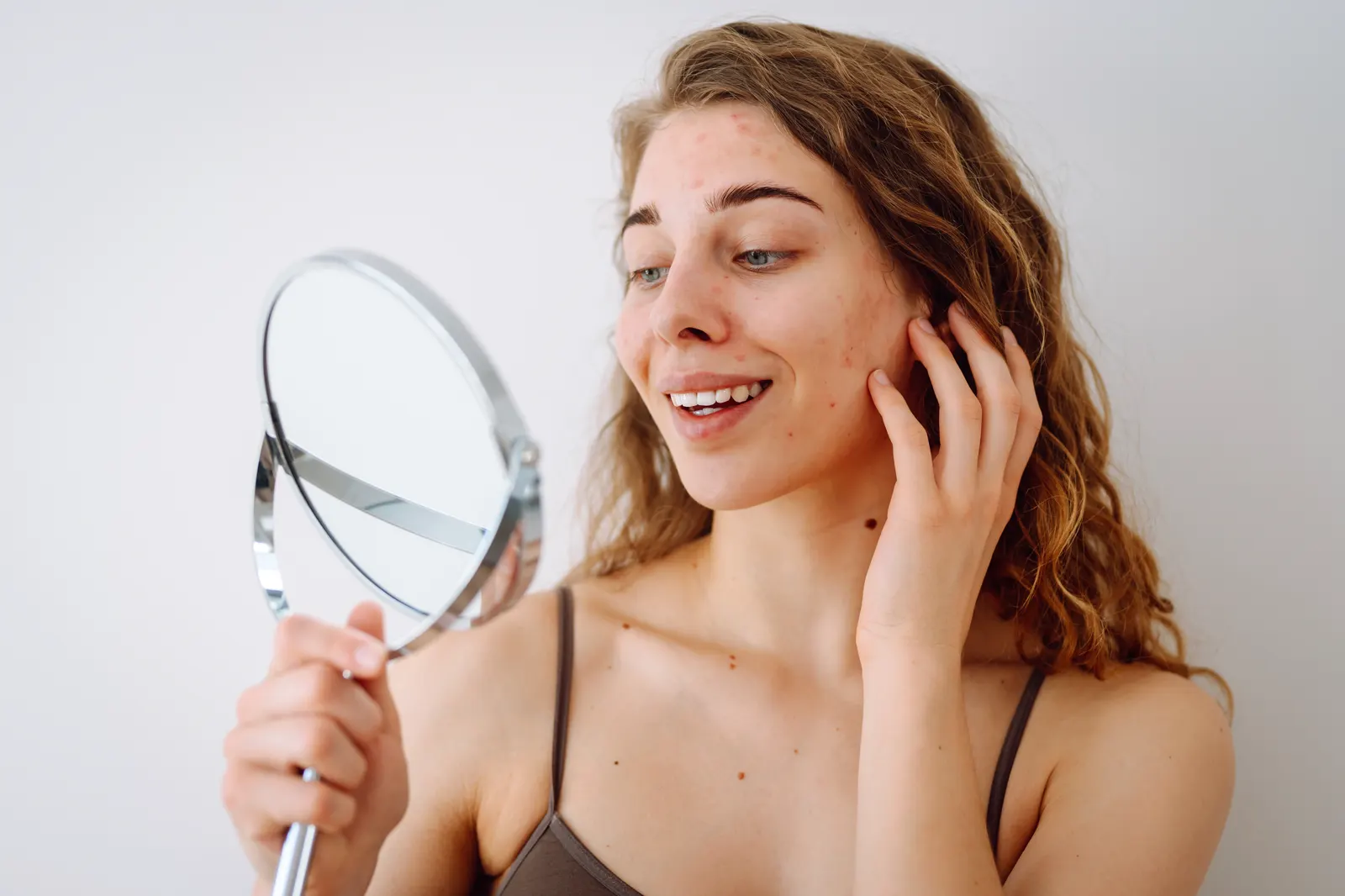 The Two-Minute Barrier CheckTight, stinging, flaky and shiny at once? A two-minute morning check tells you when to pause actives and give your skin barrier a calm week.
 Soak and Seal: The Three-Minute Rule for Eczema-Prone SkinMoisturize within three minutes of bathing, on still-damp skin. A simple winter habit for eczema-prone and very dry skin, with the evidence behind it.
Use it safely
- Children with eczema can become sensitized to oat proteins; if a rash worsens after oat products, stop and talk to your doctor.
- If you have celiac disease, choose certified gluten-free oat products, especially for children who may put hands in their mouths.
- Oat baths make tubs slippery — take care, especially with children and older adults.
- Wet oat pastes spoil quickly: make fresh and use once.
- See a doctor if eczema is weeping, crusted or painful, or if punched-out sores appear with fever (possible eczema herpeticum — urgent).
Pregnancy and breastfeeding: Safe in pregnancy and breastfeeding. Persistent itching, especially on palms and soles late in pregnancy, needs a medical check for intrahepatic cholestasis of pregnancy.
New to an ingredient? Patch test first.
When to see a doctor
- Swelling of the lips, eyelids, tongue or throat, or difficulty breathing after using a product — this is an emergency.
- Persistent facial redness, visible vessels, flushing or bumps (possible rosacea), or burning, gritty, red eyes with facial redness (ocular rosacea).
- An itchy rash that spreads beyond where a product was applied or appears 1–3 days later (possible allergic contact dermatitis — ask about patch testing).
- A butterfly-shaped rash across the cheeks with joint pain, fatigue or sun sensitivity.
- Redness or stinging that continues despite a stripped-back routine for 4–6 weeks.
Other plants for Sensitive Skin & Redness
| Ingredient | Grade | What the evidence shows |
|---|---|---|
| Licorice Root | B | Several small, mostly manufacturer-funded trials of licochalcone A products reduced facial redness, including in mild rosacea. |
| Centella Asiatica (Cica) | C | Madecassoside and asiaticoside reduce inflammation and support barrier repair in the lab; small human studies of centella creams show improved redness and comfort. |
| Green Tea | C | EGCG is anti-inflammatory and reduces UV-induced redness; a small trial suggested benefit in papulopustular rosacea. |
| Aloe Vera | C | Soothing and cooling with small supportive studies; choose stabilized gels without alcohol or fragrance, as some products irritate. |
| Chamomile | C | Bisabolol and chamazulene are anti-inflammatory, but chamomile is in the daisy family and can cause allergy in sensitized people. |