Does it work?
Sunflower Oil for Dry & Dehydrated Skin
What the research says about sunflower oil for dry & dehydrated skin, how to use it at home and how to stay safe.
The short answer: Linoleic-rich sunflower seed oil preserved stratum corneum integrity and improved hydration in a comparative study with olive oil, and supports barrier function in neonatal studies.
What it does
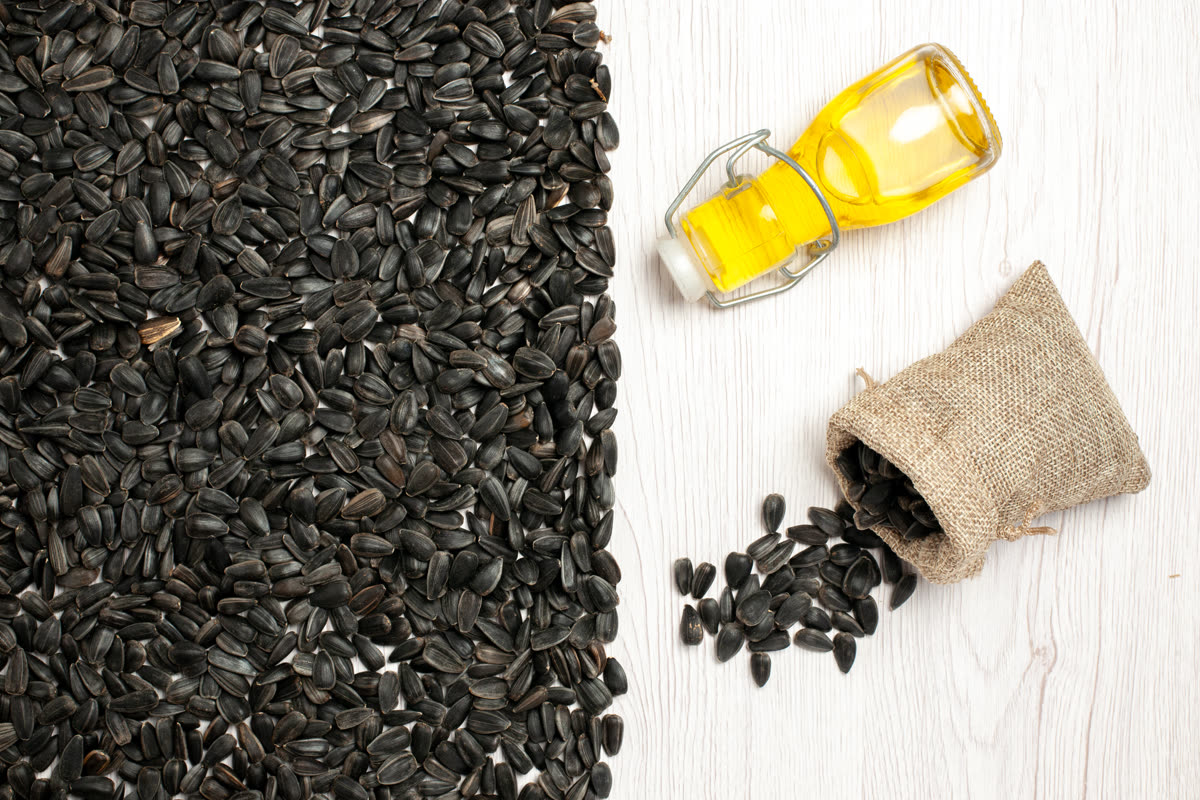
Sunflower seed oil is inexpensive, mild and surprisingly well studied. Classic high-linoleic sunflower oil supports the skin barrier — in a head-to-head study it preserved barrier integrity where olive oil harmed it — and it has been tested as an emollient in preterm infants. It is a gentle, versatile base for balms, cleansers and infused oils, though high-linoleic types need protecting from rancidity.
Why people reach for it
- Barrier-friendly emollient. Preserved stratum corneum integrity and improved hydration in a controlled comparison with olive oil — relevant for eczema-prone skin.
- Linoleic acid for ceramides. Supplies linoleic acid, which the skin builds into the acylceramides essential for the lamellar barrier.
- Gentle and low-cost. Mild, low-odor and low-allergy, it makes an affordable base for balms, cleansers and macerated (infused) herbal oils.
- Studied in vulnerable skin. Used as an emollient in preterm infants in low-resource settings, where it reduced hospital-acquired infections in a randomized trial.
How to use it
| Form | Typical use | Notes |
|---|---|---|
| Cleansing balm or oil | 30–70% of the formula | An affordable, gentle base; see Sunflower Cleansing Balm. |
| Infused (macerated) oil | As the carrier, 100% | The classic base for calendula oil; see Calendula Comfort Balm and Infused Oils, Hydrosols & Extracts. |
| Body oil and emollient | Neat or 20–80% of a blend | Apply to damp skin after bathing. Add tocopherol 0.2–0.5% to protect high-linoleic oil. |
| Creams | 3–15% of a formula | A cost-effective source of linoleic acid in the oil phase. |
Recipes for Dry & Dehydrated Skin with Sunflower Oil
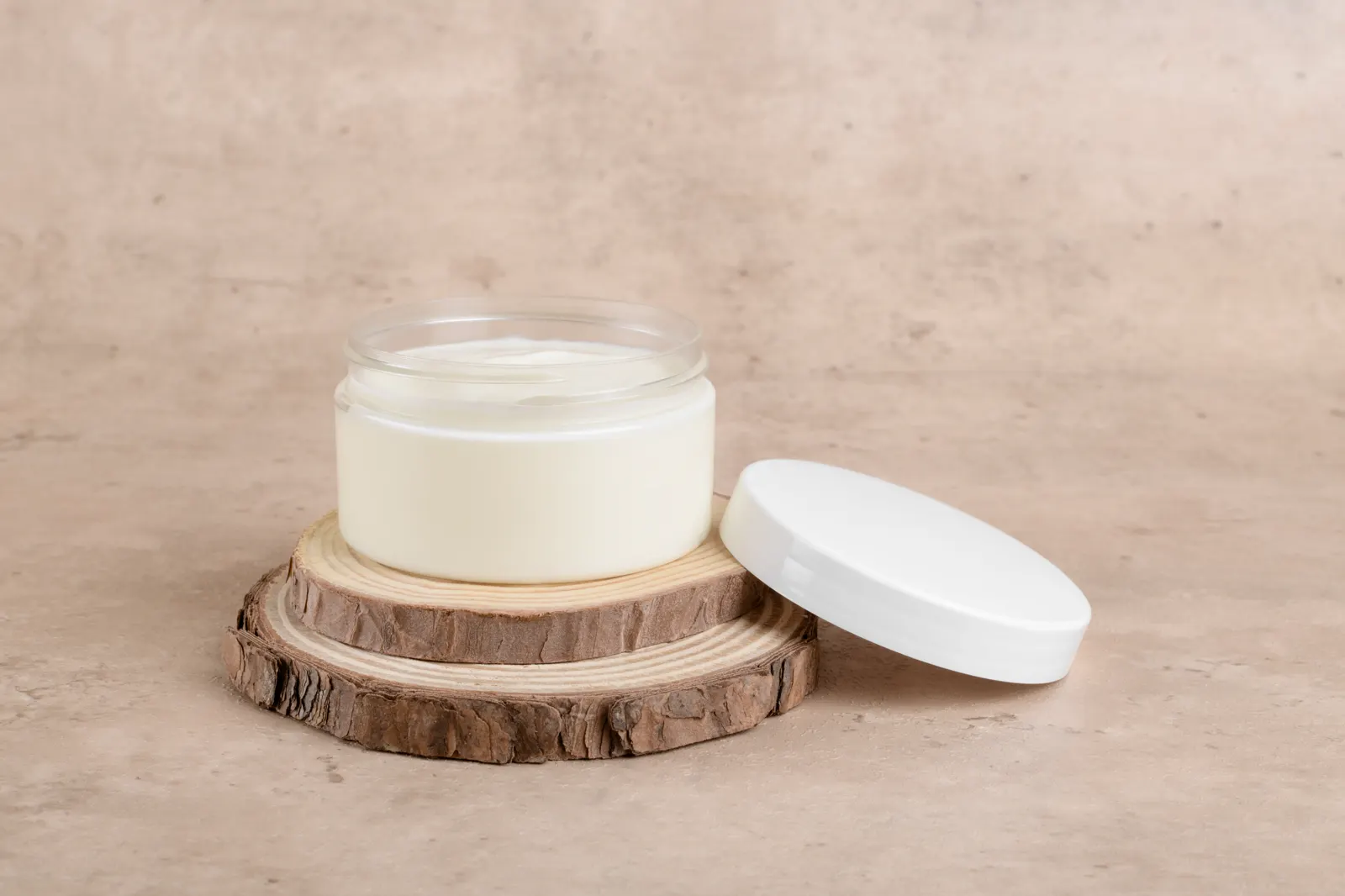 Body care · BeginnerWhipped Shea Body ButterCloud-light whipped shea with coconut and sunflower oils and a hint of lavender — rich care for dry skin, with the trick that prevents graininess.
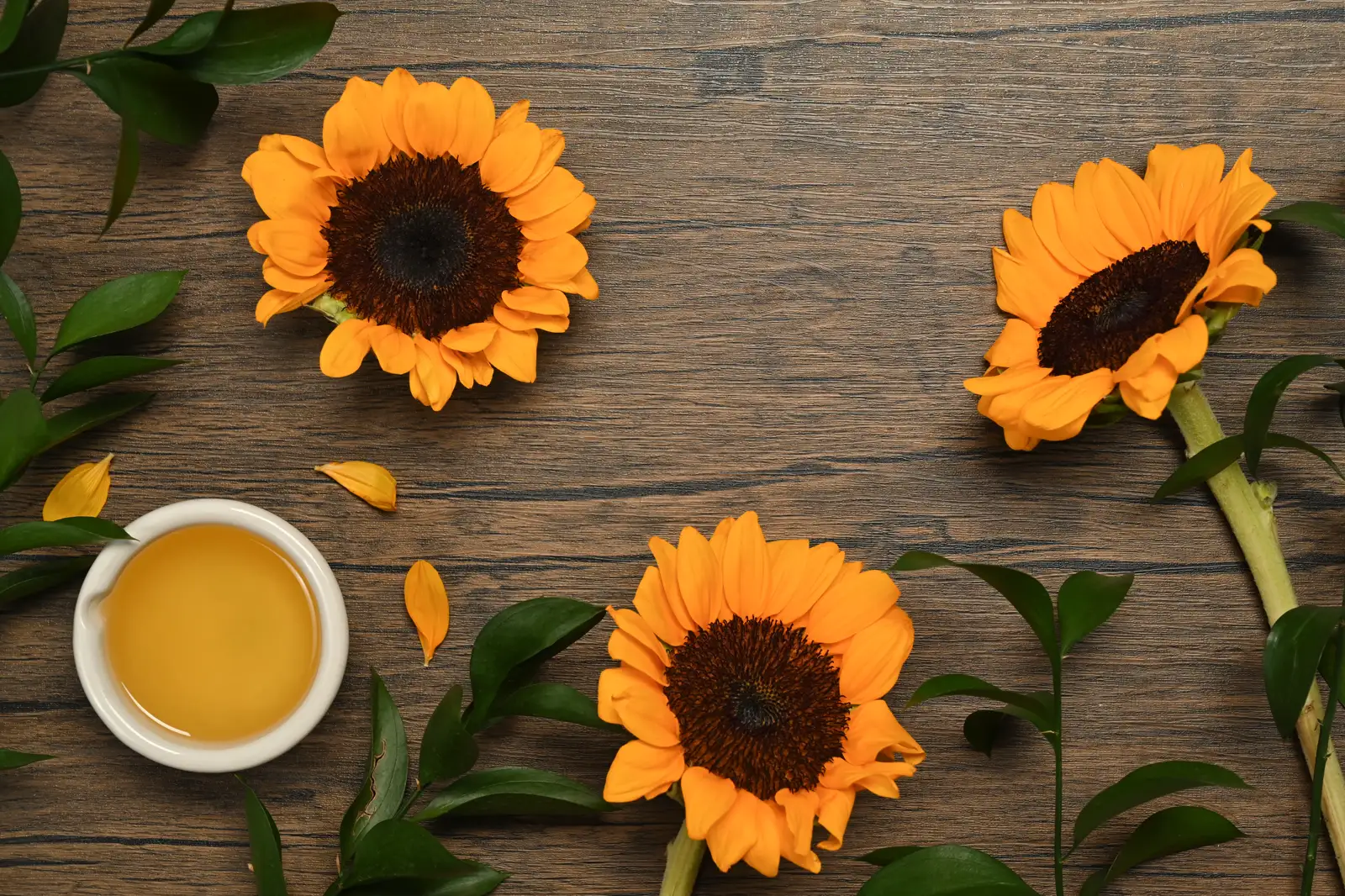 Cleanser · IntermediateSunflower Cleansing BalmA sherbet-textured cleansing balm of sunflower, shea and jojoba with a plant-derived emulsifier that turns milky and rinses clean, sunscreen included.
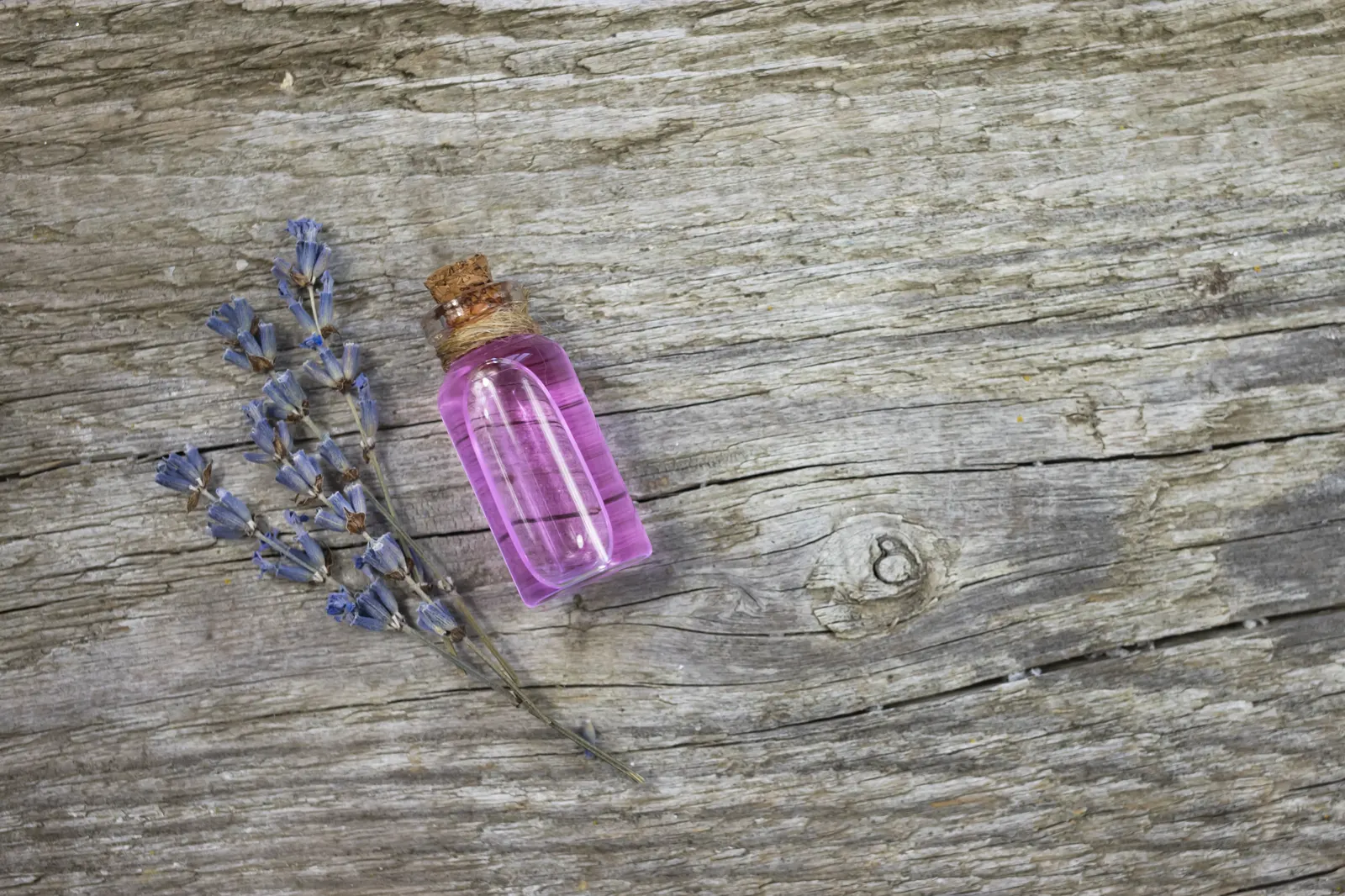 Body care · BeginnerLavender Calm Body OilA silky after-bath body oil of sunflower, apricot kernel and jojoba with 2% true lavender — the maximum we recommend for body use.
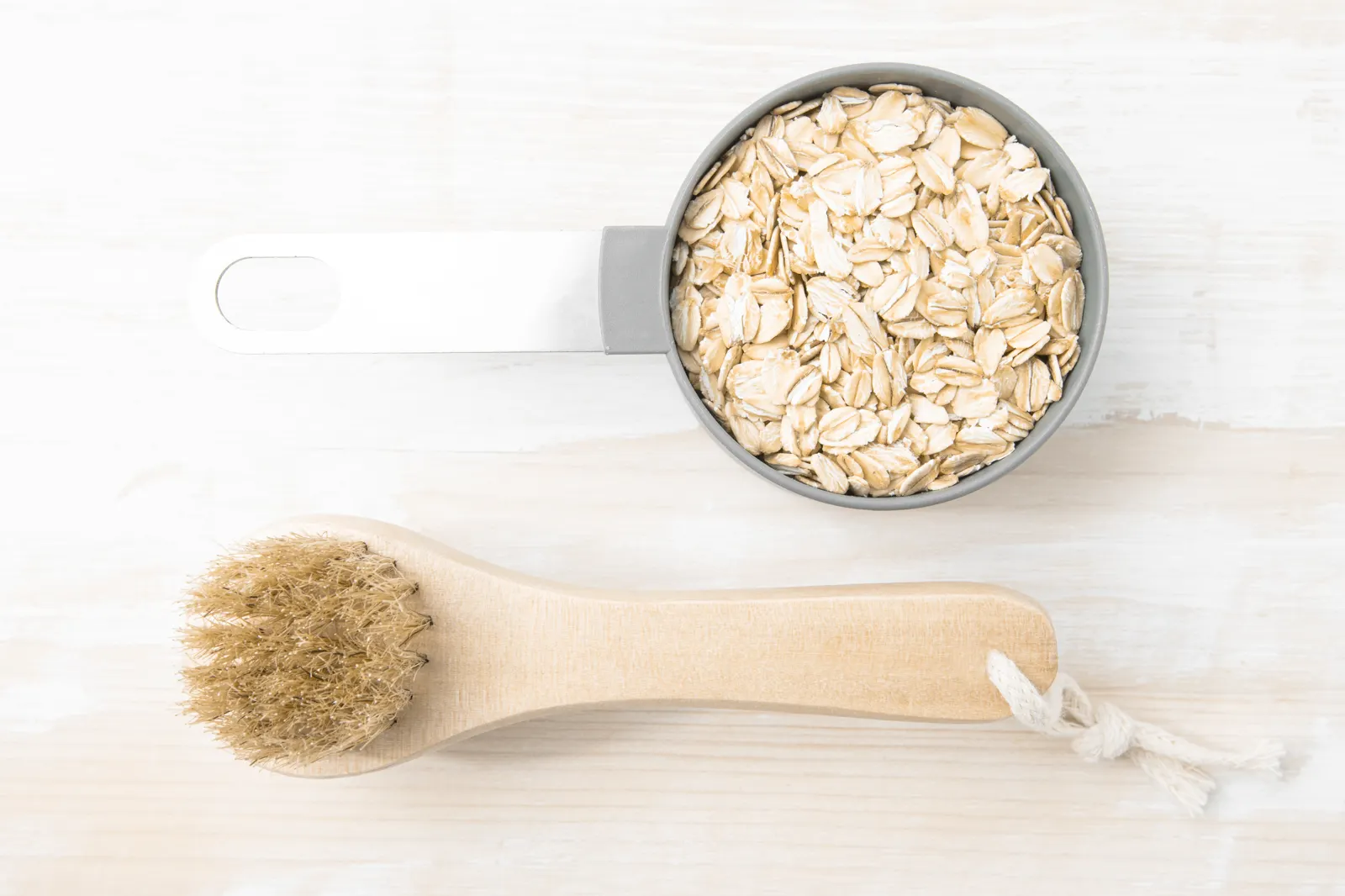 Bath · BeginnerColloidal Oat Soothing BathA lukewarm colloidal oatmeal soak with a little sunflower oil and marshmallow root to calm itchy, dry or eczema-prone skin.
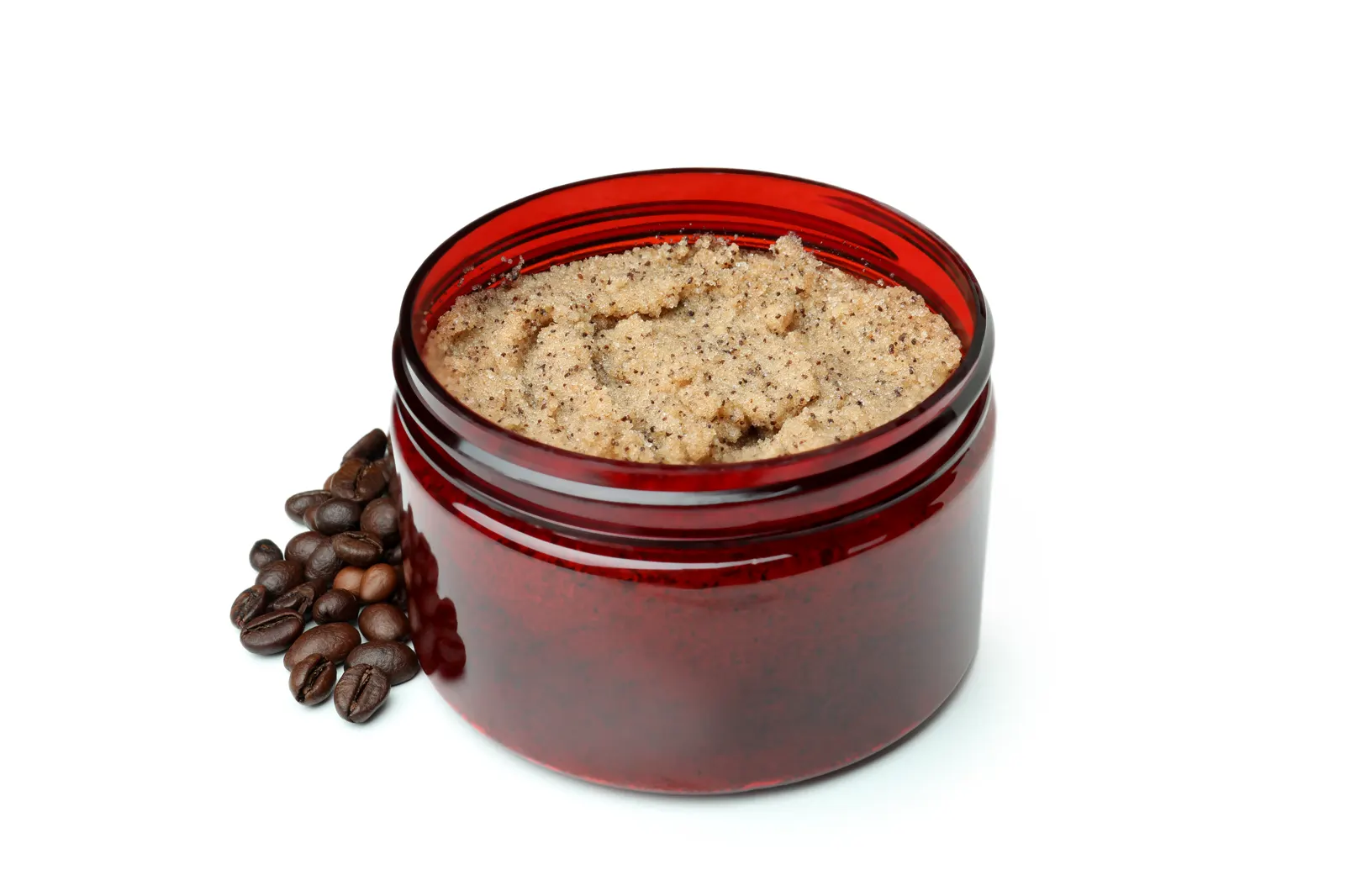 Body care · BeginnerCoffee & Coconut Body ScrubA wake-up body scrub of dry ground coffee, sugar and coconut oil that smells like a café and leaves skin soft — with tips for floors and drains.
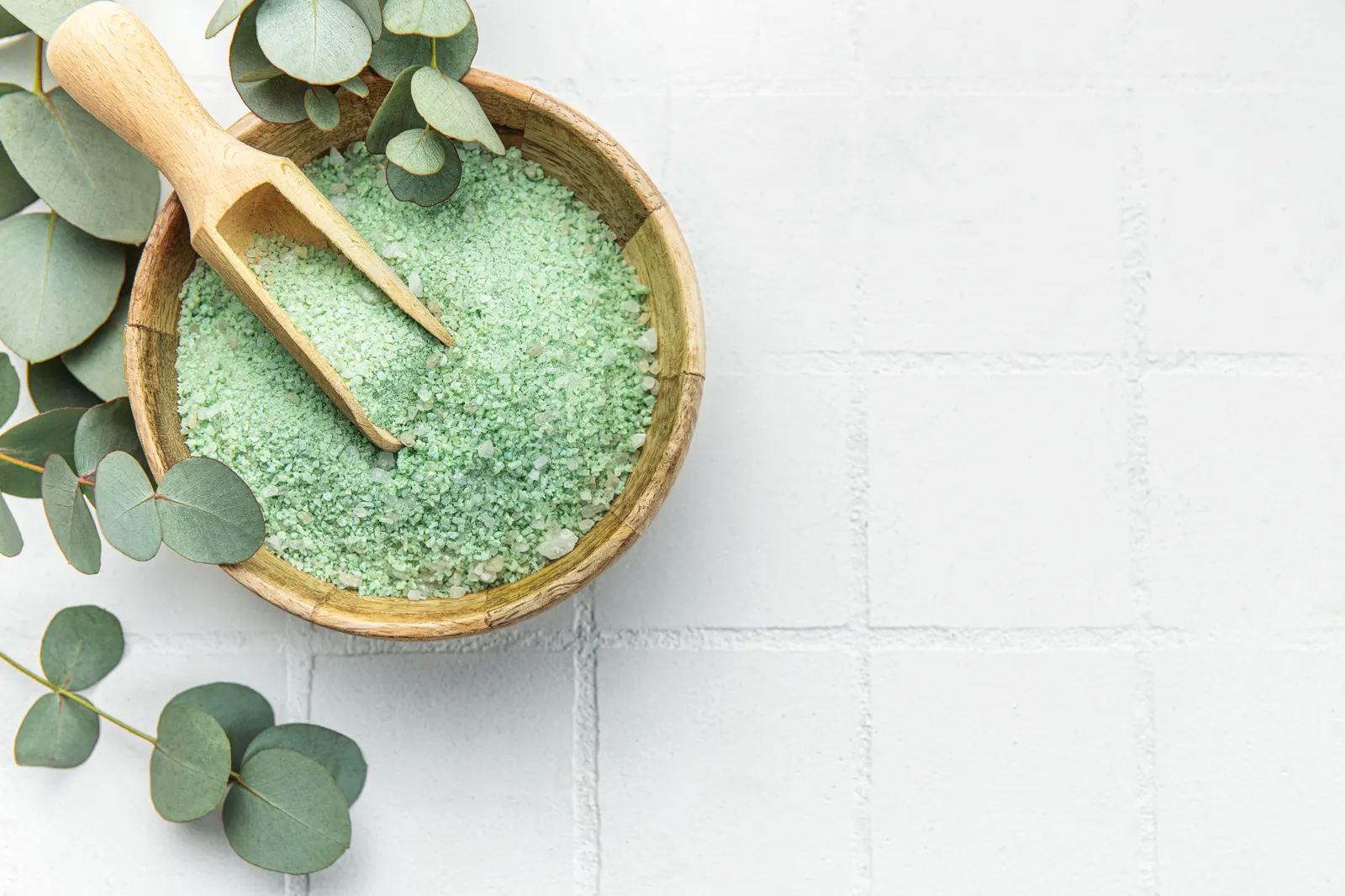 Bath · BeginnerPeppermint Sea-Salt Foot SoakA jar of sea salt and Epsom salt with a cool whisper of peppermint, pre-diluted in oil, for tired feet at the end of a long day.
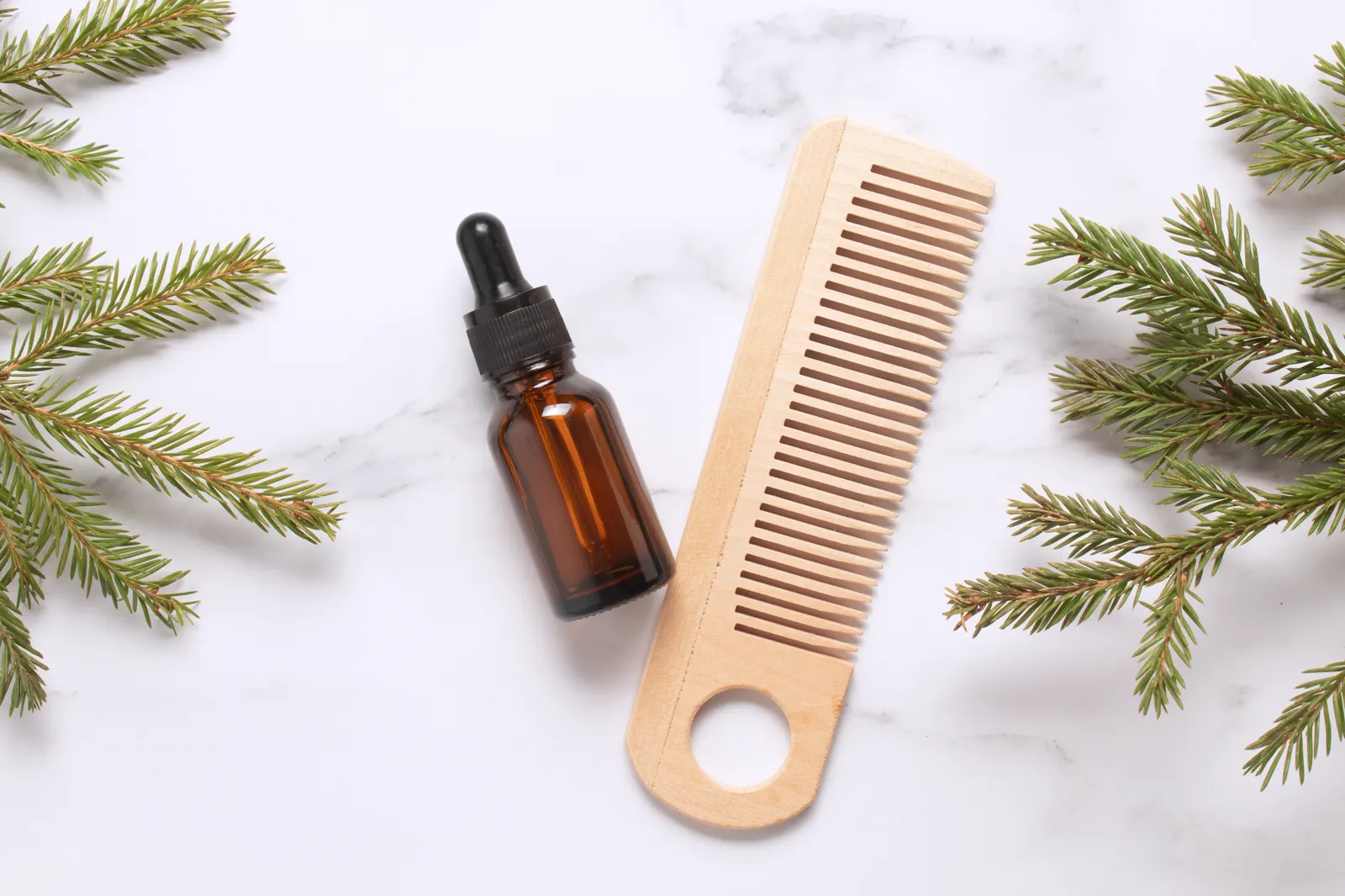 Face oil · BeginnerArgan & Jojoba Beard OilA light, woody beard oil of jojoba, argan and sunflower with a hint of Atlas cedar that softens bristles and calms the itchy skin beneath.
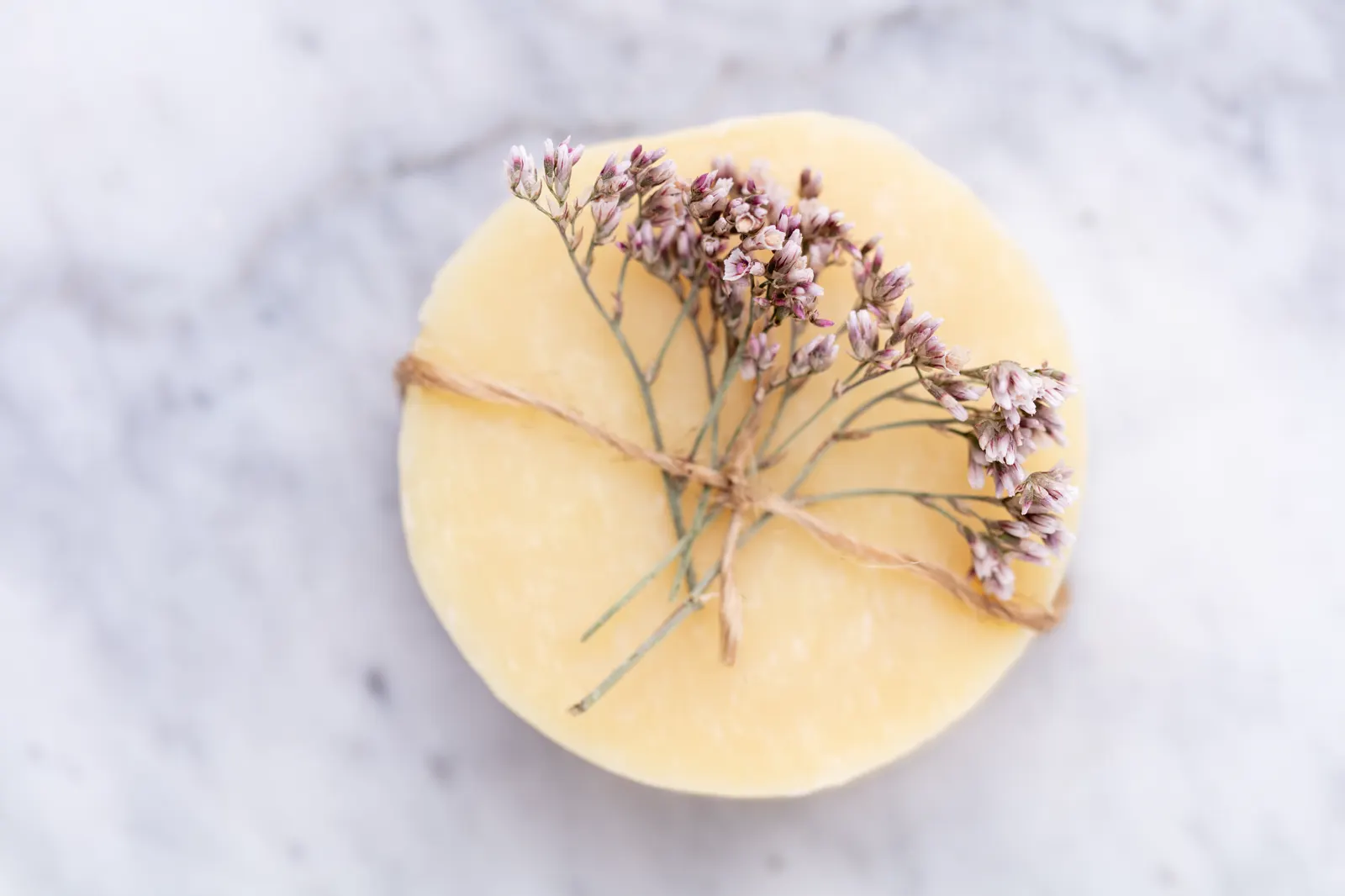 Body care · BeginnerShea Solid Lotion BarA three-ingredient lotion bar of shea, beeswax and sunflower oil that melts on contact with warm skin. No jar, no water, no preservative.
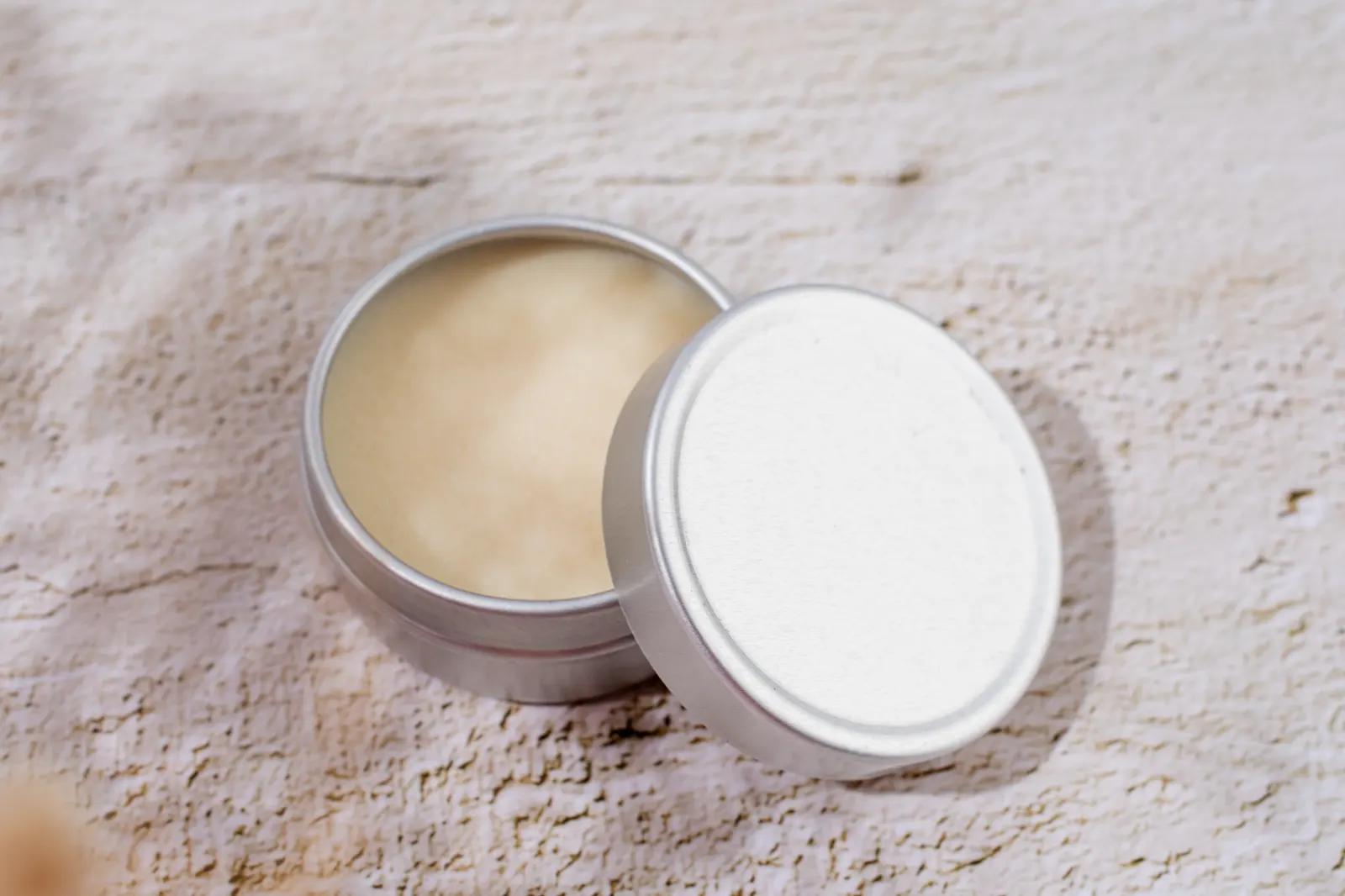 Balm · BeginnerGentle Balm for Dry PatchesAn unscented, fuss-free balm of sunflower oil, mango butter, jojoba and a little colloidal oatmeal for rough, tight patches on elbows, hands and shins.
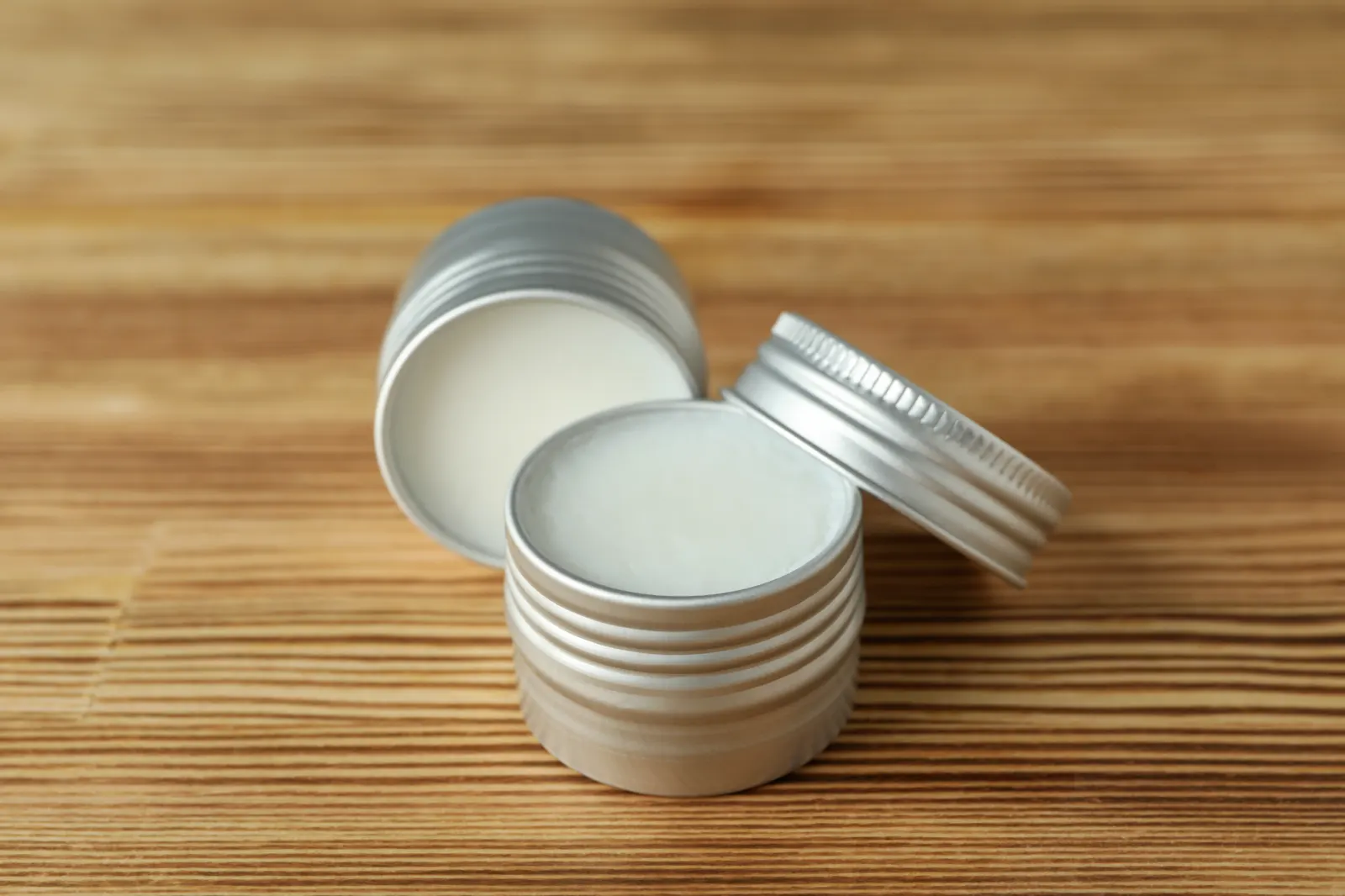 Balm · BeginnerTravel-Size Multi-BalmOne small, plant-based, unscented tin for lips, cuticles, brows, dry knuckles and flyaways, made with mango butter, jojoba, castor oil and candelilla.
Daily rituals with Sunflower Oil
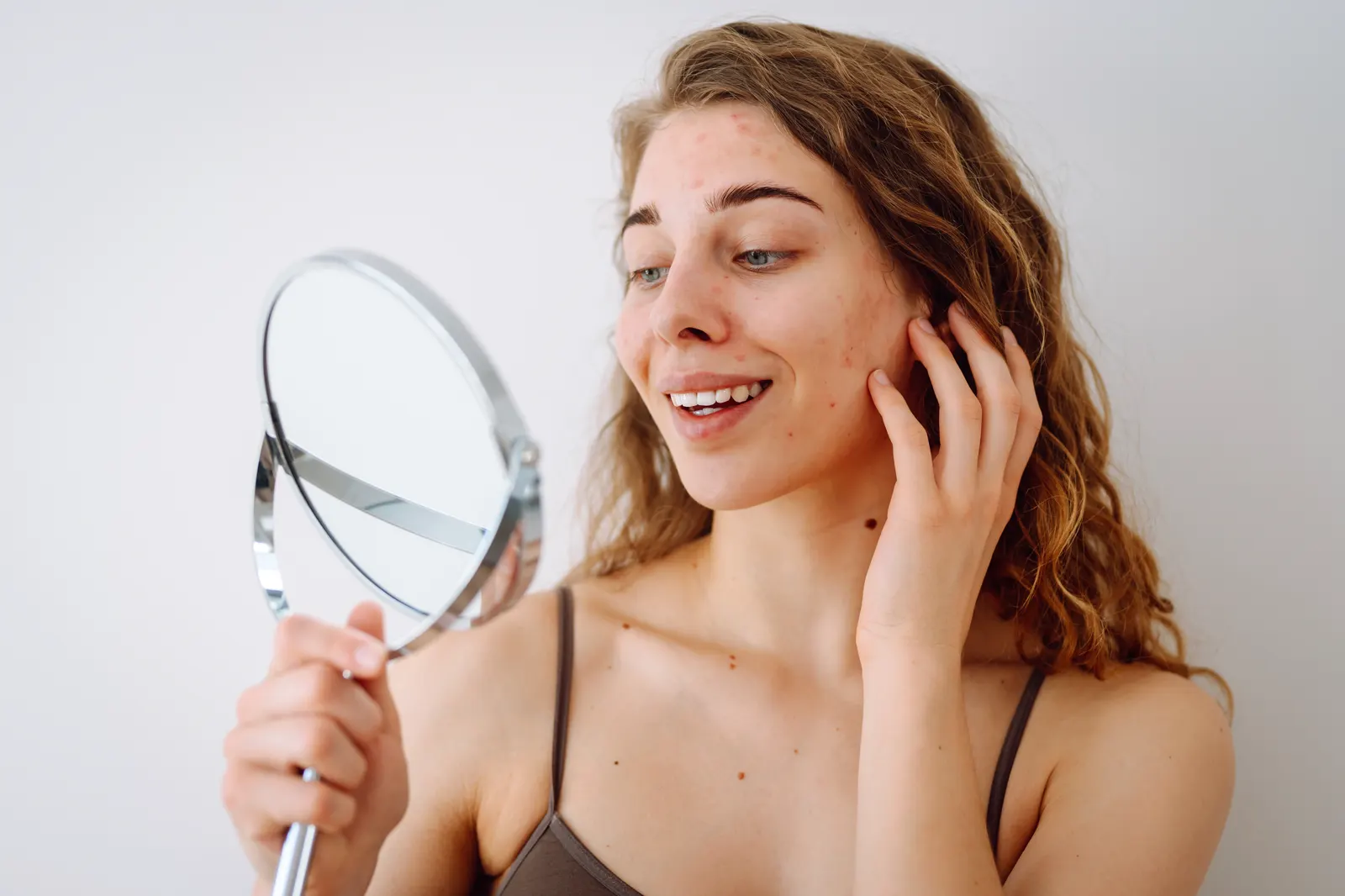 The Two-Minute Barrier CheckTight, stinging, flaky and shiny at once? A two-minute morning check tells you when to pause actives and give your skin barrier a calm week.
 Soak and Seal: The Three-Minute Rule for Eczema-Prone SkinMoisturize within three minutes of bathing, on still-damp skin. A simple winter habit for eczema-prone and very dry skin, with the evidence behind it.
Use it safely
- Very well tolerated. People with sunflower-seed food allergy usually tolerate refined oil, but can react to cold-pressed oil — ask an allergist.
- Sunflower is in the daisy family (Asteraceae); refined oil carries negligible sesquiterpene lactones, but patch test if you have known Compositae allergy.
- High-linoleic oil oxidizes relatively fast; rancid oil can irritate.
- For newborns, use only with your midwife’s or pediatrician’s advice; daily emollients have not been shown to prevent eczema.
Pregnancy and breastfeeding: Safe topically in pregnancy and breastfeeding.
New to an ingredient? Patch test first.
When to see a doctor
- Dryness with intense itch that disturbs sleep, or red, inflamed patches (possible eczema or another dermatitis).
- Cracked, bleeding or weeping skin, or signs of infection (pain, warmth, yellow crusts, pus).
- Fish-scale-like dryness present since childhood (possible ichthyosis).
- New, persistent dryness with fatigue, weight change, feeling cold or hair thinning (thyroid), or with excessive thirst and urination (diabetes).
- Severe dryness in older adults with widespread itch that does not respond to moisturizers.
Other plants for Dry & Dehydrated Skin
| Ingredient | Grade | What the evidence shows |
|---|---|---|
| Colloidal Oatmeal | B | Multiple clinical studies show colloidal oatmeal creams and baths reduce dryness, scaling and itch; it is an approved skin protectant in the US. |
| Coconut Oil | B | A randomized trial found virgin coconut oil as effective and safe as mineral oil for mild to moderate xerosis of the legs. |
| Shea Butter | C | Rich emollient and mild occlusive with anti-inflammatory triterpene esters; small studies of shea-containing creams support hydration. |
| Squalane | C | A skin-identical, stable, lightweight emollient that reduces roughness; excellent tolerability but limited trial data on its own. |
| Jojoba | C | A liquid wax ester that resembles skin’s own wax esters; small studies support barrier repair and softness. |
| Aloe Vera | C | A humectant gel that improved skin hydration in small studies; on its own it is not enough for very dry skin and needs an emollient on top. |
| Marshmallow Root | D | Mucilage polysaccharides form a soothing, humectant film; evidence is traditional and lab-based. |