Does it work?
Centella Asiatica (Cica) for Sensitive Skin & Redness
Cica, the beloved “tiger grass” of Asian skincare, brings calm and comfort to stressed, reactive skin.
The short answer: Madecassoside and asiaticoside reduce inflammation and support barrier repair in the lab; small human studies of centella creams show improved redness and comfort.
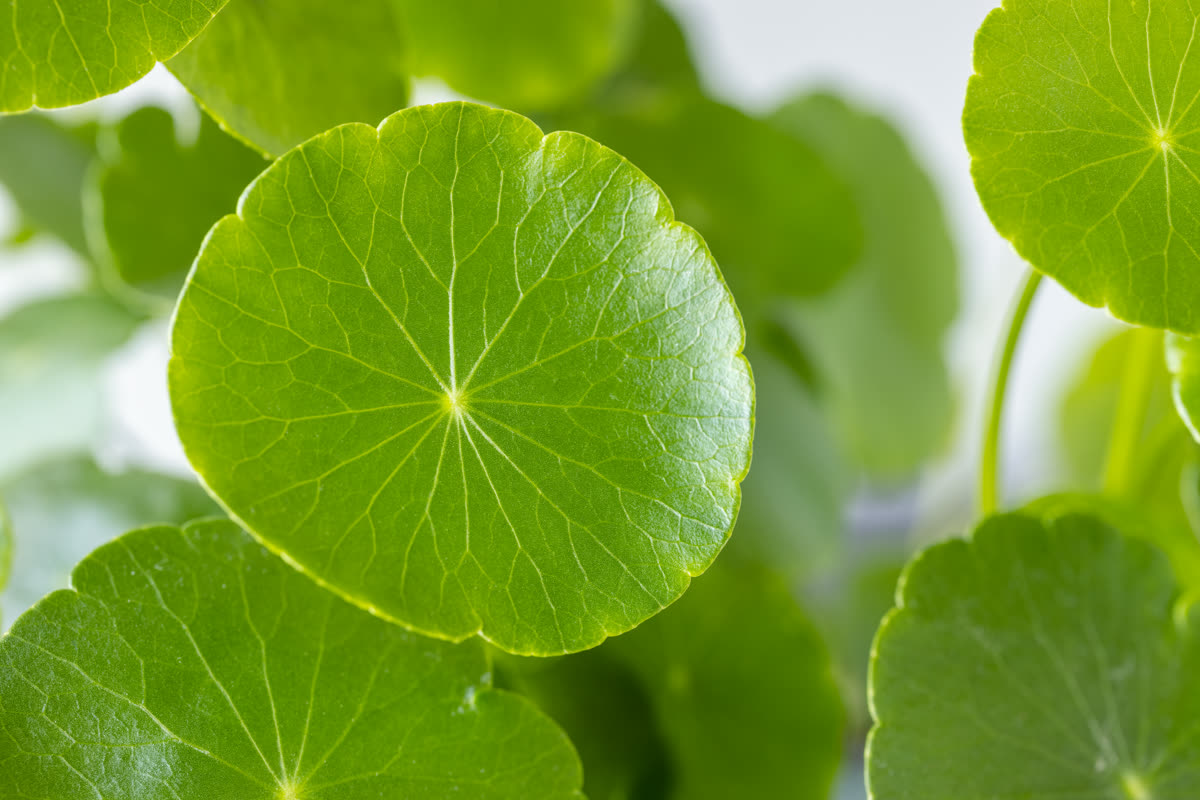
What Centella Asiatica (Cica) can do for Sensitive Skin & Redness
Centella asiatica is the small creeping herb behind “cica” creams. Its four signature triterpenes — madecassoside, asiaticoside, asiatic acid and madecassic acid — stimulate collagen production and calm inflammation in lab studies, and a standardized extract has been used in wound-healing medicines for decades. Human cosmetic trials are small and usually test centella alongside other actives, so think of it as a well-tolerated soothing and repair-supporting ingredient.
Why people reach for it
- Supports skin repair. Centella triterpenes stimulate fibroblasts to make type I and III collagen in lab studies, and a titrated extract has long been used in European and Asian wound-healing creams.
- Calms irritated, reactive skin. Madecassoside reduces inflammatory signaling in skin-cell models, which is why centella is popular in products for skin stressed by retinoids, acids or procedures.
- May support firmer-looking skin. In a small double-blind study, a cream combining vitamin C with madecassoside improved signs of photoaging over six months. The design cannot separate the two ingredients.
- Lightweight and well tolerated. Centella extracts and leaf water suit oily and acne-prone skin as well as dry, and allergic reactions are uncommon.
How to use it
Try it today
A calm-down evening routine
- Cleanse gently with lukewarm water and pat your skin almost dry.
- Press a centella toner or serum in with your palms; patch test first if your skin is very reactive.
- Seal it in with a simple, fragrance-free moisturizer, and skip acids and scrubs tonight.
| Form | Typical use | Notes |
|---|---|---|
| Centella extract (standardized) | 0.5–5% in serums, creams and toners | Check the supplier’s triterpene content; higher-standardized extracts need lower use levels. Water-based products need a broad-spectrum preservative. Try it in Green Tea & Centella Soothing Toner. |
| Madecassoside (purified) | 0.1–1% | Water-soluble; add to the water phase or cool-down. Combines well with niacinamide, panthenol and ceramides in barrier-support products. |
| Centella leaf water | Up to 100% of the water phase | A gentle base for toners and essences; much lower in triterpenes than a standardized extract. Preserve as you would water. |
Recipes for Sensitive Skin & Redness with Centella Asiatica (Cica)
Daily rituals with Centella Asiatica (Cica)
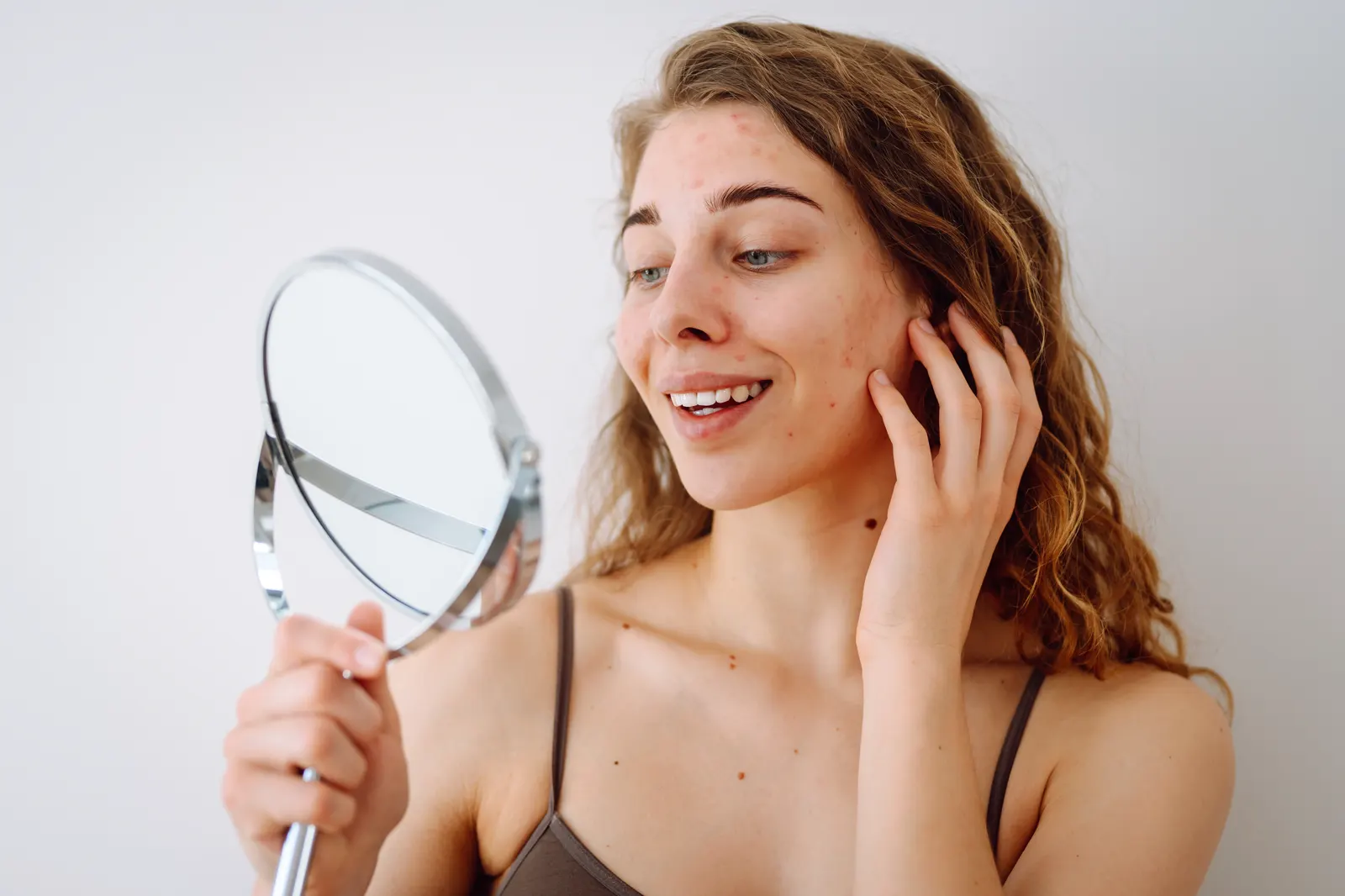 The Two-Minute Barrier CheckTight, stinging, flaky and shiny at once? A two-minute morning check tells you when to pause actives and give your skin barrier a calm week.
 Korean Layering, Kept SimpleThin to thick, press don’t rub: the heart of Korean skincare layering in four calm evening steps, no ten-step shelf required.
Use it safely
- Allergic contact dermatitis to centella is uncommon but has been reported, including from medicated creams. Patch test, especially on compromised skin (How to Patch Test).
- Oral centella (gotu kola) supplements have been linked to rare cases of liver injury. This is not a concern for normal topical use, but avoid concentrated oral products if you have liver disease.
- Cica creams are not a substitute for medical wound care: see a doctor for deep, infected or non-healing wounds, and for burns beyond minor first-degree.
Pregnancy and breastfeeding: Topical centella is considered low risk in pregnancy and is a traditional stretch-mark ingredient. Oral supplements are not recommended because safety data are lacking.
New to an ingredient? Patch test first.
When to see a doctor
- Swelling of the lips, eyelids, tongue or throat, or difficulty breathing after using a product — this is an emergency.
- Persistent facial redness, visible vessels, flushing or bumps (possible rosacea), or burning, gritty, red eyes with facial redness (ocular rosacea).
- An itchy rash that spreads beyond where a product was applied or appears 1–3 days later (possible allergic contact dermatitis — ask about patch testing).
- A butterfly-shaped rash across the cheeks with joint pain, fatigue or sun sensitivity.
- Redness or stinging that continues despite a stripped-back routine for 4–6 weeks.
Other plants for Sensitive Skin & Redness
| Ingredient | Grade | What the evidence shows |
|---|---|---|
| Colloidal Oatmeal | B | Avenanthramides are anti-inflammatory and anti-itch; clinical studies support oatmeal products for irritated, itchy and reactive skin. |
| Licorice Root | B | Several small, mostly manufacturer-funded trials of licochalcone A products reduced facial redness, including in mild rosacea. |
| Green Tea | C | EGCG is anti-inflammatory and reduces UV-induced redness; a small trial suggested benefit in papulopustular rosacea. |
| Aloe Vera | C | Soothing and cooling with small supportive studies; choose stabilized gels without alcohol or fragrance, as some products irritate. |
| Chamomile | C | Bisabolol and chamazulene are anti-inflammatory, but chamomile is in the daisy family and can cause allergy in sensitized people. |