Does it work?
Colloidal Oatmeal for Dry & Dehydrated Skin
What the research says about colloidal oatmeal for dry & dehydrated skin, how to use it at home and how to stay safe.
The short answer: Multiple clinical studies show colloidal oatmeal creams and baths reduce dryness, scaling and itch; it is an approved skin protectant in the US.
What it does
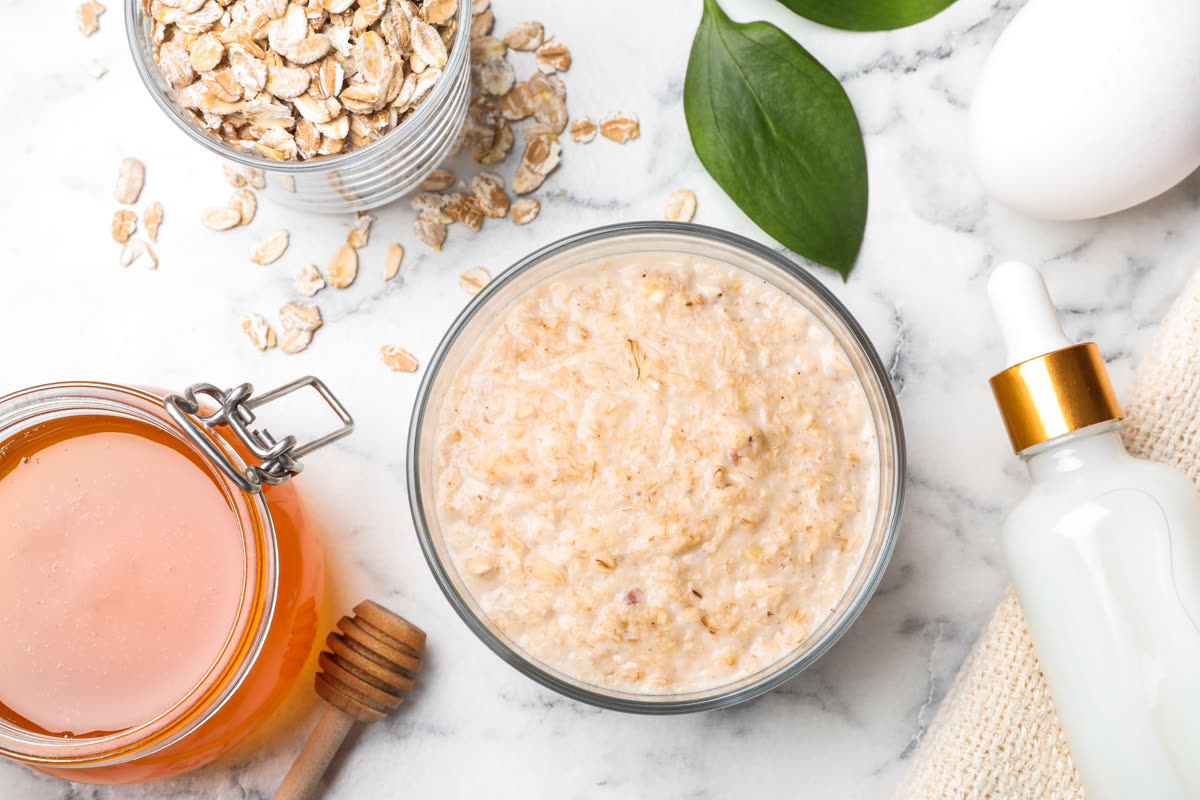
Colloidal oatmeal is whole oat kernel milled to a powder so fine that it disperses in water into a milky, soothing suspension. It is one of the few botanicals recognized by the US FDA as an over-the-counter skin protectant for itch and irritation, including eczema. It calms, moisturizes, cleanses gently and helps the barrier, with clinical trials supporting its use in mild-to-moderate atopic dermatitis.
Why people reach for it
- Relieves itch. Avenanthramides reduce itch and inflammatory signaling, which is why oat baths have long been used for rashes, bites and eczema.
- Protects and supports the barrier. Starches and β-glucan form a protective, moisture-holding film, and lab work shows oat extracts upregulate barrier-related genes.
- Cleanses gently. Natural saponins cleanse without stripping, making oat cleansers suitable for sensitive skin.
- Suitable for children. Widely used and well tolerated in children with eczema, with caveats about oat sensitization on broken skin.
How to use it
| Form | Typical use | Notes |
|---|---|---|
| Oat bath | Follow the product label; for homemade, about a cupful of very finely ground oats in a full tub | Soak 10–15 minutes in lukewarm water, pat dry and moisturize within minutes. See Colloidal Oat Soothing Bath. |
| Cream or lotion | 0.5–2% (1% is common in OTC eczema creams) | Aqueous products need a broad-spectrum preservative; see DIY Safety: Water, Microbes & Preservatives. |
| Fresh mask | 1–2 tablespoons mixed to a paste | Use immediately and discard leftovers; see Calming Oat & Chamomile Mask. |
| Cleanser | A teaspoon of oat powder with water or honey | Massage gently and rinse; see Honey & Oat Gentle Cleanser. |
Recipes for Dry & Dehydrated Skin with Colloidal Oatmeal
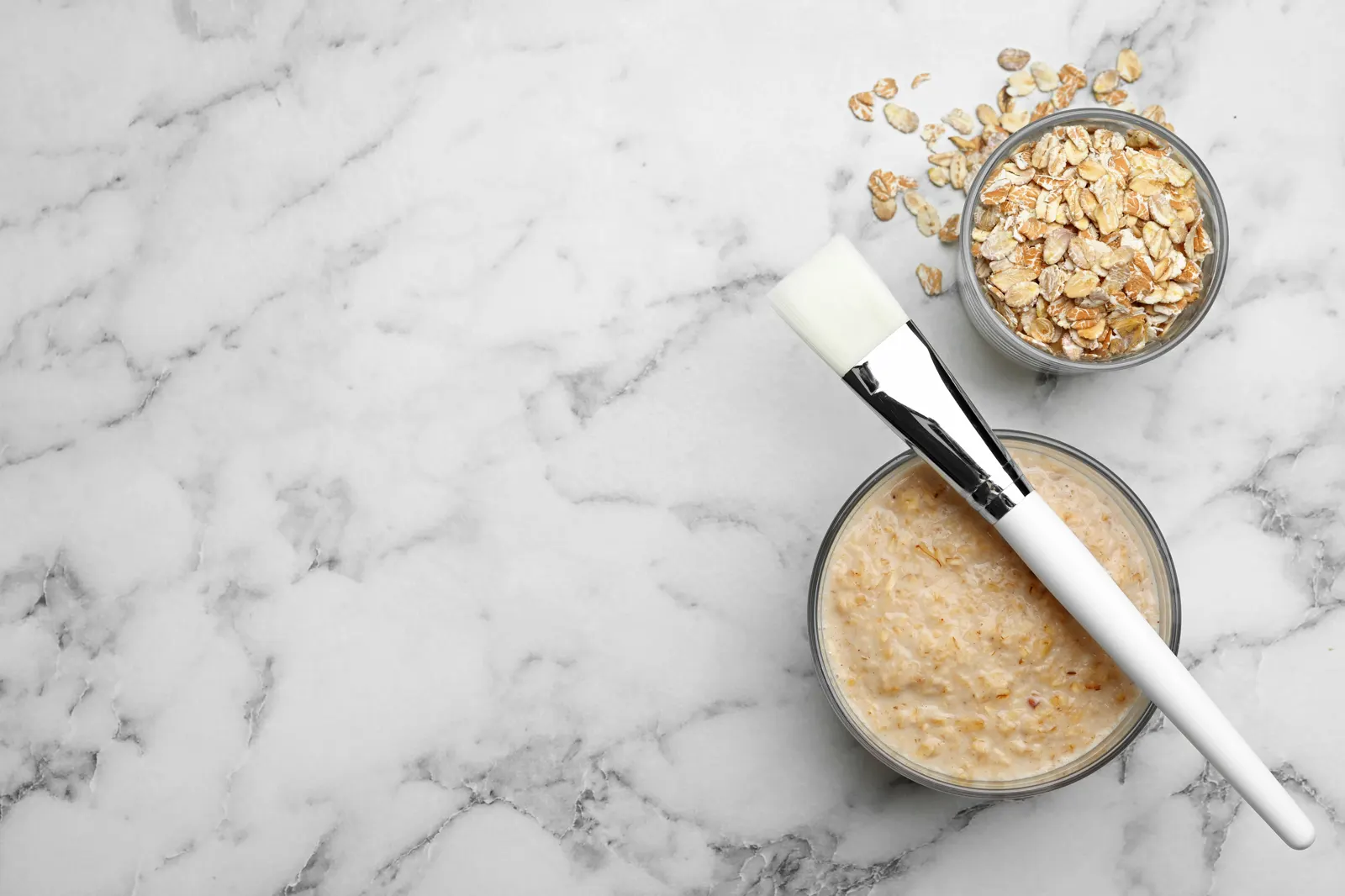 Mask · BeginnerCalming Oat & Chamomile MaskA soothing single-use paste of colloidal oatmeal, cooled chamomile tea, honey and aloe for skin that feels hot, tight or reactive.
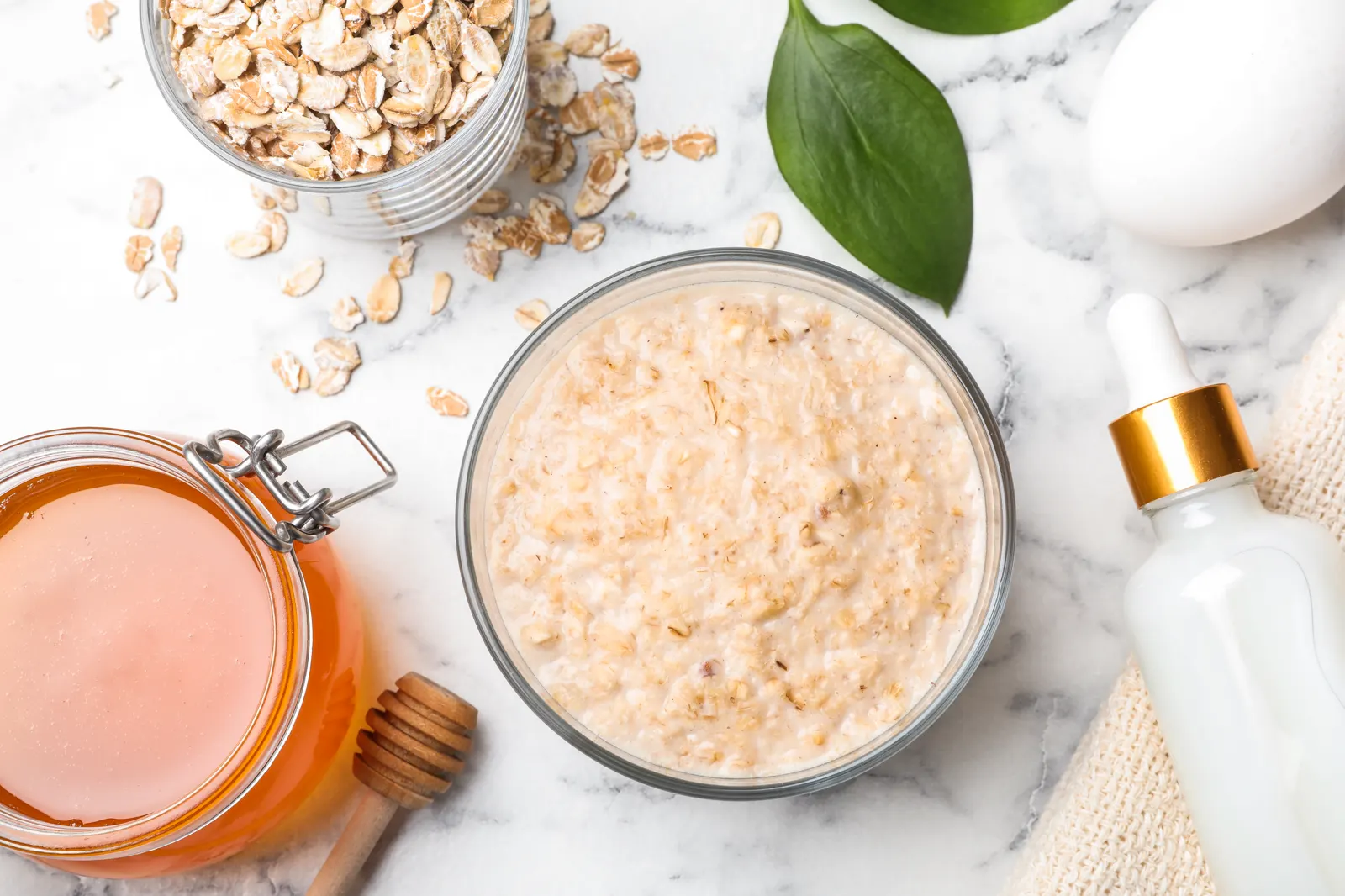 Cleanser · BeginnerHoney & Oat Gentle CleanserA no-foam, single-use cleansing paste of raw honey, colloidal oatmeal, rose water and jojoba for dry or sensitive skin that hates feeling squeaky.
 Bath · BeginnerColloidal Oat Soothing BathA lukewarm colloidal oatmeal soak with a little sunflower oil and marshmallow root to calm itchy, dry or eczema-prone skin.
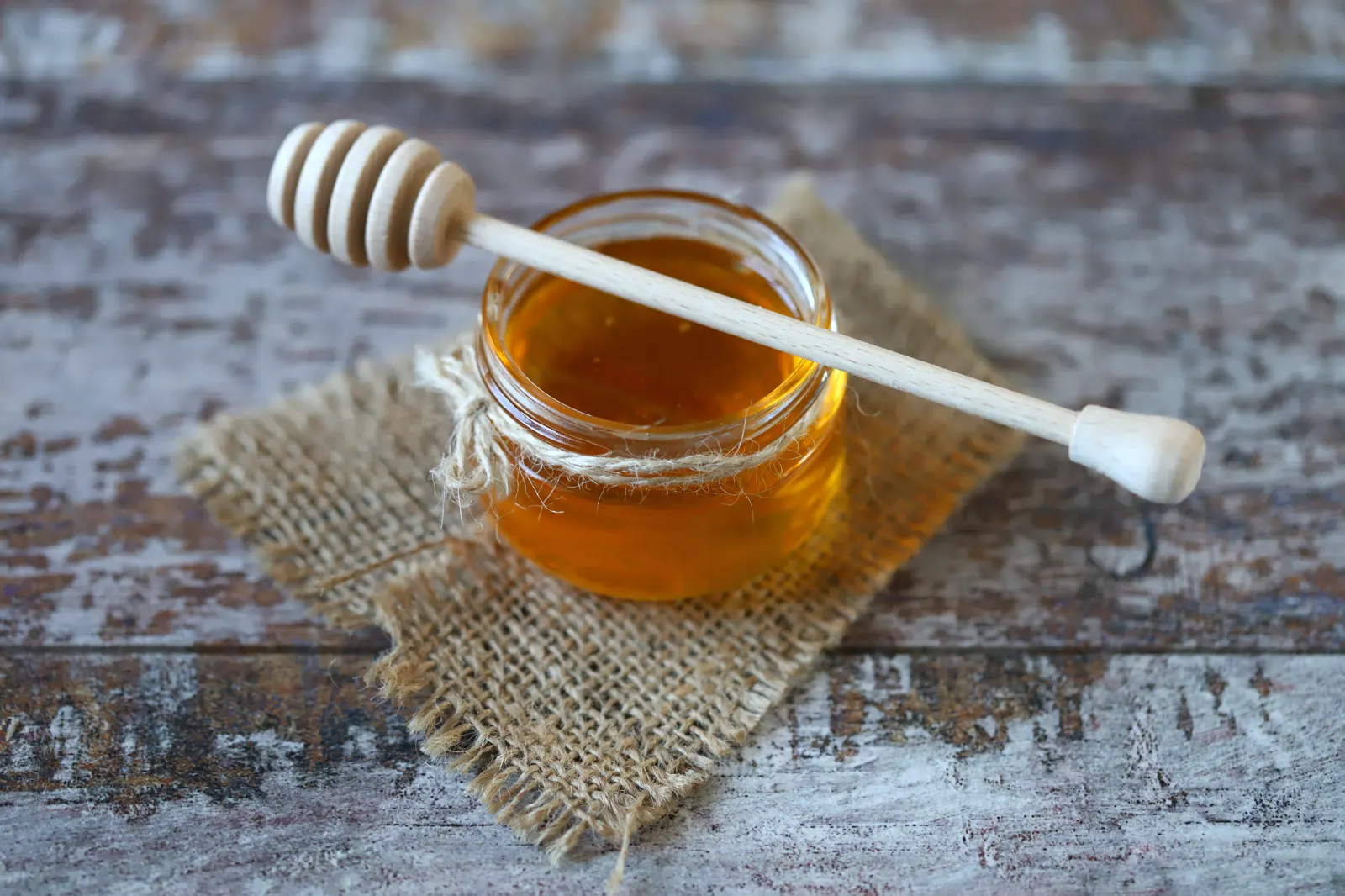 Mask · BeginnerHoney & Oat Glow MaskA creamy ten-minute mask of honey, finely ground oats and a little almond oil for skin that looks tired and feels tight. Fresh, single use.
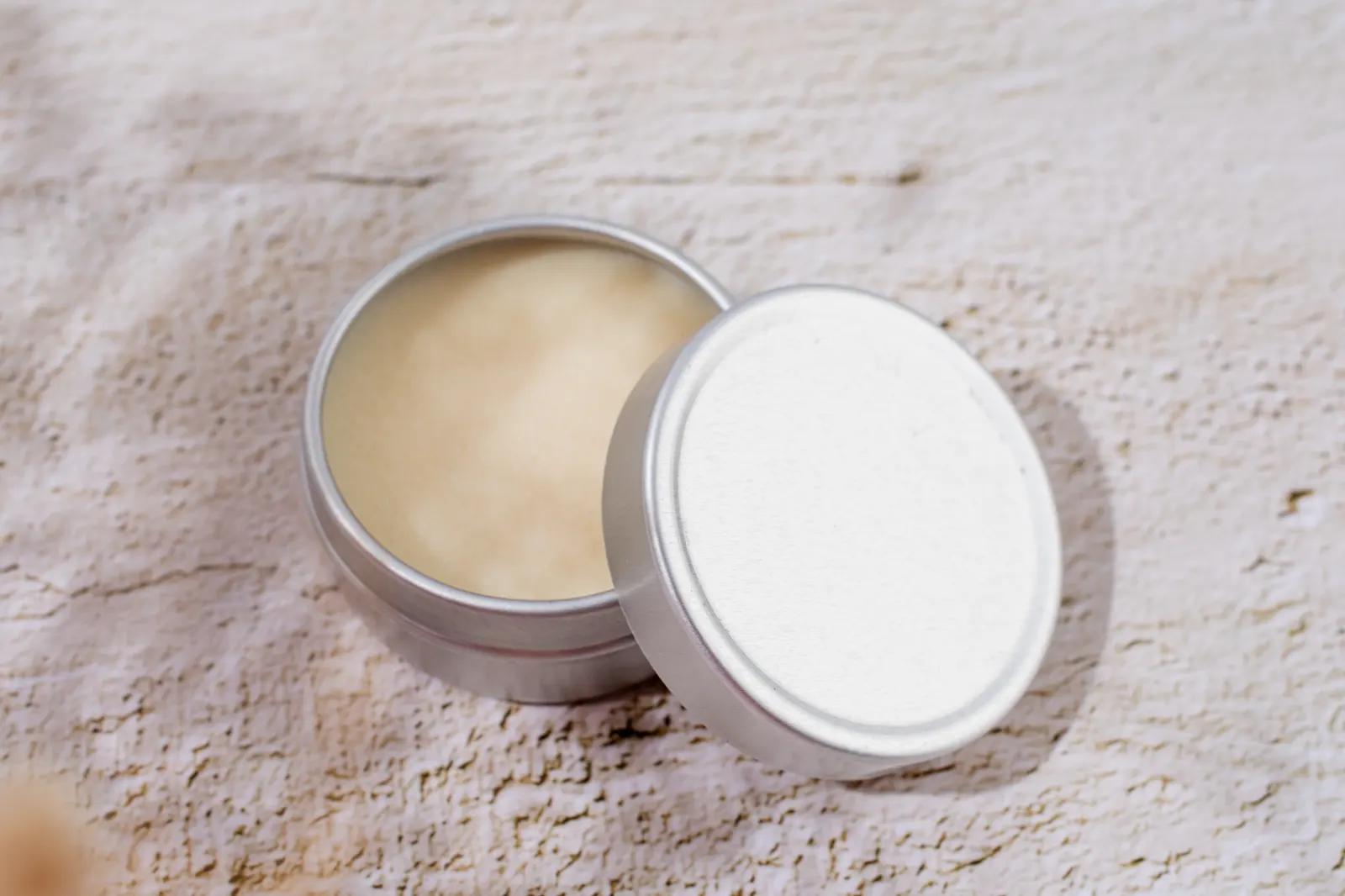 Balm · BeginnerGentle Balm for Dry PatchesAn unscented, fuss-free balm of sunflower oil, mango butter, jojoba and a little colloidal oatmeal for rough, tight patches on elbows, hands and shins.
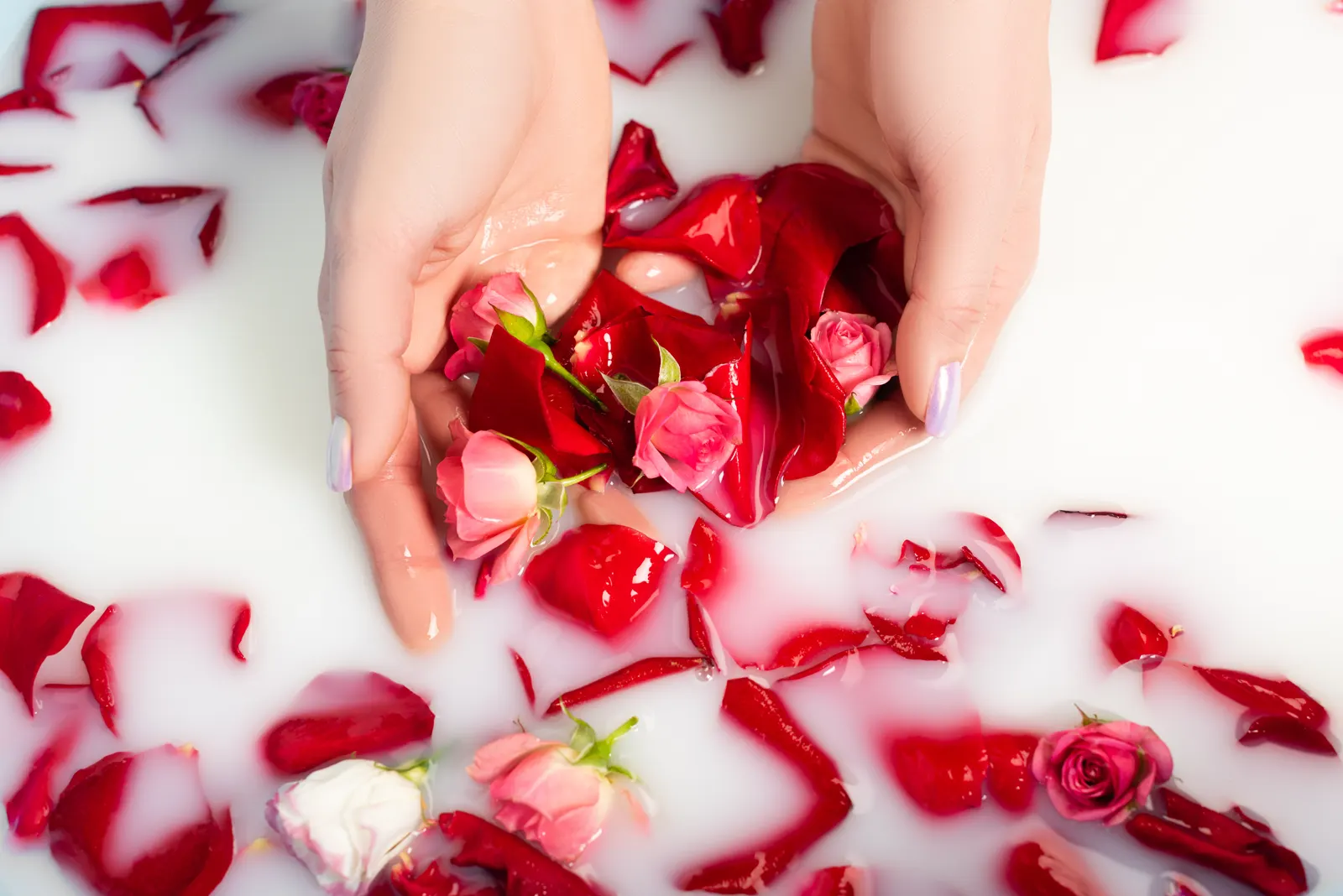 Bath · BeginnerOat Milk & Rose Bath SoakA milk bath of powdered milk, colloidal oatmeal, almond oil and rose petals, tied in a muslin bag for silky water, soft skin and no mess.
Daily rituals with Colloidal Oatmeal
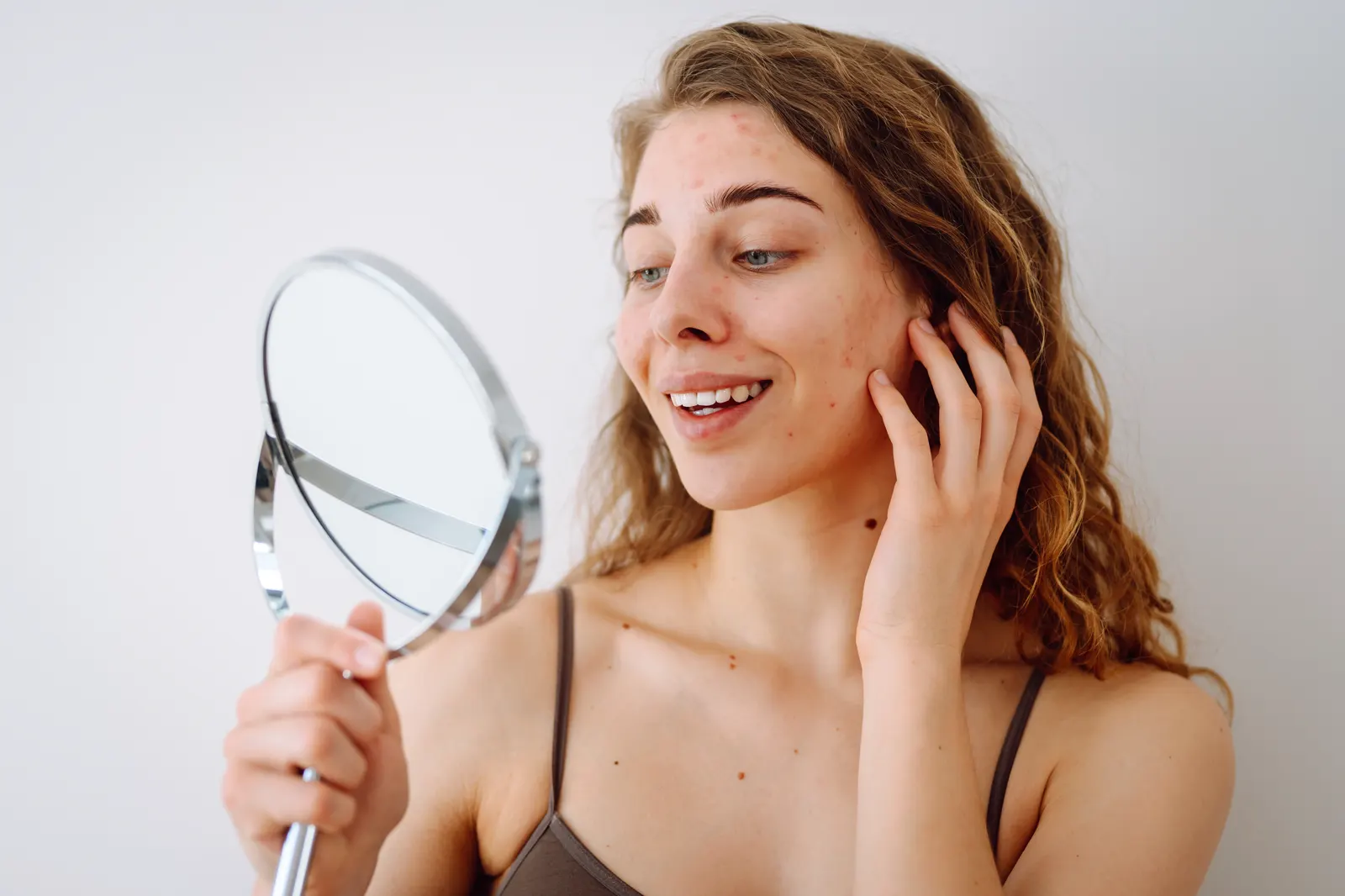 The Two-Minute Barrier CheckTight, stinging, flaky and shiny at once? A two-minute morning check tells you when to pause actives and give your skin barrier a calm week.
 Soak and Seal: The Three-Minute Rule for Eczema-Prone SkinMoisturize within three minutes of bathing, on still-damp skin. A simple winter habit for eczema-prone and very dry skin, with the evidence behind it.
Use it safely
- Children with eczema can become sensitized to oat proteins; if a rash worsens after oat products, stop and talk to your doctor.
- If you have celiac disease, choose certified gluten-free oat products, especially for children who may put hands in their mouths.
- Oat baths make tubs slippery — take care, especially with children and older adults.
- Wet oat pastes spoil quickly: make fresh and use once.
- See a doctor if eczema is weeping, crusted or painful, or if punched-out sores appear with fever (possible eczema herpeticum — urgent).
Pregnancy and breastfeeding: Safe in pregnancy and breastfeeding. Persistent itching, especially on palms and soles late in pregnancy, needs a medical check for intrahepatic cholestasis of pregnancy.
New to an ingredient? Patch test first.
When to see a doctor
- Dryness with intense itch that disturbs sleep, or red, inflamed patches (possible eczema or another dermatitis).
- Cracked, bleeding or weeping skin, or signs of infection (pain, warmth, yellow crusts, pus).
- Fish-scale-like dryness present since childhood (possible ichthyosis).
- New, persistent dryness with fatigue, weight change, feeling cold or hair thinning (thyroid), or with excessive thirst and urination (diabetes).
- Severe dryness in older adults with widespread itch that does not respond to moisturizers.
Other plants for Dry & Dehydrated Skin
| Ingredient | Grade | What the evidence shows |
|---|---|---|
| Sunflower Oil | B | Linoleic-rich sunflower seed oil preserved stratum corneum integrity and improved hydration in a comparative study with olive oil, and supports barrier function in neonatal studies. |
| Coconut Oil | B | A randomized trial found virgin coconut oil as effective and safe as mineral oil for mild to moderate xerosis of the legs. |
| Shea Butter | C | Rich emollient and mild occlusive with anti-inflammatory triterpene esters; small studies of shea-containing creams support hydration. |
| Squalane | C | A skin-identical, stable, lightweight emollient that reduces roughness; excellent tolerability but limited trial data on its own. |
| Jojoba | C | A liquid wax ester that resembles skin’s own wax esters; small studies support barrier repair and softness. |
| Aloe Vera | C | A humectant gel that improved skin hydration in small studies; on its own it is not enough for very dry skin and needs an emollient on top. |
| Marshmallow Root | D | Mucilage polysaccharides form a soothing, humectant film; evidence is traditional and lab-based. |