Does it work?
Coconut Oil for Dry & Dehydrated Skin
The kitchen-cupboard classic with real trial support for dry skin, plus a pre-wash hair coat that helps protect every strand.
The short answer: A randomized trial found virgin coconut oil as effective and safe as mineral oil for mild to moderate xerosis of the legs.
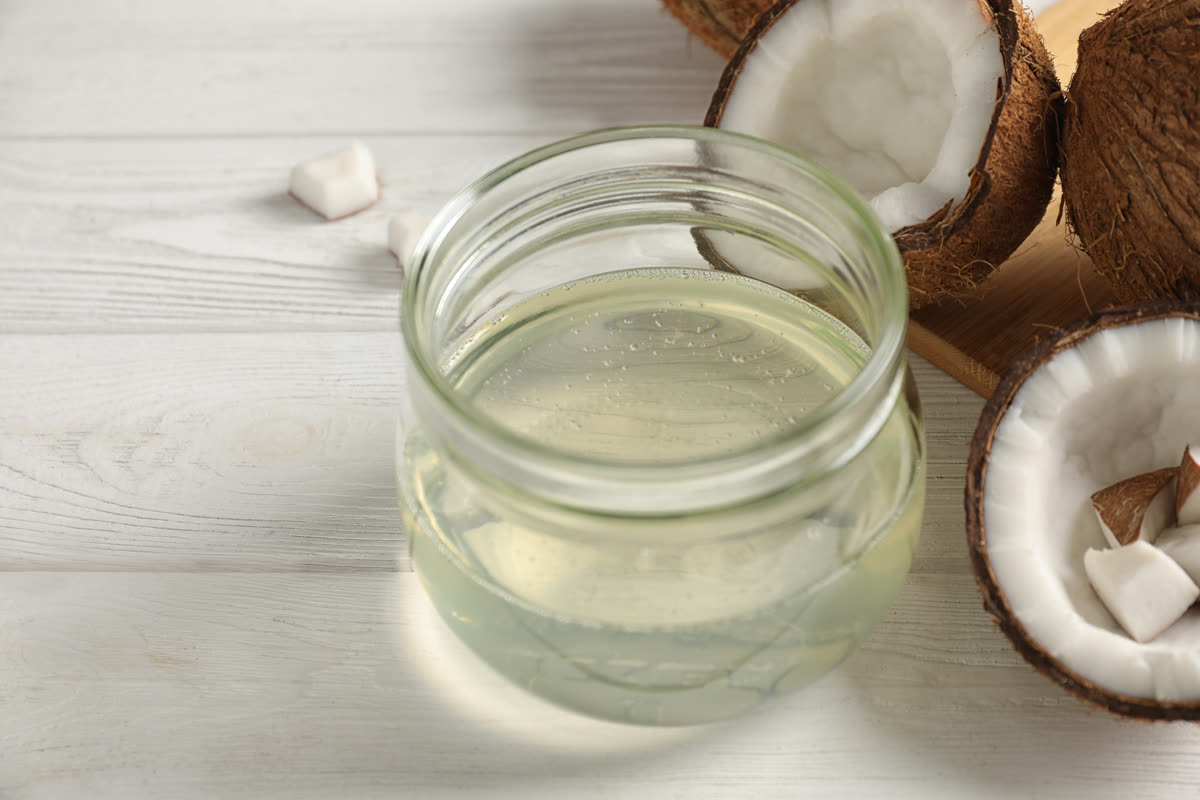
What Coconut Oil can do for Dry & Dehydrated Skin
Coconut oil is a saturated fat dominated by lauric acid, solid below about 24 °C and very resistant to rancidity. Unusually for a natural oil, it has reasonable clinical evidence: small randomized trials show virgin coconut oil works at least as well as mineral oil for dry skin and mild-to-moderate atopic dermatitis, and lab work shows it reduces protein loss from hair. It can be a problem on acne-prone facial skin.
Why people reach for it
- Moisturizes dry skin. In a randomized trial, virgin coconut oil improved xerosis as well as mineral oil, with no safety concerns.
- Helps mild-to-moderate eczema. In children with mild-to-moderate atopic dermatitis, virgin coconut oil reduced severity more than mineral oil over eight weeks.
- Reduces hair protein loss. Lauric acid is small and linear enough to penetrate the hair shaft; used before or after washing, coconut oil reduced protein loss from both damaged and undamaged hair.
- Stable and simple. Mostly saturated, so it resists oxidation and keeps well without additives.
How to use it
Try it today
A pre-shampoo hair mask
- Melt 1–2 teaspoons of virgin coconut oil between your palms.
- Work it through dry lengths and ends, using less if your hair is fine.
- Leave it for 30 minutes or overnight, then shampoo out well.
| Form | Typical use | Notes |
|---|---|---|
| Body moisturizer | Neat, a thin layer on damp skin | Melt a small amount in the palms; apply after bathing. Best for body, not acne-prone faces. |
| Pre-wash hair treatment | 1–2 teaspoons on lengths, 30 minutes to overnight before shampoo | The approach tested for reducing protein loss. Low-porosity or fine hair may feel coated; use less. |
| Balms and butters | 10–40% of an anhydrous formula | Adds slip and a firm-but-meltable texture; may make whipped butters soften in warm weather. |
| Cleansing balm | 20–50% of the oil phase | Dissolves makeup well; rinse or wipe thoroughly if you are breakout-prone. |
Recipes for Dry & Dehydrated Skin with Coconut Oil
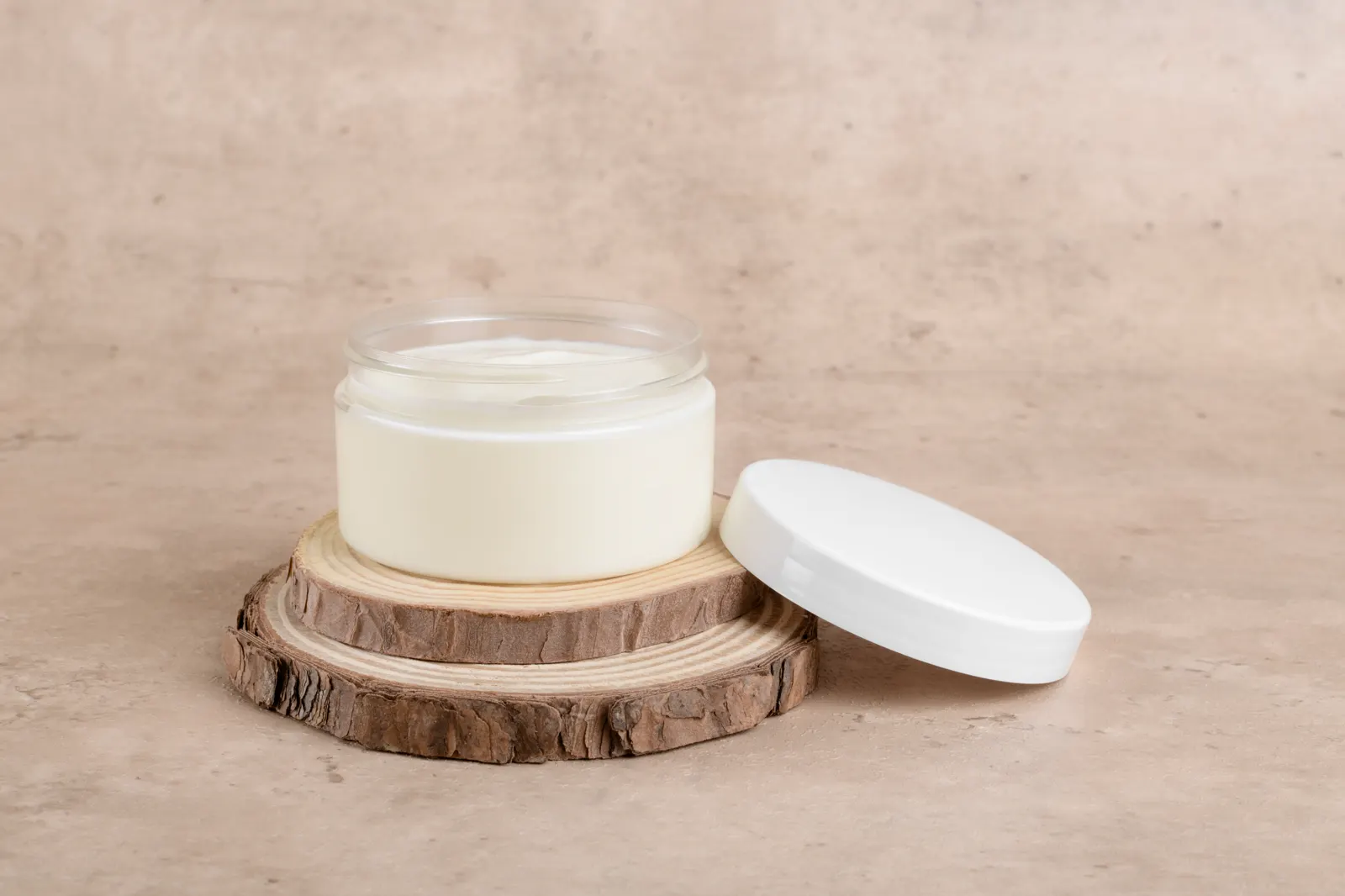 Body care · BeginnerWhipped Shea Body ButterCloud-light whipped shea with coconut and sunflower oils and a hint of lavender — rich care for dry skin, with the trick that prevents graininess.
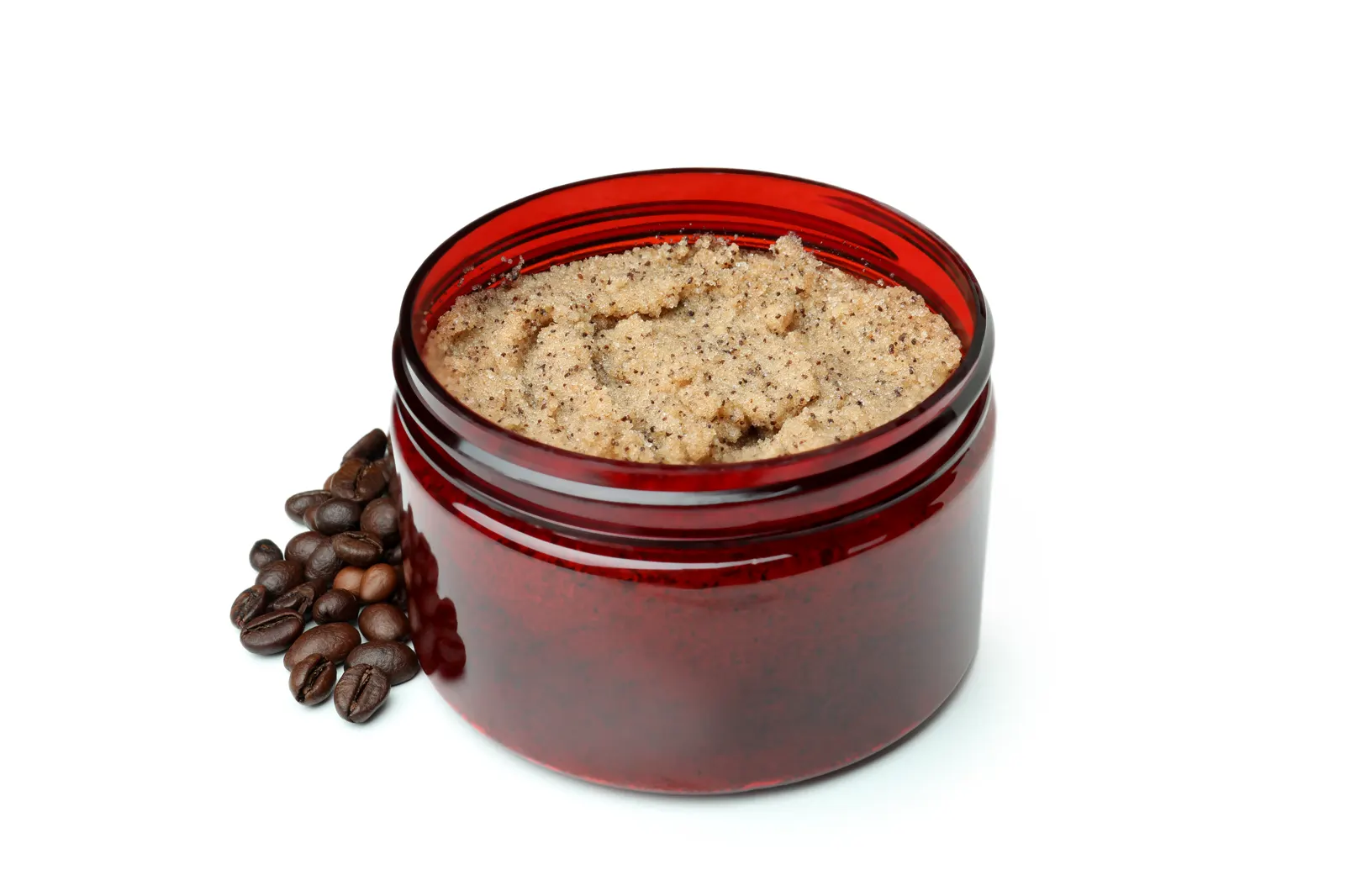 Body care · BeginnerCoffee & Coconut Body ScrubA wake-up body scrub of dry ground coffee, sugar and coconut oil that smells like a café and leaves skin soft — with tips for floors and drains.
Daily rituals with Coconut Oil
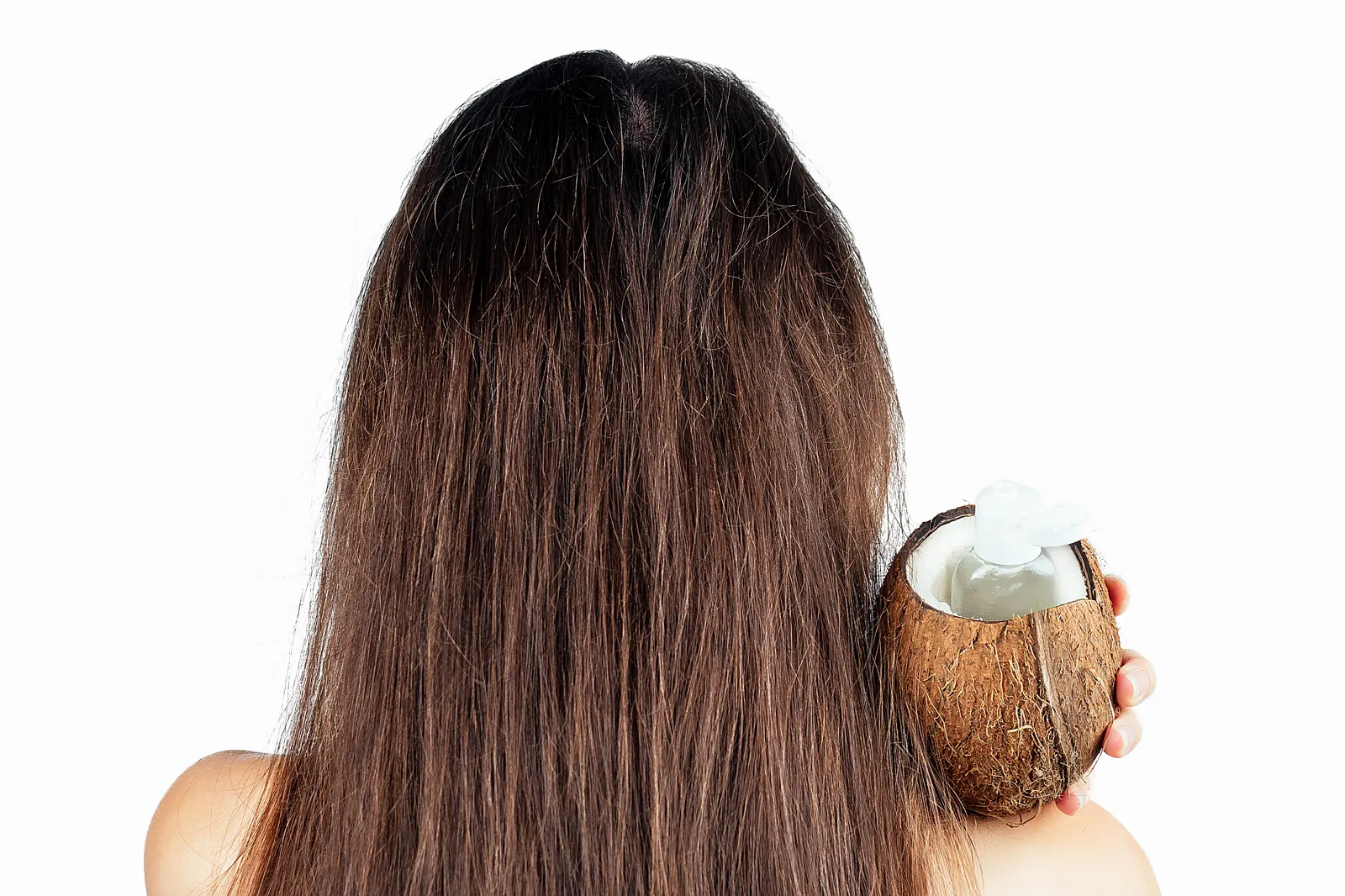 Coconut Oil Before ShampooA pre-shampoo coconut step using a labeled hair product and its own amount and contact time. Fiber evidence, yes; hair-growth evidence, no.
 Swimmer’s Hair: Wet, Coat, Cap, RinsePool water dries hair and can tint blondes green. A five-minute routine before and after you swim keeps lengths soft and color true.
Use it safely
- May trigger comedones on acne-prone facial skin — patch test on the jawline for two to three weeks before using on the whole face.
- Allergy to coconut oil itself is rare. Coconut-derived surfactants (e.g. cocamidopropyl betaine) are much more frequent contact allergens — they are different substances.
- It is not a sunscreen. See Sun Care & After-Sun.
- For infants or infected eczema (weeping, crusting, fever), see a doctor rather than self-treating.
Pregnancy and breastfeeding: Safe for topical use in pregnancy and breastfeeding.
New to an ingredient? Patch test first.
When to see a doctor
- Dryness with intense itch that disturbs sleep, or red, inflamed patches (possible eczema or another dermatitis).
- Cracked, bleeding or weeping skin, or signs of infection (pain, warmth, yellow crusts, pus).
- Fish-scale-like dryness present since childhood (possible ichthyosis).
- New, persistent dryness with fatigue, weight change, feeling cold or hair thinning (thyroid), or with excessive thirst and urination (diabetes).
- Severe dryness in older adults with widespread itch that does not respond to moisturizers.
Other plants for Dry & Dehydrated Skin
| Ingredient | Grade | What the evidence shows |
|---|---|---|
| Colloidal Oatmeal | B | Multiple clinical studies show colloidal oatmeal creams and baths reduce dryness, scaling and itch; it is an approved skin protectant in the US. |
| Sunflower Oil | B | Linoleic-rich sunflower seed oil preserved stratum corneum integrity and improved hydration in a comparative study with olive oil, and supports barrier function in neonatal studies. |
| Shea Butter | C | Rich emollient and mild occlusive with anti-inflammatory triterpene esters; small studies of shea-containing creams support hydration. |
| Squalane | C | A skin-identical, stable, lightweight emollient that reduces roughness; excellent tolerability but limited trial data on its own. |
| Jojoba | C | A liquid wax ester that resembles skin’s own wax esters; small studies support barrier repair and softness. |
| Aloe Vera | C | A humectant gel that improved skin hydration in small studies; on its own it is not enough for very dry skin and needs an emollient on top. |
| Marshmallow Root | D | Mucilage polysaccharides form a soothing, humectant film; evidence is traditional and lab-based. |