Does it work?
Marshmallow Root for Dry & Dehydrated Skin
Marshmallow root melts into a silky, slippery gel that gives curls effortless slip and skin a soft hug.
The short answer: Mucilage polysaccharides form a soothing, humectant film; evidence is traditional and lab-based.
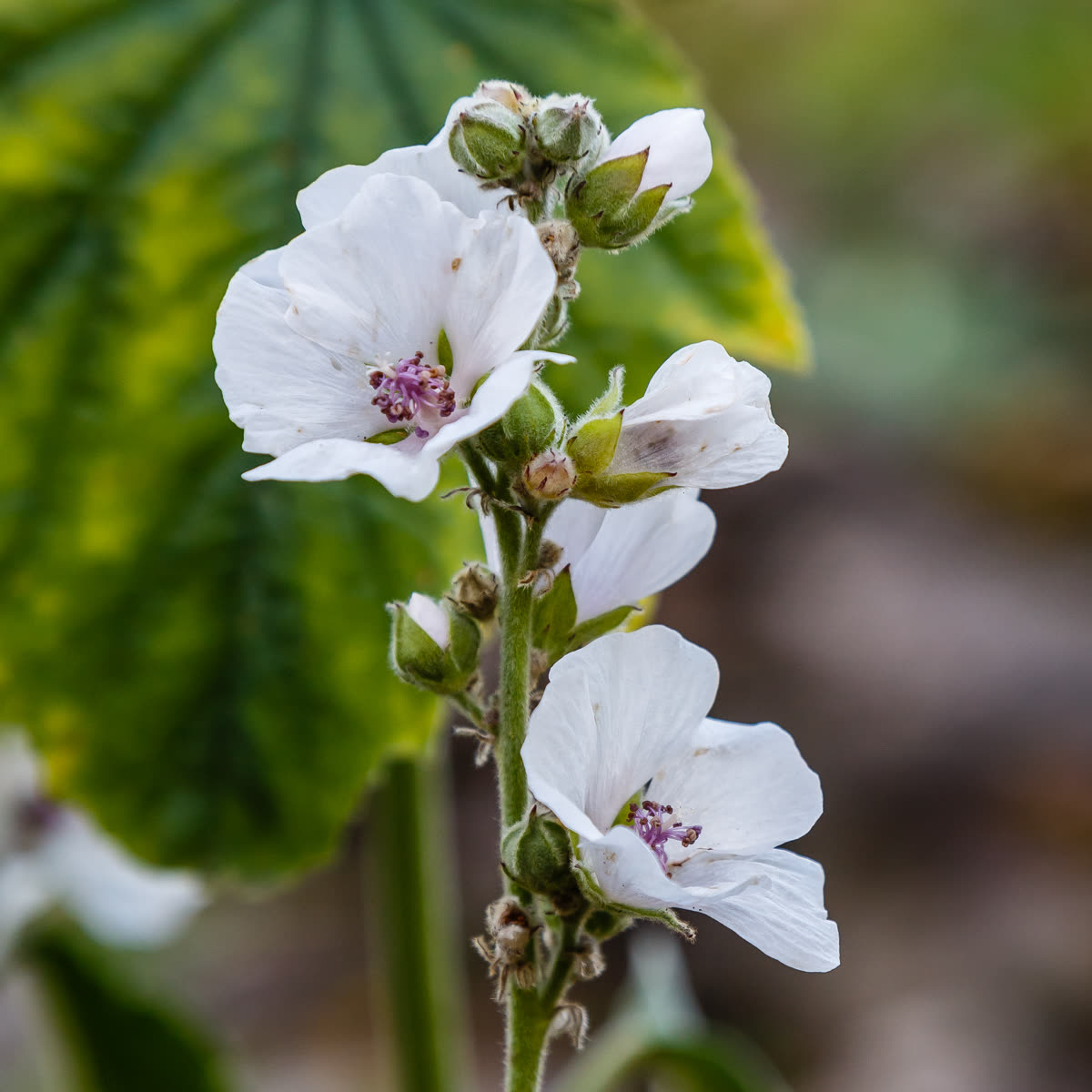
What Marshmallow Root can do for Dry & Dehydrated Skin
Soak marshmallow root in cool water and it turns slippery: that mucilage is the whole point. On skin it forms a light, moisture-holding film that soothes, and on hair it adds “slip” for detangling, which is why it is a favorite of curly-hair routines. It is one of the gentlest botanicals there is, though its benefits are supported by chemistry and lab studies rather than clinical trials.
Why people reach for it
- Soothing, hydrating film. Mucilage polysaccharides bind water and leave a soft film that reduces the feel of tightness on dry or irritated skin.
- Slip for detangling. A cold-water extract makes hair slippery, helping combs and fingers glide through curls with less breakage. See Dry, Damaged & Frizzy Hair.
- Gentle enough for reactive skin. Allergy is very rare, making it a good base for products for Sensitive Skin & Redness.
- Supports skin cells (lab data). Root extracts and polysaccharides stimulated keratinocyte activity in vitro, consistent with its traditional use on irritated skin and mucous membranes.
How to use it
Try it today
An overnight detangling rinse
- Steep 2–5 g cut marshmallow root in 250 ml cool water in the fridge for 4–12 hours.
- Strain, pour it through clean hair and gently finger-comb out the knots.
- Use it the same day and pour away leftovers, as the gel spoils quickly.
| Form | Typical use | Notes |
|---|---|---|
| Cold-water macerate (hair slip rinse) | 2–5 g cut root per 250 ml cool water, steeped 4–12 h in the fridge | Strain, use the same day as a detangling rinse or leave-in base, and discard leftovers: mucilage spoils quickly. |
| Extract or glycerite in creams, gels and toners | 1–5% (per supplier) | Any water-based product needs a broad-spectrum preservative; see DIY Safety: Water, Microbes & Preservatives. |
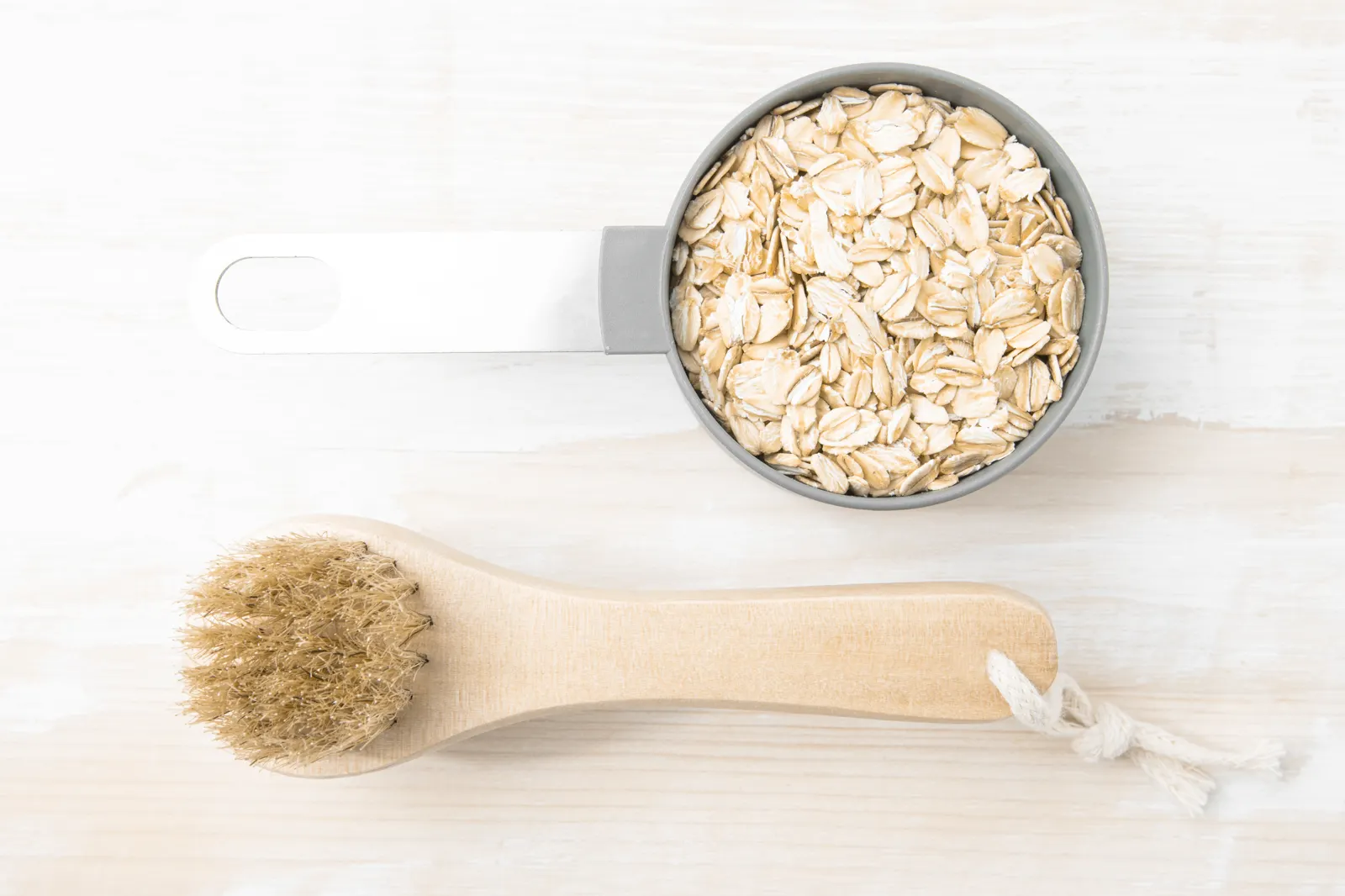
| Root powder in masks | 5–15% of a clay or oat mask | Adds slip and softness to colloidal oatmeal or clay masks; mix fresh. |
Recipes for Dry & Dehydrated Skin with Marshmallow Root
Use it safely
- Very well tolerated topically; allergy is rare but possible, so patch test if you have many plant allergies.
- Water-based homemade infusions grow microbes within a day or two at room temperature: make fresh or preserve properly.
- When taken orally, mucilage can slow absorption of other medicines; this does not apply to topical use.
Pregnancy and breastfeeding: Topical use is considered low-risk; there are no specific safety studies in pregnancy.
New to an ingredient? Patch test first.
When to see a doctor
- Dryness with intense itch that disturbs sleep, or red, inflamed patches (possible eczema or another dermatitis).
- Cracked, bleeding or weeping skin, or signs of infection (pain, warmth, yellow crusts, pus).
- Fish-scale-like dryness present since childhood (possible ichthyosis).
- New, persistent dryness with fatigue, weight change, feeling cold or hair thinning (thyroid), or with excessive thirst and urination (diabetes).
- Severe dryness in older adults with widespread itch that does not respond to moisturizers.
Other plants for Dry & Dehydrated Skin
| Ingredient | Grade | What the evidence shows |
|---|---|---|
| Colloidal Oatmeal | B | Multiple clinical studies show colloidal oatmeal creams and baths reduce dryness, scaling and itch; it is an approved skin protectant in the US. |
| Sunflower Oil | B | Linoleic-rich sunflower seed oil preserved stratum corneum integrity and improved hydration in a comparative study with olive oil, and supports barrier function in neonatal studies. |
| Coconut Oil | B | A randomized trial found virgin coconut oil as effective and safe as mineral oil for mild to moderate xerosis of the legs. |
| Shea Butter | C | Rich emollient and mild occlusive with anti-inflammatory triterpene esters; small studies of shea-containing creams support hydration. |
| Squalane | C | A skin-identical, stable, lightweight emollient that reduces roughness; excellent tolerability but limited trial data on its own. |
| Jojoba | C | A liquid wax ester that resembles skin’s own wax esters; small studies support barrier repair and softness. |
| Aloe Vera | C | A humectant gel that improved skin hydration in small studies; on its own it is not enough for very dry skin and needs an emollient on top. |