Does it work?
Orange Blossom (Neroli) for Sensitive Skin & Redness
A mist of orange flower water brings the scent of a Seville courtyard in spring to your skin, softly, in one breath.
The short answer: Small RCTs support relaxing effects of inhaled neroli, but skin benefits rest on tradition and lab data.
Our Sensitive Skin & Redness guide does not rank Orange Blossom (Neroli) for this use yet, so this is the overall grade for Orange Blossom (Neroli).
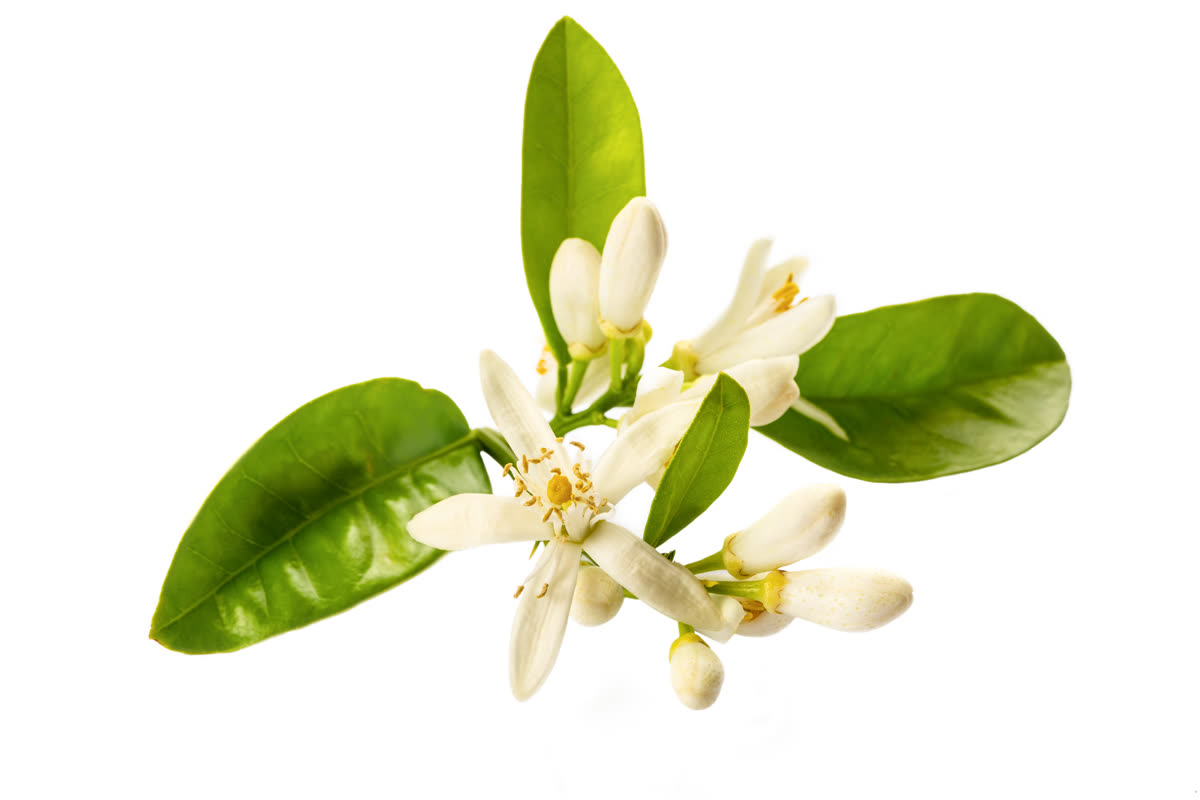
What Orange Blossom (Neroli) can do for Sensitive Skin & Redness
The white flowers of the bitter orange give two beauty classics: neroli essential oil and the soft, fragrant hydrosol known as orange flower water, ma’ zhar in Morocco. Orange flower water is a gentle toner and a traditional part of hammam and bridal rituals; neroli is a precious fragrance oil. Skin benefits beyond fragrance and comfort are largely traditional, and the main caution is fragrance allergy.
Why people reach for it
- Gentle, fragrant toner. Orange flower water refreshes the skin with a light floral scent; it is mostly water with small amounts of aromatic compounds, so it is mild for most people.
- A calming ritual. Small randomized trials found inhaled neroli eased stress-related measures; on skin, that translates to a pleasant sensory experience rather than a treatment.
- Not phototoxic. Neroli is steam-distilled from flowers and does not carry the furanocoumarins found in cold-pressed citrus peel oils, so it does not cause sun-triggered burns.
- Antimicrobial and antioxidant (lab data). Neroli oil shows antimicrobial and antioxidant activity in vitro; the cosmetic relevance is unproven.
How to use it
Try it today
A two-minute floral reset
- Choose a cosmetic-grade, preserved orange flower water rather than the culinary bottle.
- After cleansing, mist or pat it onto your face with clean palms and breathe in slowly.
- Follow with your usual moisturizer while skin is still damp, and keep the bottle in the fridge.
| Form | Typical use | Notes |
|---|---|---|
| Orange flower water as toner or facial mist | Used neat (if preserved) or 10–50% of a formula’s water phase | Choose cosmetic-grade, preserved hydrosol; culinary orange flower water is for food and may be diluted or flavored. Refrigerate after opening. |
| Neroli in facial oils and creams | 0.1–1% on the face (its cost usually keeps it at 0.1–0.5%) | Add to argan oil or prickly pear seed oil for a classic Moroccan face oil. See Essential Oil Dilution Calculator. |
| Hammam and body rituals | Hydrosol mixed into clay; neroli at 1–2% in body oils | Mix with rhassoul clay for the traditional mask; see Moroccan Hammam Ritual at Home. |
Recipes with Orange Blossom (Neroli)
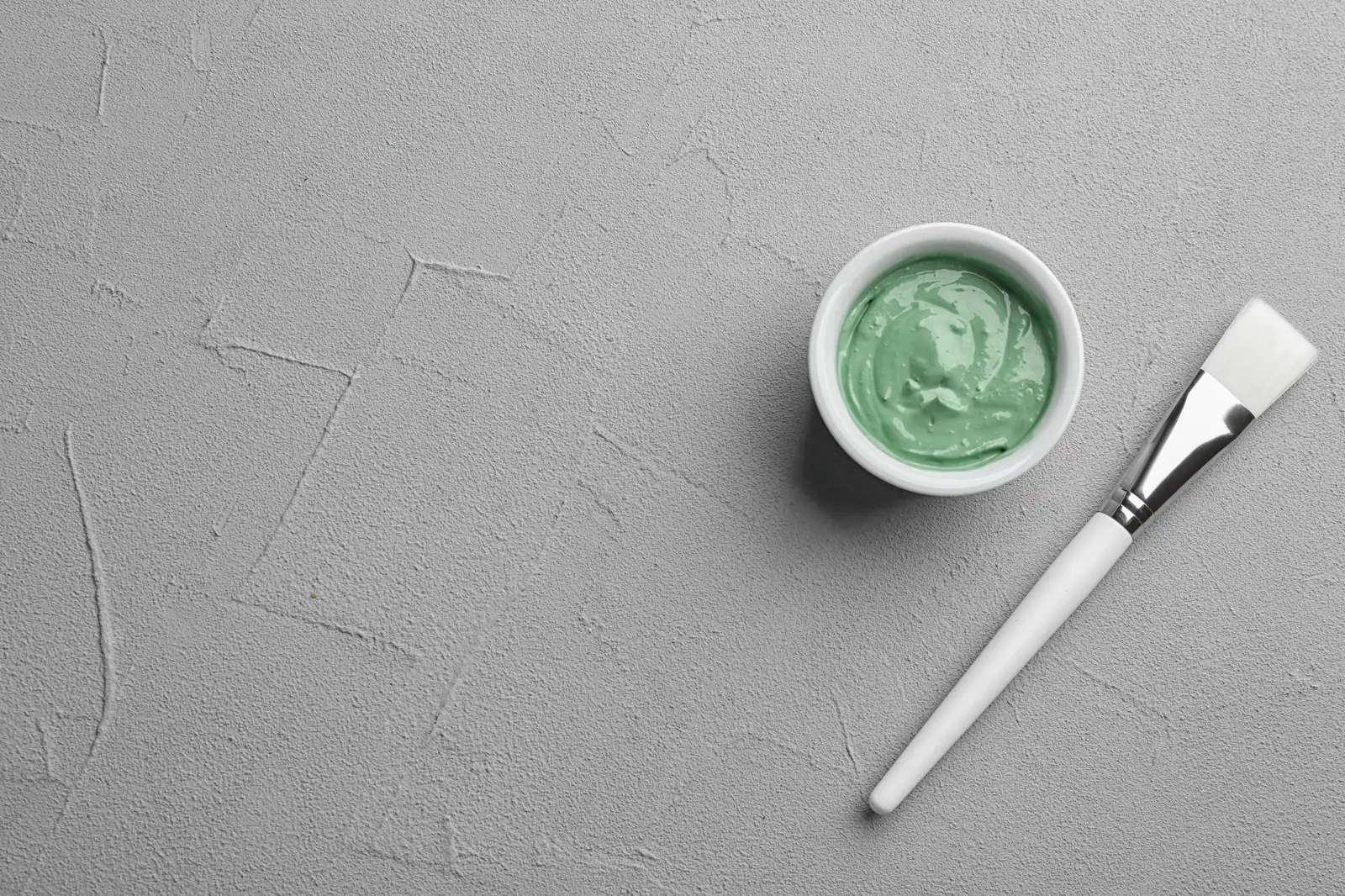 Mask · BeginnerMoroccan Rhassoul & Orange Blossom MaskRhassoul clay whipped with orange blossom water, argan oil and honey: the Moroccan way to cleanse and soften without squeaky tightness.
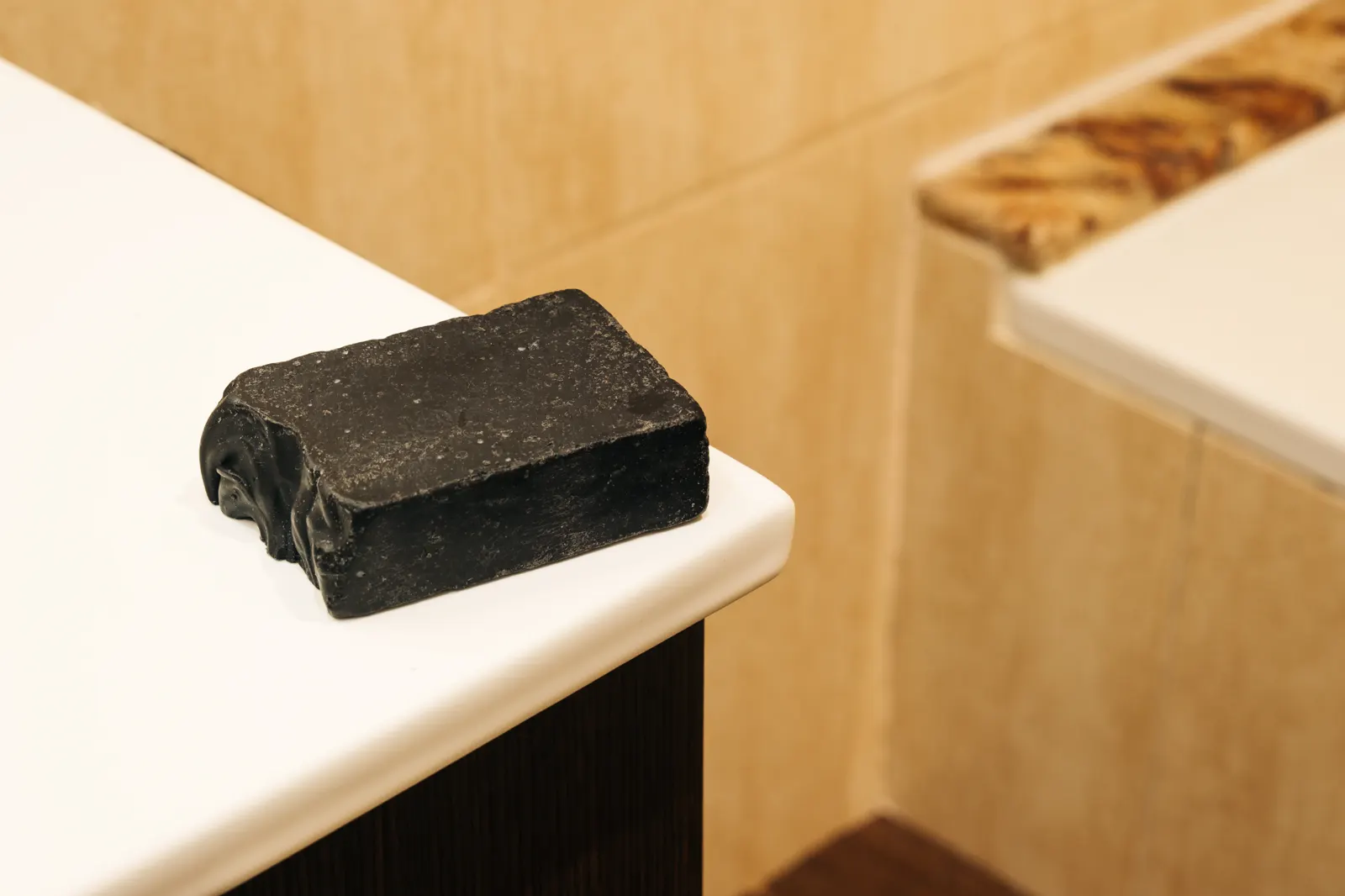 Ritual · BeginnerMoroccan Hammam Ritual at HomeBeldi black soap, the kessa glove, rhassoul clay, orange blossom water and argan oil: the traditional Moroccan hammam sequence, adapted safely for home.
Daily rituals with Orange Blossom (Neroli)
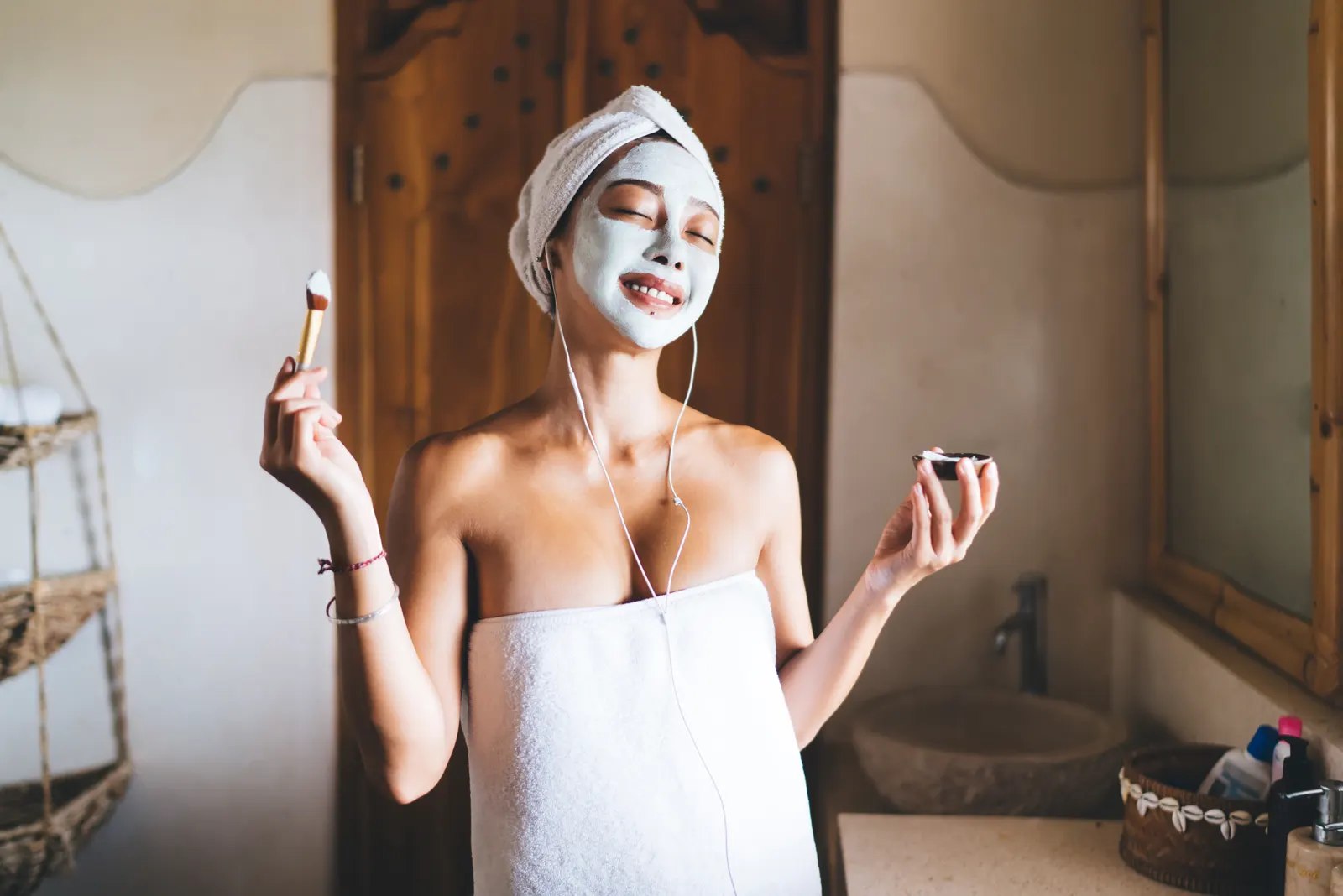 A Weekly Rhassoul Reset for Oily SkinA once-a-week Moroccan rhassoul clay mask for oily and combination skin, with the winter rule that keeps it from over-drying.
 The Home Hammam, Once a WeekBeldi black soap, a kessa glove, rhassoul and argan: a Moroccan weekly bath ritual adapted for home, with honest limits on scrubbing.
Use it safely
- Contains fragrance allergens (linalool, limonene, geraniol, farnesol). People with fragrance allergy should patch test or avoid; see How to Patch Test (and Read the Result).
- Keep neroli tightly closed, cool and dark: oxidized linalool and limonene are much more sensitizing.
- Do not confuse neroli with expressed bitter orange or bergamot peel oils, which are phototoxic. Check the label for “flower oil” and the extraction method.
- Hydrosols can grow bacteria and mold; discard if cloudy, slimy or off-smelling.
Pregnancy and breastfeeding: Neroli at low dilution (≤1%) and orange flower water are generally considered acceptable; as with all essential oils, avoid high concentrations.
New to an ingredient? Patch test first.
When to see a doctor
- Swelling of the lips, eyelids, tongue or throat, or difficulty breathing after using a product — this is an emergency.
- Persistent facial redness, visible vessels, flushing or bumps (possible rosacea), or burning, gritty, red eyes with facial redness (ocular rosacea).
- An itchy rash that spreads beyond where a product was applied or appears 1–3 days later (possible allergic contact dermatitis — ask about patch testing).
- A butterfly-shaped rash across the cheeks with joint pain, fatigue or sun sensitivity.
- Redness or stinging that continues despite a stripped-back routine for 4–6 weeks.
Other plants for Sensitive Skin & Redness
| Ingredient | Grade | What the evidence shows |
|---|---|---|
| Colloidal Oatmeal | B | Avenanthramides are anti-inflammatory and anti-itch; clinical studies support oatmeal products for irritated, itchy and reactive skin. |
| Licorice Root | B | Several small, mostly manufacturer-funded trials of licochalcone A products reduced facial redness, including in mild rosacea. |
| Centella Asiatica (Cica) | C | Madecassoside and asiaticoside reduce inflammation and support barrier repair in the lab; small human studies of centella creams show improved redness and comfort. |
| Green Tea | C | EGCG is anti-inflammatory and reduces UV-induced redness; a small trial suggested benefit in papulopustular rosacea. |
| Aloe Vera | C | Soothing and cooling with small supportive studies; choose stabilized gels without alcohol or fragrance, as some products irritate. |
| Chamomile | C | Bisabolol and chamazulene are anti-inflammatory, but chamomile is in the daisy family and can cause allergy in sensitized people. |