Does it work?
Orange Blossom (Neroli) for Dry & Dehydrated Skin
What the research says about orange blossom (neroli) for dry & dehydrated skin, how to use it at home and how to stay safe.
The short answer: Small RCTs support relaxing effects of inhaled neroli, but skin benefits rest on tradition and lab data.
Our Dry & Dehydrated Skin guide does not rank Orange Blossom (Neroli) for this use yet, so this is the overall grade for Orange Blossom (Neroli).
What it does
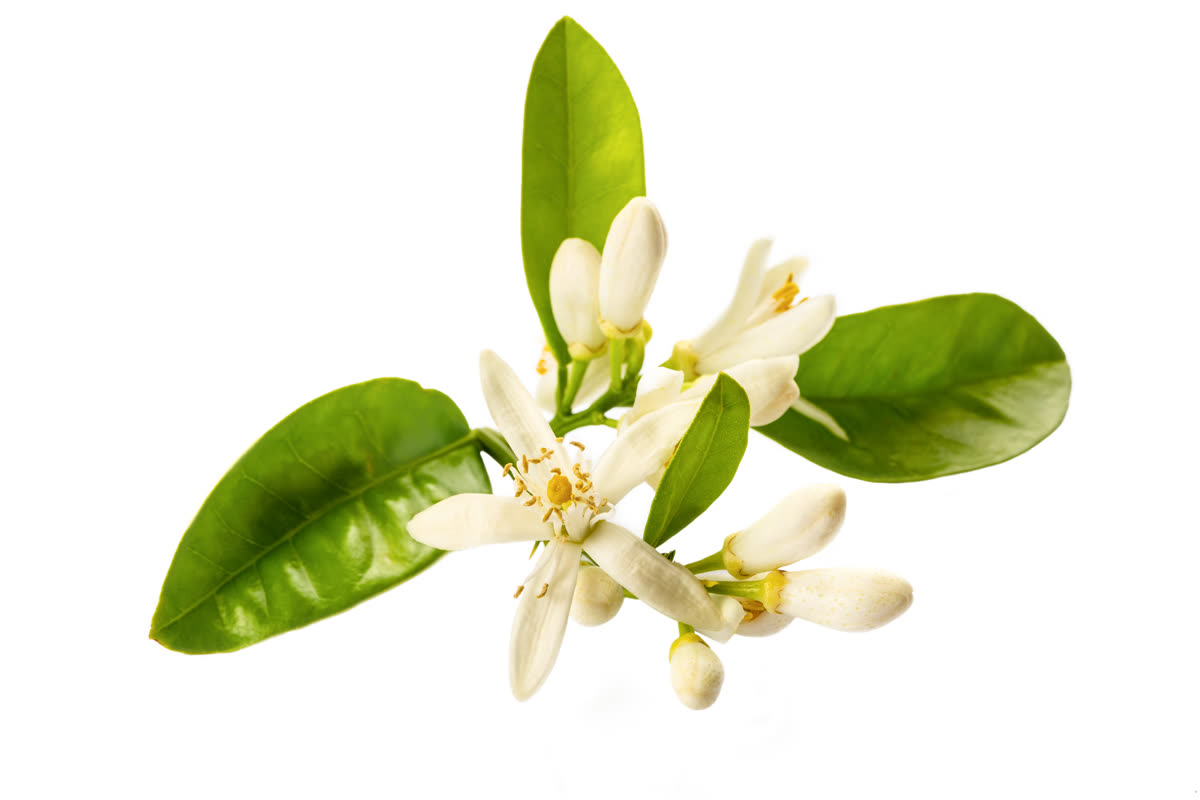
The white flowers of the bitter orange give two beauty classics: neroli essential oil and the soft, fragrant hydrosol known as orange flower water, ma’ zhar in Morocco. Orange flower water is a gentle toner and a traditional part of hammam and bridal rituals; neroli is a precious fragrance oil. Skin benefits beyond fragrance and comfort are largely traditional, and the main caution is fragrance allergy.
Why people reach for it
- Gentle, fragrant toner. Orange flower water refreshes the skin with a light floral scent; it is mostly water with small amounts of aromatic compounds, so it is mild for most people.
- A calming ritual. Small randomized trials found inhaled neroli eased stress-related measures; on skin, that translates to a pleasant sensory experience rather than a treatment.
- Not phototoxic. Neroli is steam-distilled from flowers and does not carry the furanocoumarins found in cold-pressed citrus peel oils, so it does not cause sun-triggered burns.
- Antimicrobial and antioxidant (lab data). Neroli oil shows antimicrobial and antioxidant activity in vitro; the cosmetic relevance is unproven.
How to use it
| Form | Typical use | Notes |
|---|---|---|
| Orange flower water as toner or facial mist | Used neat (if preserved) or 10–50% of a formula’s water phase | Choose cosmetic-grade, preserved hydrosol; culinary orange flower water is for food and may be diluted or flavored. Refrigerate after opening. |
| Neroli in facial oils and creams | 0.1–1% on the face (its cost usually keeps it at 0.1–0.5%) | Add to argan oil or prickly pear seed oil for a classic Moroccan face oil. See Essential Oil Dilution Calculator. |
| Hammam and body rituals | Hydrosol mixed into clay; neroli at 1–2% in body oils | Mix with rhassoul clay for the traditional mask; see Moroccan Hammam Ritual at Home. |
Recipes for Dry & Dehydrated Skin with Orange Blossom (Neroli)
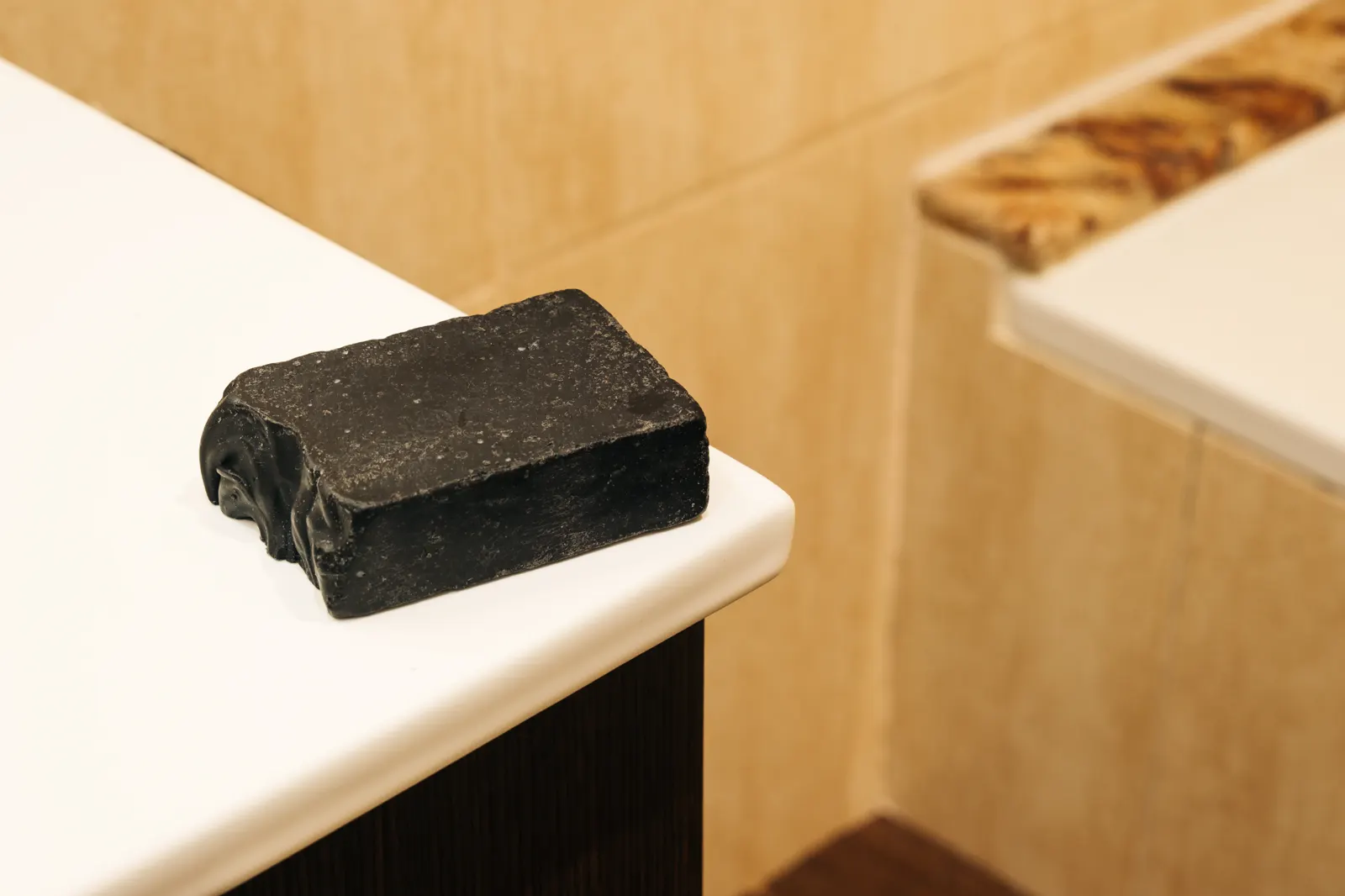 Ritual · BeginnerMoroccan Hammam Ritual at HomeBeldi black soap, the kessa glove, rhassoul clay, orange blossom water and argan oil: the traditional Moroccan hammam sequence, adapted safely for home.
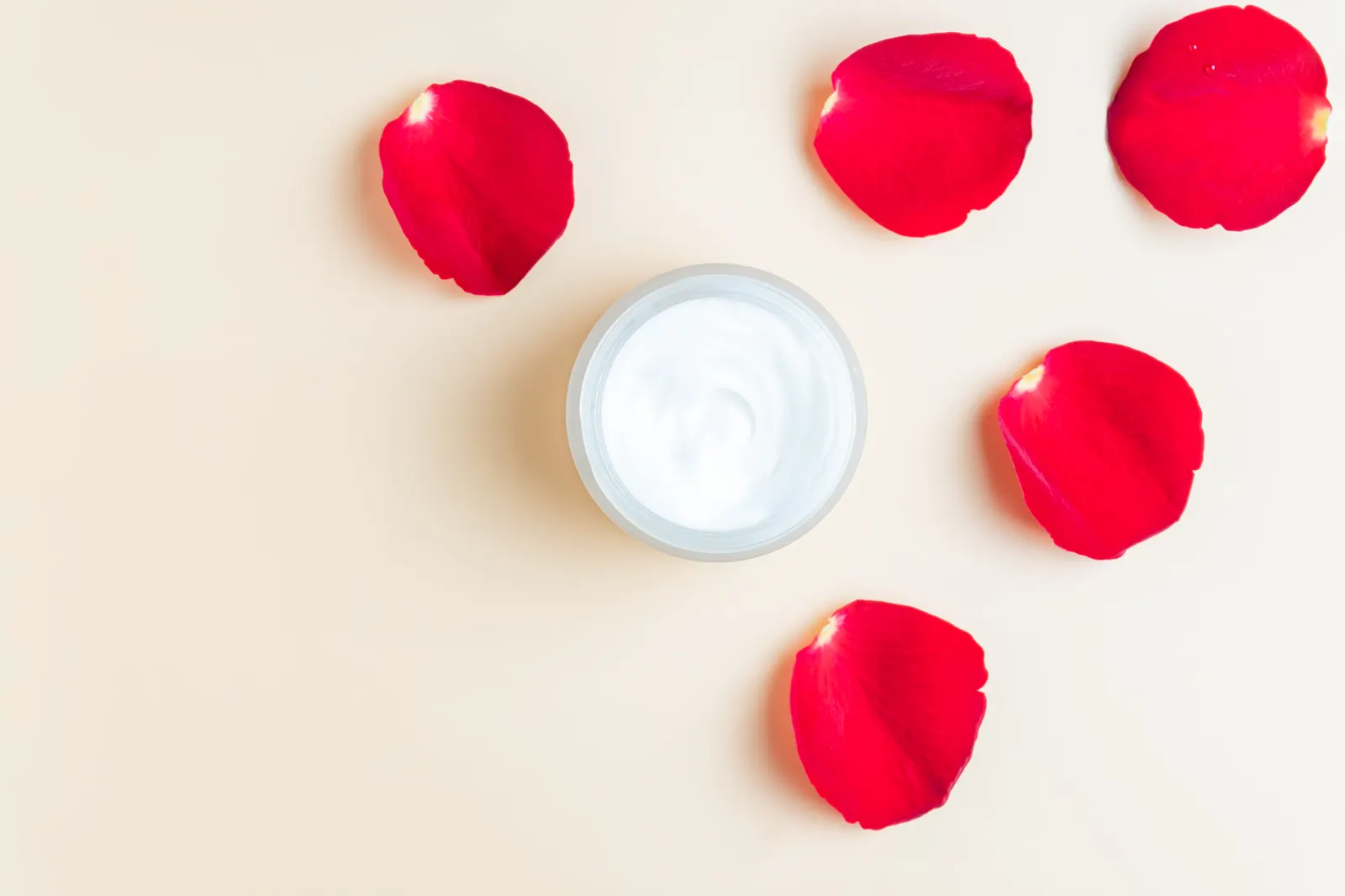 Balm · BeginnerRose & Orange Blossom Hand BalmA silky hand balm of shea, almond and rose-infused oil, lightly scented with neroli and rose geranium — a Moroccan garden in a tin.
Daily rituals with Orange Blossom (Neroli)
 A Weekly Rhassoul Reset for Oily SkinA once-a-week Moroccan rhassoul clay mask for oily and combination skin, with the winter rule that keeps it from over-drying.
 The Home Hammam, Once a WeekBeldi black soap, a kessa glove, rhassoul and argan: a Moroccan weekly bath ritual adapted for home, with honest limits on scrubbing.
Use it safely
- Contains fragrance allergens (linalool, limonene, geraniol, farnesol). People with fragrance allergy should patch test or avoid; see How to Patch Test (and Read the Result).
- Keep neroli tightly closed, cool and dark: oxidized linalool and limonene are much more sensitizing.
- Do not confuse neroli with expressed bitter orange or bergamot peel oils, which are phototoxic. Check the label for “flower oil” and the extraction method.
- Hydrosols can grow bacteria and mold; discard if cloudy, slimy or off-smelling.
Pregnancy and breastfeeding: Neroli at low dilution (≤1%) and orange flower water are generally considered acceptable; as with all essential oils, avoid high concentrations.
New to an ingredient? Patch test first.
When to see a doctor
- Dryness with intense itch that disturbs sleep, or red, inflamed patches (possible eczema or another dermatitis).
- Cracked, bleeding or weeping skin, or signs of infection (pain, warmth, yellow crusts, pus).
- Fish-scale-like dryness present since childhood (possible ichthyosis).
- New, persistent dryness with fatigue, weight change, feeling cold or hair thinning (thyroid), or with excessive thirst and urination (diabetes).
- Severe dryness in older adults with widespread itch that does not respond to moisturizers.
Other plants for Dry & Dehydrated Skin
| Ingredient | Grade | What the evidence shows |
|---|---|---|
| Colloidal Oatmeal | B | Multiple clinical studies show colloidal oatmeal creams and baths reduce dryness, scaling and itch; it is an approved skin protectant in the US. |
| Sunflower Oil | B | Linoleic-rich sunflower seed oil preserved stratum corneum integrity and improved hydration in a comparative study with olive oil, and supports barrier function in neonatal studies. |
| Coconut Oil | B | A randomized trial found virgin coconut oil as effective and safe as mineral oil for mild to moderate xerosis of the legs. |
| Shea Butter | C | Rich emollient and mild occlusive with anti-inflammatory triterpene esters; small studies of shea-containing creams support hydration. |
| Squalane | C | A skin-identical, stable, lightweight emollient that reduces roughness; excellent tolerability but limited trial data on its own. |
| Jojoba | C | A liquid wax ester that resembles skin’s own wax esters; small studies support barrier repair and softness. |
| Aloe Vera | C | A humectant gel that improved skin hydration in small studies; on its own it is not enough for very dry skin and needs an emollient on top. |
| Marshmallow Root | D | Mucilage polysaccharides form a soothing, humectant film; evidence is traditional and lab-based. |