Does it work?
Olive Oil for Scars, Wounds & Stretch Marks
What the research says about olive oil for scars, wounds & stretch marks, how to use it at home and how to stay safe.
The short answer: Trials of massaging plain oils, including olive oil, in pregnancy have not shown clear prevention of stretch marks; massage itself is harmless and pleasant.
What it does
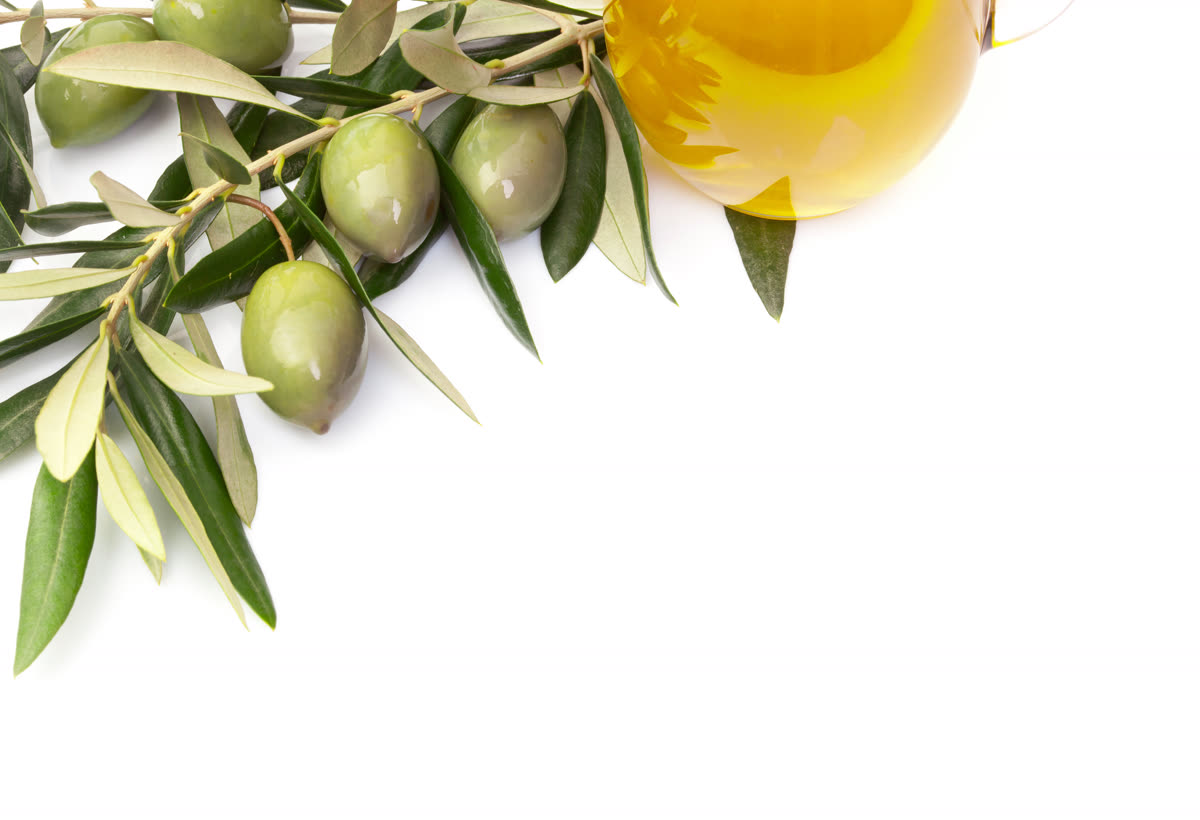
Olive oil has softened Mediterranean skin and hair for millennia and is the backbone of traditional soaps from Castile to Aleppo and the Moroccan hammam. It is rich in oleic acid, which feels nourishing but can loosen the skin’s lipid barrier when used as a leave-on. Evidence now favors sunflower over olive oil for babies and eczema-prone skin; olive oil shines in soaps, cleansing and for dry, robust body skin.
Why people reach for it
- Rich emollient for dry, robust skin. Softens rough skin on elbows, knees and feet, and forms a comforting film on dry body skin.
- Gentle, traditional soaps. Saponified olive oil makes mild, low-lather soaps (Castile, Nabulsi, Aleppo) and the Moroccan savon beldi black soap used in the hammam.
- Oil cleansing and makeup removal. Dissolves sebum and long-wear makeup; emulsifying it into a balm lets it rinse clean.
- Antioxidant-rich (extra virgin). Extra virgin oil contains polyphenols such as hydroxytyrosol and a notable amount of squalene for a vegetable oil.
How to use it
| Form | Typical use | Notes |
|---|---|---|
| Soap and black soap | Traditional soaps are largely olive oil; use as a cleanser | Moroccan black soap (savon beldi) is a potassium olive-oil soap — see Moroccan Hammam Ritual at Home. |
| Cleansing balm | 20–60% of the oil phase | Combine with an oil-soluble emulsifier so it rinses off rather than staying on the skin. |
| Body oil for dry, intact skin | Neat or 20–50% of a body-oil blend | Blend with linoleic-rich sunflower oil for a less barrier-disrupting mix. |
| Hair pre-wash | 1–2 teaspoons on lengths, 30–60 minutes before washing | Shampoo out well; heavy for fine hair. |
Recipes with Olive Oil
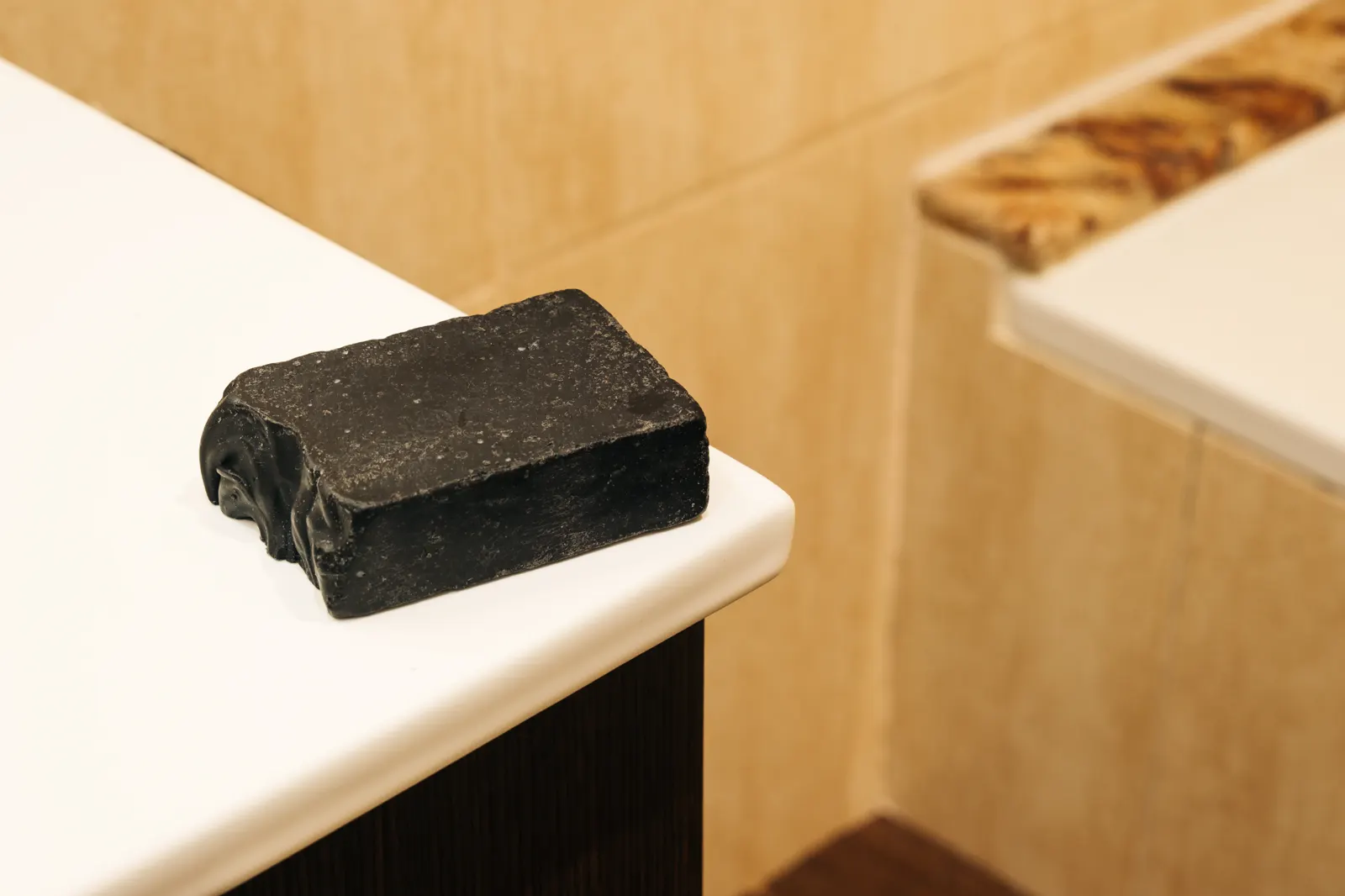 Ritual · BeginnerMoroccan Hammam Ritual at HomeBeldi black soap, the kessa glove, rhassoul clay, orange blossom water and argan oil: the traditional Moroccan hammam sequence, adapted safely for home.
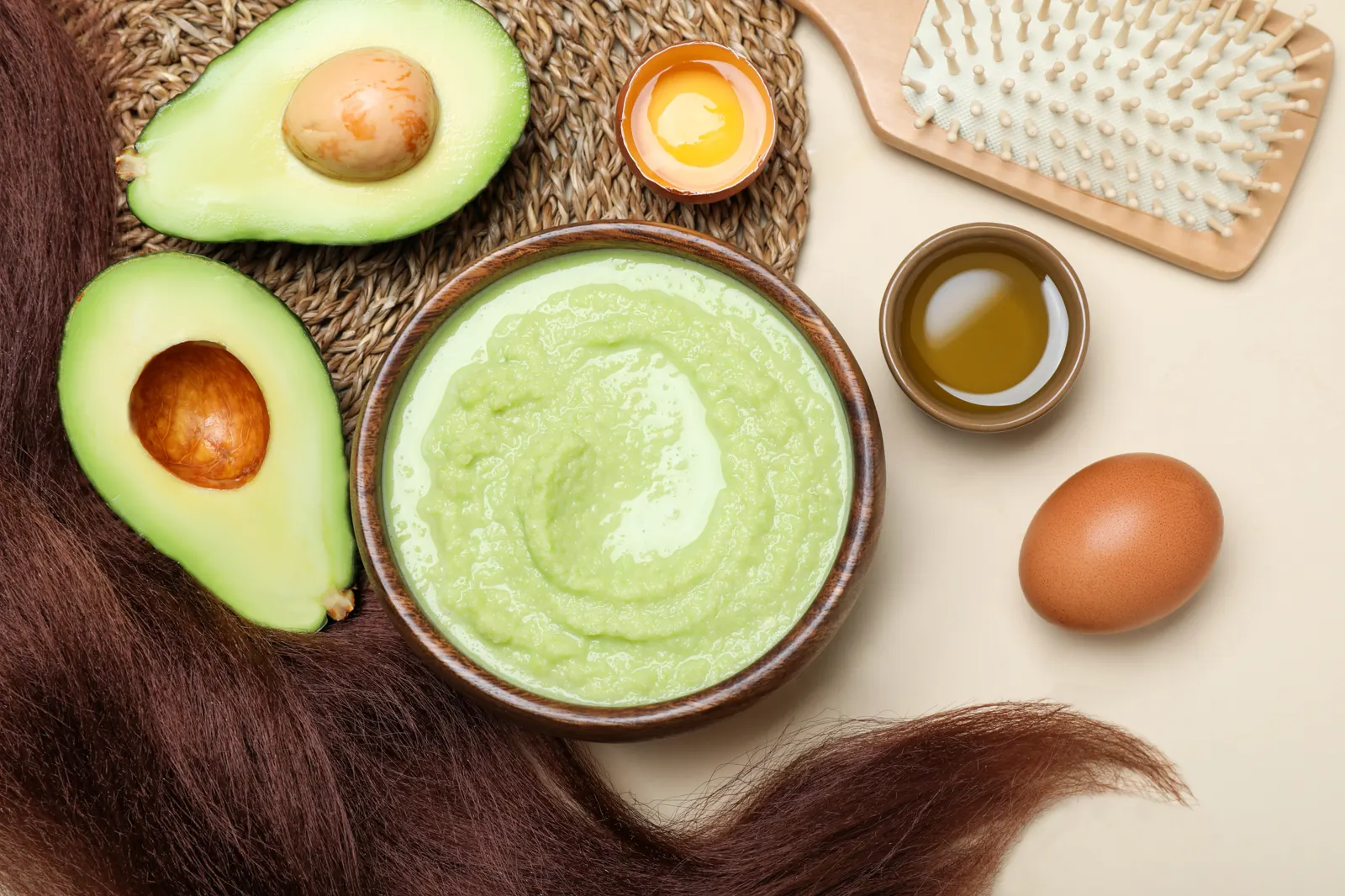 Hair care · BeginnerAvocado & Olive Oil Hair MaskA rich, kitchen-made pre-wash mask of ripe avocado, olive and avocado oils with a little honey for dry, rough or frizzy lengths.
Daily rituals with Olive Oil
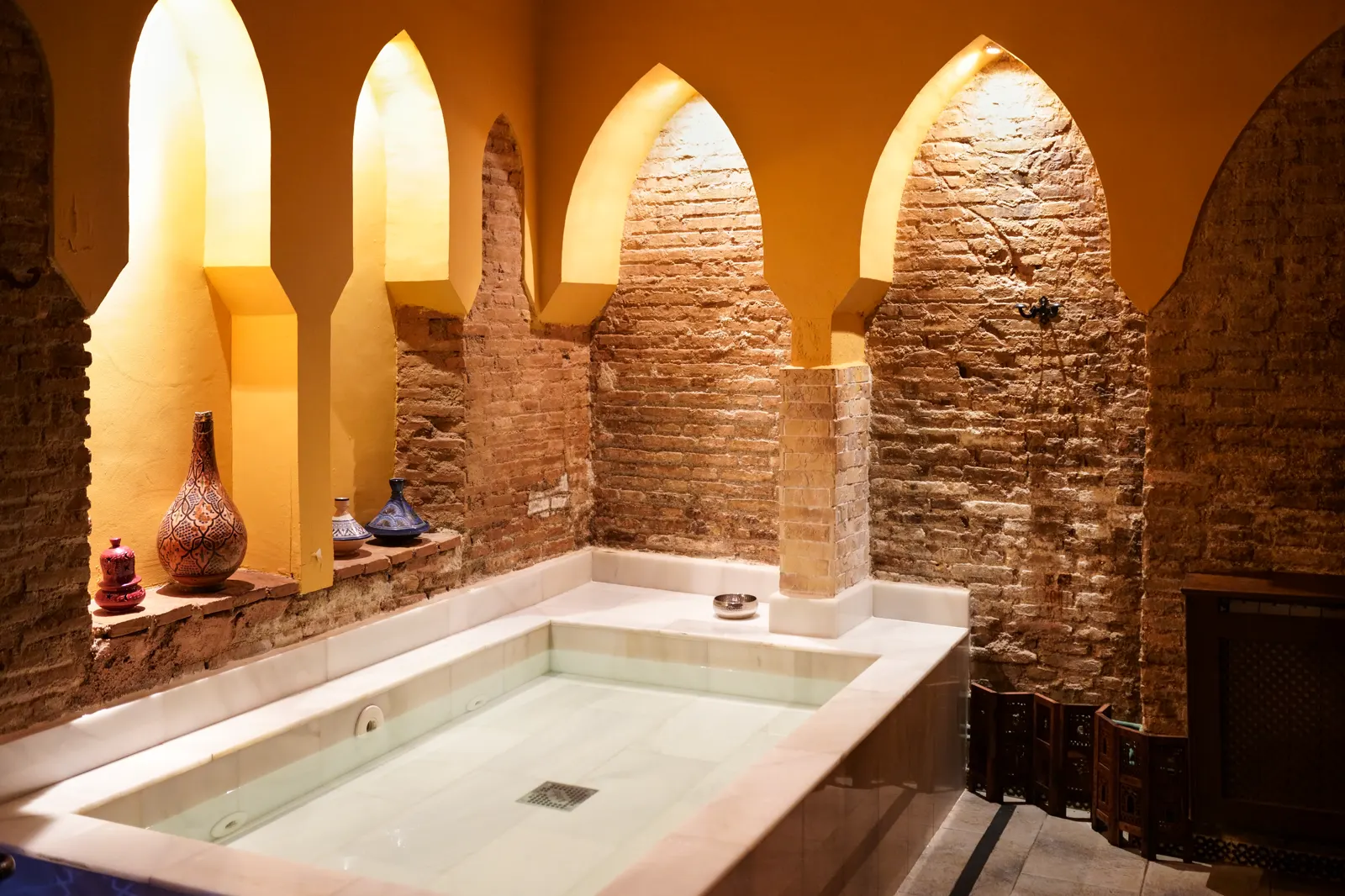 The Home Hammam, Once a WeekBeldi black soap, a kessa glove, rhassoul and argan: a Moroccan weekly bath ritual adapted for home, with honest limits on scrubbing.
 Pick Your Body Oil: Sunflower, Jojoba or Olive?Not all plant oils treat the skin barrier alike. How to choose a body oil for dry skin, and a simple one-leg test to see what suits you.
Use it safely
- Not recommended as a leave-on oil for newborns or for eczema-prone or broken skin — evidence shows it can weaken the barrier. Choose sunflower oil or a pediatric emollient.
- Allergic contact dermatitis to olive oil is uncommon but reported, especially on damaged skin such as leg ulcers.
- Olive-oil soaps are alkaline; follow with moisturizer if your skin feels tight.
- Patch test before using olive-based products on sensitive skin.
Pregnancy and breastfeeding: Safe topically in pregnancy and breastfeeding, but small trials show it does not prevent stretch marks.
New to an ingredient? Patch test first.
When to see a doctor
- Signs of infection: spreading redness or warmth, red streaks, increasing pain or swelling, pus, a bad smell, or fever.
- Deep, gaping or long cuts, wounds on the face, hands or joints, or bleeding that does not stop with 10 minutes of firm pressure — stitches work best within hours.
- Animal or human bites, puncture wounds, dirty wounds, or if your tetanus vaccination is not up to date.
- Burns larger than your palm, or any burn on the face, hands, feet, genitals or over joints, or with white, leathery or charred skin.
- Wounds not healing within two weeks, especially if you have diabetes, poor circulation or a weakened immune system.
- A scar that keeps growing beyond its edges, is painful or itchy (possible keloid), or an old scar that ulcerates, bleeds or changes.
- New, wide purple stretch marks together with weight gain, a rounded face, easy bruising or muscle weakness.
Other plants for Scars, Wounds & Stretch Marks
| Ingredient | Grade | What the evidence shows |
|---|---|---|
| Honey | B | Systematic reviews suggest sterile, medical-grade honey dressings heal partial-thickness burns faster than some conventional dressings, though trial quality varies; kitchen honey is not for open wounds. |
| Aloe Vera | B | Several trials and a systematic review suggest aloe preparations may shorten healing time of superficial burns; evidence for surgical wounds is inconclusive. |
| Centella Asiatica (Cica) | B | Asiaticoside and madecassoside promote collagen organization; small trials (mostly of combination creams) support use for stretch-mark prevention and scar appearance. |
| Calendula | C | Small trials suggest benefit for skin reactions to radiotherapy and minor wounds; daisy-family allergy is possible. |
| Rosehip Oil | C | A small controlled study suggested rosehip oil improved the color and appearance of post-surgical scars after the wound had closed. |
| Helichrysum (Immortelle) | D | Popular in aromatherapy for scars, but evidence is anecdotal or from lab studies; as an essential oil it must be diluted and never used on open wounds. |