Does it work?
Olive Oil for Dry, Damaged & Frizzy Hair
What the research says about olive oil for dry, damaged & frizzy hair, how to use it at home and how to stay safe.
The short answer: Traditionally used across the Mediterranean as a pre-wash treatment; limited lab data suggest some penetration, less than coconut oil.
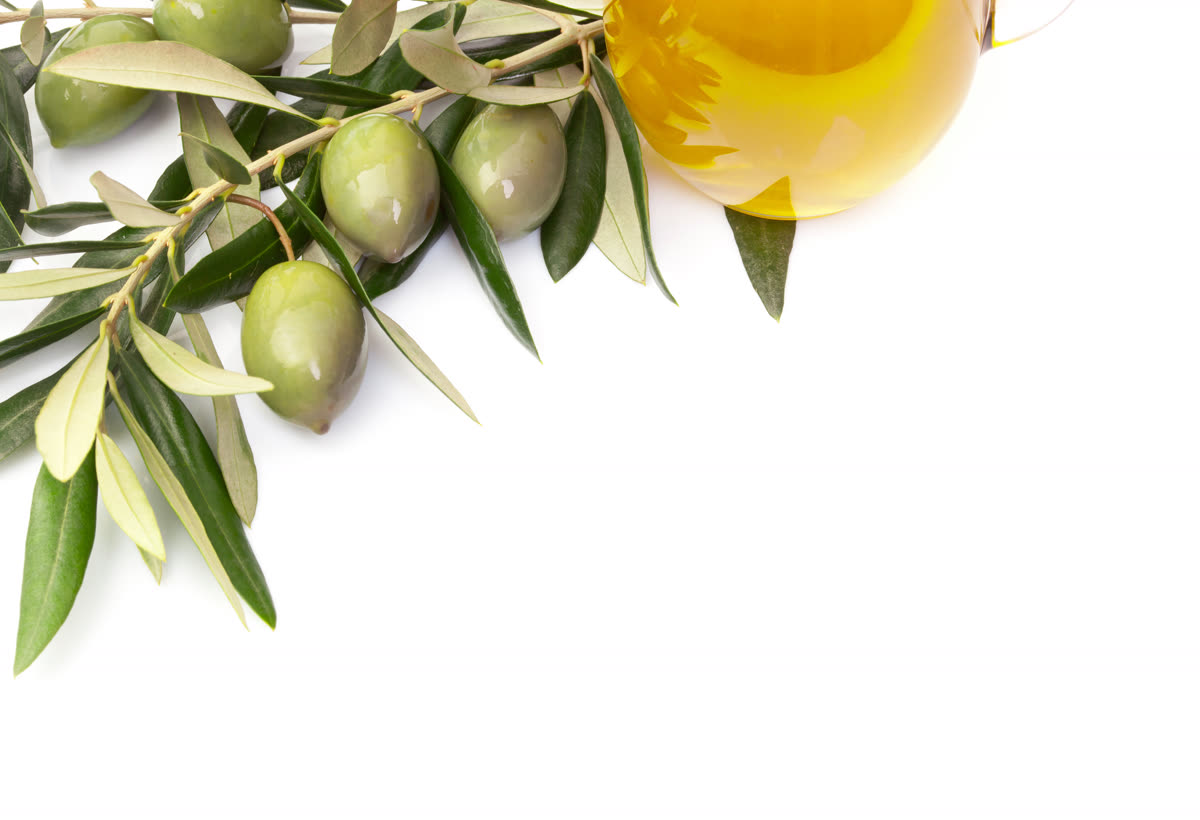
What it does
Olive oil has softened Mediterranean skin and hair for millennia and is the backbone of traditional soaps from Castile to Aleppo and the Moroccan hammam. It is rich in oleic acid, which feels nourishing but can loosen the skin’s lipid barrier when used as a leave-on. Evidence now favors sunflower over olive oil for babies and eczema-prone skin; olive oil shines in soaps, cleansing and for dry, robust body skin.
Why people reach for it
- Rich emollient for dry, robust skin. Softens rough skin on elbows, knees and feet, and forms a comforting film on dry body skin.
- Gentle, traditional soaps. Saponified olive oil makes mild, low-lather soaps (Castile, Nabulsi, Aleppo) and the Moroccan savon beldi black soap used in the hammam.
- Oil cleansing and makeup removal. Dissolves sebum and long-wear makeup; emulsifying it into a balm lets it rinse clean.
- Antioxidant-rich (extra virgin). Extra virgin oil contains polyphenols such as hydroxytyrosol and a notable amount of squalene for a vegetable oil.
How to use it
| Form | Typical use | Notes |
|---|---|---|
| Soap and black soap | Traditional soaps are largely olive oil; use as a cleanser | Moroccan black soap (savon beldi) is a potassium olive-oil soap — see Moroccan Hammam Ritual at Home. |
| Cleansing balm | 20–60% of the oil phase | Combine with an oil-soluble emulsifier so it rinses off rather than staying on the skin. |
| Body oil for dry, intact skin | Neat or 20–50% of a body-oil blend | Blend with linoleic-rich sunflower oil for a less barrier-disrupting mix. |
| Hair pre-wash | 1–2 teaspoons on lengths, 30–60 minutes before washing | Shampoo out well; heavy for fine hair. |
Recipes for Dry, Damaged & Frizzy Hair with Olive Oil
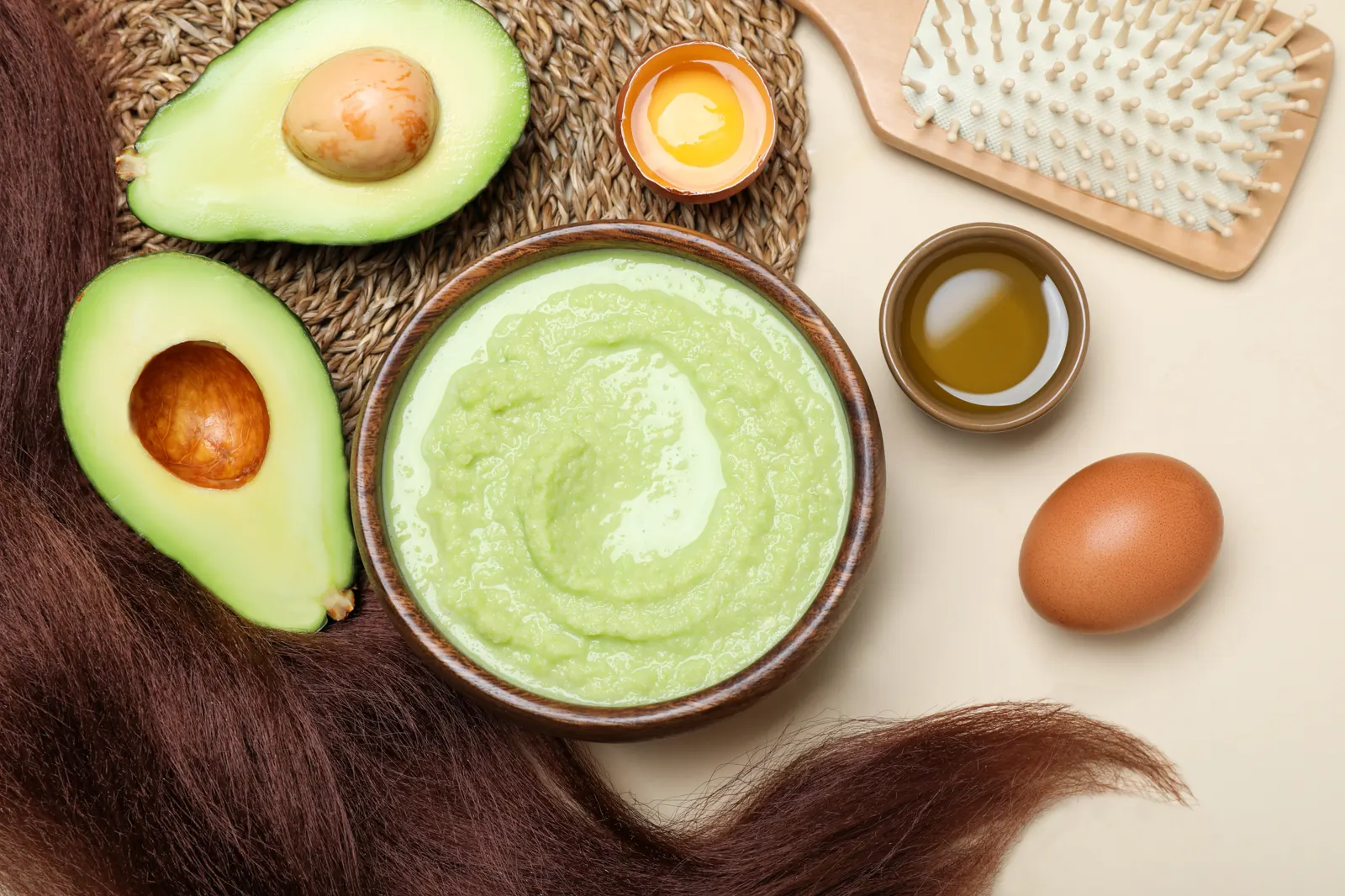
Daily rituals with Olive Oil
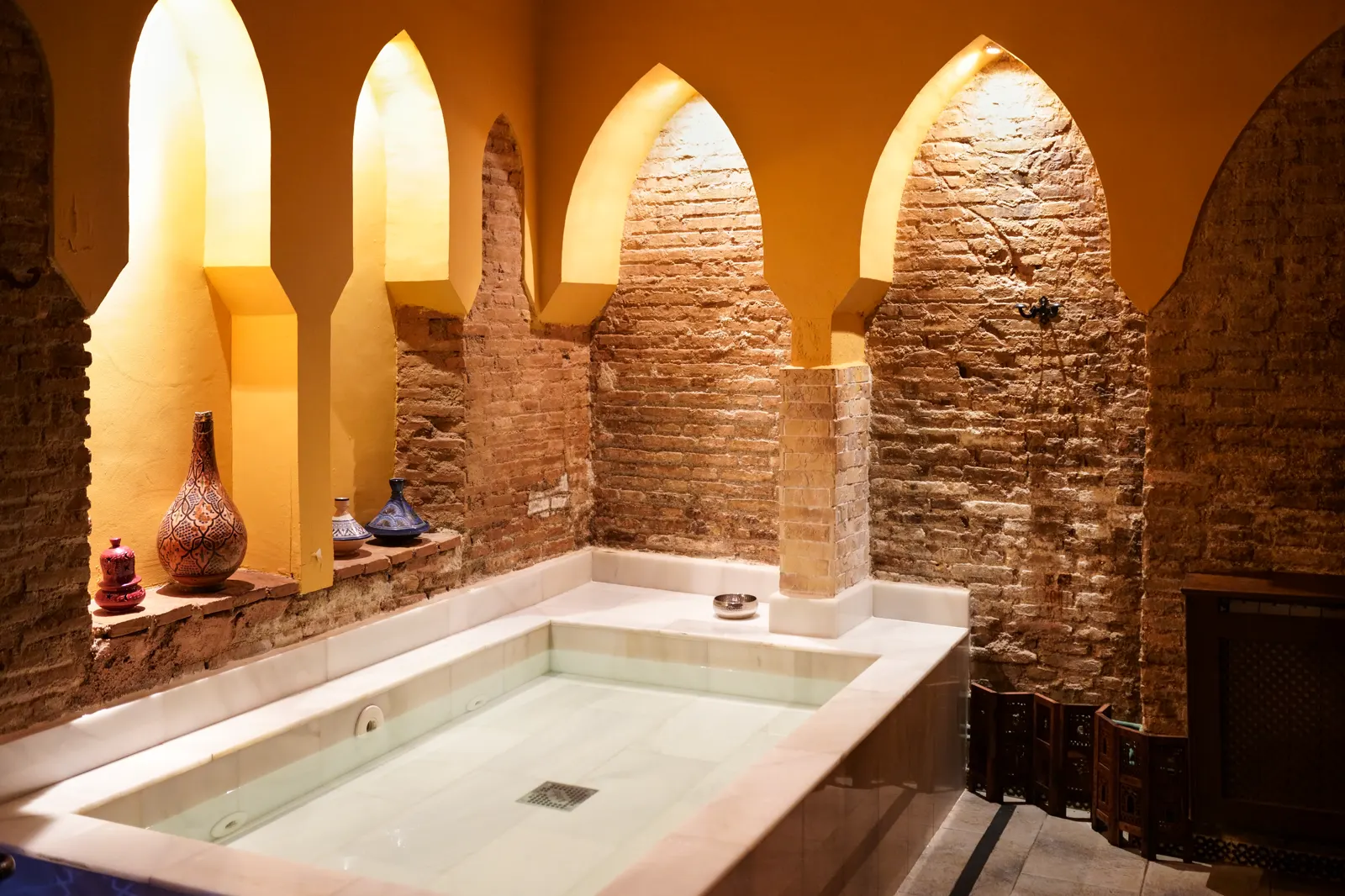 The Home Hammam, Once a WeekBeldi black soap, a kessa glove, rhassoul and argan: a Moroccan weekly bath ritual adapted for home, with honest limits on scrubbing.
 Pick Your Body Oil: Sunflower, Jojoba or Olive?Not all plant oils treat the skin barrier alike. How to choose a body oil for dry skin, and a simple one-leg test to see what suits you.
Use it safely
- Not recommended as a leave-on oil for newborns or for eczema-prone or broken skin — evidence shows it can weaken the barrier. Choose sunflower oil or a pediatric emollient.
- Allergic contact dermatitis to olive oil is uncommon but reported, especially on damaged skin such as leg ulcers.
- Olive-oil soaps are alkaline; follow with moisturizer if your skin feels tight.
- Patch test before using olive-based products on sensitive skin.
Pregnancy and breastfeeding: Safe topically in pregnancy and breastfeeding, but small trials show it does not prevent stretch marks.
New to an ingredient? Patch test first.
When to see a doctor
- Hair that breaks easily together with brittle nails, fatigue, heavy periods or feeling cold (possible iron deficiency or thyroid disease).
- Breakage in patches, or hair loss with scalp symptoms — it may not be breakage at all; see Thinning Hair & Hair Loss.
- Scalp burns, blisters or severe itching after relaxers, dyes or bleach.
- Hair that has always been fragile or breaks at a short length since childhood (possible hair shaft disorder).
Other plants for Dry, Damaged & Frizzy Hair
| Ingredient | Grade | What the evidence shows |
|---|---|---|
| Coconut Oil | C | Hair-fiber lab studies show coconut oil penetrates the shaft and reduces protein loss when used before and after washing — unlike mineral or sunflower oil; human trials are lacking. |
| Argan Oil | C | A lab study on dyed hair fibers found argan oil improved fiber quality after repeated coloring; supports its use as a finishing and pre-wash oil. |
| Shea Butter | D | A rich sealant that reduces frizz and adds softness, especially for coily hair; evidence is practical and traditional. |
| Marshmallow Root | D | Mucilage gives slip for detangling, popular in curly-hair routines; evidence is traditional and anecdotal. |
| Jojoba | D | A light liquid wax that adds shine without much weight, suiting fine hair; little formal evidence. |