Does it work?
Centella Asiatica (Cica) for Scars, Wounds & Stretch Marks
What the research says about centella asiatica (cica) for scars, wounds & stretch marks, how to use it at home and how to stay safe.
The short answer: Asiaticoside and madecassoside promote collagen organization; small trials (mostly of combination creams) support use for stretch-mark prevention and scar appearance.
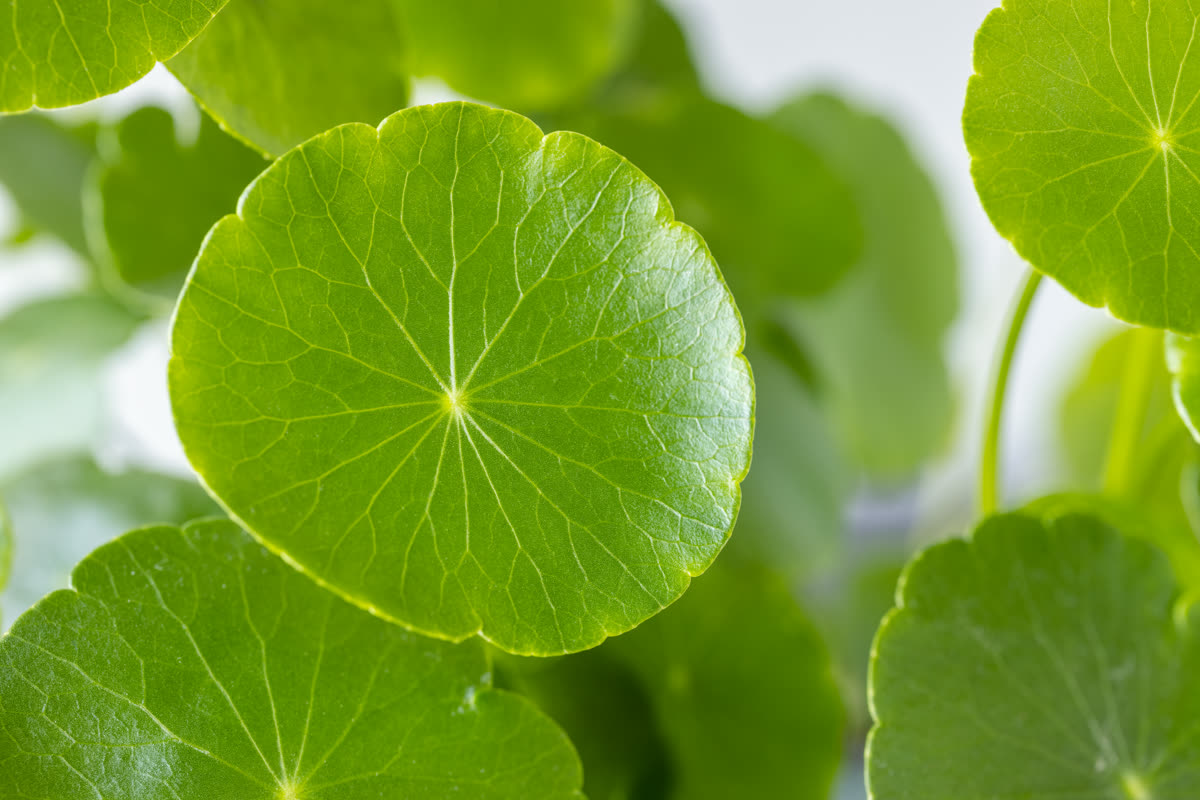
What it does
Centella asiatica is the small creeping herb behind “cica” creams. Its four signature triterpenes — madecassoside, asiaticoside, asiatic acid and madecassic acid — stimulate collagen production and calm inflammation in lab studies, and a standardized extract has been used in wound-healing medicines for decades. Human cosmetic trials are small and usually test centella alongside other actives, so think of it as a well-tolerated soothing and repair-supporting ingredient.
Why people reach for it
- Supports skin repair. Centella triterpenes stimulate fibroblasts to make type I and III collagen in lab studies, and a titrated extract has long been used in European and Asian wound-healing creams.
- Calms irritated, reactive skin. Madecassoside reduces inflammatory signaling in skin-cell models, which is why centella is popular in products for skin stressed by retinoids, acids or procedures.
- May support firmer-looking skin. In a small double-blind study, a cream combining vitamin C with madecassoside improved signs of photoaging over six months. The design cannot separate the two ingredients.
- Lightweight and well tolerated. Centella extracts and leaf water suit oily and acne-prone skin as well as dry, and allergic reactions are uncommon.
How to use it
| Form | Typical use | Notes |
|---|---|---|
| Centella extract (standardized) | 0.5–5% in serums, creams and toners | Check the supplier’s triterpene content; higher-standardized extracts need lower use levels. Water-based products need a broad-spectrum preservative. Try it in Green Tea & Centella Soothing Toner. |
| Madecassoside (purified) | 0.1–1% | Water-soluble; add to the water phase or cool-down. Combines well with niacinamide, panthenol and ceramides in barrier-support products. |
| Centella leaf water | Up to 100% of the water phase | A gentle base for toners and essences; much lower in triterpenes than a standardized extract. Preserve as you would water. |
Recipes with Centella Asiatica (Cica)
Daily rituals with Centella Asiatica (Cica)
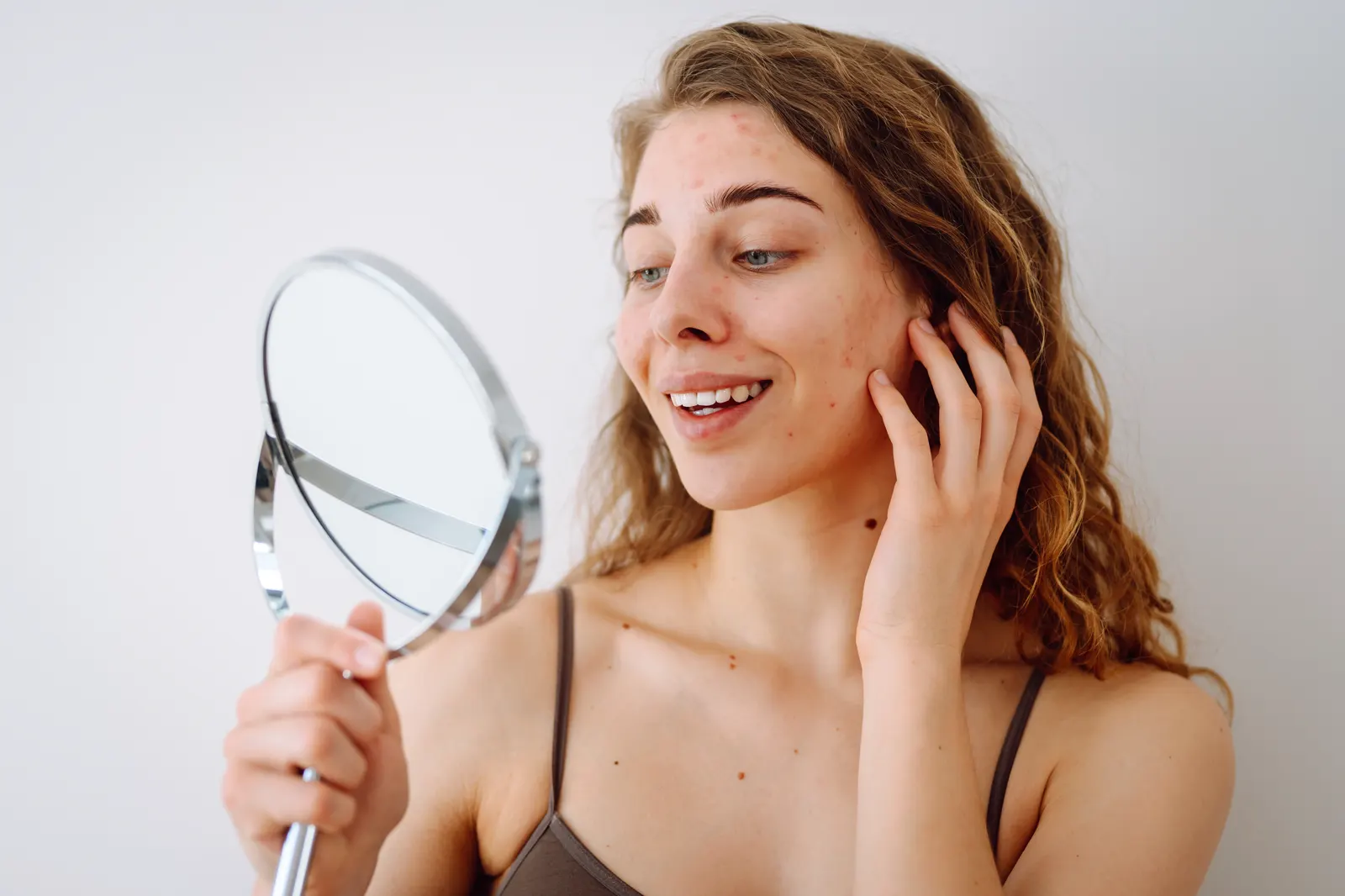 The Two-Minute Barrier CheckTight, stinging, flaky and shiny at once? A two-minute morning check tells you when to pause actives and give your skin barrier a calm week.
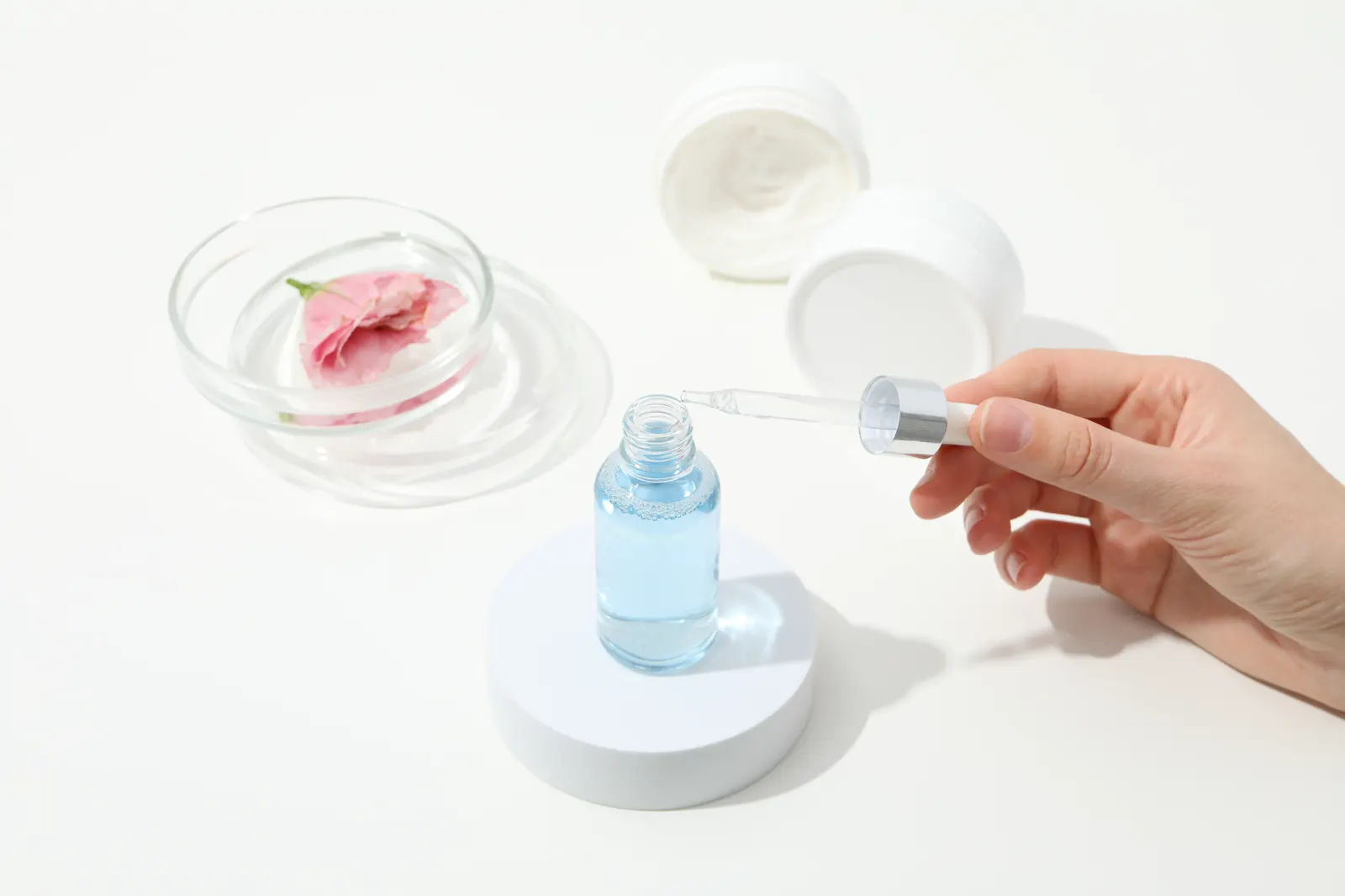 Korean Layering, Kept SimpleThin to thick, press don’t rub: the heart of Korean skincare layering in four calm evening steps, no ten-step shelf required.
Use it safely
- Allergic contact dermatitis to centella is uncommon but has been reported, including from medicated creams. Patch test, especially on compromised skin (How to Patch Test).
- Oral centella (gotu kola) supplements have been linked to rare cases of liver injury. This is not a concern for normal topical use, but avoid concentrated oral products if you have liver disease.
- Cica creams are not a substitute for medical wound care: see a doctor for deep, infected or non-healing wounds, and for burns beyond minor first-degree.
Pregnancy and breastfeeding: Topical centella is considered low risk in pregnancy and is a traditional stretch-mark ingredient. Oral supplements are not recommended because safety data are lacking.
New to an ingredient? Patch test first.
When to see a doctor
- Signs of infection: spreading redness or warmth, red streaks, increasing pain or swelling, pus, a bad smell, or fever.
- Deep, gaping or long cuts, wounds on the face, hands or joints, or bleeding that does not stop with 10 minutes of firm pressure — stitches work best within hours.
- Animal or human bites, puncture wounds, dirty wounds, or if your tetanus vaccination is not up to date.
- Burns larger than your palm, or any burn on the face, hands, feet, genitals or over joints, or with white, leathery or charred skin.
- Wounds not healing within two weeks, especially if you have diabetes, poor circulation or a weakened immune system.
- A scar that keeps growing beyond its edges, is painful or itchy (possible keloid), or an old scar that ulcerates, bleeds or changes.
- New, wide purple stretch marks together with weight gain, a rounded face, easy bruising or muscle weakness.
Other plants for Scars, Wounds & Stretch Marks
| Ingredient | Grade | What the evidence shows |
|---|---|---|
| Honey | B | Systematic reviews suggest sterile, medical-grade honey dressings heal partial-thickness burns faster than some conventional dressings, though trial quality varies; kitchen honey is not for open wounds. |
| Aloe Vera | B | Several trials and a systematic review suggest aloe preparations may shorten healing time of superficial burns; evidence for surgical wounds is inconclusive. |
| Calendula | C | Small trials suggest benefit for skin reactions to radiotherapy and minor wounds; daisy-family allergy is possible. |
| Rosehip Oil | C | A small controlled study suggested rosehip oil improved the color and appearance of post-surgical scars after the wound had closed. |
| Helichrysum (Immortelle) | D | Popular in aromatherapy for scars, but evidence is anecdotal or from lab studies; as an essential oil it must be diluted and never used on open wounds. |
| Olive Oil | D | Trials of massaging plain oils, including olive oil, in pregnancy have not shown clear prevention of stretch marks; massage itself is harmless and pleasant. |