Does it work?
Honey for Dry & Dehydrated Skin
What the research says about honey for dry & dehydrated skin, how to use it at home and how to stay safe.
The short answer: A Cochrane review supports medical-grade honey for burns and some wounds; cosmetic randomized trials are mixed (positive in rosacea, negative in acne).
Our Dry & Dehydrated Skin guide does not rank Honey for this use yet, so this is the overall grade for Honey.
What it does
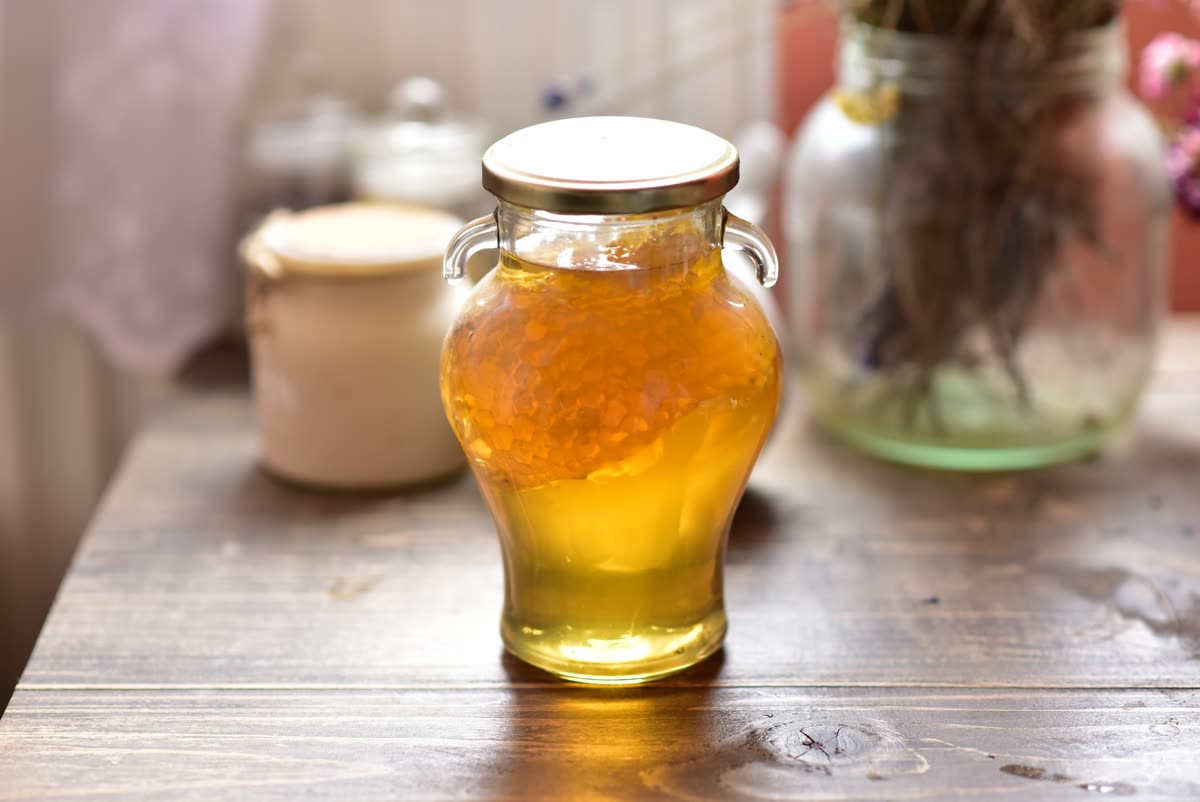
Honey is a supersaturated sugar solution made by bees that has been used on skin for thousands of years. In skin care it is a soothing, humectant mask and gentle cleanser; in medicine, sterilized medical-grade honey dressings have reasonable evidence for healing partial-thickness burns. A randomized trial in rosacea was positive, but one in acne was not — and kitchen honey should never be used on serious wounds.
Why people reach for it
- Humectant hydration. Sugars attract and hold water in the upper skin layers, leaving skin soft and plump after a mask.
- Wound healing (medical-grade only). Sterile, standardized honey dressings help partial-thickness burns heal faster than some conventional dressings — under medical supervision.
- Calming for rosacea. A medical-grade kanuka honey cream improved rosacea more than a control cream in a randomized trial.
- Gentle cleanser and mask base. Rinses off easily and pairs well with oats or turmeric in fresh masks.
How to use it
| Form | Typical use | Notes |
|---|---|---|
| Face mask | 1–2 teaspoons raw honey, alone or in a fresh mask | Apply to clean, damp skin for 10–20 minutes and rinse with warm water; see Turmeric & Honey Glow Mask. |
| Cleanser | A teaspoon massaged onto damp skin | Rinses easily; see Honey & Oat Gentle Cleanser. Make fresh each time. |
| In formulations | 1–10% as a humectant | Needs a broad-spectrum preservative in any water-containing product; see DIY Safety: Water, Microbes & Preservatives. |
| Wounds and burns | Medical-grade honey dressings only | Use under the guidance of a doctor or nurse; never kitchen honey on deep, large or infected wounds. See Scars, Wounds & Stretch Marks. |
Recipes for Dry & Dehydrated Skin with Honey
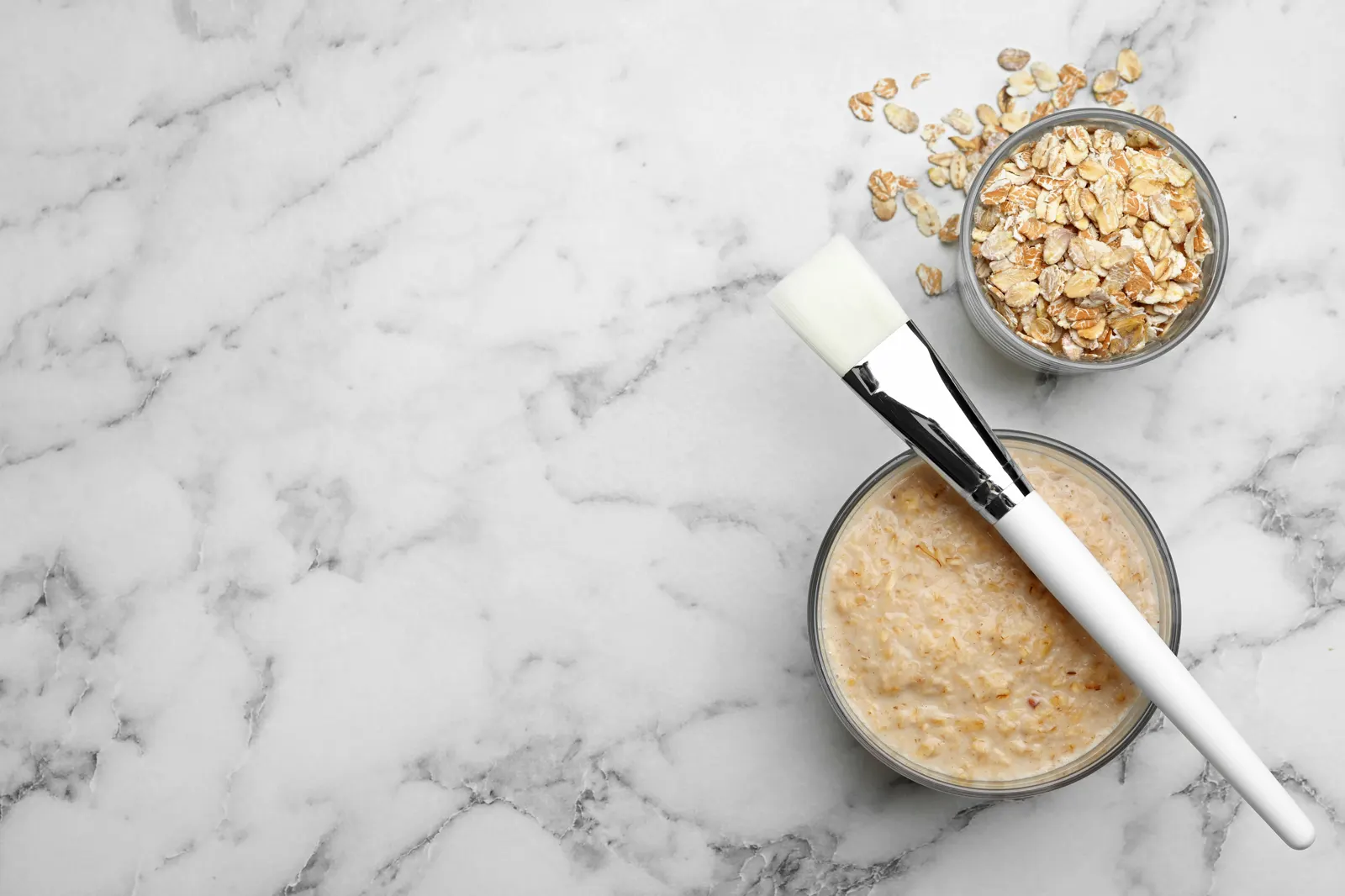 Mask · BeginnerCalming Oat & Chamomile MaskA soothing single-use paste of colloidal oatmeal, cooled chamomile tea, honey and aloe for skin that feels hot, tight or reactive.
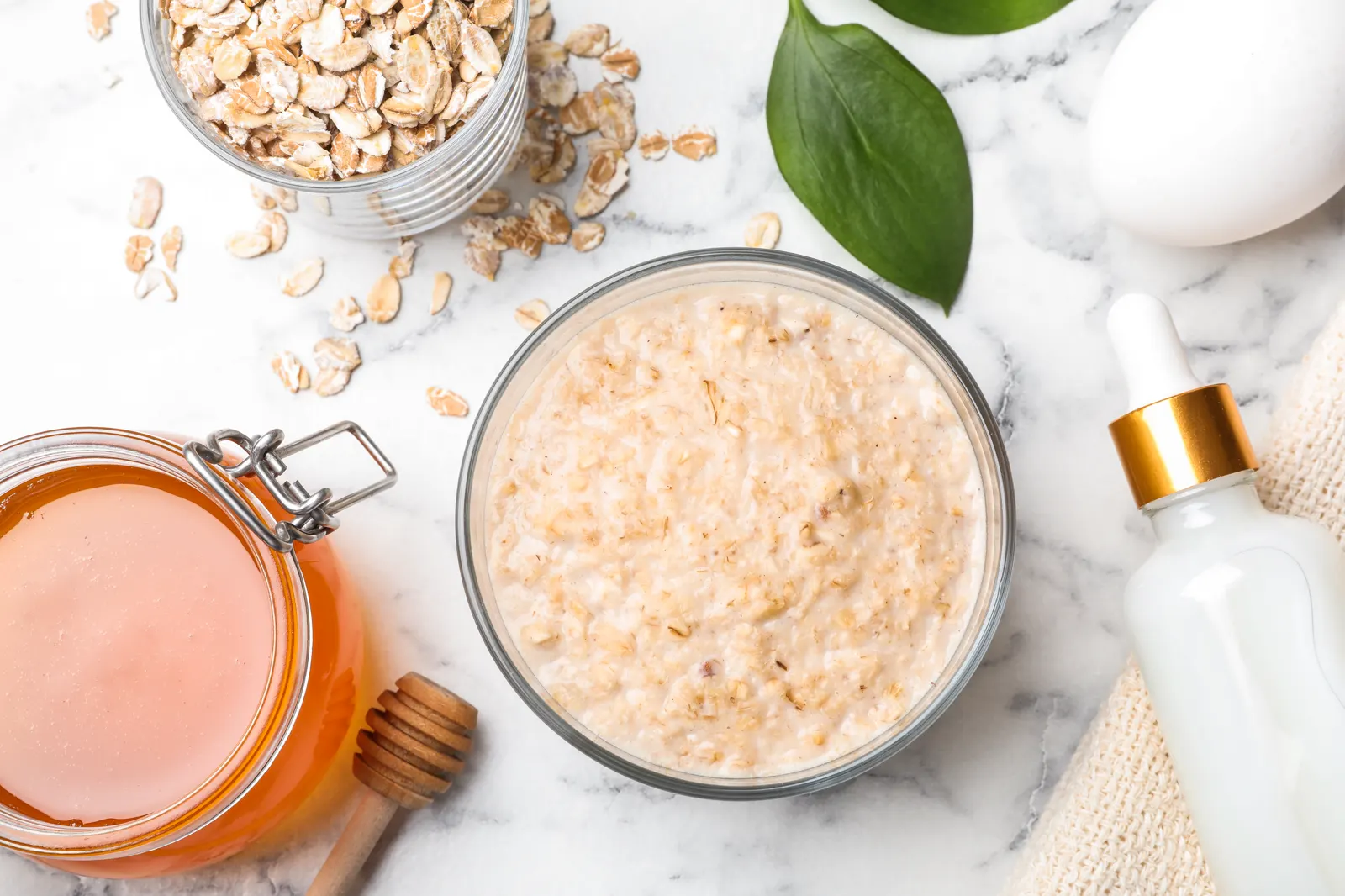 Cleanser · BeginnerHoney & Oat Gentle CleanserA no-foam, single-use cleansing paste of raw honey, colloidal oatmeal, rose water and jojoba for dry or sensitive skin that hates feeling squeaky.
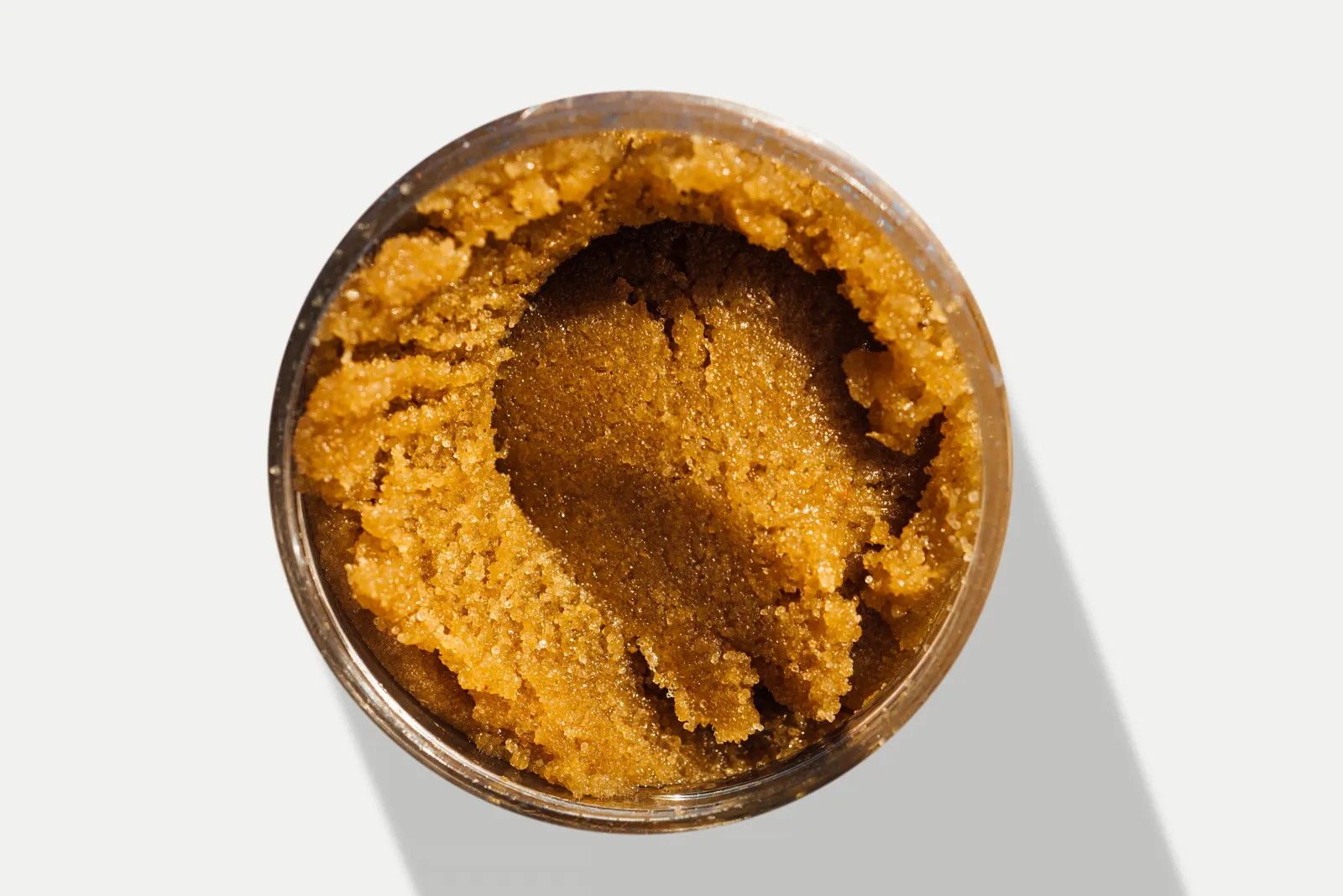 Lip care · BeginnerBrown Sugar & Honey Lip ScrubA two-minute lip scrub of soft brown sugar, honey and sweet almond oil that buffs away flakes and leaves lips smooth and ready for balm.
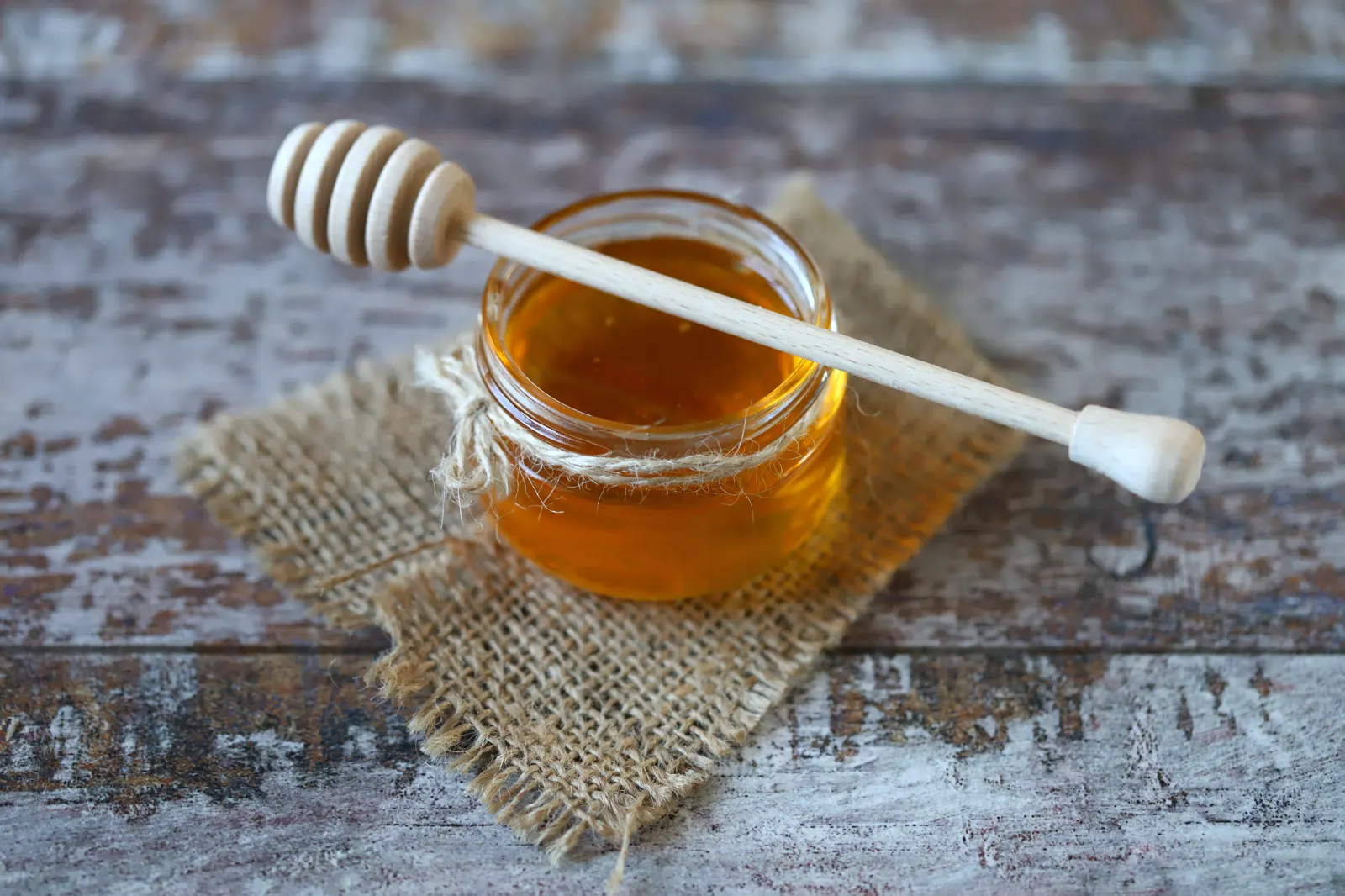 Mask · BeginnerHoney & Oat Glow MaskA creamy ten-minute mask of honey, finely ground oats and a little almond oil for skin that looks tired and feels tight. Fresh, single use.
Daily rituals with Honey
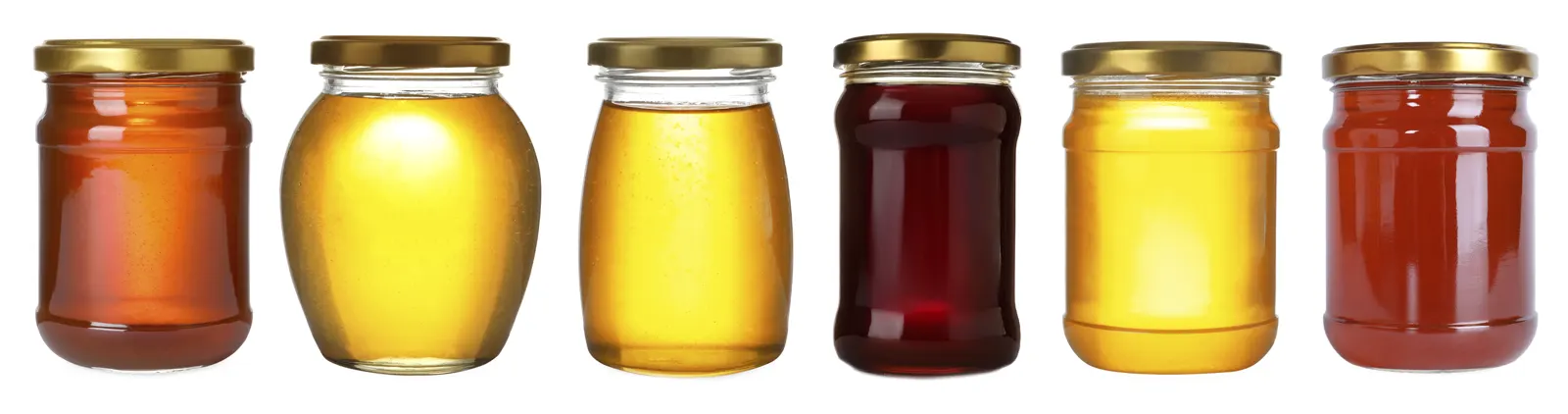 The Honey Mask: Medical-Grade or Supermarket Jar?A weekly honey mask for dry, dull or redness-prone skin, and the honest difference between medical-grade honey and the jar in your kitchen.
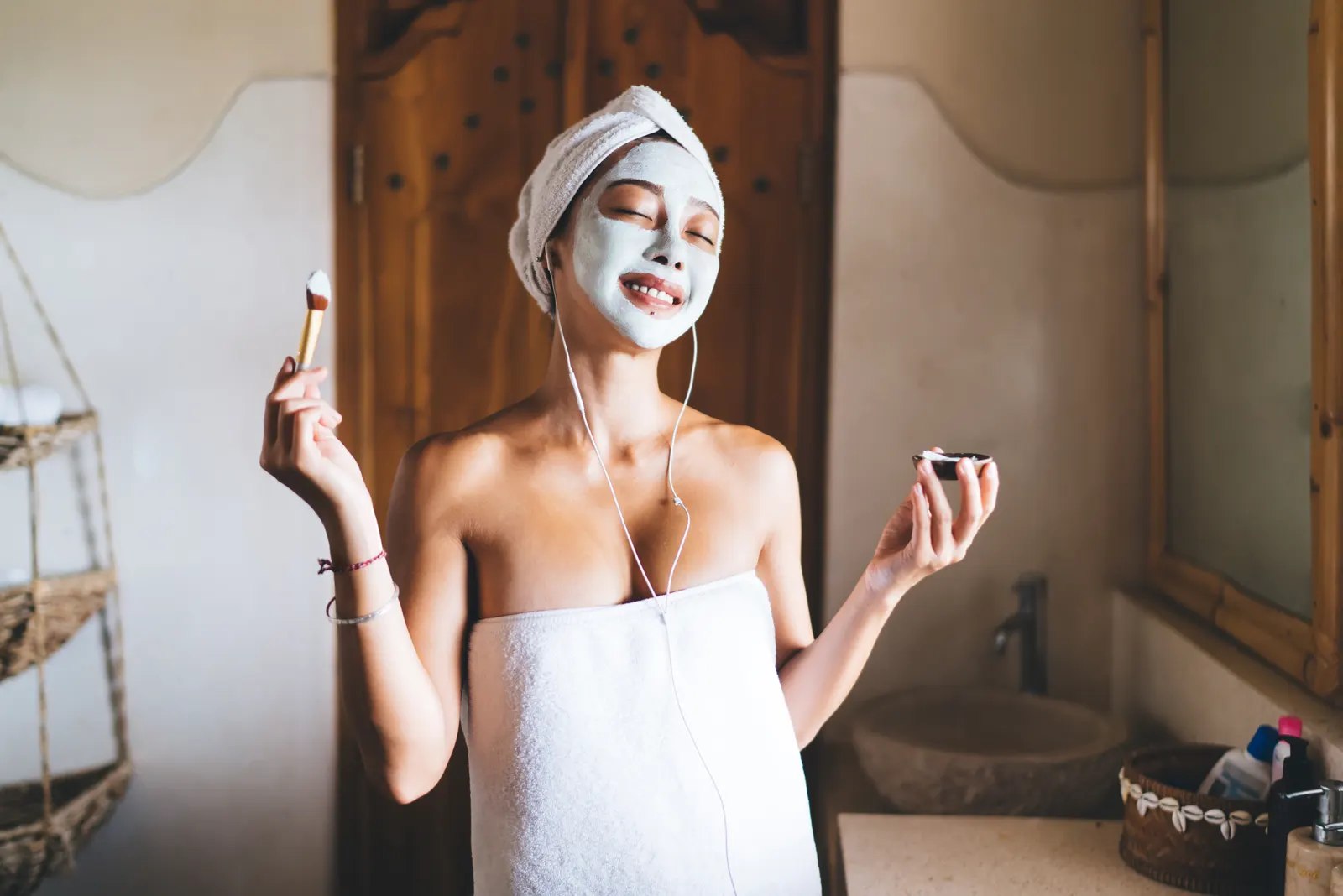 A Weekly Rhassoul Reset for Oily SkinA once-a-week Moroccan rhassoul clay mask for oily and combination skin, with the winter rule that keeps it from over-drying.
Use it safely
- Do not use kitchen honey on deep, large or infected wounds or burns — see a clinician; medical-grade honey is sterile and standardized.
- Bee-product allergies exist; reactions to honey are rare, but propolis and pollen contaminants are more allergenic. Patch test if you react to bee products.
- Never give honey by mouth to infants under 12 months (risk of infant botulism); keep honey masks away from babies’ mouths.
- Medical honey dressings can sting briefly on application.
- Honey diluted with water spoils: mix masks fresh and preserve any aqueous product.
Pregnancy and breastfeeding: Topical honey is safe in pregnancy and breastfeeding.
New to an ingredient? Patch test first.
When to see a doctor
- Dryness with intense itch that disturbs sleep, or red, inflamed patches (possible eczema or another dermatitis).
- Cracked, bleeding or weeping skin, or signs of infection (pain, warmth, yellow crusts, pus).
- Fish-scale-like dryness present since childhood (possible ichthyosis).
- New, persistent dryness with fatigue, weight change, feeling cold or hair thinning (thyroid), or with excessive thirst and urination (diabetes).
- Severe dryness in older adults with widespread itch that does not respond to moisturizers.
Other plants for Dry & Dehydrated Skin
| Ingredient | Grade | What the evidence shows |
|---|---|---|
| Colloidal Oatmeal | B | Multiple clinical studies show colloidal oatmeal creams and baths reduce dryness, scaling and itch; it is an approved skin protectant in the US. |
| Sunflower Oil | B | Linoleic-rich sunflower seed oil preserved stratum corneum integrity and improved hydration in a comparative study with olive oil, and supports barrier function in neonatal studies. |
| Coconut Oil | B | A randomized trial found virgin coconut oil as effective and safe as mineral oil for mild to moderate xerosis of the legs. |
| Shea Butter | C | Rich emollient and mild occlusive with anti-inflammatory triterpene esters; small studies of shea-containing creams support hydration. |
| Squalane | C | A skin-identical, stable, lightweight emollient that reduces roughness; excellent tolerability but limited trial data on its own. |
| Jojoba | C | A liquid wax ester that resembles skin’s own wax esters; small studies support barrier repair and softness. |
| Aloe Vera | C | A humectant gel that improved skin hydration in small studies; on its own it is not enough for very dry skin and needs an emollient on top. |
| Marshmallow Root | D | Mucilage polysaccharides form a soothing, humectant film; evidence is traditional and lab-based. |