Does it work?
Hibiscus for Dry, Damaged & Frizzy Hair
Ruby-red hibiscus makes a glossy final rinse that leaves hair shining with a hint of rosy warmth.
The short answer: Hair-growth data come from a rodent and follicle-culture study of H. rosa-sinensis; skin claims rest on in-vitro antioxidant and enzyme data.
Our Dry, Damaged & Frizzy Hair guide does not rank Hibiscus for this use yet, so this is the overall grade for Hibiscus.
What Hibiscus can do for Dry, Damaged & Frizzy Hair
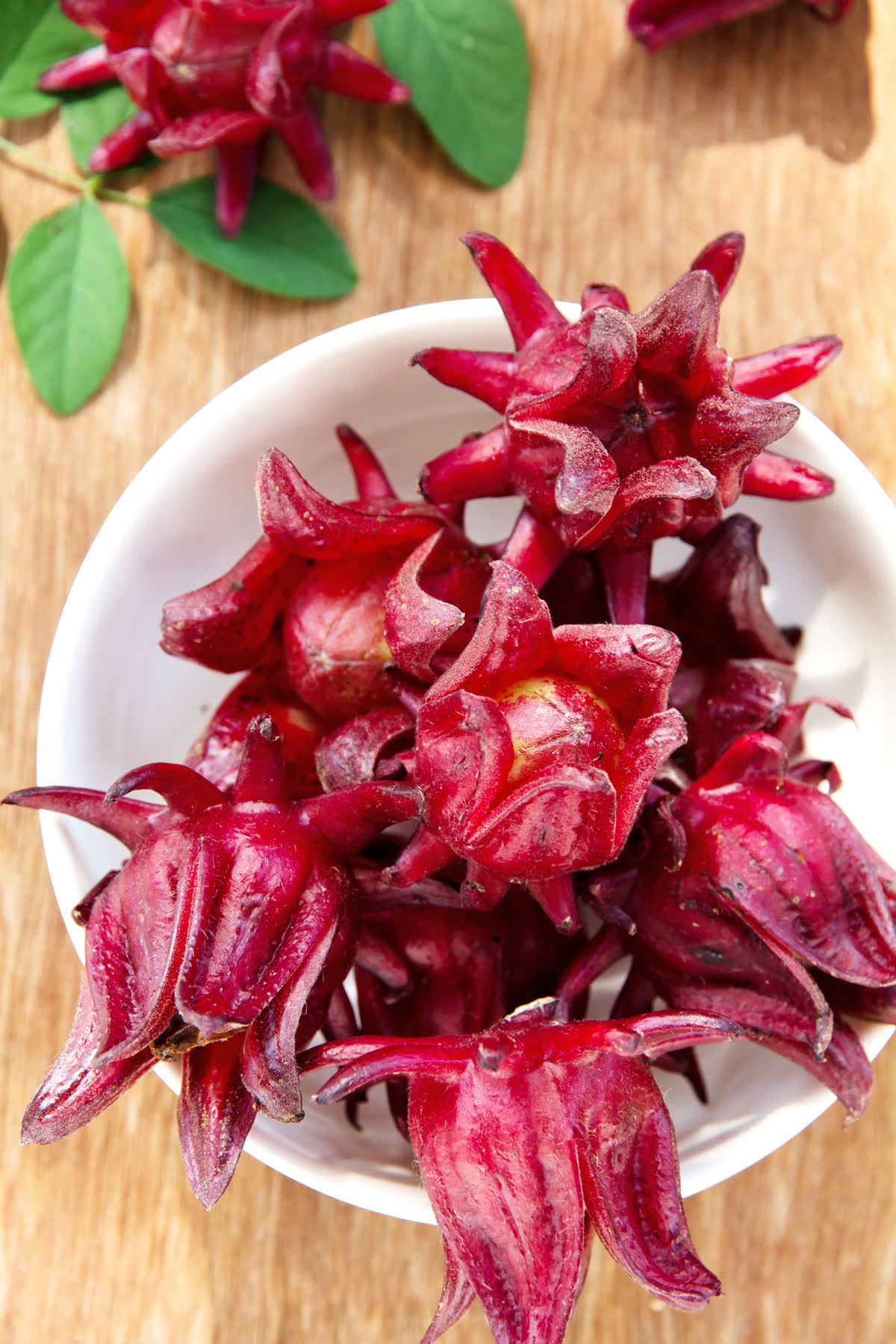
Two hibiscuses meet in beauty: roselle (Hibiscus sabdariffa), whose ruby calyces make the tart drink karkadé, and Chinese hibiscus (H. rosa-sinensis), a traditional Indian hair herb. Roselle infusions are naturally acidic, so they make a cuticle-smoothing, shine-boosting final rinse. The idea that hibiscus regrows hair comes from rodent and lab studies; it has not been shown in people.
Why people reach for it
- Shine-boosting acidic rinse. Roselle infusion is around pH 3, which helps flatten the hair cuticle after alkaline cleansers, improving shine and reducing frizz. See Dry, Damaged & Frizzy Hair.
- Antioxidant anthocyanins. Deep-red delphinidin and cyanidin glycosides are strong antioxidants in the lab.
- Slip and softness. Leaves and flowers of H. rosa-sinensis are mucilaginous, giving the traditional Indian hair paste its conditioning feel.
- Hair growth (animal data only). Extracts of H. rosa-sinensis promoted hair growth in rodents and in follicle culture; this has not been confirmed in humans.
How to use it
Try it today
A ruby shine rinse
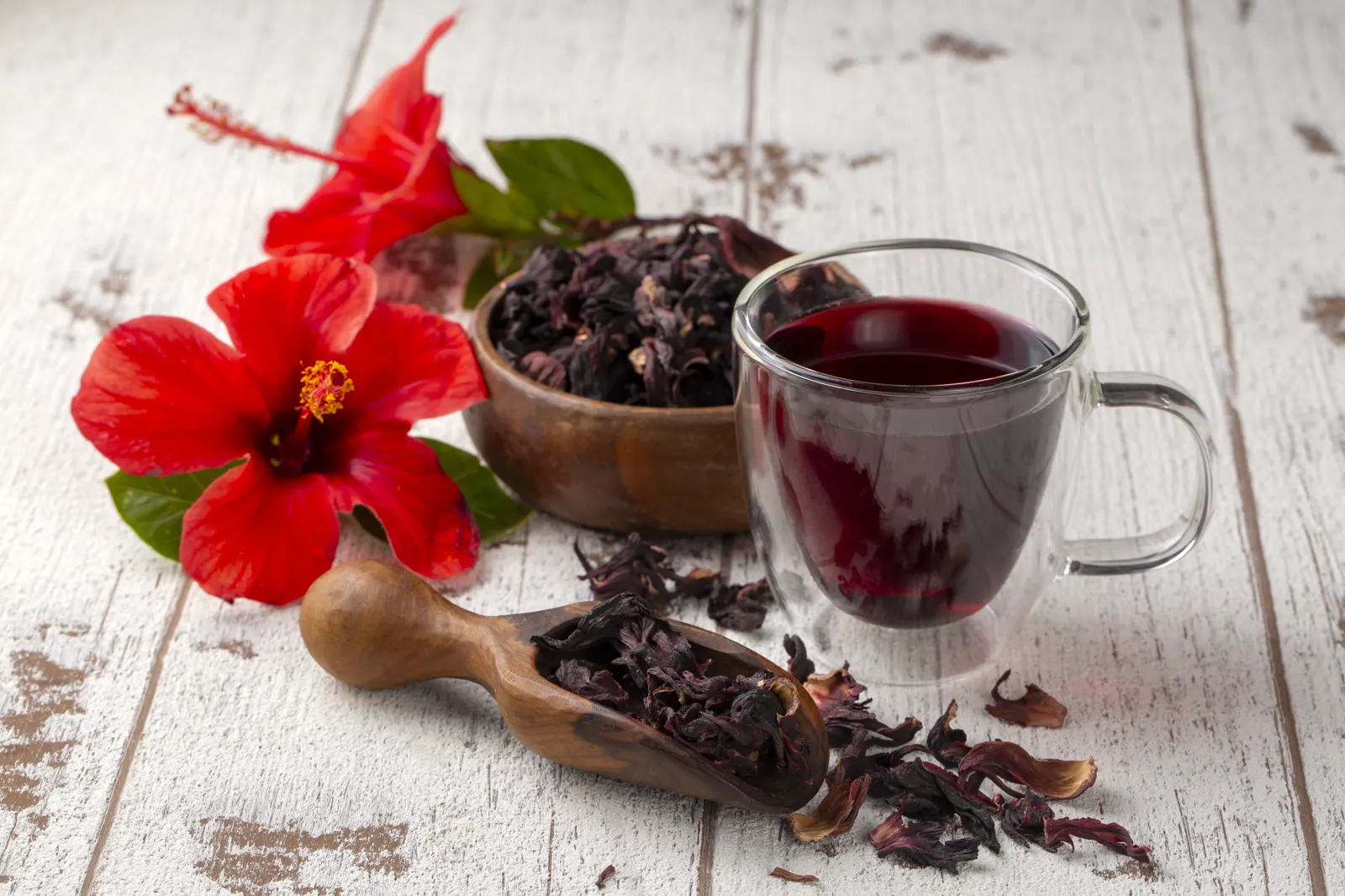
- Steep 5–10 g dried hibiscus calyces in 250 ml hot water, then let it cool.
- If your hair is light, bleached or gray, test on a hidden strand first.
- After conditioning, pour it through your hair, then discard any leftovers.
| Form | Typical use | Notes |
|---|---|---|
| Final hair rinse (roselle calyces) | 5–10 g dried calyces per 250 ml hot water, steeped and cooled | Pour through hair after conditioning; it may tint light, bleached or gray hair pink-red. Make fresh. See Hibiscus Shine Hair Rinse. |
| Hair mask (powder or crushed flowers/leaves) | 10–20% of a mask | Combine with fenugreek or amla (Indian gooseberry) for a traditional Indian-style pack; rinse well. |
| Extract in leave-on products | 1–3% (per supplier) | Color varies with pH; formulate acidic and protect from light. |
Recipes for Dry, Damaged & Frizzy Hair with Hibiscus
Daily rituals with Hibiscus
Use it safely
- Generally well tolerated; patch test if you have sensitive skin or plant allergies.
- Can stain light or bleached hair, towels and grout pink; test on a hidden strand first.
- Strong acidic rinses can sting a scratched or freshly treated scalp; dilute if needed.
- Drinking large amounts of hibiscus tea can lower blood pressure and interact with some medicines; this does not apply to rinses.
Pregnancy and breastfeeding: Topical use is considered low-risk. Avoid large medicinal oral intakes in pregnancy, where data are limited.
New to an ingredient? Patch test first.
When to see a doctor
- Hair that breaks easily together with brittle nails, fatigue, heavy periods or feeling cold (possible iron deficiency or thyroid disease).
- Breakage in patches, or hair loss with scalp symptoms — it may not be breakage at all; see Thinning Hair & Hair Loss.
- Scalp burns, blisters or severe itching after relaxers, dyes or bleach.
- Hair that has always been fragile or breaks at a short length since childhood (possible hair shaft disorder).
Other plants for Dry, Damaged & Frizzy Hair
| Ingredient | Grade | What the evidence shows |
|---|---|---|
| Coconut Oil | C | Hair-fiber lab studies show coconut oil penetrates the shaft and reduces protein loss when used before and after washing — unlike mineral or sunflower oil; human trials are lacking. |
| Argan Oil | C | A lab study on dyed hair fibers found argan oil improved fiber quality after repeated coloring; supports its use as a finishing and pre-wash oil. |
| Shea Butter | D | A rich sealant that reduces frizz and adds softness, especially for coily hair; evidence is practical and traditional. |
| Olive Oil | D | Traditionally used across the Mediterranean as a pre-wash treatment; limited lab data suggest some penetration, less than coconut oil. |
| Marshmallow Root | D | Mucilage gives slip for detangling, popular in curly-hair routines; evidence is traditional and anecdotal. |
| Jojoba | D | A light liquid wax that adds shine without much weight, suiting fine hair; little formal evidence. |