Does it work?
Marshmallow Root for Dry, Damaged & Frizzy Hair
What the research says about marshmallow root for dry, damaged & frizzy hair, how to use it at home and how to stay safe.
The short answer: Mucilage gives slip for detangling, popular in curly-hair routines; evidence is traditional and anecdotal.
What it does
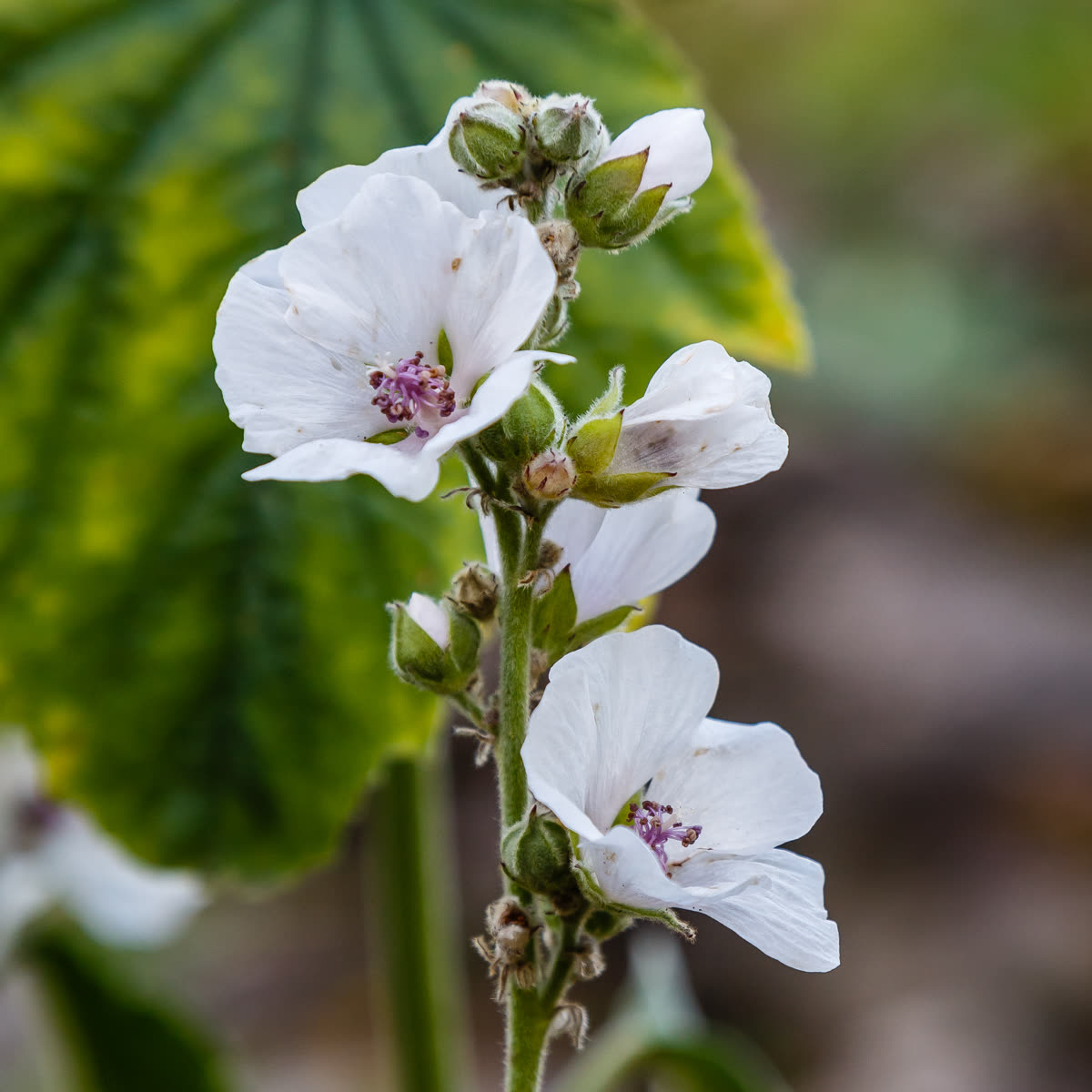
Soak marshmallow root in cool water and it turns slippery: that mucilage is the whole point. On skin it forms a light, moisture-holding film that soothes, and on hair it adds “slip” for detangling, which is why it is a favorite of curly-hair routines. It is one of the gentlest botanicals there is, though its benefits are supported by chemistry and lab studies rather than clinical trials.
Why people reach for it
- Soothing, hydrating film. Mucilage polysaccharides bind water and leave a soft film that reduces the feel of tightness on dry or irritated skin.
- Slip for detangling. A cold-water extract makes hair slippery, helping combs and fingers glide through curls with less breakage. See Dry, Damaged & Frizzy Hair.
- Gentle enough for reactive skin. Allergy is very rare, making it a good base for products for Sensitive Skin & Redness.
- Supports skin cells (lab data). Root extracts and polysaccharides stimulated keratinocyte activity in vitro, consistent with its traditional use on irritated skin and mucous membranes.
How to use it
| Form | Typical use | Notes |
|---|---|---|
| Cold-water macerate (hair slip rinse) | 2–5 g cut root per 250 ml cool water, steeped 4–12 h in the fridge | Strain, use the same day as a detangling rinse or leave-in base, and discard leftovers: mucilage spoils quickly. |
| Extract or glycerite in creams, gels and toners | 1–5% (per supplier) | Any water-based product needs a broad-spectrum preservative; see DIY Safety: Water, Microbes & Preservatives. |
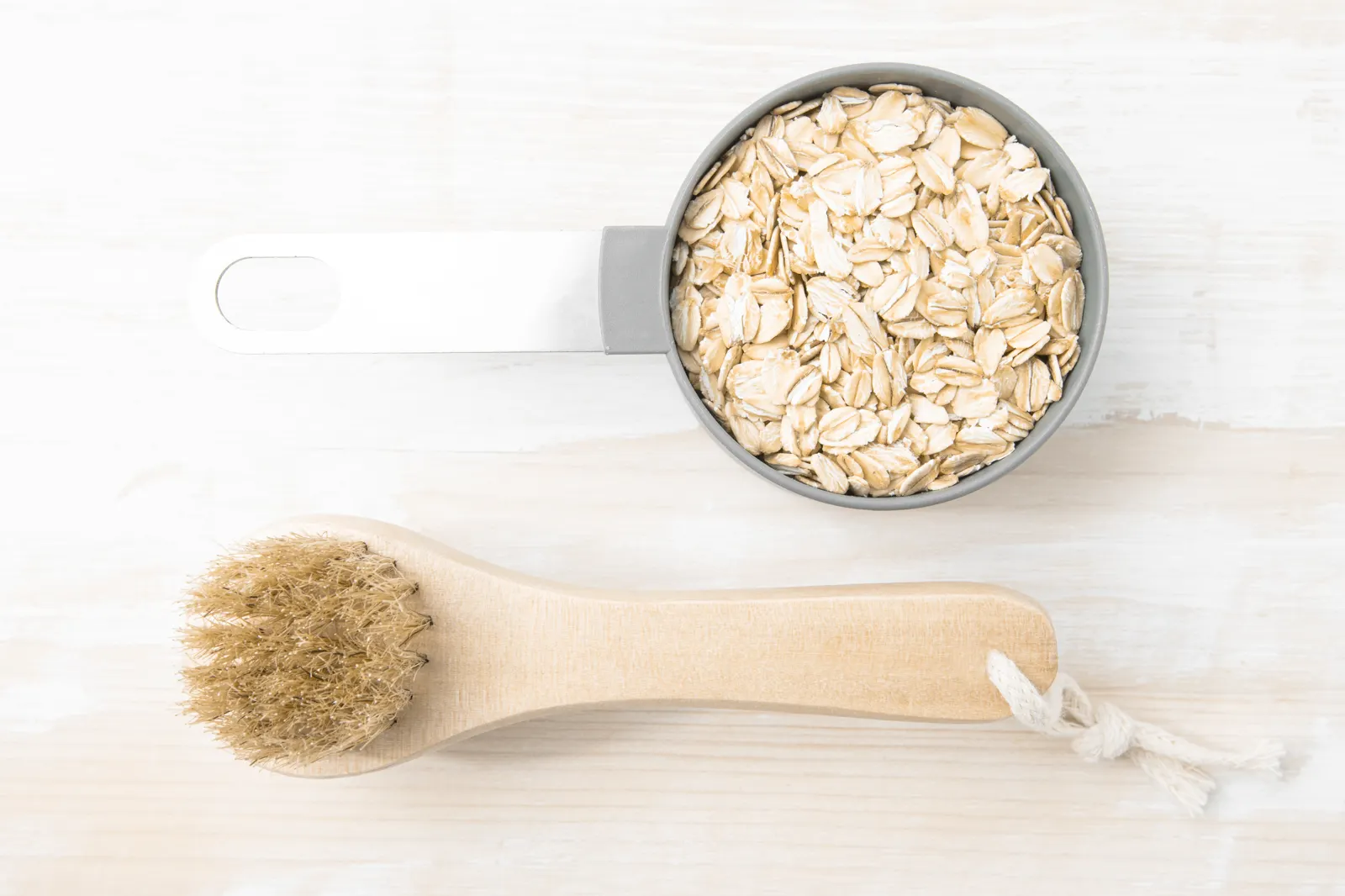
| Root powder in masks | 5–15% of a clay or oat mask | Adds slip and softness to colloidal oatmeal or clay masks; mix fresh. |
Recipes with Marshmallow Root
Use it safely
- Very well tolerated topically; allergy is rare but possible, so patch test if you have many plant allergies.
- Water-based homemade infusions grow microbes within a day or two at room temperature: make fresh or preserve properly.
- When taken orally, mucilage can slow absorption of other medicines; this does not apply to topical use.
Pregnancy and breastfeeding: Topical use is considered low-risk; there are no specific safety studies in pregnancy.
New to an ingredient? Patch test first.
When to see a doctor
- Hair that breaks easily together with brittle nails, fatigue, heavy periods or feeling cold (possible iron deficiency or thyroid disease).
- Breakage in patches, or hair loss with scalp symptoms — it may not be breakage at all; see Thinning Hair & Hair Loss.
- Scalp burns, blisters or severe itching after relaxers, dyes or bleach.
- Hair that has always been fragile or breaks at a short length since childhood (possible hair shaft disorder).
Other plants for Dry, Damaged & Frizzy Hair
| Ingredient | Grade | What the evidence shows |
|---|---|---|
| Coconut Oil | C | Hair-fiber lab studies show coconut oil penetrates the shaft and reduces protein loss when used before and after washing — unlike mineral or sunflower oil; human trials are lacking. |
| Argan Oil | C | A lab study on dyed hair fibers found argan oil improved fiber quality after repeated coloring; supports its use as a finishing and pre-wash oil. |
| Shea Butter | D | A rich sealant that reduces frizz and adds softness, especially for coily hair; evidence is practical and traditional. |
| Olive Oil | D | Traditionally used across the Mediterranean as a pre-wash treatment; limited lab data suggest some penetration, less than coconut oil. |
| Jojoba | D | A light liquid wax that adds shine without much weight, suiting fine hair; little formal evidence. |