Does it work?
Coconut Oil for Dry, Damaged & Frizzy Hair
What the research says about coconut oil for dry, damaged & frizzy hair, how to use it at home and how to stay safe.
The short answer: Hair-fiber lab studies show coconut oil penetrates the shaft and reduces protein loss when used before and after washing — unlike mineral or sunflower oil; human trials are lacking.
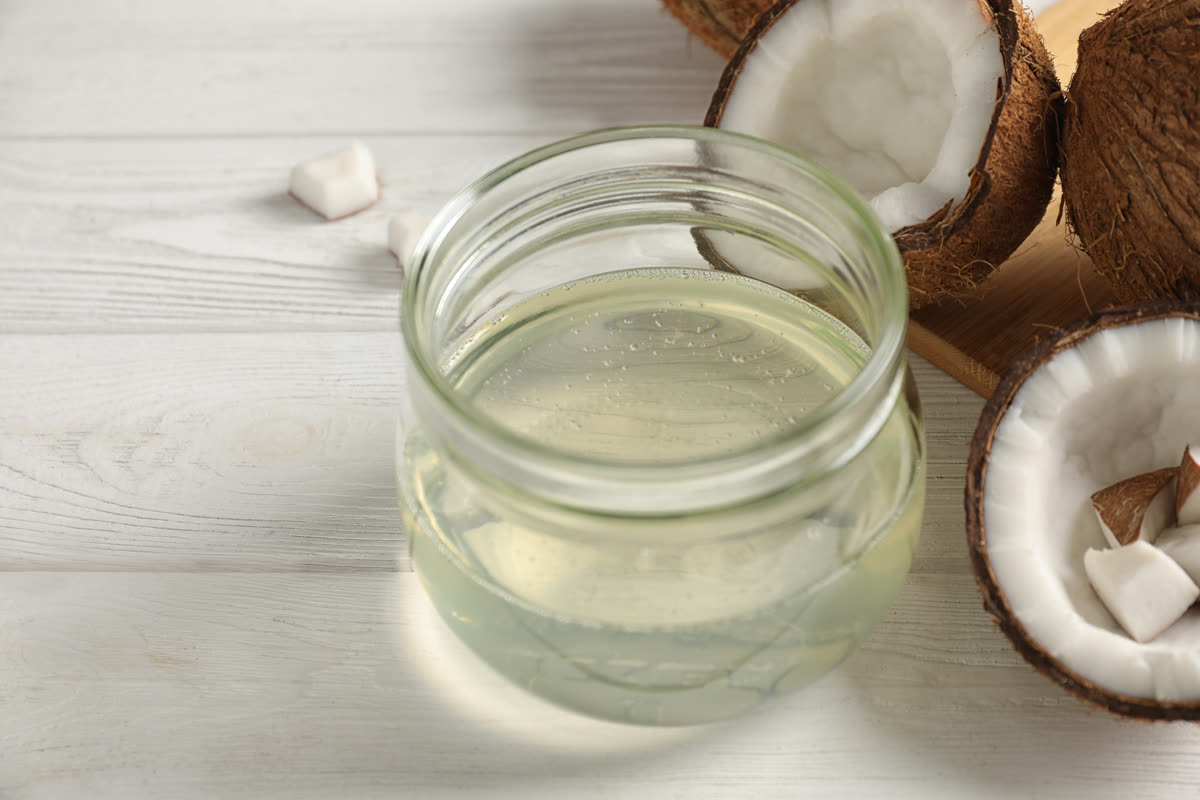
What it does
Coconut oil is a saturated fat dominated by lauric acid, solid below about 24 °C and very resistant to rancidity. Unusually for a natural oil, it has reasonable clinical evidence: small randomized trials show virgin coconut oil works at least as well as mineral oil for dry skin and mild-to-moderate atopic dermatitis, and lab work shows it reduces protein loss from hair. It can be a problem on acne-prone facial skin.
Why people reach for it
- Moisturizes dry skin. In a randomized trial, virgin coconut oil improved xerosis as well as mineral oil, with no safety concerns.
- Helps mild-to-moderate eczema. In children with mild-to-moderate atopic dermatitis, virgin coconut oil reduced severity more than mineral oil over eight weeks.
- Reduces hair protein loss. Lauric acid is small and linear enough to penetrate the hair shaft; used before or after washing, coconut oil reduced protein loss from both damaged and undamaged hair.
- Stable and simple. Mostly saturated, so it resists oxidation and keeps well without additives.
How to use it
| Form | Typical use | Notes |
|---|---|---|
| Body moisturizer | Neat, a thin layer on damp skin | Melt a small amount in the palms; apply after bathing. Best for body, not acne-prone faces. |
| Pre-wash hair treatment | 1–2 teaspoons on lengths, 30 minutes to overnight before shampoo | The approach tested for reducing protein loss. Low-porosity or fine hair may feel coated; use less. |
| Balms and butters | 10–40% of an anhydrous formula | Adds slip and a firm-but-meltable texture; may make whipped butters soften in warm weather. |
| Cleansing balm | 20–50% of the oil phase | Dissolves makeup well; rinse or wipe thoroughly if you are breakout-prone. |
Recipes for Dry, Damaged & Frizzy Hair with Coconut Oil
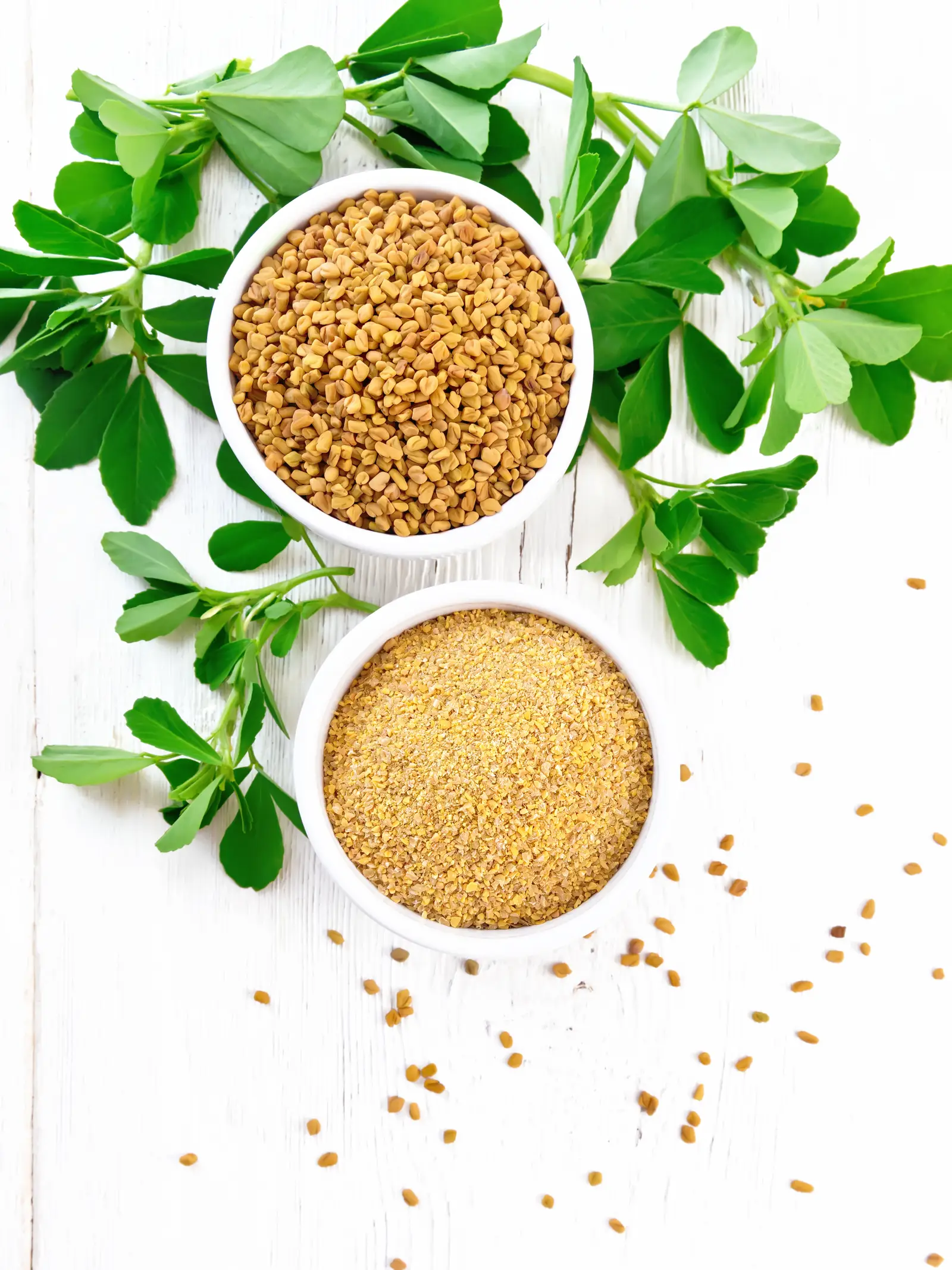 Hair care · BeginnerFenugreek & Amla Hair MaskAn Ayurveda-inspired pre-wash mask of fenugreek, amla, yogurt and coconut oil to soften, add slip and condition dry or frizzy hair.
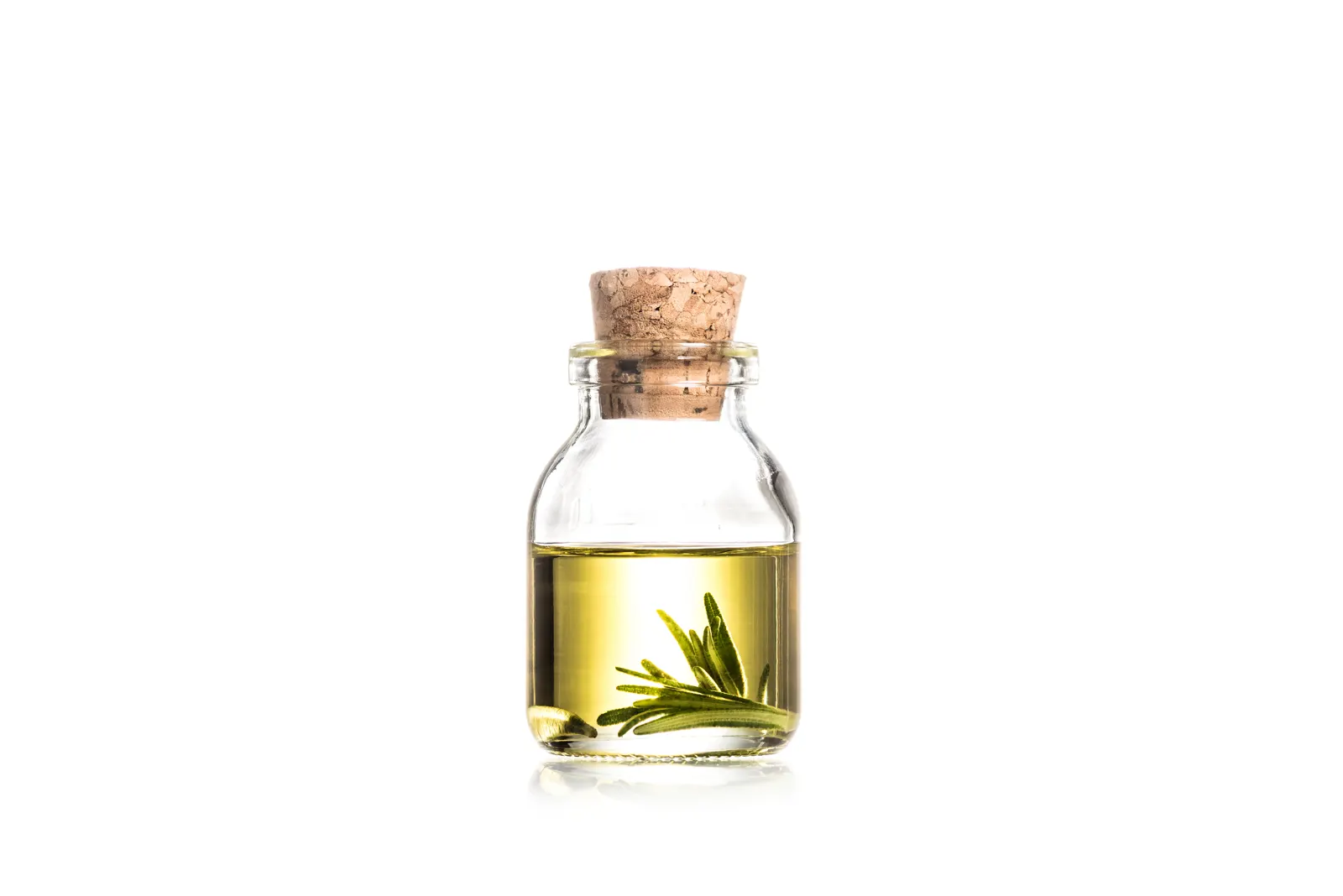 Hair care · BeginnerRosemary Pre-Wash Hair & Scalp OilA weekly pre-shampoo oil of sunflower, coconut and argan with 1% rosemary essential oil, massaged into scalp and lengths before wash day.
Daily rituals with Coconut Oil
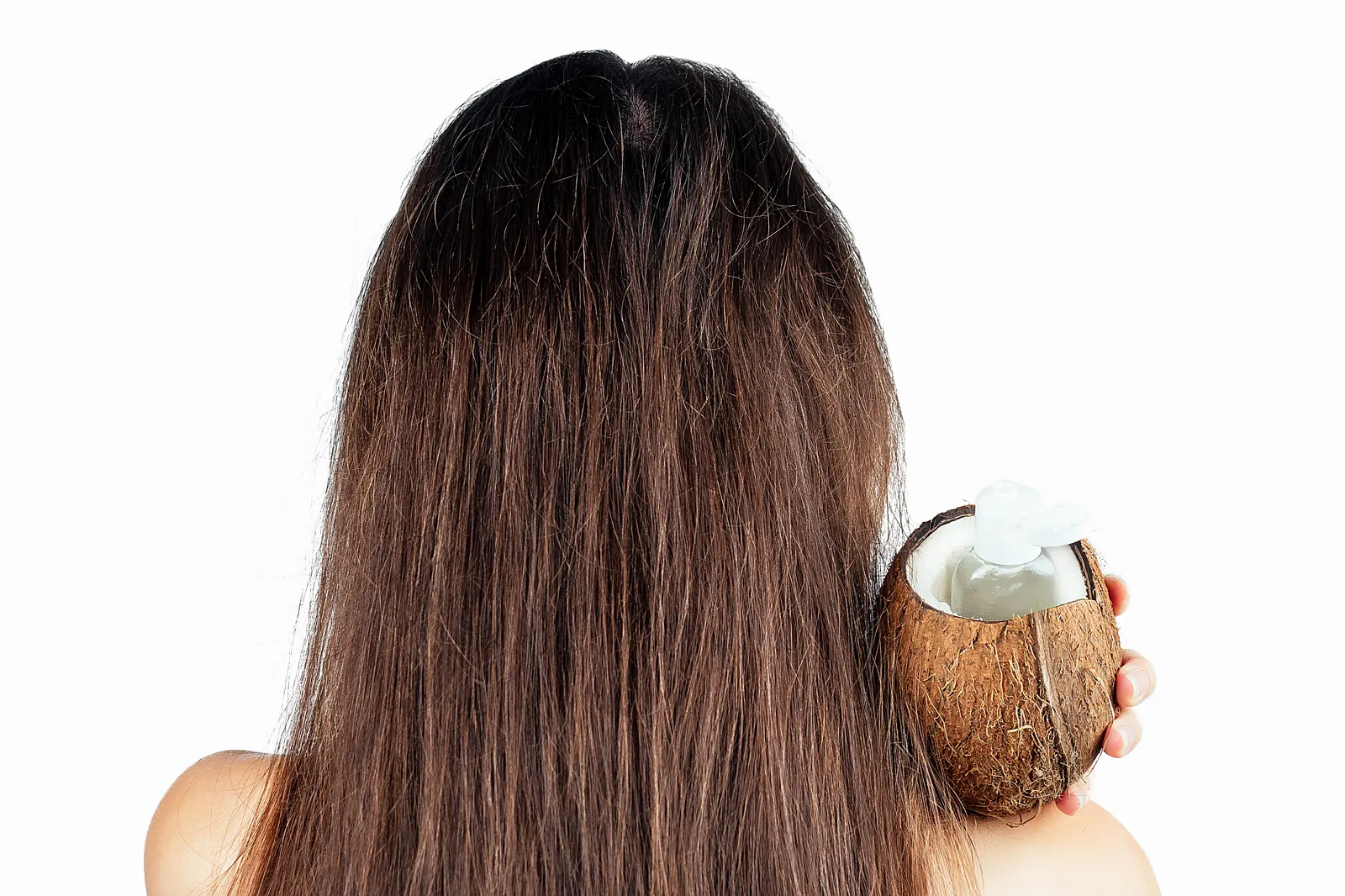 Coconut Oil Before ShampooA pre-shampoo coconut step using a labeled hair product and its own amount and contact time. Fiber evidence, yes; hair-growth evidence, no.
 Swimmer’s Hair: Wet, Coat, Cap, RinsePool water dries hair and can tint blondes green. A five-minute routine before and after you swim keeps lengths soft and color true.
Use it safely
- May trigger comedones on acne-prone facial skin — patch test on the jawline for two to three weeks before using on the whole face.
- Allergy to coconut oil itself is rare. Coconut-derived surfactants (e.g. cocamidopropyl betaine) are much more frequent contact allergens — they are different substances.
- It is not a sunscreen. See Sun Care & After-Sun.
- For infants or infected eczema (weeping, crusting, fever), see a doctor rather than self-treating.
Pregnancy and breastfeeding: Safe for topical use in pregnancy and breastfeeding.
New to an ingredient? Patch test first.
When to see a doctor
- Hair that breaks easily together with brittle nails, fatigue, heavy periods or feeling cold (possible iron deficiency or thyroid disease).
- Breakage in patches, or hair loss with scalp symptoms — it may not be breakage at all; see Thinning Hair & Hair Loss.
- Scalp burns, blisters or severe itching after relaxers, dyes or bleach.
- Hair that has always been fragile or breaks at a short length since childhood (possible hair shaft disorder).
Other plants for Dry, Damaged & Frizzy Hair
| Ingredient | Grade | What the evidence shows |
|---|---|---|
| Argan Oil | C | A lab study on dyed hair fibers found argan oil improved fiber quality after repeated coloring; supports its use as a finishing and pre-wash oil. |
| Shea Butter | D | A rich sealant that reduces frizz and adds softness, especially for coily hair; evidence is practical and traditional. |
| Olive Oil | D | Traditionally used across the Mediterranean as a pre-wash treatment; limited lab data suggest some penetration, less than coconut oil. |
| Marshmallow Root | D | Mucilage gives slip for detangling, popular in curly-hair routines; evidence is traditional and anecdotal. |
| Jojoba | D | A light liquid wax that adds shine without much weight, suiting fine hair; little formal evidence. |