Does it work?
Hibiscus for Aging & Photoaging
What the research says about hibiscus for aging & photoaging, how to use it at home and how to stay safe.
The short answer: Hair-growth data come from a rodent and follicle-culture study of H. rosa-sinensis; skin claims rest on in-vitro antioxidant and enzyme data.
Our Aging & Photoaging guide does not rank Hibiscus for this use yet, so this is the overall grade for Hibiscus.
What it does
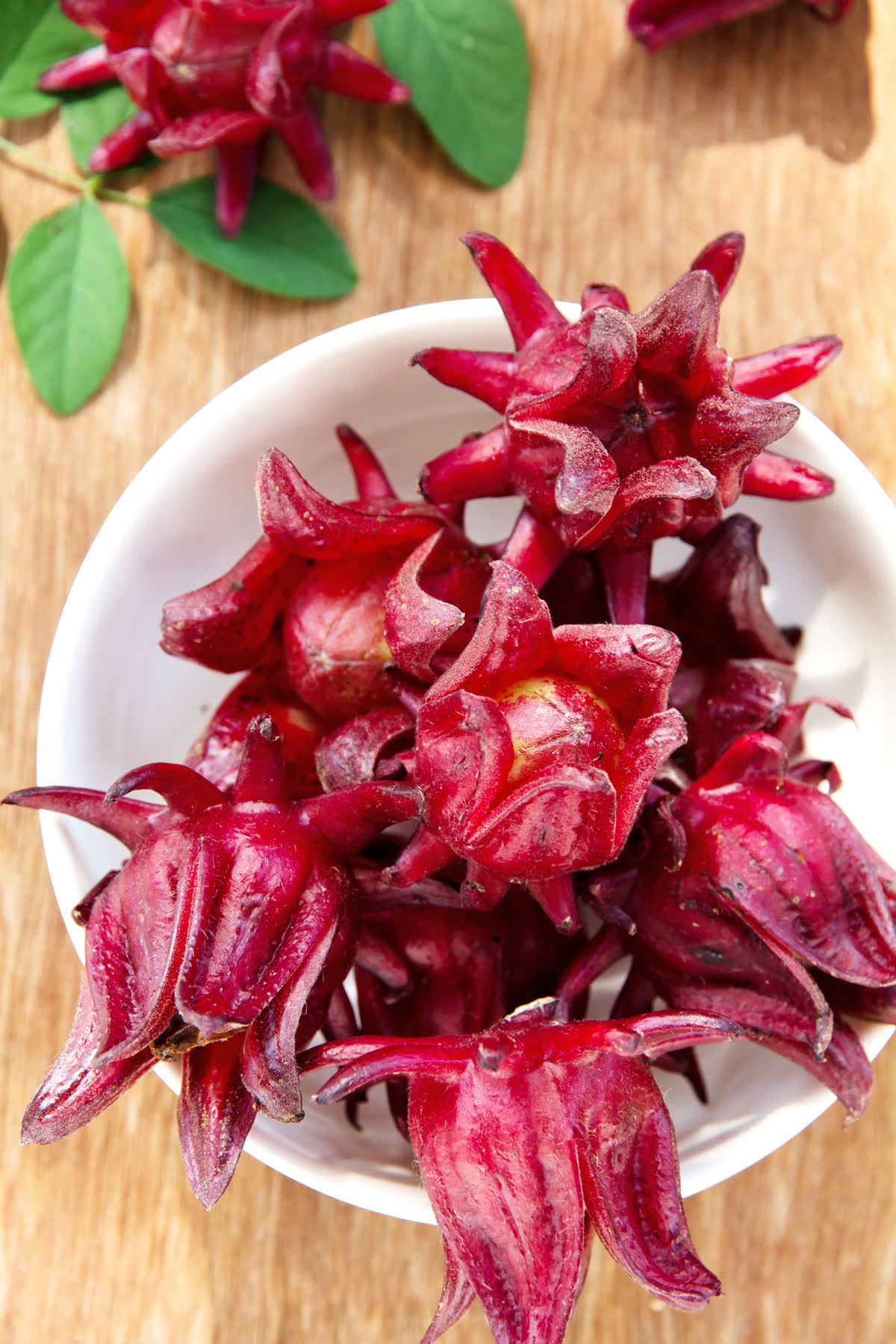
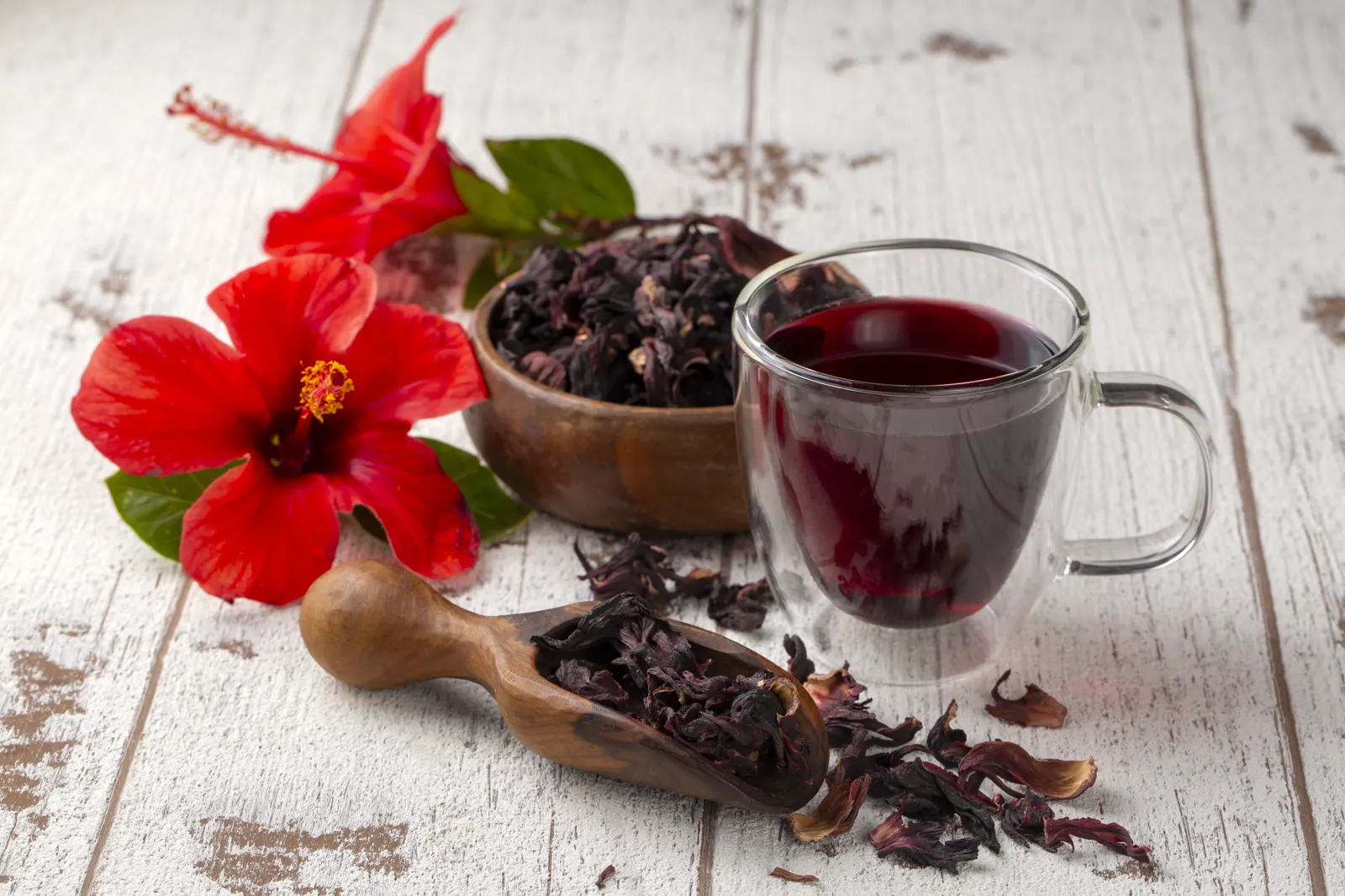
Two hibiscuses meet in beauty: roselle (Hibiscus sabdariffa), whose ruby calyces make the tart drink karkadé, and Chinese hibiscus (H. rosa-sinensis), a traditional Indian hair herb. Roselle infusions are naturally acidic, so they make a cuticle-smoothing, shine-boosting final rinse. The idea that hibiscus regrows hair comes from rodent and lab studies; it has not been shown in people.
Why people reach for it
- Shine-boosting acidic rinse. Roselle infusion is around pH 3, which helps flatten the hair cuticle after alkaline cleansers, improving shine and reducing frizz. See Dry, Damaged & Frizzy Hair.
- Antioxidant anthocyanins. Deep-red delphinidin and cyanidin glycosides are strong antioxidants in the lab.
- Slip and softness. Leaves and flowers of H. rosa-sinensis are mucilaginous, giving the traditional Indian hair paste its conditioning feel.
- Hair growth (animal data only). Extracts of H. rosa-sinensis promoted hair growth in rodents and in follicle culture; this has not been confirmed in humans.
How to use it
| Form | Typical use | Notes |
|---|---|---|
| Final hair rinse (roselle calyces) | 5–10 g dried calyces per 250 ml hot water, steeped and cooled | Pour through hair after conditioning; it may tint light, bleached or gray hair pink-red. Make fresh. See Hibiscus Shine Hair Rinse. |
| Hair mask (powder or crushed flowers/leaves) | 10–20% of a mask | Combine with fenugreek or amla (Indian gooseberry) for a traditional Indian-style pack; rinse well. |
| Extract in leave-on products | 1–3% (per supplier) | Color varies with pH; formulate acidic and protect from light. |
Recipes with Hibiscus
Daily rituals with Hibiscus
Use it safely
- Generally well tolerated; patch test if you have sensitive skin or plant allergies.
- Can stain light or bleached hair, towels and grout pink; test on a hidden strand first.
- Strong acidic rinses can sting a scratched or freshly treated scalp; dilute if needed.
- Drinking large amounts of hibiscus tea can lower blood pressure and interact with some medicines; this does not apply to rinses.
Pregnancy and breastfeeding: Topical use is considered low-risk. Avoid large medicinal oral intakes in pregnancy, where data are limited.
New to an ingredient? Patch test first.
When to see a doctor
- A new or changing mole or spot, especially using the ABCDE signs (asymmetry, irregular border, uneven color, diameter over 6 mm, evolving).
- Rough, scaly patches on sun-exposed skin that persist (possible actinic keratoses).
- A pearly or shiny bump, a sore that does not heal within 3–4 weeks, or a lesion that bleeds easily.
- Sudden skin thinning, easy bruising or stretch marks that may be medication-related (e.g. long-term steroids).
- If you want prescription retinoids or in-office treatments, or are unsure which actives are safe for you.
Other plants for Aging & Photoaging
| Ingredient | Grade | What the evidence shows |
|---|---|---|
| Bakuchiol | B | A randomized, double-blind trial found 0.5% bakuchiol twice daily comparable to 0.5% retinol for wrinkles and pigmentation over 12 weeks, with less stinging; it is not a true retinoid and is less studied. |
| Green Tea | B | Topical green tea polyphenols reduce UV-induced redness and DNA damage in human skin; trials for wrinkles show mixed, modest results. |
| Centella Asiatica (Cica) | C | Madecassoside and asiaticoside stimulate collagen in the lab; small trials of centella-containing creams showed improved firmness, mostly in combination products. |
| Argan Oil | C | A small study in postmenopausal women found improved elasticity with argan oil (oral and topical arms); useful as an emollient. |
| Rosehip Oil | C | Rich in linoleic acid and carotenoids; small studies (mainly of oral rosehip powder) suggest improved skin texture. Topical anti-wrinkle data are thin. |
| Frankincense | C | One small trial of a Boswellia serrata extract cream reported improvement in photoaging signs; needs replication. |
| Sea Buckthorn | D | High in antioxidants and omega-7 (palmitoleic acid), but clinical anti-aging evidence is minimal; unrefined oil stains orange. |