Hair care · Make it at home
Hibiscus Shine Hair Rinse
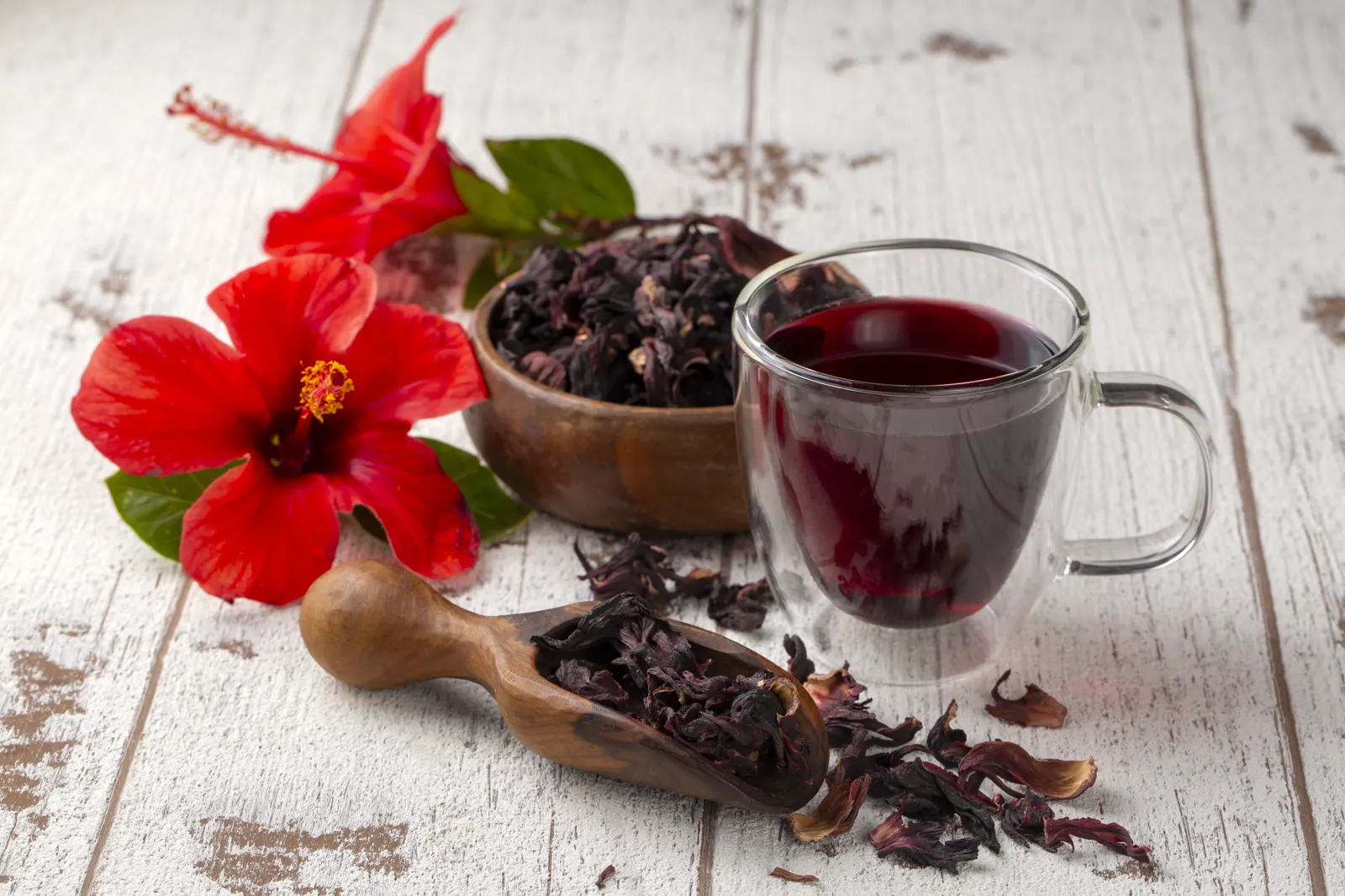
A tangy hibiscus and rosemary infusion poured over clean hair as a final rinse to smooth the cuticle and boost shine. Make it fresh each time.
- Time
- 30 min
- Level
- Beginner
- Makes
- 250 g
- Type
- Fresh · single use
- Keeps
- Single use — use the same day and discard leftovers
Formula
| Phase | Ingredient | % | Grams |
|---|---|---|---|
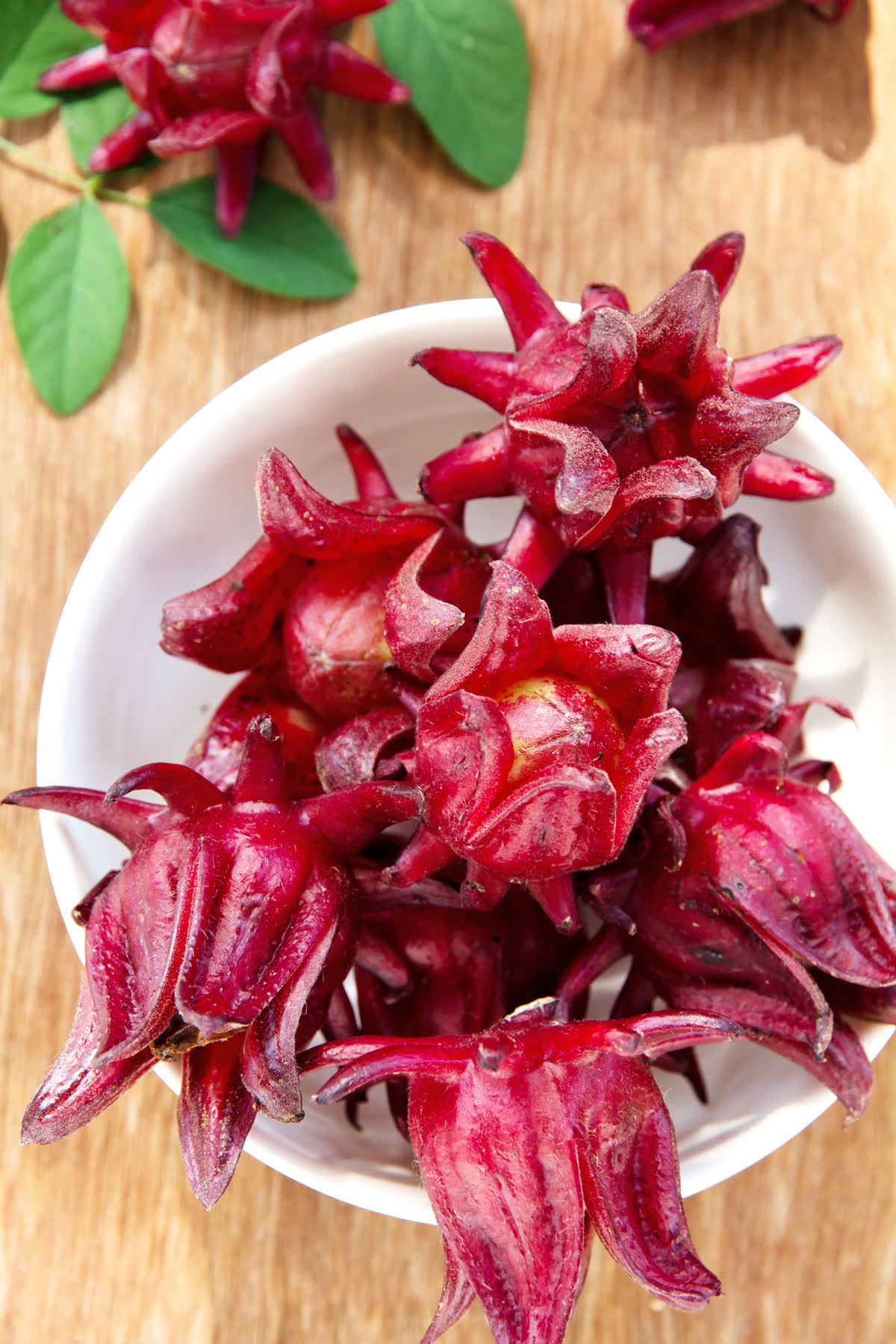
| A | Dried hibiscus (H. sabdariffa calyces or H. rosa-sinensis flowers)10 g; strained out before use | 4 | 10.00 |
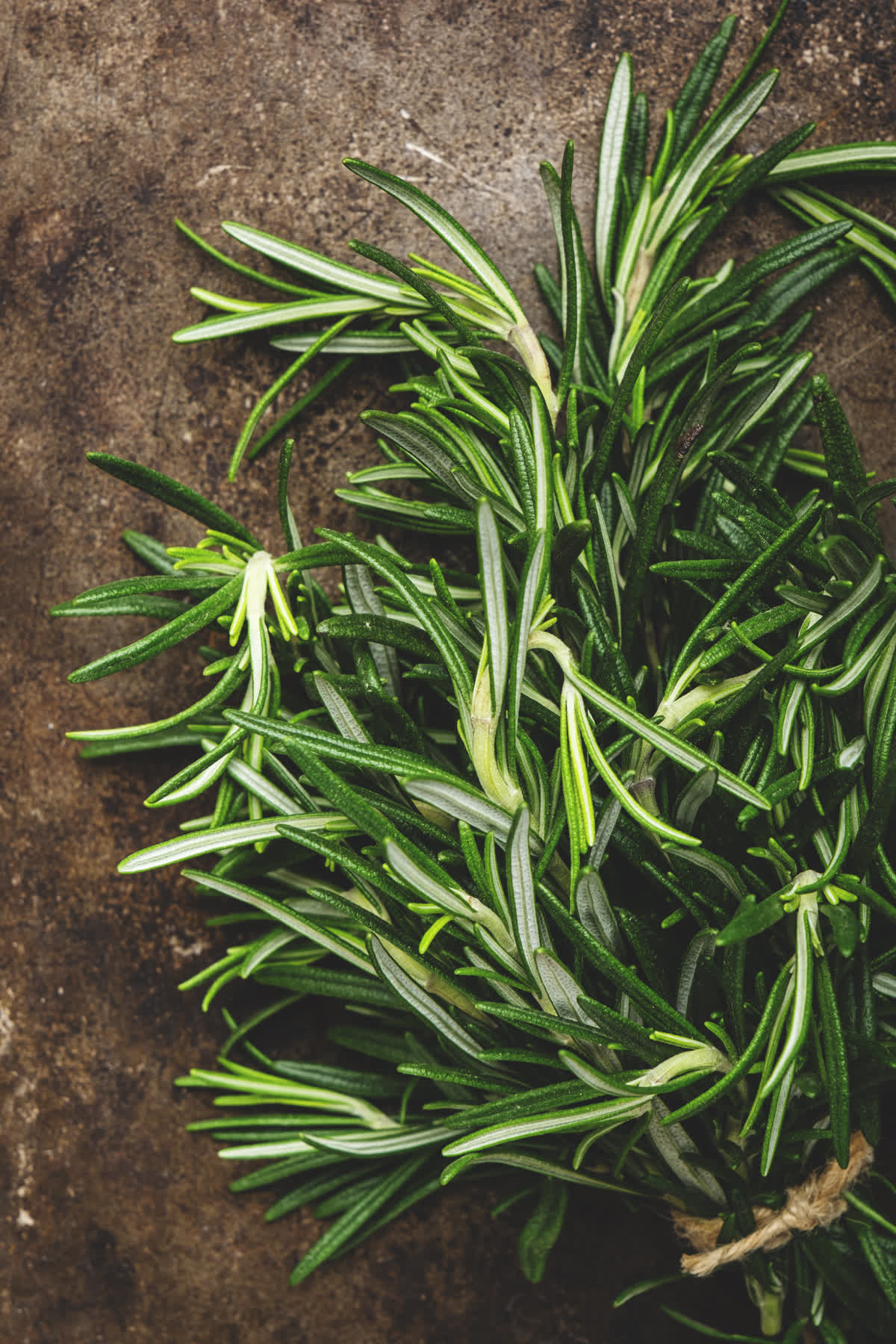
| A | Dried rosemary leaf (Salvia rosmarinus)2.5 g; optional | 1 | 2.50 |
| A | Water, freshly boiledFiltered or distilled if your tap water is hard | 95 | 237.50 |
| Total | 100.0 | 250.00 |
Weigh everything on a 0.01 g scale; volume measures are not accurate enough for actives or preservatives. Open in the formula & cost calculator.
Equipment
- Kettle
- Digital scale (1 g)
- Heat-proof jug with lid or plate
- Fine sieve or muslin
- pH strips (optional)
- Bowl to catch the rinse
- Dark towel
Method
- Weigh 10 g hibiscus and 2.5 g rosemary into a clean heat-proof jug and pour over 237.5 g freshly boiled water.
- Cover and steep 15–20 minutes until deep ruby red.
- Strain through a fine sieve or muslin, pressing the flowers, and let it cool to lukewarm.
- Optional: check the pH with a strip — hibiscus infusions usually read around pH 2.5–3.5. If your scalp is sensitive, dilute 1:1 with water.
- After shampoo (and conditioner if you use it), lean over a bowl and pour the rinse slowly over your hair, pouring it through 2–3 times and massaging it into the scalp.
- Leave 2–5 minutes, then rinse lightly with cool water. On dark hair you can leave it in for a hint of red — strand test first.
- Discard any leftover rinse.
Why it works
Hibiscus infusion is naturally acidic (hibiscus, citric and malic acids) and rich in anthocyanin pigments. A mildly acidic final rinse helps flatten the cuticle after alkaline cleansers, reducing frizz and static much like a vinegar rinse, and hibiscus mucilage adds a little slip. Rosemary is included for tradition and aroma. Hair-growth claims for hibiscus rest on animal studies only.
Safety notes
- Anthocyanins can tint blonde, gray or bleached hair pink-red and stain towels, grout and light fabrics — strand test first and use a dark towel.
- Keep it out of the eyes; the acidic rinse stings.
- Patch test if your skin is sensitive (How to Patch Test).
- Fresh and unpreserved: use the same day and discard leftovers. At this strength it is a rinse, not a drink.
Read DIY safety & preservation before making water-based products.
Variations
- Light or blonde hair: replace the hibiscus with chamomile flowers for a golden rinse with no red tint.
- Extra slip: blend a handful of fresh H. rosa-sinensis leaves into the cooled water and strain for a mucilaginous, conditioning rinse.
- Scalp routine: alternate with the Nettle & Rosemary Scalp Tonic.
Featured ingredients
Formulator
Selling what you make? Get the batch record, label template and cost sheet for this formula, plus a regulatory checklist for the EU, UK and US.
See Formulator membership