Does it work?
Argan Oil for Dry, Damaged & Frizzy Hair
What the research says about argan oil for dry, damaged & frizzy hair, how to use it at home and how to stay safe.
The short answer: A lab study on dyed hair fibers found argan oil improved fiber quality after repeated coloring; supports its use as a finishing and pre-wash oil.
What it does
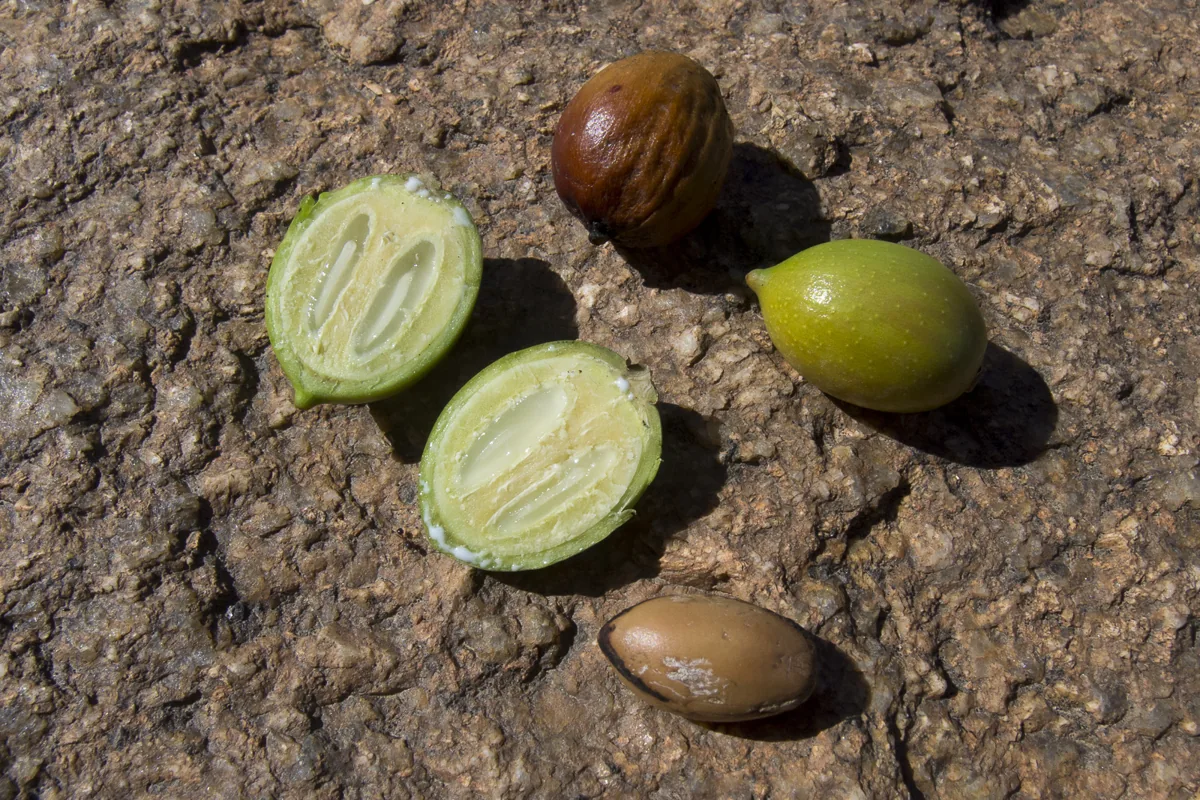
Argan oil is pressed from the kernels of the argan tree, which grows almost only in southwestern Morocco. It is a balanced, medium-weight oil — roughly equal parts oleic and linoleic acid — with generous natural vitamin E (mostly γ-tocopherol) and unusual plant sterols. The evidence is modest: it is a good, stable emollient for dry skin and frizz-prone hair rather than a uniquely powerful anti-aging oil. Its real distinction is cultural and ecological, rooted in Amazigh women’s know-how.
Why people reach for it
- Softens and comforts dry skin. Its balanced fatty-acid profile and sterols help reduce water loss and smooth rough skin without a heavy, greasy finish — a reliable choice in dry-skin routines.
- Tames frizz and adds shine. A few drops on mid-lengths and ends lubricate the cuticle, cut friction and reduce frizz and breakage — the best-understood benefit for dry hair.
- Good stability for a face oil. Natural tocopherols and only moderate polyunsaturated content give argan a longer shelf life than rosehip or prickly pear oil, so it makes a forgiving base for serums.
- Possible support for mature skin. One small, unblinded study in postmenopausal women reported improved elasticity where argan oil was applied — an interesting signal, not proof.
How to use it
| Form | Typical use | Notes |
|---|---|---|
| Face oil or serum | 2–4 drops neat, or 10–50% of an anhydrous serum | Press onto slightly damp skin or over a water-based moisturizer to seal. See Argan & Prickly Pear Night Serum. |
| Hair finishing oil | 2–5 drops on ends; 1–5% in leave-in products | For a pre-wash treatment, apply to lengths 30–60 minutes before shampooing. |
| Creams and lotions | 2–10% of the formula (in the oil phase) | Add tocopherol at 0.1–0.5% to extend shelf life. Use the Formula & Cost Calculator to balance the oil phase. |
| Body oil after the hammam | Neat, a teaspoon for the body | The traditional finish after black soap and rhassoul clay; see Moroccan Hammam Ritual at Home. |
Recipes for Dry, Damaged & Frizzy Hair with Argan Oil
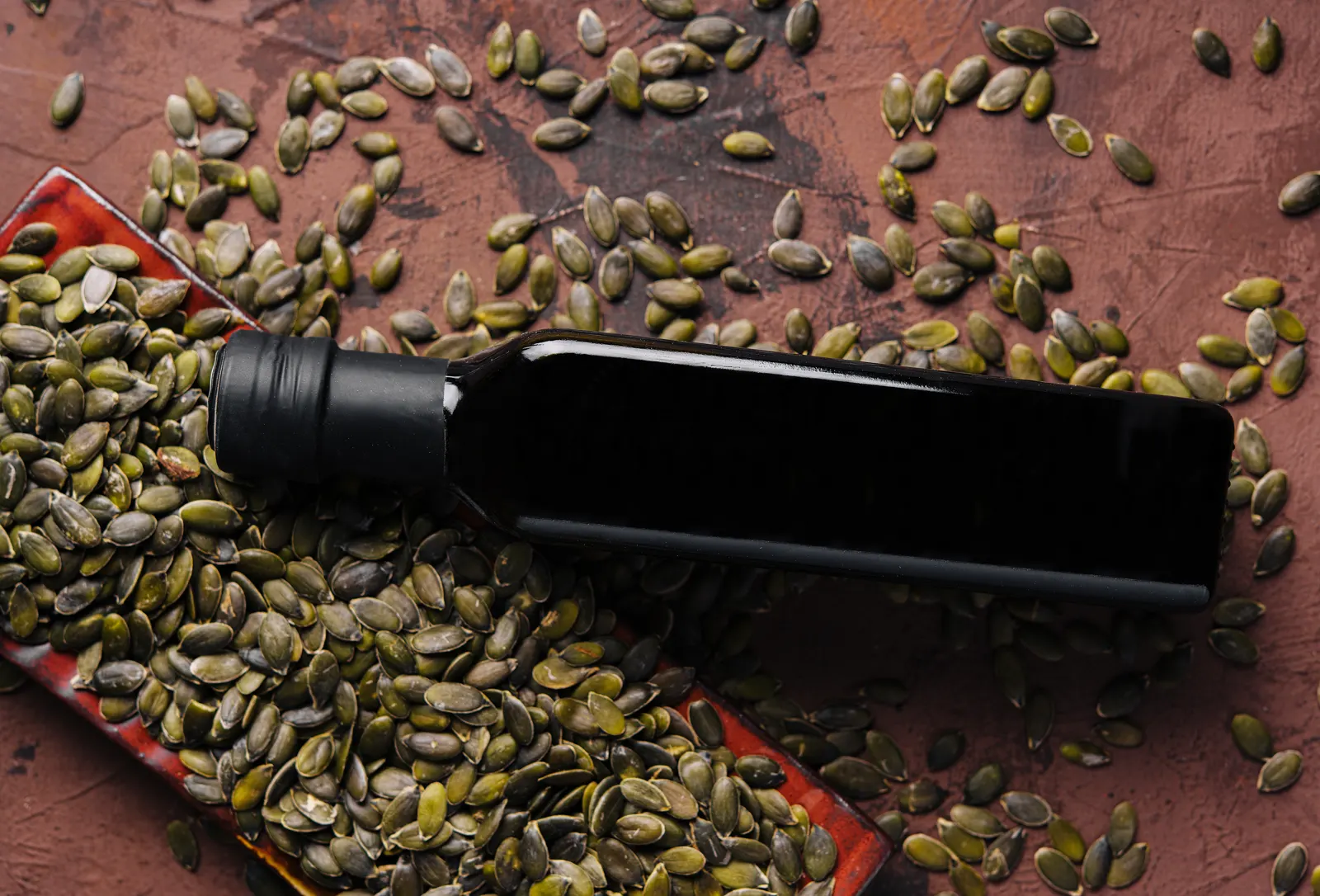 Hair care · BeginnerRosemary & Pumpkin Seed Scalp OilA pre-wash scalp massage oil with 2% rosemary essential oil in pumpkin seed, jojoba and argan oils — a supportive ritual, not a medical treatment.
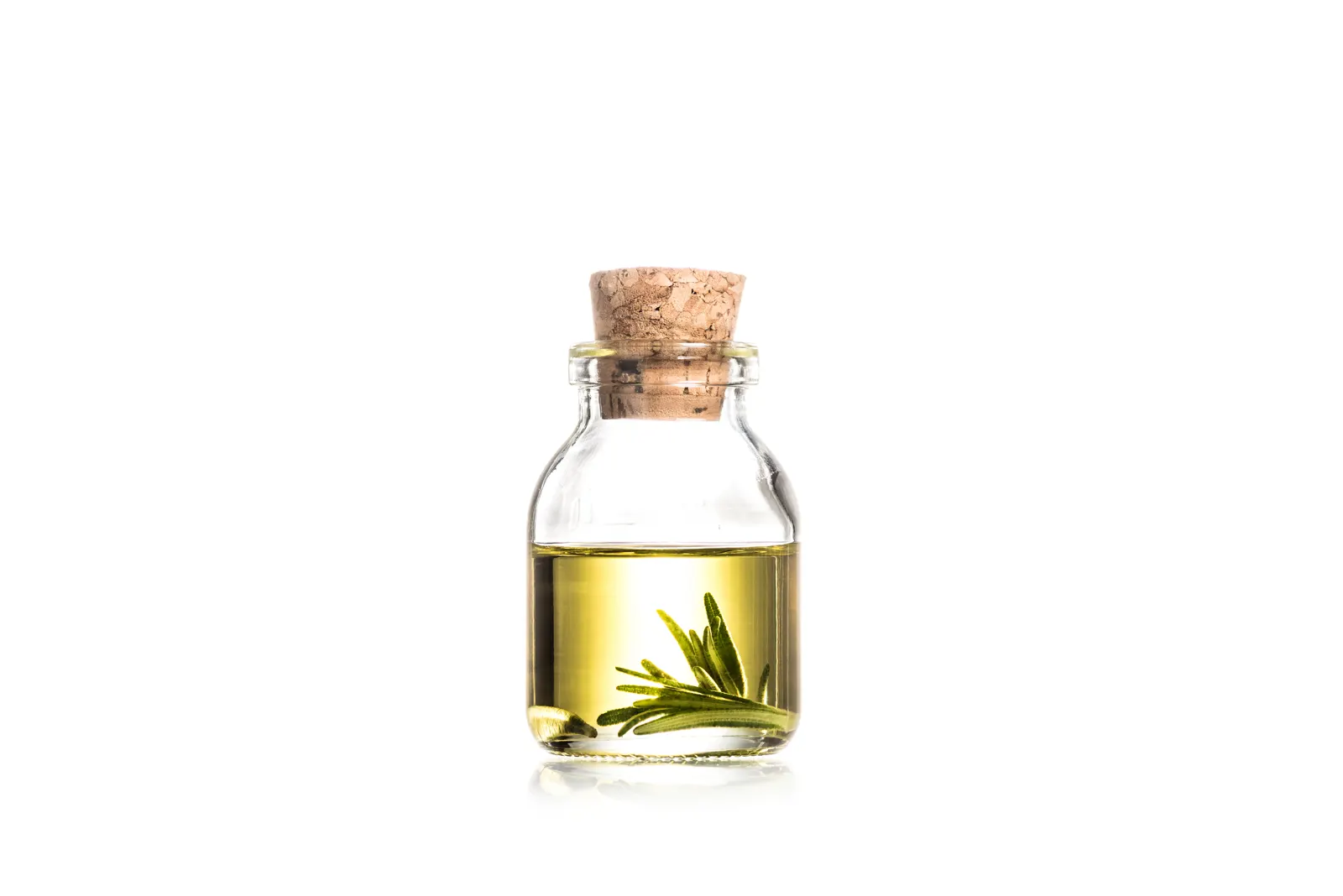 Hair care · BeginnerRosemary Pre-Wash Hair & Scalp OilA weekly pre-shampoo oil of sunflower, coconut and argan with 1% rosemary essential oil, massaged into scalp and lengths before wash day.
Daily rituals with Argan Oil
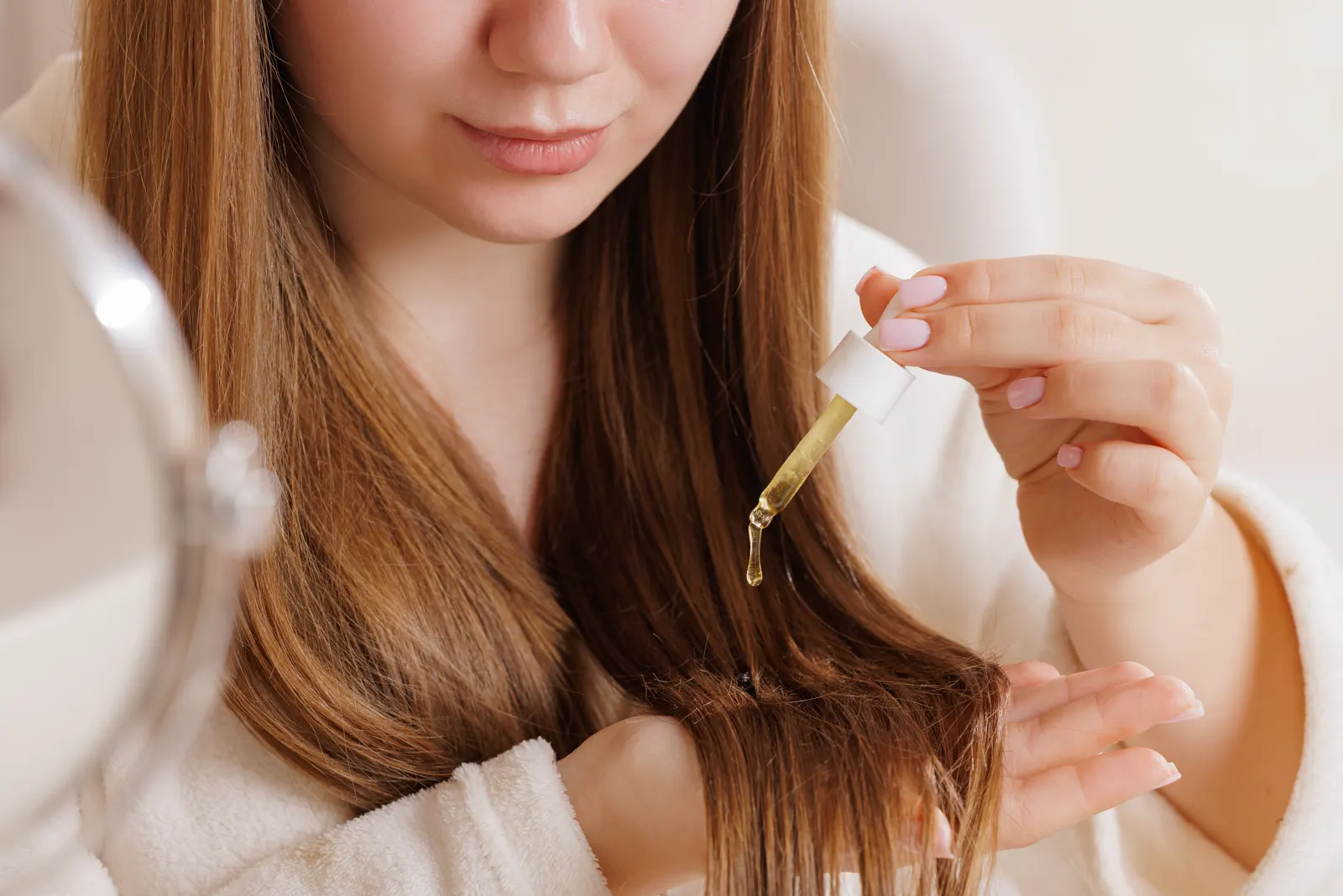 A Touch of Argan for the EndsOne drop of hair-labeled argan oil smoothed over damp ends: a light finishing step with Moroccan roots, not a repair treatment.
 A Weekly Rhassoul Reset for Oily SkinA once-a-week Moroccan rhassoul clay mask for oily and combination skin, with the winter rule that keeps it from over-drying.
Use it safely
- Allergic contact dermatitis to argan oil is uncommon but documented in case reports; patch test if your skin is reactive.
- Argan is a kernel oil; cosmetic oils carry very little protein, but people with severe nut or seed allergies have rarely reacted — ask an allergist if in doubt.
- Roasted (culinary) argan oil smells strongly toasted and is not meant for the face.
- Discard oil that smells sharp, waxy or like old crayons: oxidized oil is more irritating.
Pregnancy and breastfeeding: No specific concerns for topical use in pregnancy or breastfeeding. Skin can become more reactive in pregnancy, so patch test new products.
New to an ingredient? Patch test first.
When to see a doctor
- Hair that breaks easily together with brittle nails, fatigue, heavy periods or feeling cold (possible iron deficiency or thyroid disease).
- Breakage in patches, or hair loss with scalp symptoms — it may not be breakage at all; see Thinning Hair & Hair Loss.
- Scalp burns, blisters or severe itching after relaxers, dyes or bleach.
- Hair that has always been fragile or breaks at a short length since childhood (possible hair shaft disorder).
Other plants for Dry, Damaged & Frizzy Hair
| Ingredient | Grade | What the evidence shows |
|---|---|---|
| Coconut Oil | C | Hair-fiber lab studies show coconut oil penetrates the shaft and reduces protein loss when used before and after washing — unlike mineral or sunflower oil; human trials are lacking. |
| Shea Butter | D | A rich sealant that reduces frizz and adds softness, especially for coily hair; evidence is practical and traditional. |
| Olive Oil | D | Traditionally used across the Mediterranean as a pre-wash treatment; limited lab data suggest some penetration, less than coconut oil. |
| Marshmallow Root | D | Mucilage gives slip for detangling, popular in curly-hair routines; evidence is traditional and anecdotal. |
| Jojoba | D | A light liquid wax that adds shine without much weight, suiting fine hair; little formal evidence. |