Does it work?
Shea Butter for Dry, Damaged & Frizzy Hair
What the research says about shea butter for dry, damaged & frizzy hair, how to use it at home and how to stay safe.
The short answer: A rich sealant that reduces frizz and adds softness, especially for coily hair; evidence is practical and traditional.
What it does
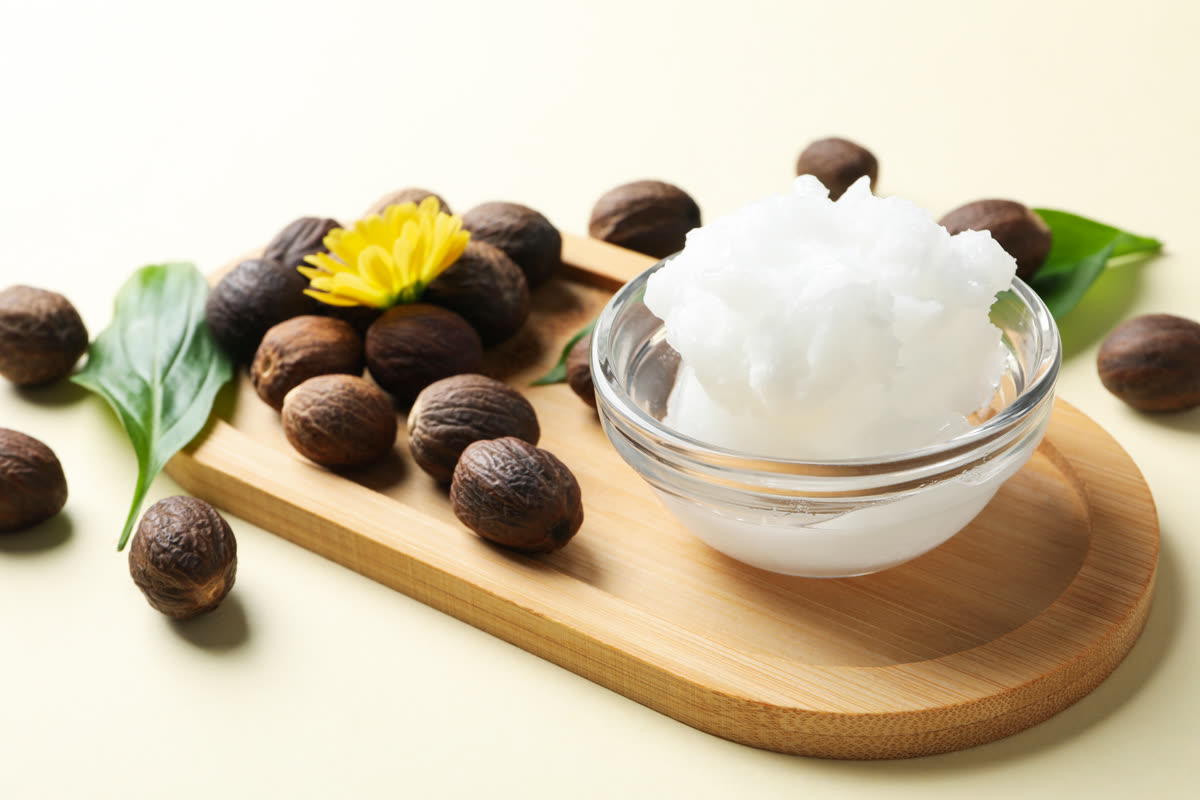
Shea butter is the fat from the kernels of the shea tree, which grows across the savanna belt of West and Central Africa. It is a soft, rich butter — roughly half stearic and half oleic acid — with an unusually large fraction of protective unsaponifiable compounds. It is an excellent occlusive emollient for very dry skin, lips and textured hair, and its production is a vital source of income for millions of African women.
Why people reach for it
- Seals in moisture. Forms a breathable, occlusive film that slows water loss — ideal for rough elbows, heels, hands and very dry skin.
- Comfort for eczema-prone skin. A simple, fragrance-free shea balm can serve as an emollient between flares in eczema-prone skin; it complements, not replaces, prescribed treatment.
- Lip and cuticle care. Its melting point near body temperature makes it a classic base for lip balms and cuticle balms.
- Softness and definition for textured hair. Seals moisture into curly and coily hair, reducing frizz and breakage when used sparingly on damp lengths.
How to use it
| Form | Typical use | Notes |
|---|---|---|
| Body butter | 30–70% of a whipped butter | Whip with liquid oils for a lighter texture; see Whipped Shea Body Butter. |
| Lip balm | 20–40% of the balm | Combine with beeswax or candelilla wax and a liquid oil; see Shea & Calendula Lip Balm. |
| Healing balm | 15–40% of an anhydrous balm | With calendula-infused oil in Calendula Comfort Balm. |
| Hair (LOC/LCO methods) | A pea-sized amount warmed in the palms | Apply to damp lengths after a water-based leave-in to seal; avoid heavy use on fine hair or an oily scalp. |
Recipes with Shea Butter
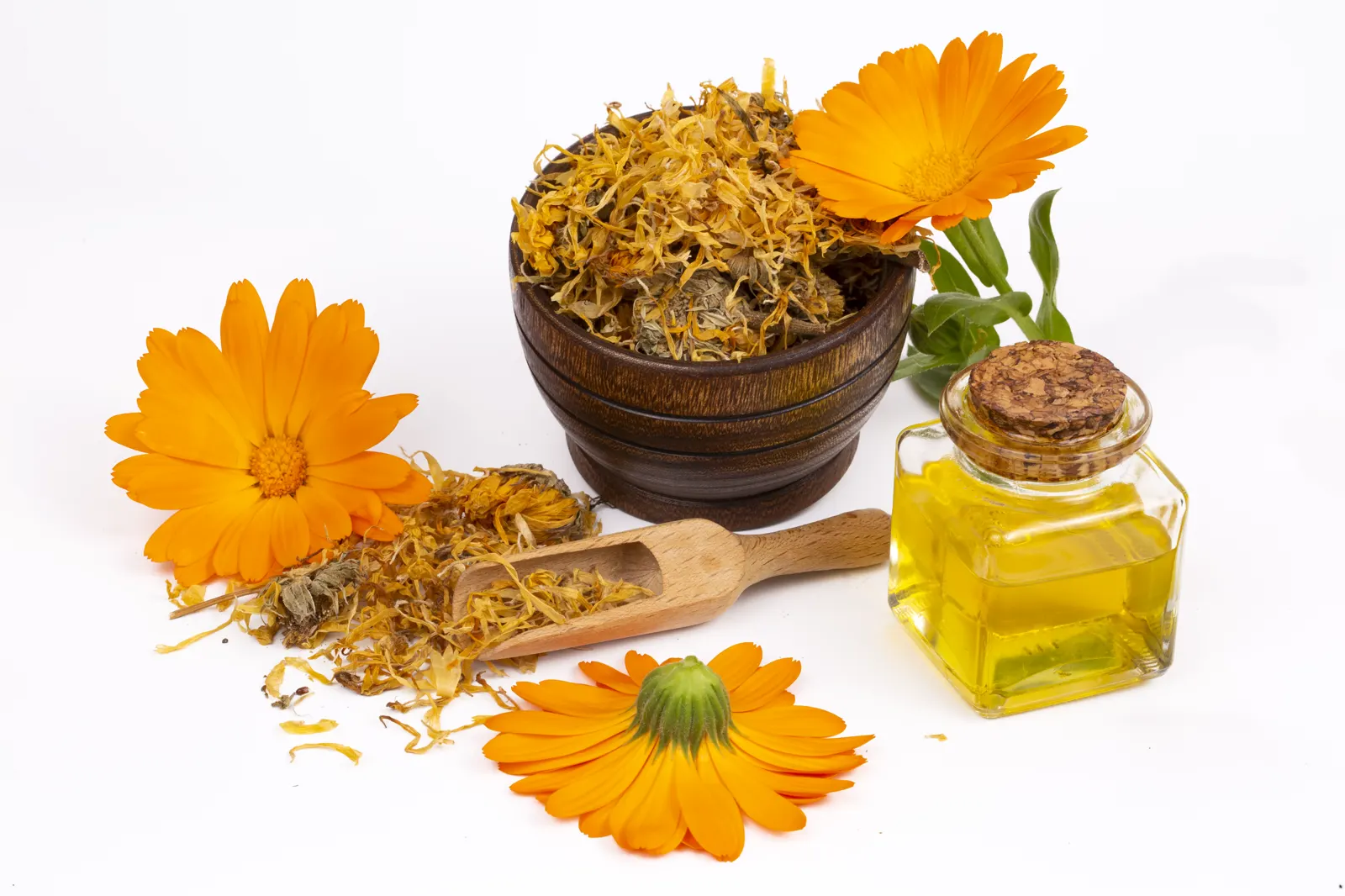 Balm · BeginnerCalendula Comfort BalmA rich, fragrance-free balm of calendula-infused oil, shea and beeswax for chapped hands, dry patches and minor scrapes once they have closed.
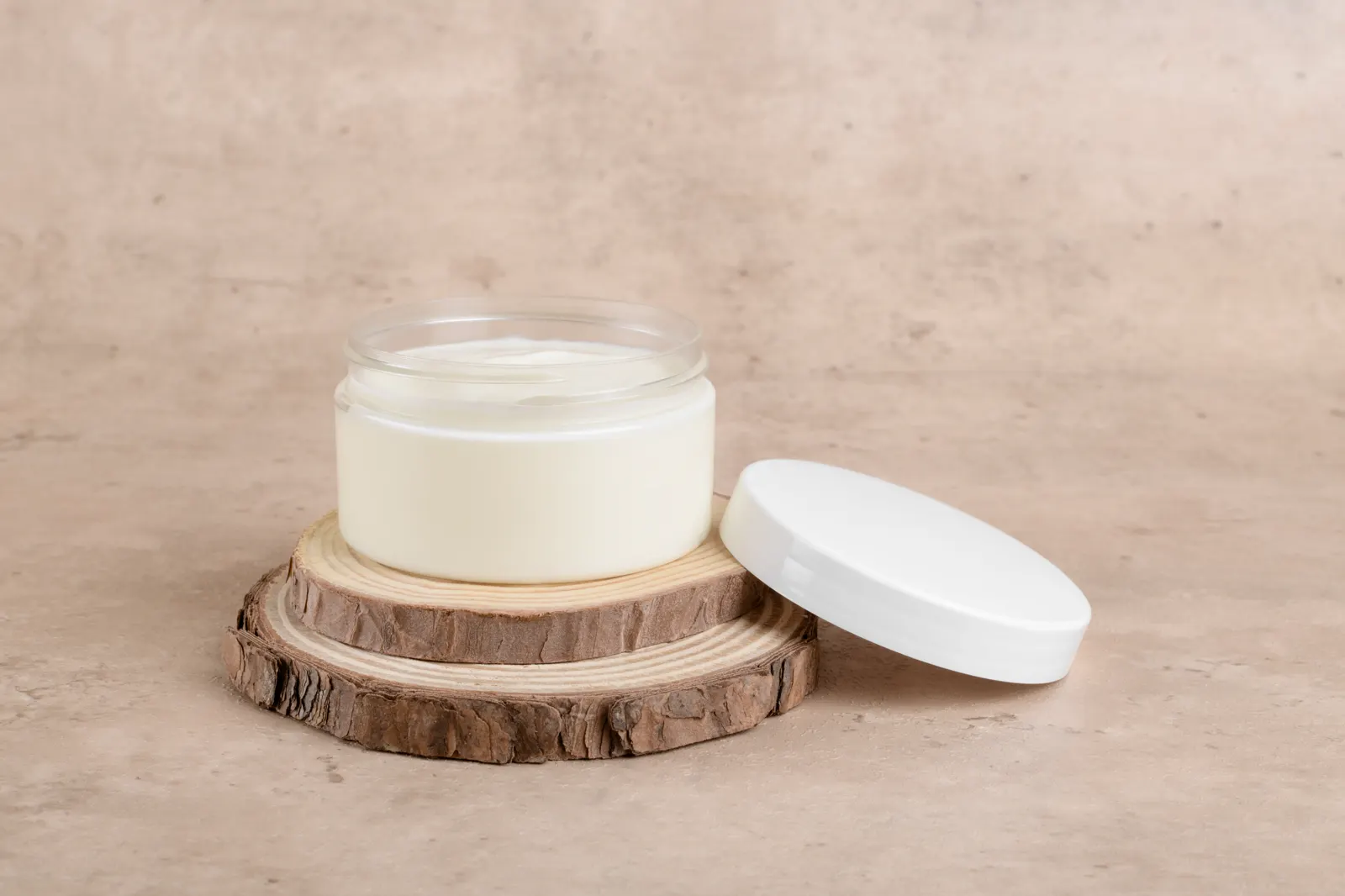 Body care · BeginnerWhipped Shea Body ButterCloud-light whipped shea with coconut and sunflower oils and a hint of lavender — rich care for dry skin, with the trick that prevents graininess.
Daily rituals with Shea Butter
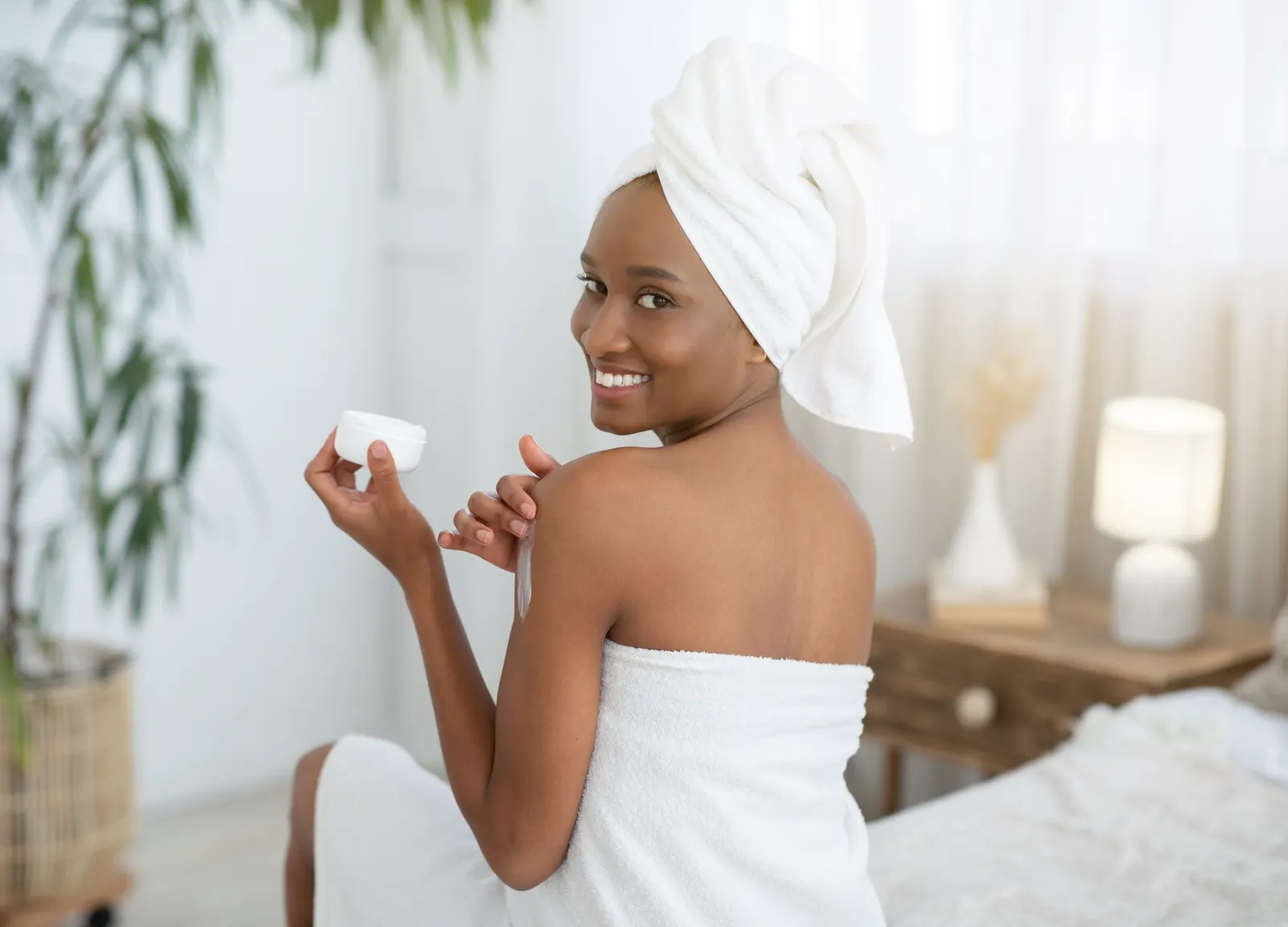 Soak and Seal: The Three-Minute Rule for Eczema-Prone SkinMoisturize within three minutes of bathing, on still-damp skin. A simple winter habit for eczema-prone and very dry skin, with the evidence behind it.
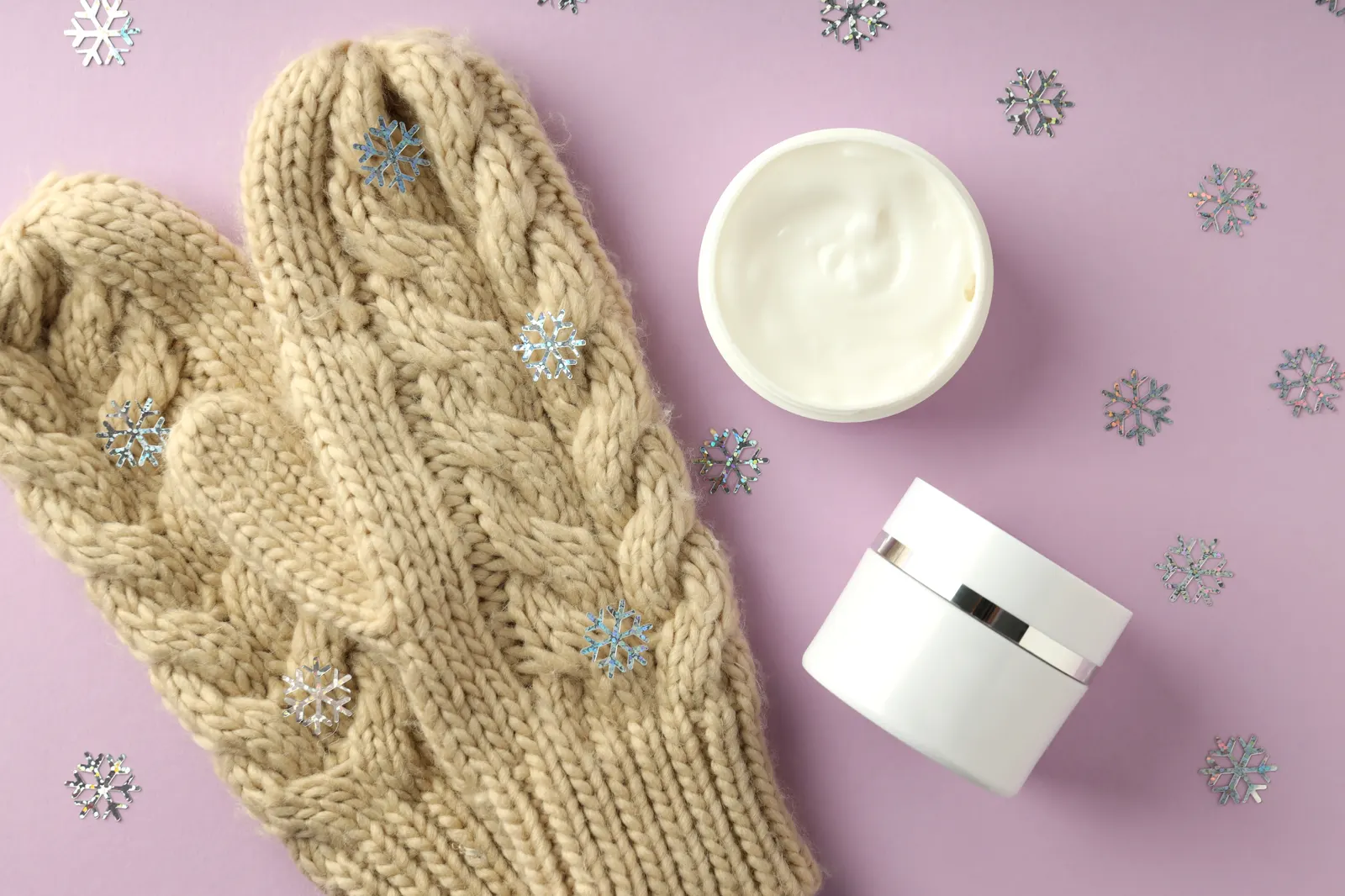 The Overnight Glove Method for Winter HandsCracked knuckles and rough fingertips? A thick balm under cotton gloves overnight, plus three daytime habits, rescues winter hands within days.
Use it safely
- True allergy to shea butter is very rare; patch test if you react to many products.
- Heavy, occlusive use on the face can contribute to breakouts in acne-prone skin; reserve for body, lips and very dry areas.
- Unrefined shea can smell smoky; added fragrance in shea products is a more common cause of irritation than the butter itself.
- For infants with eczema, use fragrance-free products and follow your pediatrician’s advice.
Pregnancy and breastfeeding: Considered safe in pregnancy and breastfeeding, including on the belly and nipples (wipe off before feeding if heavily applied). No butter has been shown to prevent stretch marks.
New to an ingredient? Patch test first.
When to see a doctor
- Hair that breaks easily together with brittle nails, fatigue, heavy periods or feeling cold (possible iron deficiency or thyroid disease).
- Breakage in patches, or hair loss with scalp symptoms — it may not be breakage at all; see Thinning Hair & Hair Loss.
- Scalp burns, blisters or severe itching after relaxers, dyes or bleach.
- Hair that has always been fragile or breaks at a short length since childhood (possible hair shaft disorder).
Other plants for Dry, Damaged & Frizzy Hair
| Ingredient | Grade | What the evidence shows |
|---|---|---|
| Coconut Oil | C | Hair-fiber lab studies show coconut oil penetrates the shaft and reduces protein loss when used before and after washing — unlike mineral or sunflower oil; human trials are lacking. |
| Argan Oil | C | A lab study on dyed hair fibers found argan oil improved fiber quality after repeated coloring; supports its use as a finishing and pre-wash oil. |
| Olive Oil | D | Traditionally used across the Mediterranean as a pre-wash treatment; limited lab data suggest some penetration, less than coconut oil. |
| Marshmallow Root | D | Mucilage gives slip for detangling, popular in curly-hair routines; evidence is traditional and anecdotal. |
| Jojoba | D | A light liquid wax that adds shine without much weight, suiting fine hair; little formal evidence. |