Does it work?
Rosehip Oil for Dry & Dehydrated Skin
What the research says about rosehip oil for dry & dehydrated skin, how to use it at home and how to stay safe.
The short answer: Mechanistic data and small, mostly uncontrolled human studies; a positive oral rosehip-powder trial does not apply directly to the topical oil.
Our Dry & Dehydrated Skin guide does not rank Rosehip Oil for this use yet, so this is the overall grade for Rosehip Oil.

What it does
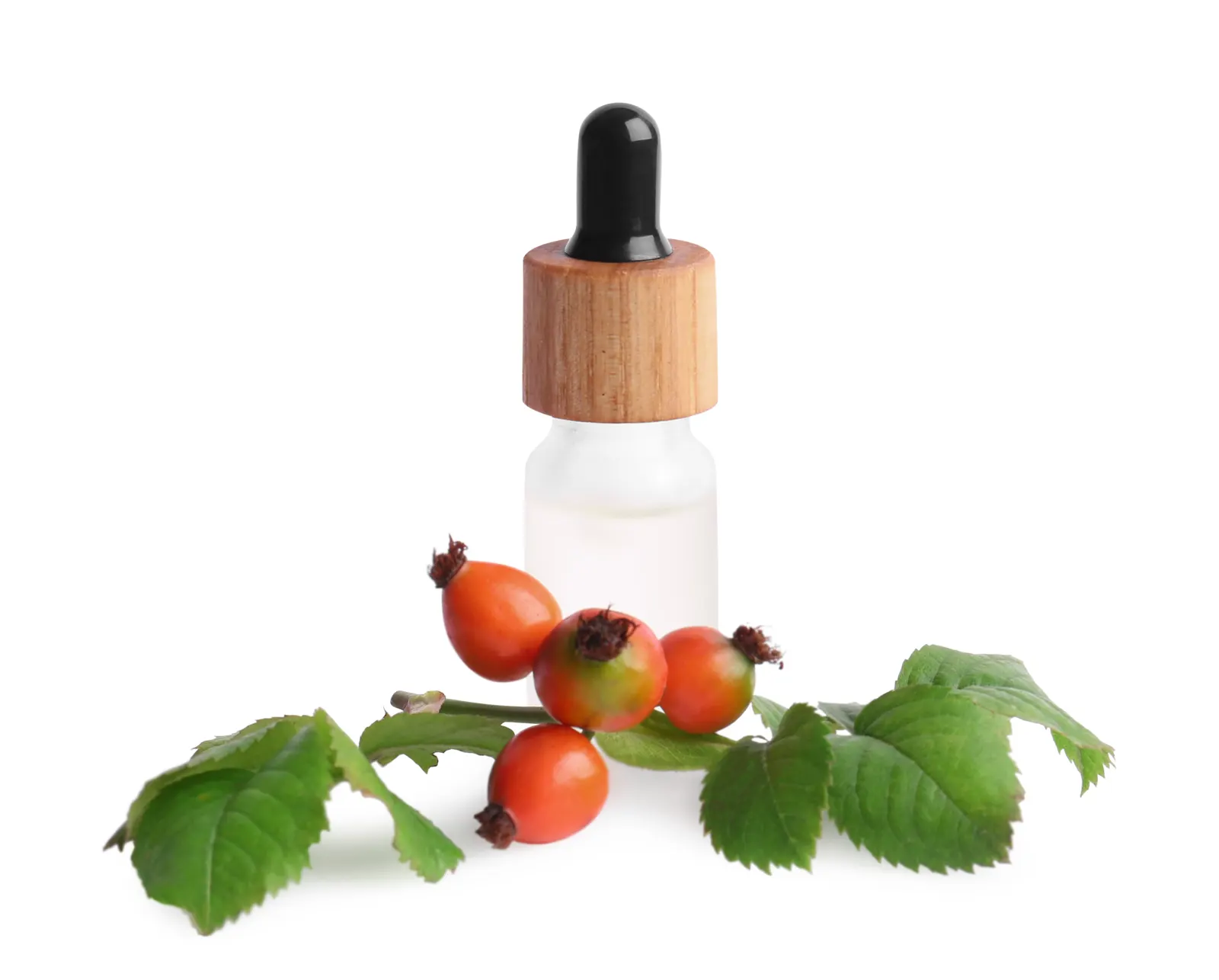
Rosehip oil is pressed from the seeds of wild roses, chiefly in Chile, Argentina and southern Africa. It is one of the richest common sources of the essential fatty acids linoleic and α-linolenic acid, giving a light, quick-absorbing feel that suits most skin types. It is widely used for scars and texture, but the evidence is small, and it is a fragile oil that goes rancid quickly if mishandled.
Why people reach for it
- Rich in essential fatty acids. Linoleic acid feeds the synthesis of barrier ceramides, and topical linoleic acid may help the skin of acne-prone people, whose sebum tends to be low in it.
- Light texture for most skin types. Absorbs quickly with little shine, so it suits normal and combination skin as well as dry skin.
- Comfort for healing scars. Massaging a non-irritating oil into a closed, healed scar keeps it supple; small studies suggest benefits, but rosehip has not been shown to beat silicone gel, the evidence-based standard.
- Antioxidant carotenoids (in some grades). Deep-orange CO₂ extracts carry carotenoids and tocopherols, which mainly protect the oil and give provitamin-A content.
How to use it
| Form | Typical use | Notes |
|---|---|---|
| Face oil | 2–3 drops neat, or 10–30% in a face-oil blend | Best at night. Blend with stable carriers such as jojoba or squalane; see Rosehip & Sea Buckthorn Glow Oil. |
| Scar massage | A few drops, massaged for 2–3 minutes twice daily | Only on fully closed, healed skin — never on open wounds. See Scars, Wounds & Stretch Marks. |
| Creams and serums | 2–10% of a formula | Add tocopherol at 0.2–0.5% and use airless or dark packaging. |
Recipes for Dry & Dehydrated Skin with Rosehip Oil
Daily rituals with Rosehip Oil
 The Slow Sunday Shelf AuditThirty minutes with your bathroom shelf: read the PAO symbols, sniff out rancid oils, and decide what to keep, move to the fridge or throw away.
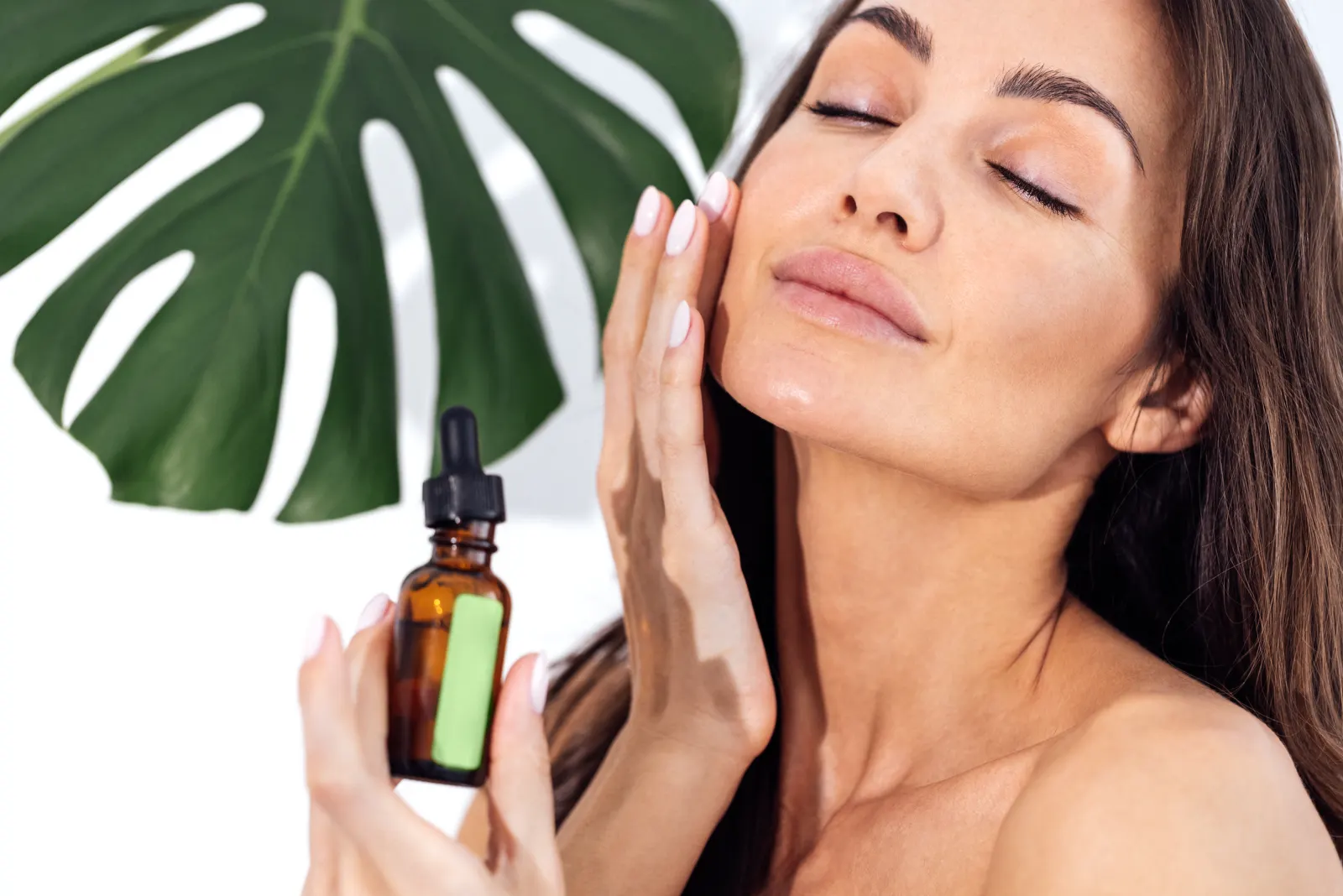 The Evening Press-and-Pat with Rosehip OilThree drops, warm palms, press and hold: the evening face-oil technique that uses less rosehip and sea buckthorn oil and leaves skin soft, not greasy.
Use it safely
- Rancid rosehip oil smells sharp, fishy or like paint and can irritate — buy small bottles and refrigerate after opening.
- Allergic reactions are rare; patch test, especially with orange CO₂ extracts that contain more fruit material.
- It is not a sunscreen and does not replace a broad-spectrum SPF — see Sun Care & After-Sun.
- Do not apply to open or infected wounds; see a doctor for wounds that are not healing.
Pregnancy and breastfeeding: Considered safe topically in pregnancy and breastfeeding; it contains no meaningful retinoid. Evidence that it prevents stretch marks is lacking.
New to an ingredient? Patch test first.
When to see a doctor
- Dryness with intense itch that disturbs sleep, or red, inflamed patches (possible eczema or another dermatitis).
- Cracked, bleeding or weeping skin, or signs of infection (pain, warmth, yellow crusts, pus).
- Fish-scale-like dryness present since childhood (possible ichthyosis).
- New, persistent dryness with fatigue, weight change, feeling cold or hair thinning (thyroid), or with excessive thirst and urination (diabetes).
- Severe dryness in older adults with widespread itch that does not respond to moisturizers.
Other plants for Dry & Dehydrated Skin
| Ingredient | Grade | What the evidence shows |
|---|---|---|
| Colloidal Oatmeal | B | Multiple clinical studies show colloidal oatmeal creams and baths reduce dryness, scaling and itch; it is an approved skin protectant in the US. |
| Sunflower Oil | B | Linoleic-rich sunflower seed oil preserved stratum corneum integrity and improved hydration in a comparative study with olive oil, and supports barrier function in neonatal studies. |
| Coconut Oil | B | A randomized trial found virgin coconut oil as effective and safe as mineral oil for mild to moderate xerosis of the legs. |
| Shea Butter | C | Rich emollient and mild occlusive with anti-inflammatory triterpene esters; small studies of shea-containing creams support hydration. |
| Squalane | C | A skin-identical, stable, lightweight emollient that reduces roughness; excellent tolerability but limited trial data on its own. |
| Jojoba | C | A liquid wax ester that resembles skin’s own wax esters; small studies support barrier repair and softness. |
| Aloe Vera | C | A humectant gel that improved skin hydration in small studies; on its own it is not enough for very dry skin and needs an emollient on top. |
| Marshmallow Root | D | Mucilage polysaccharides form a soothing, humectant film; evidence is traditional and lab-based. |