Does it work?
Mastic & Lentisk for Scars, Wounds & Stretch Marks
From the groves of Chios to Maghreb homes, one shrub gives a piney-sweet resin and a rich oil for chapped hands and cracked heels.
The short answer: Recognized in Europe as a traditional herbal remedy; skin effects rest on lab and animal studies, and the human trials that exist are oral (digestion), not cosmetic.
Our Scars, Wounds & Stretch Marks guide does not rank Mastic & Lentisk for this use yet, so this is the overall grade for Mastic & Lentisk.
What Mastic & Lentisk can do for Scars, Wounds & Stretch Marks
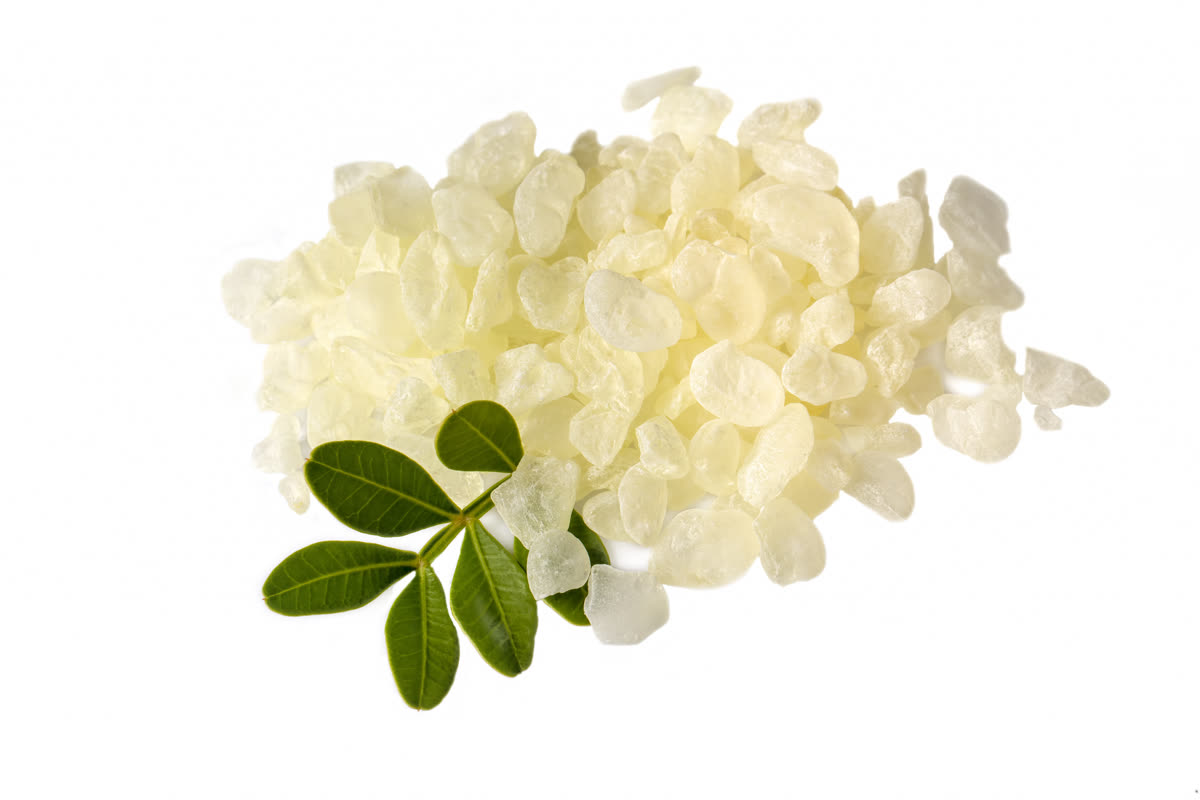
One Mediterranean shrub, two beauty traditions. On the Greek island of Chios, a local variety of lentisk is scored each summer to weep mastic, a pale aromatic resin protected as a PDO and chewed, cooked and used in perfume for centuries. Across North Africa and Andalusia, wild lentisk berries are pressed into a green, pungent lentisk oil traditionally rubbed onto burns, cracked skin and hair. Both have intriguing lab and animal data, but almost no human skin trials.
Why people reach for it
- Traditional comfort for cracked skin. Lentisk berry oil is a household remedy across the Maghreb for chapped hands, cracked heels and minor burns; it is a rich emollient, though healing claims are untested in people. See Dry & Dehydrated Skin.
- A luminous, piney-balsamic scent. Mastic resin and its essential oil bring a fresh, resinous, slightly sweet note to perfumes, balms and lip care.
- Antimicrobial and anti-inflammatory in the lab. Mastic triterpenes and the essential oil inhibit bacteria and inflammatory mediators in vitro, supporting traditional use on minor skin problems — a rationale rather than proof.
- Officially recognized traditional use. Europe’s herbal medicines committee has a traditional-use monograph for mastic, including application to minor skin inflammation and small wounds — a status based on long use, not on trials.
How to use it
Try it today
A cracked-heel night balm
- Patch test lentisk oil on your inner arm first, especially if adhesives have ever irritated you.
- Soften its strong scent by mixing a few drops into a spoonful of a gentler oil, such as olive.
- Massage into clean heels (not open or bleeding cracks) and pull on cotton socks overnight.
| Form | Typical use | Notes |
|---|---|---|
| Lentisk berry oil in hand, foot and body care | 5–30% of an oil blend or balm; neat on small areas such as cracked heels | Its smell is strong; blending with olive oil or shea butter softens it. Not for serious burns or open wounds. |
| Mastic essential oil | 0.25–1% on the face, up to 2% on the body | Buy fresh, keep it cold and tightly closed, and add tocopherol to blends; oxidized oil is more likely to sensitize. See Essential Oil Safety: The Complete Guide. |
| Mastic resin in balms and lip care | 0.5–2% (finely ground resin melted into warm oil, or a mastic resin extract) | Mastic dissolves only partly in oil; warm gently, stir and strain. Adds a light, fresh-resinous scent and a little tack. |
Use it safely
- Allergic contact dermatitis to mastic is documented, mainly from medical adhesives that contain it. If you have reacted to such adhesives, avoid mastic on skin; otherwise patch test.
- Mastic shares its genus with pistachio and its family with cashew and mango; cross-reactivity is poorly studied, so people with severe pistachio or cashew allergy should ask an allergist before ingesting it.
- Lentisk oil is a traditional burn remedy, but large, blistering or facial burns, and burns on hands, feet or genitals, need medical care. Cool under running water for 20 minutes first.
- Mastic essential oil oxidizes; discard old oil that smells harsh or turpentine-like.
Pregnancy and breastfeeding: Mastic in culinary amounts is fine. There are no safety data for medicinal doses or concentrated essential oil in pregnancy or breastfeeding, so avoid them; lentisk oil applied to small areas is unlikely to be a concern.
New to an ingredient? Patch test first.
When to see a doctor
- Signs of infection: spreading redness or warmth, red streaks, increasing pain or swelling, pus, a bad smell, or fever.
- Deep, gaping or long cuts, wounds on the face, hands or joints, or bleeding that does not stop with 10 minutes of firm pressure — stitches work best within hours.
- Animal or human bites, puncture wounds, dirty wounds, or if your tetanus vaccination is not up to date.
- Burns larger than your palm, or any burn on the face, hands, feet, genitals or over joints, or with white, leathery or charred skin.
- Wounds not healing within two weeks, especially if you have diabetes, poor circulation or a weakened immune system.
- A scar that keeps growing beyond its edges, is painful or itchy (possible keloid), or an old scar that ulcerates, bleeds or changes.
- New, wide purple stretch marks together with weight gain, a rounded face, easy bruising or muscle weakness.
Other plants for Scars, Wounds & Stretch Marks
| Ingredient | Grade | What the evidence shows |
|---|---|---|
| Honey | B | Systematic reviews suggest sterile, medical-grade honey dressings heal partial-thickness burns faster than some conventional dressings, though trial quality varies; kitchen honey is not for open wounds. |
| Aloe Vera | B | Several trials and a systematic review suggest aloe preparations may shorten healing time of superficial burns; evidence for surgical wounds is inconclusive. |
| Centella Asiatica (Cica) | B | Asiaticoside and madecassoside promote collagen organization; small trials (mostly of combination creams) support use for stretch-mark prevention and scar appearance. |
| Calendula | C | Small trials suggest benefit for skin reactions to radiotherapy and minor wounds; daisy-family allergy is possible. |
| Rosehip Oil | C | A small controlled study suggested rosehip oil improved the color and appearance of post-surgical scars after the wound had closed. |
| Helichrysum (Immortelle) | D | Popular in aromatherapy for scars, but evidence is anecdotal or from lab studies; as an essential oil it must be diluted and never used on open wounds. |
| Olive Oil | D | Trials of massaging plain oils, including olive oil, in pregnancy have not shown clear prevention of stretch marks; massage itself is harmless and pleasant. |